Are Senegal parrots rare?
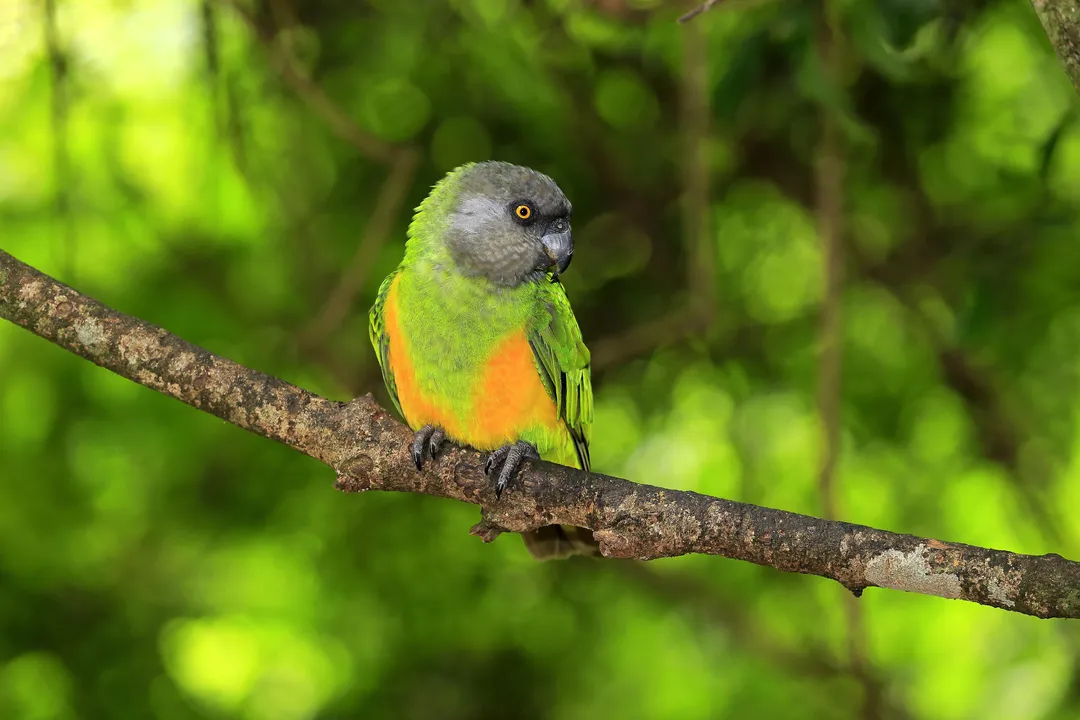
The perception of whether any parrot species is rare often depends entirely on where one is looking—the wilds of West Africa or the local pet store. For the Senegal parrot (Poicephalus senegalus), the answer to its rarity is a nuanced "no" in almost every meaningful sense, though its understated presence can sometimes give the illusion of scarcity. In their native environment, these charismatic birds are actually quite common; the International Union for Conservation of Nature (IUCN) officially lists the Senegal parrot as a species of Least Concern. This means that, as a wild population, they are not globally threatened, inhabiting savannas and open woodlands across a broad range in West Africa.
# Wild Status
The species’ historical presence across countries like Senegal, Mali, and Ghana has kept their overall numbers relatively stable. In fact, in some localized areas, they are so numerous that they can be viewed as a crop pest by local farmers due to their appetite for seeds, fruits, and cultivated grains like millet and maize.
However, this stable assessment belies past pressures. Concerns over extensive trapping, particularly in the 1980s, for the international pet trade led to the species being listed on CITES Appendix 2 in 1981. This listing made the import and export of wild-caught Senegals illegal, a measure designed to protect them from overharvesting for commerce. What this history demonstrates is that while the species is inherently robust enough to thrive across varied habitats—adapting their seasonal migrations to follow ripening fruits—they were vulnerable to commercial exploitation. The focus now in aviculture, therefore, is almost entirely on captive-bred stock, which secures their pet availability without impacting wild populations.
# Pet Availability

When considering the pet market, the Senegal parrot is far from rare. In fact, they are positioned as one of the more accessible and popular choices within the Poicephalus genus. They are often noted to be less expensive than many other larger parrots, which contributes to their steady presence in ordinary pet stores. For prospective owners, finding a captive-bred Senegal is usually not difficult, largely because they breed readily in captivity.
This established captive population is further evidenced by the existence of various color mutations, such as Cinnamon, Pied, Misty, and the exceptionally prized Blue mutation. A healthy market with enough established breeders to produce these genetic variations confirms that the species is well-integrated into aviculture, effectively removing any notion of rarity in the companion bird trade.
# "Mini Grey" Appeal
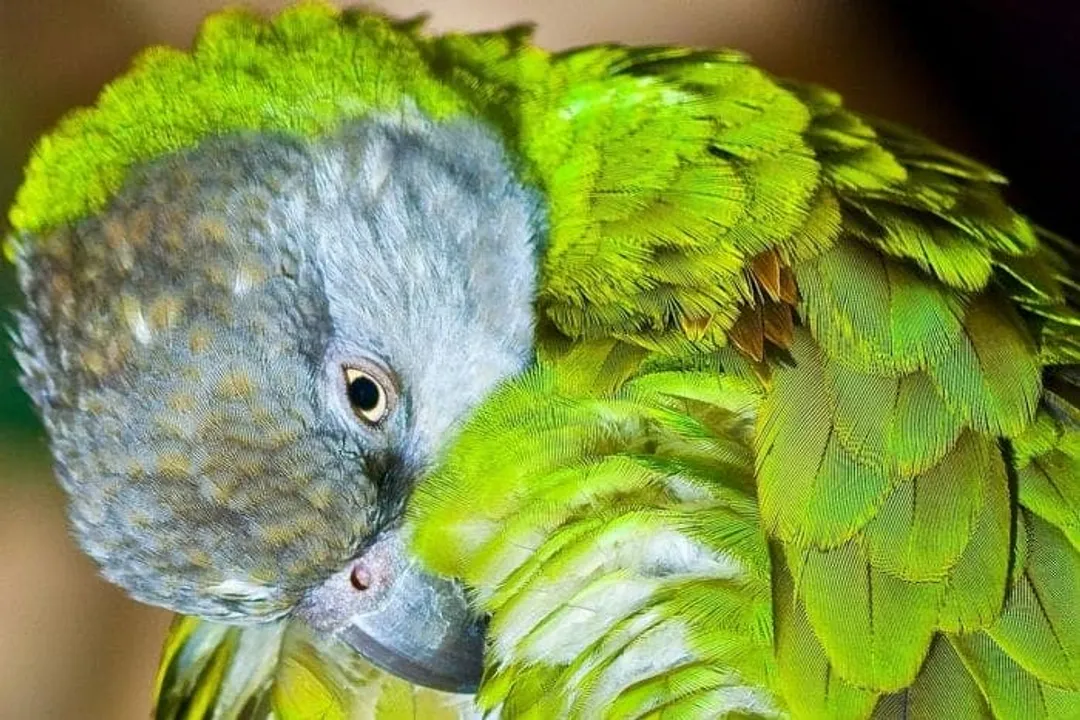
If Senegals are objectively common in the wild and readily available as pets, why might an observer perceive them as rare? The answer often lies in comparison to their much louder, more famous cousins. Senegal parrots are frequently described as "mini African Greys", but their volume control is distinctly different. While they possess an impressive capacity for mimicry and an extensive vocal repertoire of whistles and squawks in the wild, they are considerably quieter than many other parrot species.
Their quiet nature means they are less likely to be featured prominently in public displays or overheard in busy bird shops. The sheer volume of a Cockatoo or a loud Conure, like a Sun Conure, commands attention and makes that species instantly recognizable, even to non-owners. The Senegal’s preference for high-pitched whistles and chattering over screeching means they blend into the background noise more effectively. This lower acoustic profile creates an interesting paradox: they are a common, manageable pet for apartment living due to their restraint, yet this very restraint makes them less conspicuous than their noisier counterparts, leading to a perceived rarity.
# Behavioral Nuances
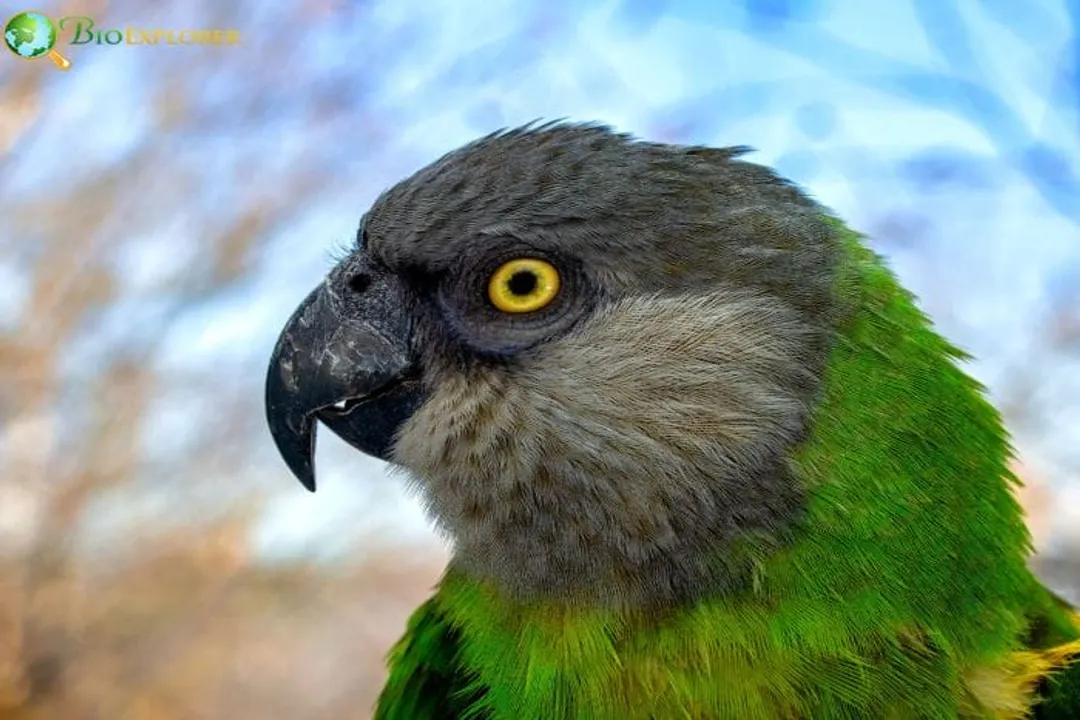
Owners looking for a first parrot often weigh the Senegal against other Poicephalus parrots, like the Red-Bellied, or more demanding species like the African Grey. The Senegal offers a compact size—about 9 inches long—and a personality that is often described as affectionate, comical, and fun-loving. They form strong social bonds with their human caregivers.
However, a potential owner must acknowledge the common Poicephalus trait of potential one-person bonding. While some owners report their birds happily interacting with all family members, others note a tendency for the bird to strongly favor one person, sometimes becoming aggressive toward others. It is important to understand that this tendency, like general nippiness, is a known characteristic of the species, not a flaw of an individual bird, and requires dedicated, multi-person socialization early on to mitigate. Some experienced owners have even noted a "Jekyll and Hyde" shift after the initial honeymoon period, where a sweet baby bird exhibits marked moodiness or biting as it matures. This requires owners to be ready for the commitment, as they are not always the most laid-back companions.
This dynamic presents an important consideration for new bird owners deciding between this and similar species. While some may suggest a Meyer’s parrot as a generally more mellow alternative, others argue that behavioral variance exists within all species, and a well-socialized Senegal can be an excellent family member. The key insight here is recognizing that the behavioral pattern—whether a tendency toward single-person bonding or periodic biting—is a known probability, not a certainty, and success hinges on management over the bird's long lifespan, which can exceed five decades in captivity.
# Captive Diversity
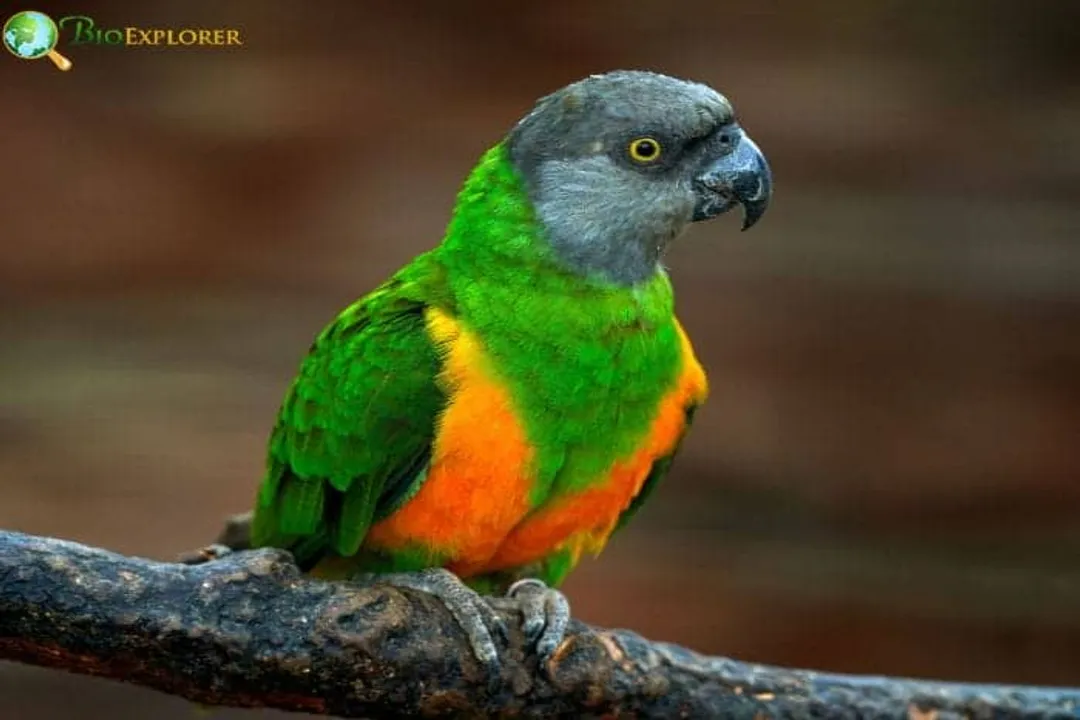
The physical appearance of the Senegal parrot itself is striking but uniform enough in its wild type to be easily identified. Adults display a charcoal-gray head, green back, and underparts that feature a distinctive V-shaped yellow patch, often referred to as a vest. There are slight differences between the two main subspecies, P. s. senegalus (yellow vest) and P. s. versteri (deeper orange/red vest), but these only affect coloration, not behavior.
The potential for variety is significant, which is another reason they are not rare. The fact that color mutations exist and are being bred demonstrates a healthy captive culture focused on the species. For instance, the Blue mutation is considered very rare and prized among breeders. This exclusivity of color, contrasted with the common availability of the standard yellow-vested bird, showcases the tiered rarity within the species itself—common in its standard form, but rare in its specialized color variants.
Ultimately, the Senegal parrot is not a rare bird. It is a globally secure species with a stable presence in aviculture, making it an accessible companion for those seeking a medium-sized, intelligent, and relatively quiet parrot. If they seem rare, it is likely because their reserved vocalizations allow them to slip under the public radar compared to their louder, more vocal cousins in the parrot world.
Related Questions
#Citations
Senegal parrot - Wikipedia
Senegal or Red Bellied?? Never had a bird and having trouble ...
Senegal Parrot: Bird Species Profile - The Spruce Pets
African Grey, Senegal, or Caique - Please Advise : r/parrots - Reddit
Senegal Parrot Mutations - One Odd Bird
Senegal Parrot | Poicephalus Senegalus | African Bird | Facts
Senegal Parrots Make Excellent Companions - Everything Birds