What are the cons of puggles?
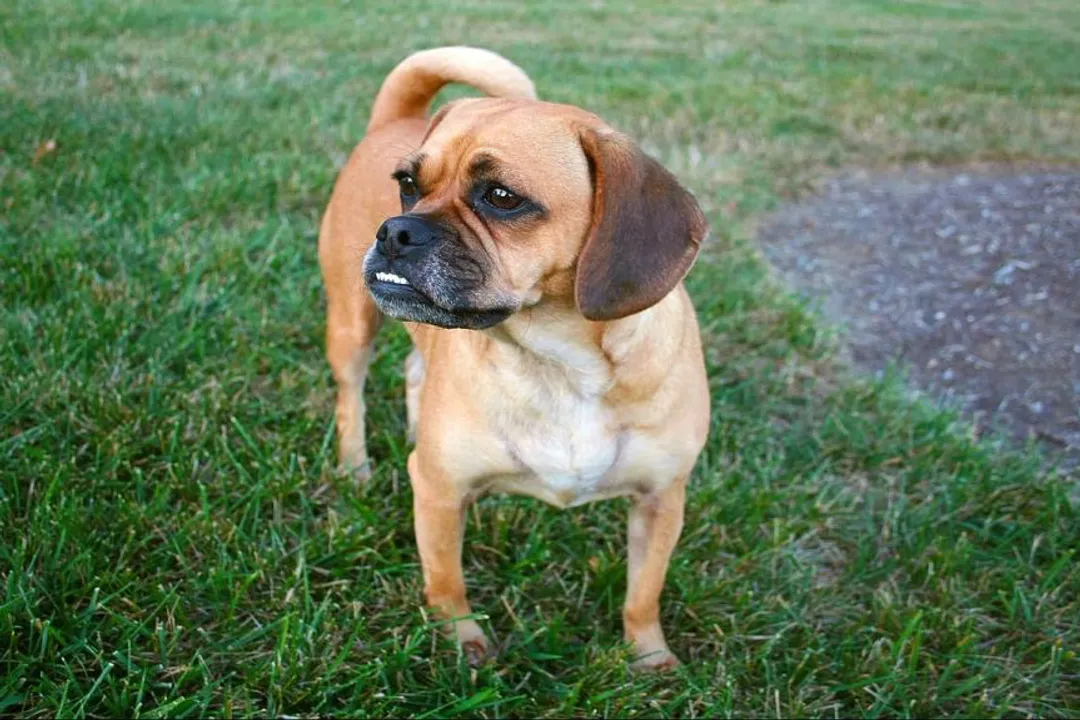
The decision to bring a Puggle into one’s life is often driven by the appealing promise of a charming, medium-sized companion that blends the best traits of the affectionate Pug and the spirited Beagle. However, as with any crossbreed, there is a spectrum of outcomes, and prospective owners must approach this charming mix with clear eyes regarding the potential drawbacks. While the concept of "hybrid vigor" suggests improved health, the reality is that a Puggle can inherit a complex set of predispositions from both parent lines, often requiring more vigilance than anticipated. [4]
# Inherited Health Risks

Because the Puggle is not an officially recognized breed, it lacks a standardized health screening protocol, meaning genetic weaknesses from both parent breeds can manifest. [2][4] This blending means owners must be prepared for issues common to Pugs, Beagles, or both.
One area of significant concern is orthopedic health. Both parent breeds are susceptible to joint problems. [4] Hip dysplasia, a malformation of the hip joint leading to arthritis and mobility struggles, can appear, showing up as limping or reluctance to jump. [3][4] Equally concerning is patellar luxation, where the kneecap slips out of its groove, a condition more frequently seen in smaller dogs like the Pug and Beagle. [4] Owners might notice a characteristic "bunny-hopping" gait if this is present. [3]
Beyond the joints, systemic and neurological risks exist. From the Pug lineage, there is a risk of Necrotizing Meningoencephalitis (NME), a severe, progressive, and typically fatal inflammatory brain disease. [4] Furthermore, Puggles can inherit congenital heart diseases, such as valve malformations. [1] The Beagle side introduces susceptibility to autoimmune thyroiditis, which leads to hypothyroidism, a condition that slows metabolism and often requires lifelong hormone replacement therapy. [1][4]
A unique challenge arises from the differing facial structures of the parents. When a shorter muzzle (Pug) is crossed with a normal muzzle (Beagle), the resulting offspring can sometimes exhibit jaw malocclusions, presenting as an underbite that may cause discomfort. [2] Furthermore, the general tendency toward obesity in both parent breeds is easily inherited, which then exacerbates any underlying joint stress or respiratory difficulties. [1][3]
A comparative look at potential inherited conditions highlights the unpredictable nature of this cross:
| Health Concern | Primary Parent Source | Primary Symptom Indicators |
|---|---|---|
| Brachycephalic Issues | Pug | Labored breathing, heat intolerance, snoring [3][4] |
| NME (Encephalitis) | Pug | Seizures, lack of coordination [4] |
| Hypothyroidism | Beagle | Lethargy, weight gain, dull coat [4] |
| Musladin-Lueke Syndrome | Beagle | Stiff skin, reduced joint mobility [4] |
| Hip Dysplasia/Luxation | Both | Limping, stiffness after rest [3][4] |
| Eye Proptosis/Cherry Eye | Both (different manifestations) | Eye protrusion or inflamed tear duct [4] |
# Respiratory Strain and Heat
The Pug is the archetypal brachycephalic breed, characterized by a flattened face that predisposes them to a cluster of issues collectively known as Brachycephalic Airway Syndrome. [1][4] This syndrome can manifest as loud breathing, snoring, reverse sneezing, and, in severe cases, tracheal collapse. [3] While the Beagle influence usually results in a longer muzzle for the Puggle, offering a degree of relief, it is far from a guarantee. [4] Some Puggles will still inherit enough Pug structure to suffer from compromised airways. [2][4]
The danger of respiratory compromise is most acute when the dog is stressed or overheated. Because they struggle to cool themselves efficiently through panting, Puggles are notoriously sensitive to high temperatures. [3] An energetic Beagle side might motivate the dog to play hard, pushing them beyond what their lungs can safely handle, leading to rapid distress. [3] For owners in warmer climates, managing this risk becomes a daily consideration; providing constant access to shade, cool water, and avoiding intense midday exercise is essential for their safety. [1][3]

# Temperament Hurdles
While Puggles are often described as affectionate and loving, their behavioral challenges stem directly from balancing the Pug's companion nature with the Beagle's scent-hound instincts. [1][5] The Beagle side often brings a stubborn streak and a very vocal nature. [1] This can translate into frequent barking or howling, which owners must address early through consistent training. [1][4]
A significant management hurdle involves their nose. Beagles were bred to follow scents independently, and this drive can easily override the Puggle’s desire to please its owner. [2][5] An interesting scent on a walk can instantly sever the connection between dog and owner, making reliable recall training a continuous, lifelong practice rather than a finished skill. [5] Owners must commit to keeping them securely leashed or within high-fenced areas when outdoors, as their burrowing and digging habits are also often inherited. [1]
Furthermore, Puggles are social dogs that crave companionship and do not fare well when left alone for extended periods. [4] Unmet needs due to isolation can result in destructive behaviors like excessive chewing, house soiling, or escalated noise. [4] It is common for them to combine the drive of a Beagle with the physical limitations of a brachycephalic dog, leading to a conflicted, sometimes confused, and potentially frustrated dog if their exercise needs cannot be met safely. [2] Successfully managing a Puggle often means investing significant time not just in physical exercise, but also in structured mental engagement through training and puzzle-solving. [5]
# Upkeep and Maintenance
Owners hoping for a truly low-maintenance coat will likely be disappointed. Despite possessing short fur inherited from both parents, Puggles are known to be moderate to heavy shedders, often blowing their coats heavily during seasonal changes. [3][5] While their coat care is simple—a weekly brush usually suffices—the upkeep extends to other areas.
If the dog inherits the wrinkles from the Pug side, these folds become maintenance hotspots. Moisture, food debris, and dirt can accumulate in these creases, creating an ideal environment for bacterial growth, resulting in irritation or painful skin infections. [3][4] This requires diligent daily cleaning with a damp cloth, followed by thorough drying. [4] A related, common issue is the tendency for ear infections, especially given the Beagle's inclination toward outdoor sniffing and exploration, which drives dirt and allergens into their floppy ear canals. [3][4]

# The Designer Dilemma
One of the most critical cons facing potential Puggle owners relates not to the dog itself, but to its sourcing. Because the Puggle is a crossbreed created for popularity rather than recognized standards, the industry surrounding them is often unregulated. [2] Breeders of these "designer dogs" are sometimes accused of prioritizing profit over proven health testing. [2]
When seeking a Puggle, buyers must investigate breeder practices closely. Reputable sources suggest taking claims from Puggle-specific clubs with caution, as major kennel clubs do not recognize the cross, meaning there is no official standard to uphold. [2] This lack of standardization means an owner might receive a dog that leans heavily toward one parent, resulting in extreme variability in appearance, temperament, and health profile; one dog might look like an athletic Pug, while another resembles a Beagle with a slightly shorter face. [1][5] For instance, if a buyer is seeking to avoid severe brachycephalic issues, there is no guarantee the puppy they receive won't exhibit them, despite the longer muzzle of their sibling. [2]
To mitigate the risk of supporting poor breeding practices that amplify inherited issues, many experienced dog owners suggest focusing on rescues or shelters when looking for a Puggle. [2] Adopting an adult or older puppy allows you to see the established traits—their actual height, muzzle length, and energy level—rather than relying on a breeder's promise of what a first-generation cross might become.
Understanding the genetics involved is key to preparing for ownership. While hybrid vigor can result in a marginally healthier dog, the immediate effect of mixing two inbred purebreds is often the introduction of a wider array of potential genetic pitfalls, rather than the guaranteed elimination of existing ones. [2] An owner needs to be financially and emotionally prepared for vet bills related to any combination of Pug or Beagle hereditary weaknesses, as these issues do not simply disappear because the dog has a mixed pedigree. [1] The unpredictability means that long-term planning must account for needs ranging from joint care to specialized dermatological attention, depending on which parent's genetic expression dominates the dog's structure. For example, while the Pug parent often brings wrinkles, the Beagle parent brings a drive that demands more intense, focused mental work than a typical lap dog requires. The failure to provide this dual attention—physical stimulation and scent-based engagement—is a common source of owner frustration and behavioral fallout.
When setting up a home environment for a new Puggle, it is wise to establish a dual-purpose routine immediately. Instead of relying solely on a backyard, structure daily activity around leash work that incorporates scent games—like find the treat—to satisfy the Beagle drive, coupled with short, high-value training bursts to solidify the bond with the Pug's desire to please. [5] If you cannot commit to this level of engagement, the high energy combined with stubbornness will quickly lead to a dog whose vocal tendencies become problematic within a quiet neighborhood setting. This active management of inherited drives is a continuous commitment that outweighs the convenience of their manageable grooming schedule for most of the year. [3]
Related Questions
#Citations
[Discussion]What health risks do puggles generally face? : r/dogs
Puggle Dog Breed Health and Care - PetMD
Potential Problems with the Puggle Dog: Health & Care Guide
Puggle Owners Guide: From Puppy to Adventure Dog - Rubyloo
Puggle Breed Information - MetLife Pet Insurance