What two breeds make a Goldador?

The pairing of two of the world's most beloved dog breeds results in the Goldador, a designer mix that captures the best of both worlds for many families and working organizations. This popular crossbreed is the progeny of mating a purebred Golden Retriever with a purebred Labrador Retriever. [1][3] The intentional mixing of these two breeds, which occurred within the last decade or so, aimed to produce a supremely capable working dog that also maintained an exceptionally friendly and tolerant disposition. [2][3] Organizations that specialize in training guide dogs and assistance animals frequently utilize the Goldador because of this successful blend of intelligence and sensitivity. [3]
# Ancestral Traits
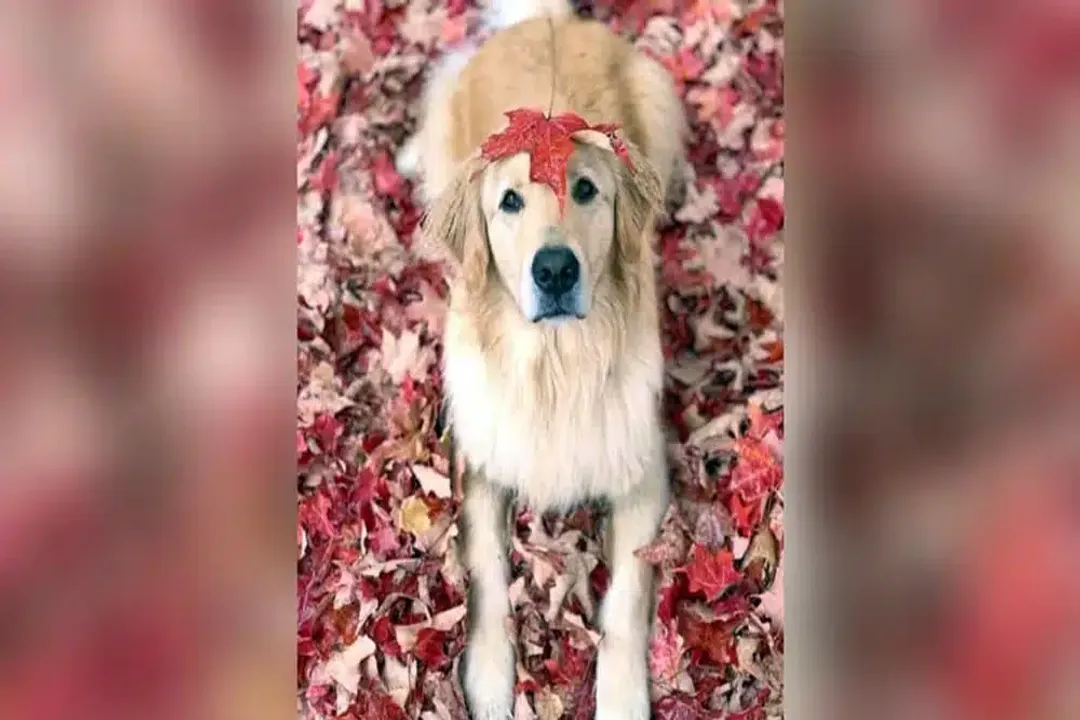
Understanding the Goldador requires looking closely at its popular and storied parents. Both the Labrador Retriever and the Golden Retriever were originally developed as retrieving dogs, originally stemming from the St. John's water dog, which made them exceptional swimmers and retrievers for fishermen and hunters. [2] This shared history provides a strong foundation for the Goldador's characteristic enthusiasm for activity and love of carrying objects. [2]
The Labrador Retriever lineage contributes traits like sturdiness and a drive to please, often resulting in a more laid-back temperament when compared solely to a Golden Retriever. [1] Conversely, the Golden Retriever brings its renowned affectionate nature and cheerfulness to the mix. [1] When combined, the result is a dog that is generally described as loving, intelligent, cheerful, loyal, and deeply social. [1] Because both parent breeds rank highly in intelligence—the Golden Retriever being the fourth-most intelligent and the Labrador close behind at seventh—the Goldador inherits significant mental capacity. [2] This high intelligence, coupled with a genuine eagerness to make their owners happy, is precisely why they excel in roles ranging from therapy work to bomb detection. [2][3]
# Appearance Variability
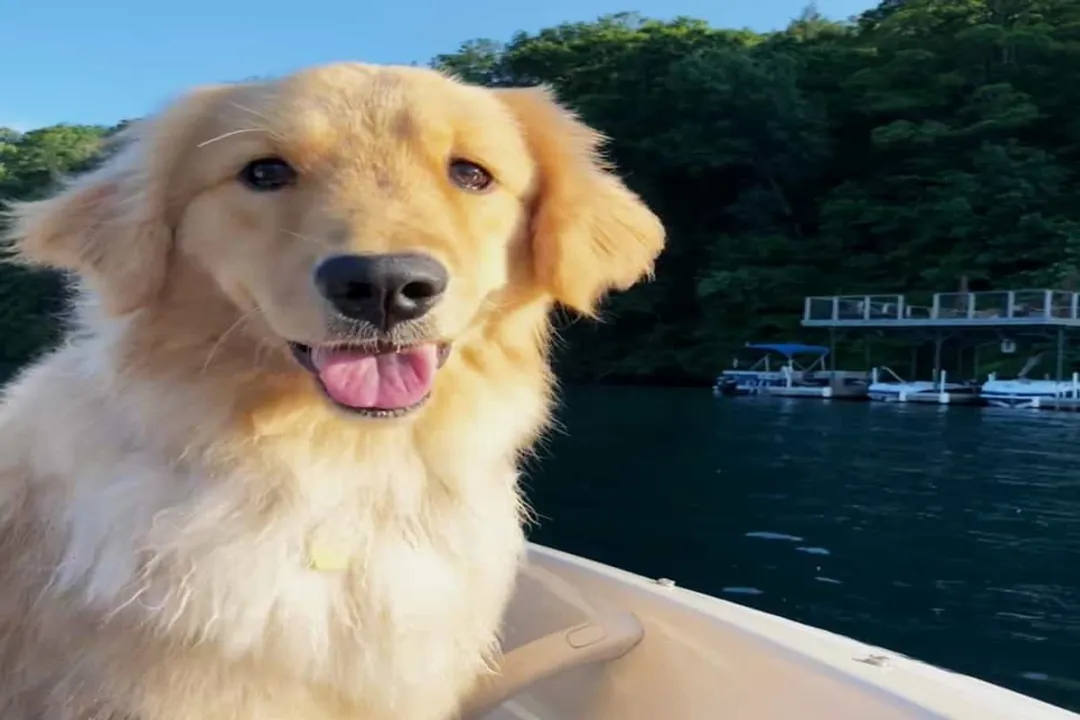
One of the defining characteristics of a designer mix like the Goldador is the inherent variability in their appearance. Since they result from crossing two distinct purebreds, a single litter can display a wide spectrum of physical traits, making them look more like one parent than the other. [2]
# Size and Build
As both parent breeds are classified as large dogs, the Goldador puppy will not remain small for long. [1] A fully grown Goldador typically stands between 21 to 25 inches at the shoulder and weighs in the range of 55 to 80 pounds, with females generally being slightly smaller than males. [1] They usually inherit the sturdy, well-proportioned build typical of the Retriever group. [1]
# Coat Complexities
The coat is perhaps the most unpredictable aspect due to the complexities of genetic inheritance. [2] Both parent breeds possess a double coat—a dense undercoat and a protective, water-resistant topcoat—which helps them perform well in the water. [2]
The potential colors span the spectrum seen in both parent breeds, meaning a Goldador can be black, yellow, cream, brown (liver), or gold. [1][3] If an English Cream Golden Retriever is crossed with a White English Lab, the resulting puppies are predictably creamy white or golden yellow because the dark color genes are absent. [2] However, if the lineage includes darker colors, the expression depends on dominant and recessive genes. [2] For instance, black coloration is generally dominant; if a Goldador exhibits a lighter coat, it means the gene for that color was present recessively in one or both parents or grandparents. [2]
A subtle yet important distinction lies in the feathering of the fur. Golden Retrievers have characteristic feathering on their legs, neck, tail, and ears, which Labs do not possess. [2] A Goldador that inherits more of this trait will require more consistent grooming and trimming to manage this longer fur, even if the rest of their coat is shorter like a Labrador's. [2] If you are anticipating a Goldador, expect to see a mix of coat lengths and densities, requiring a versatile grooming approach. [1][2]

# Life with a Goldador
Welcoming a Goldador into the home is signing up for a commitment involving significant attention, activity, and routine maintenance. They thrive in environments where they are considered an active member of the family and are ill-suited to being left in solitude for long periods. [1][2]
# Activity Demands
The active temperament inherited from both sides dictates a substantial exercise requirement. Most sources suggest a minimum of one to two hours of vigorous physical activity every day. [1][3] If this daily commitment is not met, this intelligent, energetic dog can easily turn to destructive behaviors, such as excessive chewing or nuisance barking. [1][2]
Given their history as water dogs, activities like swimming are ideal, offering exercise while providing necessary mental engagement and bonding time. [1] Other excellent outlets include hiking, games of fetch (being mindful of their retrieving instinct to bring things back, not just grab them), and even sports like Dock Diving. [1]
A Note on Joint Health and Exercise Intensity: Considering that large breeds, including both parent lines, are prone to hip and elbow dysplasia, owners should prioritize low-impact exercise routines, especially during puppyhood when rapid growth can strain developing joints. [2] While two hours of activity is necessary, consider structuring this time. For instance, one hour could be a brisk walk or hike, and the second hour could be dedicated to swimming or structured play in a safe, fenced yard. This interval approach maximizes energy expenditure while minimizing repetitive, high-impact jarring on the hips and elbows, a practical application of their known health vulnerabilities. [2]
# Training and Socialization
The Goldador's intelligence makes training relatively straightforward, as they are eager to please. [1] However, their intelligence also means they learn undesirable habits just as quickly as good ones, making consistent, early training essential. [3]
Key training considerations include:
- Start Early: Training should begin immediately, particularly addressing their inherent mouthing and chewing habits, stemming from their retrieving background. [1][2] They may try to pick up anything they find, so redirecting this instinct onto appropriate toys is critical before they gain adult strength. [1]
- Positive Reinforcement: Being sensitive dogs, positive methods work best; punishment-based training can lead to fear rather than respect. [1] They adore praise and treats, making reward-based consistency highly effective. [2]
- Socialization Window: Early and thorough socialization with various people, pets, and situations is imperative in the first few months of life. Without it, a Goldador can become nervous or socially awkward around newcomers. [1][2]
- Mental Stimulation: To prevent boredom-induced aggression or chewing, they require mental workouts alongside physical ones. [1] Activities like obedience training or learning complex tricks help occupy their smart minds. [1][3]
# Grooming Expectations
The double coat necessitates a regular grooming schedule. Since both parents shed year-round, the Goldador will also shed moderately, with heavier "blowouts" occurring in the spring and fall as they prepare for temperature changes. [2]
Grooming requirements vary based on which coat the puppy inherits: [1]
- If the coat is short, like a Labrador's, brushing twice a week might suffice for normal shedding. [1]
- If they inherit the longer, feathered coat of a Golden Retriever, brushing three to four times a week is recommended throughout the year. [1]
Regardless of length, daily brushing during peak shedding seasons is advised to capture loose hair before it scatters throughout the house. [2] It is important never to shave a double-coated dog, as this can irritate the skin and interfere with the coat's natural insulating properties. [2] Routine ear cleaning is also necessary, as their floppy ears make them more susceptible to infections. [1]
# Health Considerations
A primary advantage sought in mixing breeds is the potential to dilute or eliminate specific hereditary health issues present in the purebred lines—this is most likely in a first-generation (F1) cross. [3] However, owners must remain aware of potential issues common to both Retrievers.
Breeders focused on health should provide proof of health clearances for both parents, especially concerning joints and eyes. [1] Common concerns include:
- Hip and Elbow Dysplasia: A condition common in large breeds where the joints do not fit correctly, leading to pain and arthritis later in life. [1][2] Maintaining a healthy weight and managing growth rate via quality food can help mitigate this risk. [2]
- Obesity: Both parents are known for their voracious appetites, with Labrador Retrievers sometimes lacking the gene that signals satiety, meaning they will eat whenever food is available. [2] This necessitates strictly controlled meal schedules rather than free-feeding. [2]
- Eye Conditions: They can inherit issues like Cataracts or Progressive Retinal Atrophy (PRA). [1]
Because the Goldador is a newer cross, long-term data, particularly regarding cancer risk (which is notably high in purebred Golden Retrievers), is still developing. [2] Selecting a puppy from a breeder who screens parents for these known conditions is the best defense against inheriting severe issues. [1]
The Reality of Designer Breed Pricing: While the average price for a Goldador puppy might be cited around $$1,300$, be wary that this figure often represents a price point from less scrupulous sources. [1] A reputable breeder who invests in comprehensive health testing, genetic research on the dam and sire lineage, early socialization, and potentially health guarantees for their F1 crosses will naturally charge a premium, often exceeding that baseline figure. [1] Understanding that responsible breeding carries a higher initial cost is an essential part of responsible ownership, as cutting corners on initial health screening often results in significantly higher veterinary bills down the road. [1][2]
# Ideal Placement
The Goldador’s temperament makes it an excellent fit for a wide array of families, provided the family's lifestyle matches the dog’s needs. They are widely regarded as wonderful family dogs because they are naturally gentle and enjoy the company of children, though supervision is always required given their large size around toddlers. [1][3] They tend to greet everyone, including strangers, with affection, which disqualifies them as effective guard dogs—they are more likely to escort an intruder to the treat cupboard than sound a significant alarm. [1]
This breed requires a home that values interaction. They are deeply people-oriented and do not cope well with prolonged isolation. [1] A family that is active, enjoys spending time outdoors, and wants a companion willing to participate in daily activities—whether a long walk, a swim, or training sessions—will find the Goldador to be a devoted and joyful member of the household. [1][3] They are generally good with other pets, especially when raised alongside them. [1] The Goldador is, by design, a dog meant to work alongside and be integrated with its human family. [3]
Related Questions
#Citations
What is a Goldador? | Snowy Pines
Goldador Dog Breed Information - Purina Arabia
Golden Retriever Lab Mix Reviewed - Alpha Paw