What is the difference between a Golden Retriever and a Goldador?
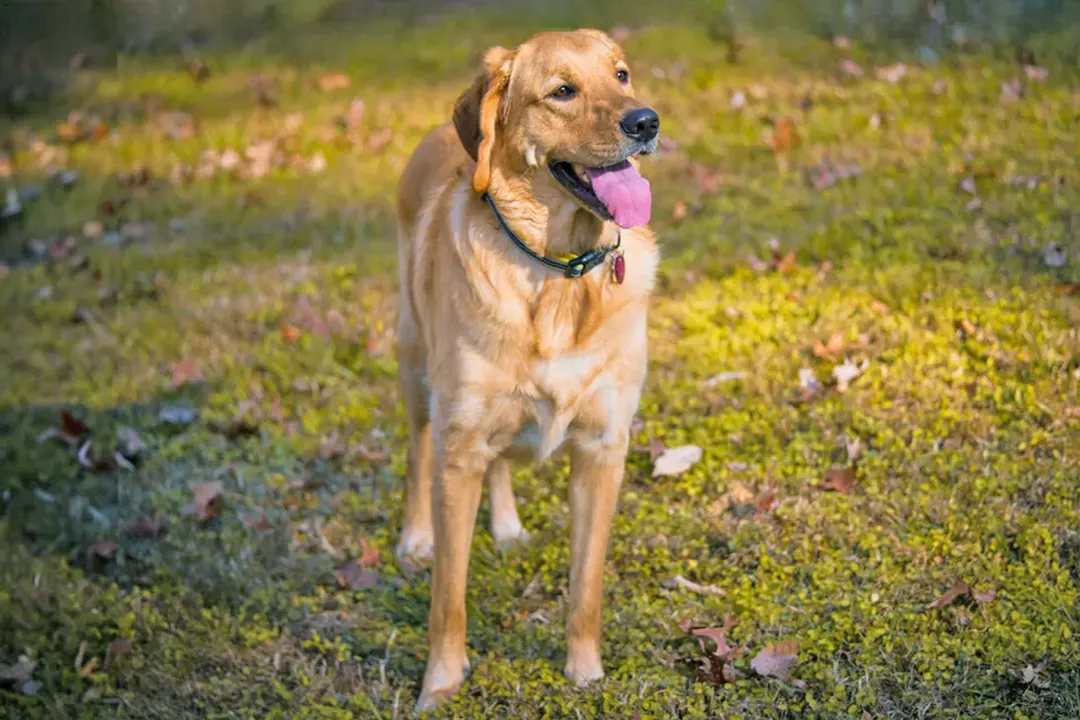
The charm of the classic retriever—that eager-to-please attitude wrapped in a gorgeous, water-repellent coat—is undeniable, which is why both the purebred Golden Retriever and the popular mixed breed, the Goldador, attract so many families looking for a devoted companion. When you see a big, friendly, golden-hued dog, the immediate question for many is how to tell the two apart, especially since the Goldador is a direct cross between a Golden Retriever and a Labrador Retriever. [2][4] The difference isn't just about pedigree papers; it affects everything from predictability in appearance to potential health outcomes.
# Pure Status
The most fundamental distinction lies in recognized lineage. The Golden Retriever is a well-established, recognized breed with centuries of history, originally developed in the Scottish Highlands during the mid-19th century to be an adept waterfowl retriever. [2] They adhere to a strict breed standard set by kennel clubs worldwide, meaning their appearance, temperament, and size are highly predictable generation after generation. [2]
The Goldador, conversely, is a hybrid or a designer crossbreed, resulting from intentionally breeding a purebred Golden Retriever with a purebred Labrador Retriever. [2][4] This mix is relatively new, gaining traction primarily because both parent breeds are among the most popular dogs globally, known for their gentle dispositions. [2] Because the Goldador is a first-generation cross (F1) or subsequent generation mix, it is not recognized by major kennel clubs like the American Kennel Club (AKC). [2] This means that while a Golden Retriever's traits are guaranteed by its lineage, a Goldador’s traits are a blend, leading to more variation within litters. [2][4] Some Goldadors may look exactly like a Golden, while others lean heavily toward the Labrador appearance. [1]
# Physical Traits

Visually separating a purebred Golden Retriever from a Goldador can be difficult, sometimes requiring a genetic test or a clear pedigree history. [1] Both breeds share a similar medium-to-large frame, robust build, and a friendly expression. [2]
# Coat Differences
The coat is often the most telling feature, though variability exists in the Goldador. Golden Retrievers possess a dense, water-repellent double coat that can be flat or moderately wavy. [2] They typically have significant feathering on the neck, legs, and tail. [2] Their color range is specific: various shades of rich, lustrous gold or cream. [2]
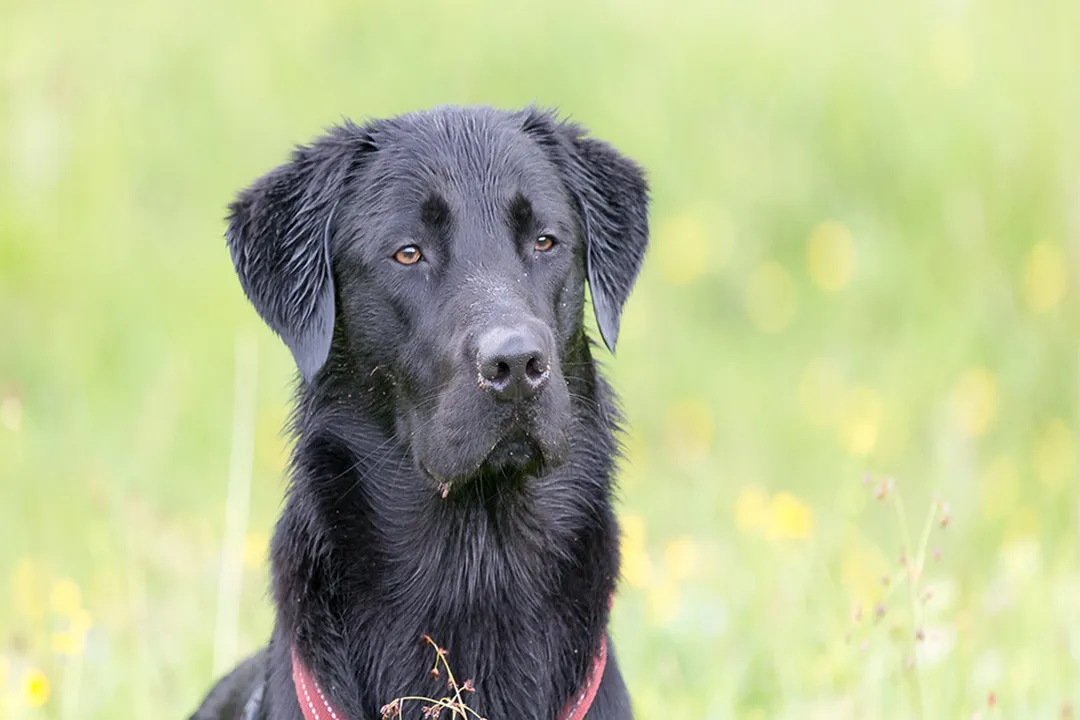
Goldadors inherit coat traits from both parents. They might display the Lab's shorter, denser, and straighter coat, or they might exhibit the longer feathering characteristic of the Golden. [2][4] In terms of color, a Goldador can also present in black, chocolate, or yellow, depending on the Labrador parent’s coloring, though many owners seek the golden shade. [2] If you see a dog that looks exactly like a Golden Retriever but lacks official registration, it might simply be a Goldador whose genetics heavily favored the Golden parent's expression. [1]
# Size and Build
Both dogs generally fall into a similar size bracket. A purebred Golden Retriever male typically weighs between 65 and 75 pounds and stands 23 to 24 inches tall at the shoulder. [2] Females are slightly smaller. [2]
Goldadors share this general size range, often weighing between 55 and 80 pounds and standing 21.5 to 24 inches tall. [2] However, the head shape can offer a clue. A purebred Golden often has a broader skull and a more pronounced stop (the angle where the muzzle meets the forehead) compared to the slightly more streamlined head often seen in Labs, and by extension, some Goldadors. [2] Observing a dog's overall body structure—whether it leans toward the sturdy, slightly rectangular build of a Golden or the slightly more athletic, less heavily feathered look of a Lab—can provide hints about its heritage. [2][4]
Here is a quick summary of the expected physical spectrum:
| Feature | Golden Retriever (Purebred) | Goldador (Hybrid) |
|---|---|---|
| Recognition | Fully recognized by major clubs | Not recognized as a distinct breed |
| Coat Length | Medium to long, feathered | Highly variable; short like a Lab or feathered like a Golden |
| Color Range | Shades of gold/cream only | Black, chocolate, or yellow (from Lab influence) |
| Predictability | Very high adherence to breed standard | High variability in appearance |

# Temperament and Personality

Both parent breeds are famous for their intelligence, eagerness to please, and friendly nature, making both the Golden Retriever and the Goldador excellent family pets. [2][4] The difference here lies in the consistency of these traits.
# Golden Predictability
A well-bred Golden Retriever typically matures with a reliably gentle, patient, and devoted temperament. [2] They are often seen as the quintessential family dog, excellent with children and generally amiable toward strangers and other pets. [2] Their intelligence makes them highly trainable, thriving on positive reinforcement and retrieving games. [2]
# Goldador Variability
Because the Goldador is a mix, its personality is a roll of the genetic dice, potentially blending the distinct characteristics of both parents. [2][4] You might get a dog that has the slightly calmer, more reserved demeanor of some purebred Goldens, or one that possesses the sometimes more boisterous, high-energy enthusiasm of a Labrador. [2]
One significant consideration for prospective owners is the drive level. While both breeds are energetic and require significant daily exercise, some Goldadors may exhibit a slightly higher working drive inherited from their parents, demanding more structured activity than a slightly more laid-back Golden might require. [2] When researching a Goldador, understanding the temperament of the specific parents is more critical than relying on a general breed standard, as the genetic contribution can skew heavily toward one side or the other. [1] In many cases, Goldadors retain the high sociability of both parent breeds, meaning they bond deeply with their families and usually do not make good guard dogs, preferring to greet intruders with a wagging tail. [4]
If you observe a Goldador exhibiting very pronounced, specific traits—say, an extreme, almost relentless desire to fetch for hours, or conversely, a pronounced sensitivity to loud noises—it often signals a stronger genetic expression from one of the parent lines dominating the mix. [2]
# Health and Lifespan
Both Golden Retrievers and Labrador Retrievers are generally robust dogs, but they share certain predispositions, particularly towards hip and elbow dysplasia, and certain heart conditions. [2]
Golden Retrievers are unfortunately known for higher rates of certain cancers, such as hemangiosarcoma and lymphoma. [2] A key benefit often cited for designer mixes like the Goldador is the potential for hybrid vigor, the theory that mixing two genetically diverse bloodlines can result in a healthier dog with fewer inherited predisposition risks than either purebred parent. [2] While not guaranteed, a Goldador might statistically have a lower incidence of the cancers that plague the pure Golden line, provided the Labrador parent line is healthy. [2]
Generally, both types of dogs have similar lifespans, usually ranging from 10 to 12 years. [2] However, the Goldador's lifespan can sometimes edge slightly longer, into the 12 to 13-year range, depending on the dominant genetic expression and the overall health of the specific cross. [2] When acquiring a Goldador, it becomes even more crucial to ask the breeder for the health clearances (OFA scores for hips/elbows, cardiac testing) for both the Golden Retriever parent and the Labrador Retriever parent, as you are essentially doubling the required screening documentation. [4]

# Maintenance Needs
The day-to-day care for a Golden Retriever and a Goldador are very similar, revolving around their high intelligence and energy levels.
# Exercise Requirements
Both dogs are high-energy working breeds that require significant daily physical activity, generally at least an hour or more of vigorous exercise. [2] They thrive on activities that engage both their bodies and minds, such as long walks, swimming (which both breeds typically adore), and retrieving games. [2][4] A dog that only receives moderate daily walks risks becoming bored, which can lead to destructive behaviors like chewing or excessive barking. [2]
# Grooming Demands
Grooming needs are heavily influenced by the coat type inherited by the Goldador. A Golden Retriever requires regular brushing—several times a week—to manage shedding and prevent matting in its longer feathering. [2] A Goldador with a shorter, denser coat inherited from the Labrador side might only need weekly brushing. [2][4] Both will shed moderately to heavily year-round, with significant "blow-outs" of the undercoat twice a year. [2]
# Training Focus
Both types are highly trainable due to their intelligence and desire to please. [2] However, prospective owners should note that the Golden Retriever is often considered slightly easier to train in foundational obedience due to its strong focus on the handler. [2] If a Goldador inherits more of the Lab’s occasional stubborn streak or high distractibility when young, early, consistent, positive reinforcement training is essential to channel that energy productively. [2]
# Making the Choice
Deciding between the predictable perfection of a purebred Golden Retriever and the unique potential of a Goldador often comes down to a trade-off between consistency and novelty.
If absolute predictability in temperament, coat type, and appearance is paramount—perhaps for a service dog prospect or a first-time owner prioritizing known outcomes—the purebred Golden Retriever, purchased from a reputable breeder adhering to breed standards, is the safer bet. [2] You are investing in centuries of selective breeding for specific traits. [2]
If you are drawn to the idea of a truly unique companion, one that blends the best qualities of two wonderful breeds, and you are prepared to manage a wider spectrum of potential traits, the Goldador is appealing. [4] A crucial element in this decision-making process, which sometimes goes unmentioned when discussing designer mixes, is the responsibility level of the breeder. A reputable Golden Retriever breeder will screen extensively for genetic markers tied to the breed. When seeking a Goldador, the breeder must demonstrate they are performing equivalent health testing on both parent lines, as the "hybrid" label does not absolve them of the responsibility to screen for hip dysplasia, eye conditions, and cardiac issues inherent to both Goldens and Labs. [4]
When you look at two dogs side-by-side—one registered, one not—the one without papers isn't inherently worse; it simply offers a different proposition. The purebred is a known commodity based on written standards; the Goldador is a genetic lottery that often yields a fantastic dog but requires the owner to be slightly more adaptable and focused on general retrieving breed needs rather than specific breed requirements. [1][4] For many families, the slightly softer, less demanding grooming of a Lab-dominant Goldador, combined with the Golden's sweet disposition, hits the perfect balance for their lifestyle. [2]
It is interesting to consider how temperament manifests across generations in a crossbreed like this. While an F1 Goldador (direct cross) presents the highest variability, if you look at a second-generation Goldador (a Goldador bred to another Goldador, or perhaps back to a purebred), the consistency starts to increase, but the defining "hybrid vigor" might slightly decrease as the gene pool narrows toward the established parent types. [1] This is a subtle point: the most unique mix is usually the first cross, but subsequent crosses can sometimes stabilize desired traits slightly faster than waiting for a purebred line to develop them naturally.
Ultimately, whether you choose the established heritage of the Golden Retriever or the exciting potential of the Goldador, you are choosing a dog renowned for loyalty, intelligence, and an unending capacity for affection. [2][4]
#Videos
Goldador Dogs 101: Golden Retriever and Labrador Retriever Mix
Related Questions
#Citations
Is my dog a golden or a goldador? : r/goldenretrievers - Reddit
Golden Retriever vs Goldador » Complete Breed Comparison
Goldador Dog Breed Information | Purina UK
Goldador Dog - A Complete Guide To The Golden Retriever Lab Mix
Goldador Dogs 101: Golden Retriever and Labrador Retriever Mix
Is a Goldador Right for You? - Adopt a Pet
Doradoodle vs. Goldador: Which Pup Is Right For You?
Is my dog a Goldador? (Lab x Golden Retriever)