What are the ancestors of Yorkie poos?

The Yorkie Poo, a highly sought-after companion dog, gets its entire identity from its two distinct parent breeds: the Yorkshire Terrier and the Poodle. [1][3][8] This delightful mix belongs to the category of designer dogs, meaning it is intentionally bred from two purebred lines rather than evolving naturally as a recognized breed. [4][7][9] Understanding what makes up this hybrid requires taking a close look at the history and characteristics brought by both the Terrier and the Poodle side of the family tree. [1]
# Designer Status

Being a crossbreed means that the Yorkie Poo does not adhere to the strict standards of a kennel club breed, which can result in a wide spectrum of appearances and temperaments in any given litter. [4] The primary goal of breeding a Yorkie Poo is usually to combine the appealing looks and manageable size of the Yorkie with the celebrated intelligence and often low-shedding coat associated with the Poodle. [1][5] Because this dog results from mixing two established purebreds, every individual puppy carries genetic contributions from both sides, though the exact ratio can vary. [4]
# Yorkshire Roots
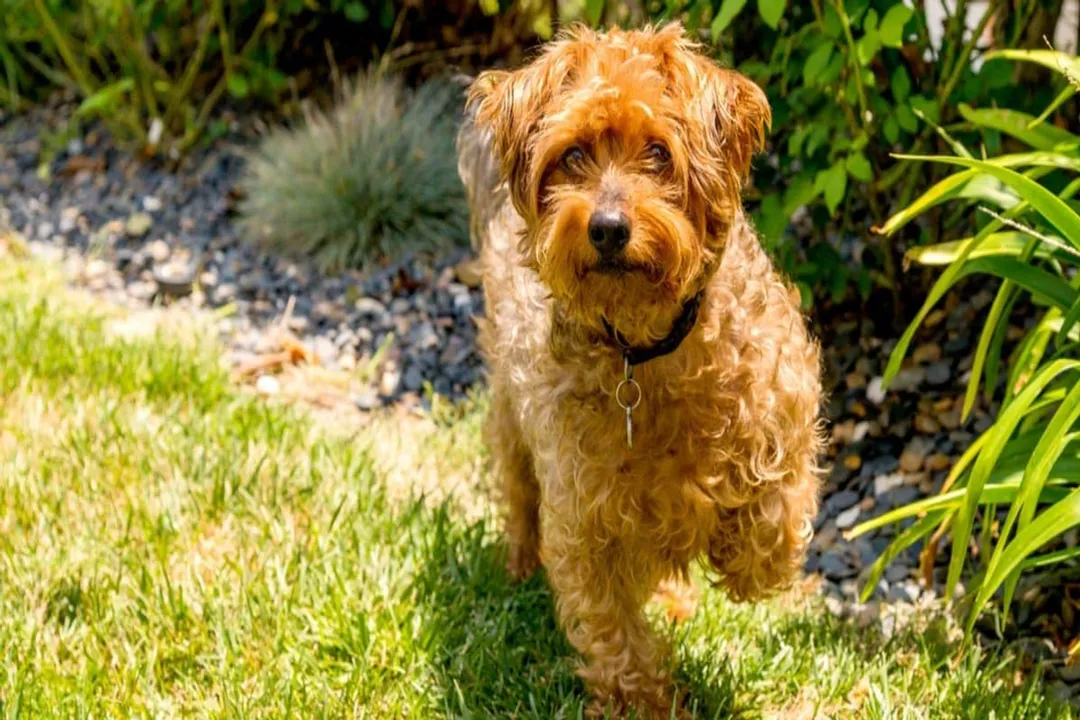
The Yorkshire Terrier provides the compact stature and the spirited personality often seen in the mix. [1] Originating in Yorkshire, England, during the mid-1800s, the Yorkie's initial purpose was far removed from that of a cuddly lap dog. [1][5] These small dogs were instrumental in controlling vermin, particularly rats, in the clothing mills and coal mines of the region. [1] This working background is often reflected in the modern Yorkie Poo through a tenacious spirit and notable alertness. [1]
Yorkies are known for their fine, silky coat, which historically required significant grooming. [5] When bred into a Yorkie Poo, the coat type inherited from the Yorkshire Terrier side can sometimes result in a coat that sheds more than expected, depending on how strongly the Poodle genes express themselves in that particular dog. [1] Their historical role as a working terrier means that even a tiny Yorkie Poo often possesses a big-dog attitude, which new owners should be prepared for. [1]
# Poodle Parentage

The other half of the equation comes from the Poodle, a breed with a rich, albeit sometimes misunderstood, history. [1][5] Despite their often pampered modern appearance, Poodles were originally water retrievers, developed to work in the water. [5] This background contributes the renowned intelligence that makes Poodles highly trainable. [1][3]
Crucially for the Yorkie Poo generation, Poodles come in three recognized sizes: Standard, Miniature, and Toy. [1] For a successful cross with a small dog like the Yorkshire Terrier, breeders almost exclusively use the Toy Poodle or, less frequently, the Miniature Poodle. [1][5] The size of the Poodle parent is a major determinant of the final size of the resulting Yorkie Poo puppy. [1] A Toy Poodle parent will yield a smaller mix, while a Miniature Poodle might result in a slightly sturdier and larger adult dog. [5] The Poodle line is also responsible for the often-desired hypoallergenic qualities, as their hair grows continuously rather than shedding seasonally. [1]
# Genetic Blending

The actual cross between a Yorkshire Terrier and a Poodle is often referred to as an F1 generation if both parents are purebreds. [4] This first-generation cross typically results in the most unpredictable mix of traits, as the genetics have not been stabilized over many generations. [4] Owners should expect variability in coat texture, color, and overall physical structure. [1] For instance, coat color might range from black and tan (Yorkie colors) to cream, apricot, or even parti-colors depending on the Poodle coloring involved. [5]
One area where parental influence is always noticeable is in the temperament. If a litter carries a strong lean toward the Terrier lineage, the resulting dogs might be more independent or possess a higher prey drive than those leaning toward the Poodle's desire to please. [1] Conversely, a stronger Poodle influence often translates to higher trainability and a more consistent desire for companionship. [5]
When considering potential grooming needs, which are often a deciding factor for potential owners, the blend of ancestry plays a direct role. If the resulting coat is wavy or curly like a Poodle’s, it will require near-daily brushing to prevent painful matting. [1] If it leans more toward the straight, silky texture of the Yorkie, it may still tangle easily, especially if the dog inherits the coarser furnishings often found on terriers. [1] Recognizing that no hybrid is guaranteed to have a specific coat type means that prospective owners need to budget time and resources for rigorous maintenance, regardless of which ancestor's genes seem dominant in their puppy’s appearance. [1]
# Inherited Traits
The goal of uniting these two breeds is to create a charming companion dog, and the combined traits generally produce a dog that is affectionate, intelligent, and highly devoted to its family. [1][3][5]
Here is a look at the general inheritance patterns:
| Trait | Influencing Ancestor | Typical Contribution |
|---|---|---|
| Intelligence | Poodle | High capacity for learning commands [3][5] |
| Size | Both (Poodle size variable) | Small to very small overall stature [1] |
| Energy Level | Both | Moderate to high, needs daily activity [1] |
| Grooming | Poodle dominant = Low shed; Yorkie dominant = More shedding | Coat texture highly variable [1] |
| Vocalization | Yorkshire Terrier | Tends toward alertness and barking [1] |
The intelligence passed down from the Poodle lineage, combined with the terrier drive, suggests a dog that needs mental engagement just as much as physical exercise. [3] A common pitfall for owners of small breeds is underestimating their need for stimulation, but with the Poodle's mental aptitude, this small dog can become bored quickly without puzzle toys or early socialization and training classes. [5] This need for mental work is a direct reflection of both parents' historical roles—the Poodle retrieving, the Yorkie hunting.
# Considering Size Variance
The influence of the Poodle parent size cannot be overstated when discussing the ancestry's outcome. While most Yorkie Poos are referred to simply as a mix, the difference between one bred from a Toy Poodle versus one from a Miniature Poodle can result in a weight difference of several pounds and a noticeable variance in height. [1][5] A Toy Poodle mix might weigh less than eight pounds, whereas a Miniature cross could easily reach ten to fifteen pounds. [1] This distinction is important because a heavier dog will put more strain on its joints over time, which is a critical consideration for a breed already prone to issues like luxating patellas, a common small-dog ailment inherited from both sides. [3] A slightly larger dog might also be more confident and less prone to developing "small dog syndrome" if socialized properly. [5]
# Finalizing the Mix
Ultimately, the ancestors of the Yorkie Poo are a study in contrasts: the industrious, tenacious rat catcher meeting the highly intelligent, elegant water dog. [1][5] The resulting companion is a small package packed with personality, drawing its looks, energy, and intellect from these two very different backgrounds. [1][3] Prospective owners should thoroughly research the characteristics of both the purebred Yorkshire Terrier and the size of Poodle being used to ensure they are ready for the blend of traits they are inviting into their home. [1][4]
Related Questions
#Citations
Yorkiepoo Dogs: Fun Facts, History and How To Get One - Rover.com
Yorkipoos | Embrace Dog Breed Library
About Yorkie Poo Dogs | Shedding, Health, Training - Embark Vet
Yorkiepoo Puppies: Expert Answers to Your Top Questions
Our Yorkiepoo is one of our family. - Facebook
Teacup Yorkie Poo: Fascinating Facts about these Tiny Terriers
Yorkiepoo Dog Breed Complete Guide - A-Z Animals
A Complete Guide To Yorkie Poos - Dog Breeds - Lone Star Pups
The In-Depth Yorkipoo Dog Breed Guide - Coops and Cages