What are the ancestors of the coonhound?
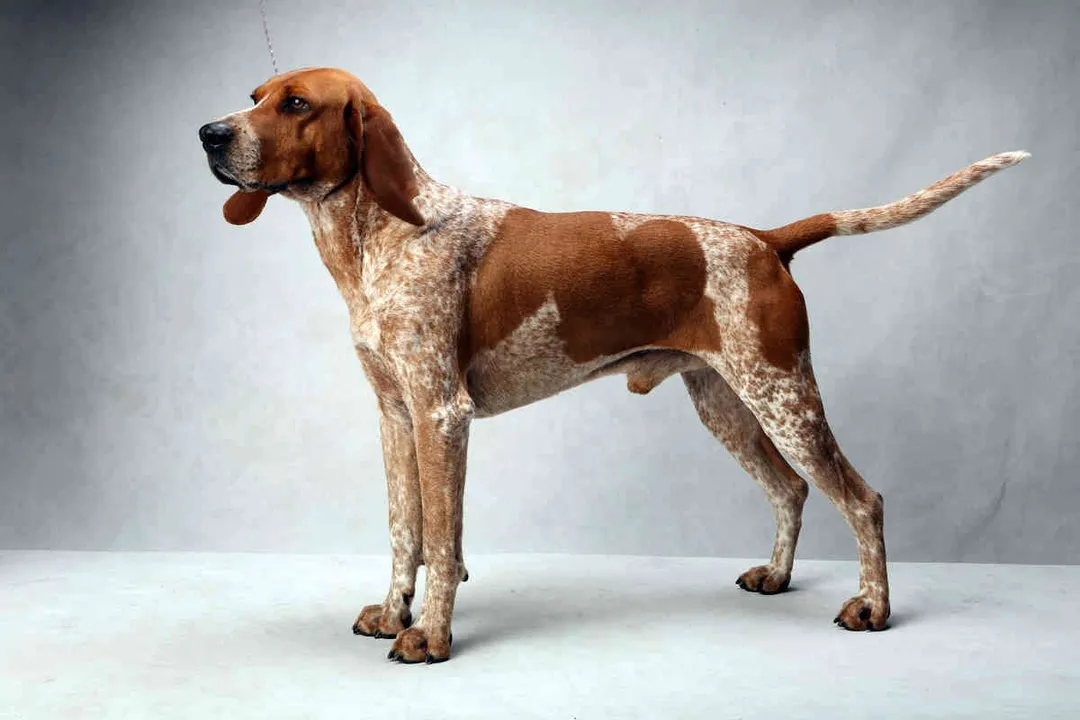
The lineage of the dogs we now call coonhounds is deeply interwoven with the history of American settlers, particularly those moving into the Southern United States. These hounds are distinctly American creations, refined over generations from European ancestors specifically for tracking and treeing game like raccoons and opossums. [1][4][6] To understand where the modern coonhound breeds come from, we must look back across the Atlantic and trace the motivations of the early hunters who sought to adapt existing scent hounds to new challenges. [3]
# Old World Stock

The foundational stock for nearly all American scent hounds, including the coonhounds, traces back to the various foxhounds brought to North America by early colonists. [3][7] These European canines possessed the necessary nose and drive for the chase, qualities paramount for survival and sport hunting. [6]
The English Foxhound is a particularly important ancestor, especially for the American English Coonhound, which was developed by crossing the English Foxhound with other local hounds. [3] This infusion of the English line provided the speed and stamina required for long, drawn-out hunts across varied terrain. [3]
However, the English Foxhound alone was not sufficient for the unique demands of coon hunting. The specific game—raccoons—have a behavior of climbing a tree when cornered, requiring the dog to "tree" the quarry and stay below, baying until the hunter arrives. [4] This required a dog with a slightly different selection profile than a traditional fox hunter, favoring a cold-nosed trailer—one capable of holding a scent trail for hours, even after the trail has faded—over sheer speed alone. [6] Consequently, other scent hounds were introduced to refine this crucial tracking skill.
# Southern Selection
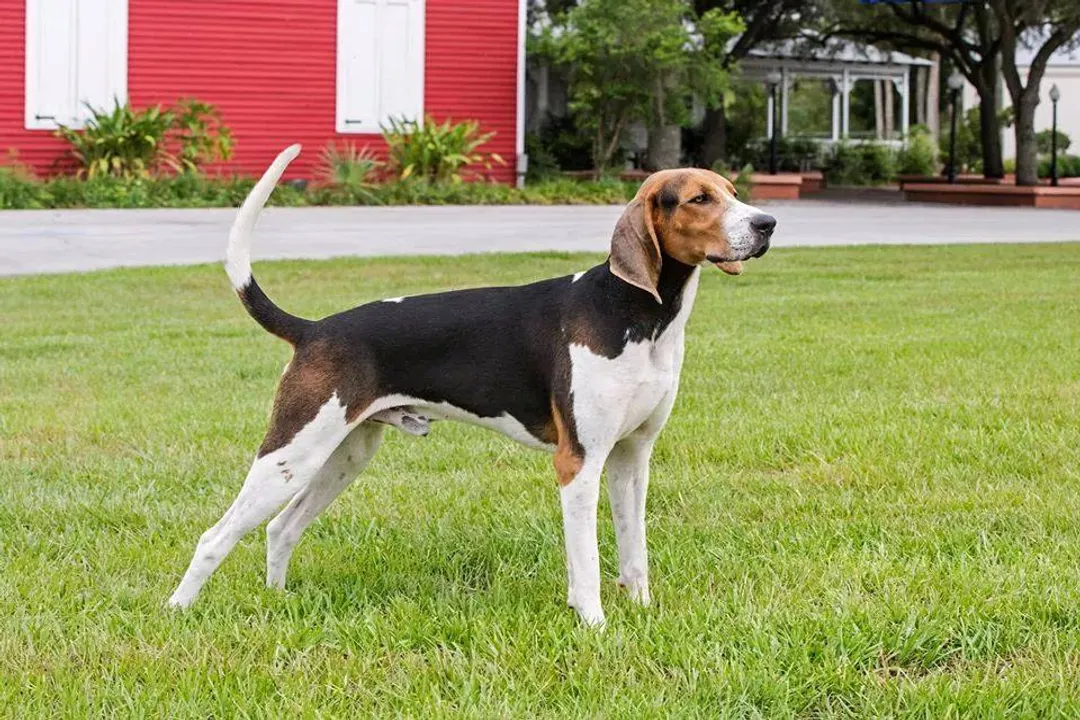
The transition from an imported European dog to a specialized American coonhound occurred through rigorous, localized breeding in the Southern states. [6][9] Settlers needed dogs that could navigate the dense undergrowth and swamps of the South while maintaining a steadfast hold on a scent trail, often working at night. [4][6]
One key component brought into the developing stock, particularly alongside the English Foxhound, was the Bloodhound. [3] The Bloodhound contributed superior scenting ability, deepening the cold nose that defines the coonhound group. [3] The goal was not just to find the animal but to follow the track relentlessly, regardless of how old or faint it became. [6]
It is interesting to note that while the process was similar across the South—mixing European hounds with local preferences—the resulting specialization led to distinct strains emerging based on which ancestors were favored locally and which type of game was the primary target. [7] The development was driven by the hunter's need for a reliable night-trailing partner, prioritizing vocalization (the distinctive "bawl" or "chop") and scent fidelity over battlefield speed. [4] This intense, localized selection pressure—favoring endurance and voice over pure athleticism—is what truly separated the American coonhound line from its English Foxhound forebears. [3]
# Lineage Breakdown
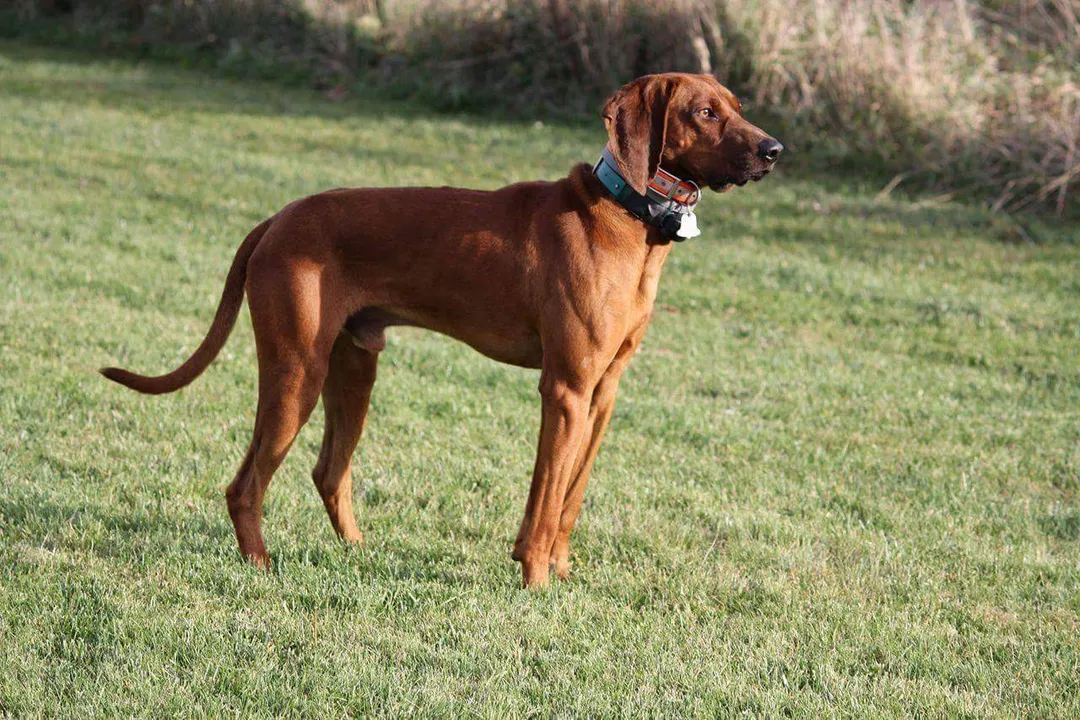
While the English Foxhound and Bloodhound form a broad base, several key breeds illustrate how specific ancestry was folded into the coonhound group, often utilizing other European strains. [7]
# Redbone History
The Redbone Coonhound, famous for its distinctive red coat, has a heritage that points strongly toward a Scottish influence, setting it apart from some of its cousins. [9] Its ancestry is frequently cited as being based on the Scottish Deerhound and the Bloodhound. [9] Bred primarily in the Southeastern United States, especially around the swamps of Louisiana, the Redbone was developed to hunt bears and raccoons. [9] Its lineage is thought to be one of the oldest, having been established before the Civil War, making the selective breeding choices made in those early decades foundational to the breed's current form. [9]
# Bluetick Development
The Bluetick Coonhound, recognized by its striking blue mottled coat, also has a complex ancestry involving crosses with several types of hounds. [8] Early development involved crossing the English Foxhound with the French St. Hubert Hound, the Black and Tan Coonhound, and potentially the Bloodhound. [8] This mix suggests a dedication to developing a dog with exceptional scenting capabilities and a distinctive look, likely through the introduction of color patterns carried by the French hounds. [8]
# American English Heritage
As mentioned, the American English Coonhound is a direct descendant of the English Foxhound, but it was specifically bred for raccoon hunting in America, distinguishing it from the pure fox-hunting strains left in England. [3] This involved crossing the imported Foxhounds with other established American coonhounds to select for the treeing instinct and night-trailing capability. [3]
In contrast to the purebred status achieved later, early Southern hunters often bred dogs based purely on performance, meaning the actual genetic makeup of a "coon dog" in the early 19th century might have been a highly variable mix of whatever hounds worked best on the farm. [2] The modern breeds are the formalized result of these functional, multi-generational crosses. [2][7]
# Shared Drive

One interesting observation when mapping these lineages is that while specific breeds like the Redbone or Bluetick have identifiable unique ancestral threads (Deerhound, French Hounds), the common denominator for all coonhounds is the dual pressure of scenting and stamina inherited from the Bloodhound and Foxhound lines, respectively. [3][8][9] The shared drive to follow a trail until the animal is found—a trait crucial for nocturnal hunting—is the most significant inheritance connecting them all. [6] If a breeder were to select for only speed, they would drift toward the Foxhound; if they selected only for tracking depth, they might drift toward the pure Bloodhound. The coonhound is the successful combination that can do both across long distances in challenging environments. [6]
If we look at the relative closeness of the breeds today, it's clear that the Black and Tan and the Treeing Walker share a more recent common ancestry, often tracing back to the original large English Foxhound/Bloodhound crosses before they were refined into separate AKC/UKC breeds. [2] The Redbone, with its distinct lineage emphasizing the Scottish Deerhound, perhaps branched off earlier or followed a more isolated development path. [9]

# Current Breeds
Today, the coonhound group is recognized as a family of distinct breeds, each maintaining a unique look and slight variation in working style, but all sharing that fundamental scent-trailing ancestry. [1][7]
The primary breeds recognized as part of the coonhound family include:
- Black and Tan Coonhound [1]
- Bluetick Coonhound [1][8]
- English Coonhound (also called the American English Coonhound) [1][3]
- Plott Hound (often grouped with coonhounds due to hunting style, though sometimes considered separately) [1][7]
- Redbone Coonhound [1][9]
- Treeing Walker Coonhound [1]
While the Plott Hound is sometimes placed in this category due to its treeing ability, its development traces back more closely to the German Hanoverian and Bavarian scent hounds, marking it as a slightly different branch stemming from another European hunting tradition, even though it hunts the same game. [1][7]
Understanding the ancestors—a mix of English tracking speed, Bloodhound nose depth, and localized selection for nighttime endurance—helps explain why these dogs possess such an unshakeable focus when they catch a scent. They are not merely descendants of one European dog; they are the culmination of generations of selective breeding dictated by the harsh, unforgiving realities of the American wilderness hunt. [6]
Related Questions
#Citations
Coonhound - Wikipedia
Are all coonhound breeds closely related? - Reddit
American English Coonhound History: Where the Breed Originated
Fun Facts About Coon Dogs | Kanuga Animal Clinic
The history of the Treeing Walker Coonhound - Facebook
American Trackers - The Coonhounds - Worldly Dogs
CoonHound Breeds - Cat Hunter Magazine
The Bluetick Coonhound - Pet Health Network
History of the Redbone Coonhound - Showsight Magazine