What are some fun facts about sheepdogs?

Some of the most beloved canines in the world are those bred specifically to work alongside humans, managing flocks and herds across diverse landscapes. These sheepdogs represent a broad category of breeds, from the shaggy, buoyant Old English Sheepdog to the sleek, quick Shetland Sheepdog, each possessing traits perfectly adapted to their environment and duty. [4] While many people picture a specific breed when they hear the term, the collective history of these working dogs is filled with surprising details about their coats, their voices, and the peculiar laws they once inspired.
# Working Origins
The very function of these dogs—herding livestock—is deeply embedded in their names and histories. Take the Old English Sheepdog (OES), for instance. Historically, this shaggy giant was known by the moniker "Drover's Dog". [1] Drovers were the professionals tasked with moving cattle and sheep over long distances to market, often traversing the rugged terrain of the West Country of England. [3] The OES was their indispensable partner, skilled in driving flocks efficiently. [6]
Interestingly, the OES acquired another famous nickname, "Bobtail," due to the historical practice of docking their tails. [1] This wasn't done for aesthetics; it was a practical, legal designation. In certain areas, working dogs were exempt from dog taxes, and docking the tail served as immediate, visible proof that the dog was employed in labor rather than kept as a companion. [3][5] Considering that a good working dog represented a significant investment and an essential part of a farmer's income generation, this legal loophole underscores just how valuable these animals were considered economically. [7] Losing one of these skilled partners, whether an OES or another breed like the Icelandic Sheepdog, would have been a serious financial blow to their owners. [7]
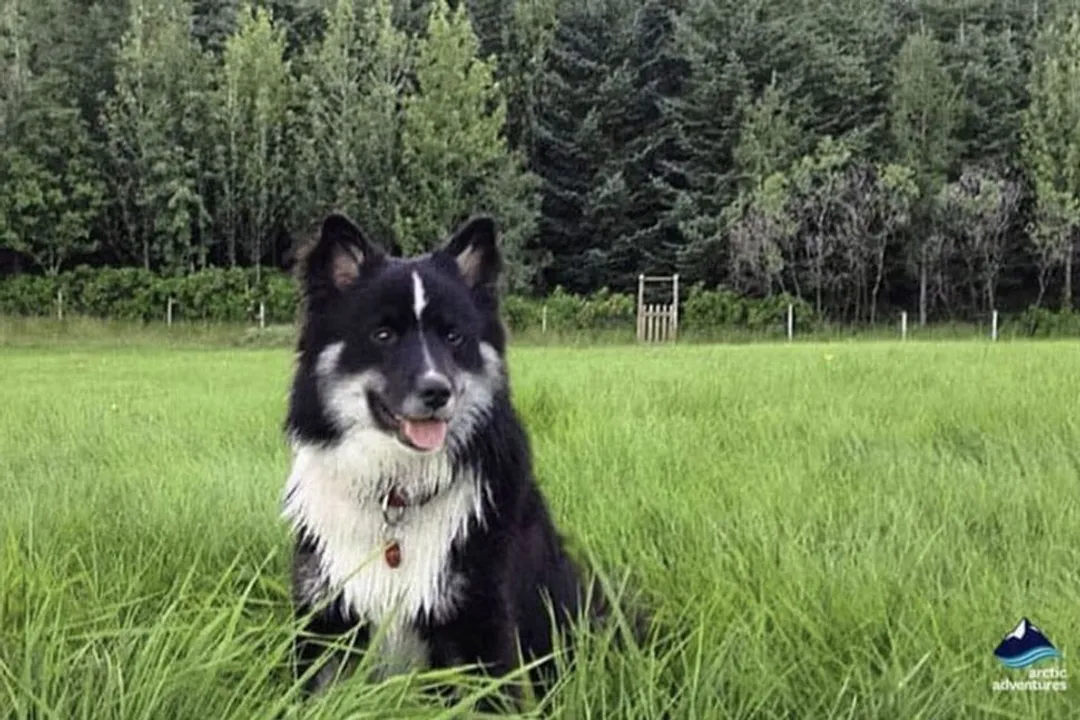
Contrast this history with the Icelandic Sheepdog. This breed is considered one of the oldest of all dog breeds globally. [7] Their role in Iceland was broad; they herded sheep, cattle, and horses across the island's challenging terrain. [7] While the OES’s function was focused on driving marketable livestock, the Icelandic Sheepdog served as an all-around farm assistant, guarding the stock as well as guiding it. [7]
# Double Coat

Perhaps the most visually striking feature of breeds like the OES is their incredible coat. It isn't just for looks; the heavy, profuse double coat served as essential insulation against the wet and harsh weather common in the areas where they originated. [3] The OES coat is composed of two layers: a soft, dense undercoat for warmth and a coarse, harsh outer coat that sheds water. [5]
It is a fascinating dichotomy that many owners of heavy-coated breeds must contend with: despite the sheer volume of fur, the Old English Sheepdog actually sheds very little. [1] This might lead one to assume grooming is minimal, but the opposite is true. To prevent matting—which can become painful and lead to skin issues—the OES requires dedicated maintenance, often needing to be brushed several times a week. [1] This contrasts sharply with some other breeds that "blow" their coat seasonally but require less intensive maintenance during the in-between times. For the OES, the work is constant. [1]
Furthermore, the accepted coloring of the OES is quite specific. They typically present in shades of grizzle, blue, blue merle, or gray, and these colors can appear with or without white markings. [5] A crucial distinction is that a pure white dog is generally not eligible for registration with organizations like the AKC, highlighting breed standards rooted in their historical appearance. [1]

# Ancient Lineage
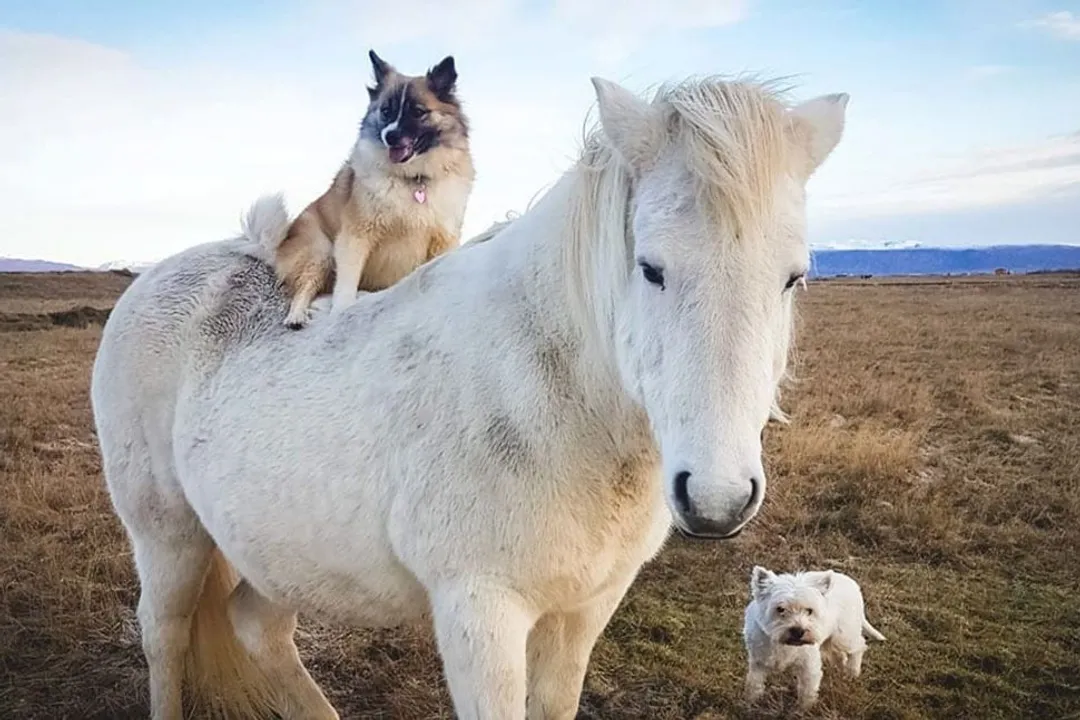
Beyond the English countryside, other breeds have unique claims to antiquity. The Icelandic Sheepdog, for example, is an ancient breed, believed to have been brought to Iceland by the Vikings over a thousand years ago. [7] This longevity means the Icelandic Sheepdog has remained relatively pure in its lineage, adapted specifically to its native environment and duties. [7]
The Shetland Sheepdog, often confused with a miniature Rough Collie, has a slightly different heritage, originating in the Shetland Isles. [9] They were vital to the smaller farms and crofts there, requiring their intelligence and smaller stature to manage the more diminutive livestock often found on those islands. [9] Their sensitivity and intelligence are hallmarks of the breed, traits that made them excellent listeners on the often windy, sparsely populated fields. [9]
# Barking Habits
For a dog whose primary job is to move animals, communication is key, and many sheepdogs have developed specific vocalizations for the job. The Old English Sheepdog is known for having a distinctive bark. [1] While they are affectionate and gentle family companions now, [6] in their working capacity, a strong voice was necessary to manage livestock that might be scattered over a wide area. [5]
The Icelandic Sheepdog also employs its voice extensively in herding. [7] They are known to bark to direct sheep, cattle, or horses, using their voice as a tool to keep the flock together or moving in the desired direction. [7] It appears that for many historical herding dogs, barking wasn't just a warning or excitement—it was a precise command, used to keep livestock moving when the dog couldn't physically reach them or needed to alert the shepherd from a distance. [7] This reliance on vocal cues suggests a high level of training and responsiveness, which is a hallmark of effective herding instincts across the board. [4]
When observing these breeds today, especially in a herding trial setting, one can often see the difference between breeds that "eye-stalk" (like the Border Collie, though not detailed in these sources) and those that are more vocal or use their bodies to push. The OES and Icelandic Sheepdogs relied heavily on that audible communication to get the job done, a trait that still manifests in their domestic lives, sometimes much to the surprise of new owners. [1][7] Understanding this instinctual need to communicate vocally is important for anyone living with these breeds, as it often translates to alerting you to every passing squirrel or mail carrier. [1][5]

# Temperament and Family
While their history is cemented in hard labor, the modern perception of sheepdogs often centers on their suitability as companions. Breeds like the OES are described as affectionate and gentle, making them excellent family pets despite their imposing appearance. [6] Their coat lends them a "bear-like" look, which can seem formidable, but their nature is typically quite mild when they are not on the job. [6]
The Shetland Sheepdog also transitions beautifully into family life, noted for being intelligent and sensitive. [9] However, their history as keen watchdogs on small farms means they can sometimes be reserved around strangers. [9] This sensitivity requires understanding; they are dogs who pay close attention to the emotional state of their handlers, a trait born from needing to respond instantly to subtle commands over long distances. [9] This deep connection to their people is a common thread among many herding breeds, regardless of their size or coat texture.
#Videos
10 Interesting Old English Sheepdog FACTS Ed&Mel - YouTube
Animal Facts - Sheepdogs - YouTube
Related Questions
#Citations
Old English Sheepdog Facts You May Not Know
10 Interesting Old English Sheepdog FACTS Ed&Mel - YouTube
11 things to know about lovable Old English Sheepdogs
sheepdog - Kids | Britannica Kids | Homework Help
Old English Sheepdog Facts For Kids | AstroSafe Search - DIY.ORG
5 Facts About Old English Sheepdogs - Greenfield Puppies
Icelandic Sheepdog | Fun Facts, Pros, Cons & History
10 Fun Facts About Shetland Sheepdogs - Facebook