What are fun facts about bass?
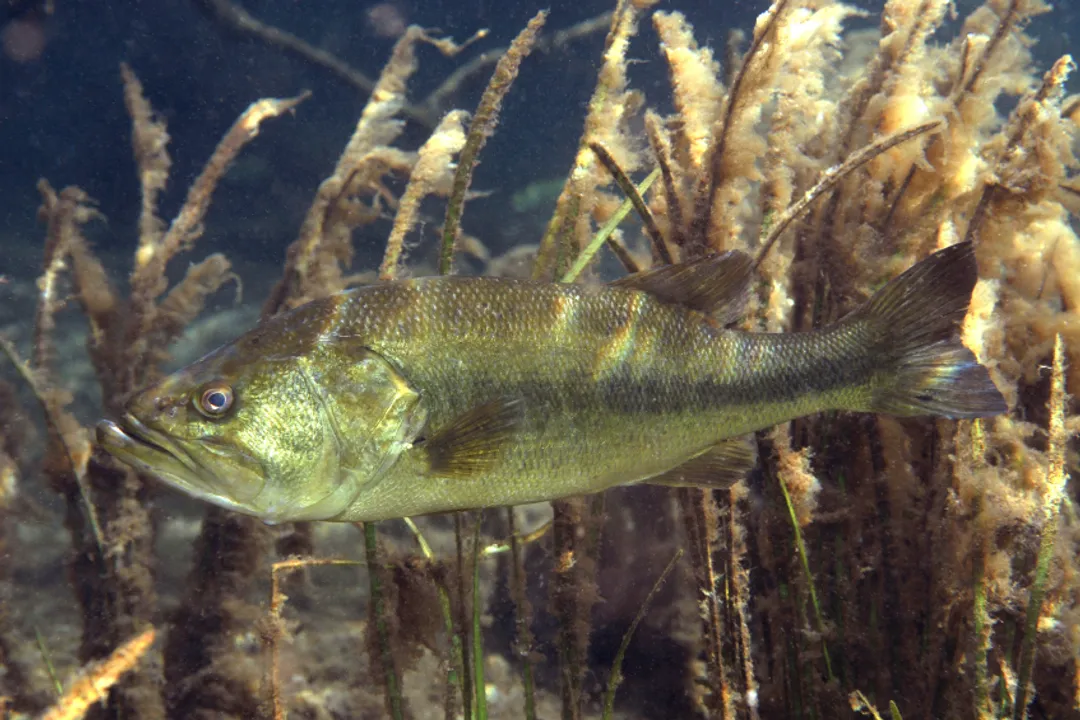
Few fish command the same level of dedication from anglers across North America as the bass. These powerful freshwater predators, members of the sunfish family (Centrarchidae), offer a thrilling fight and are often the cornerstone of local aquatic ecosystems. [5][8] While many people can instantly recognize a Largemouth Bass, the depth of their biology, behavior, and adaptations often remains hidden beneath the surface. Knowing a few key facts can completely change how you view the next fish you hook.
# Species Roots
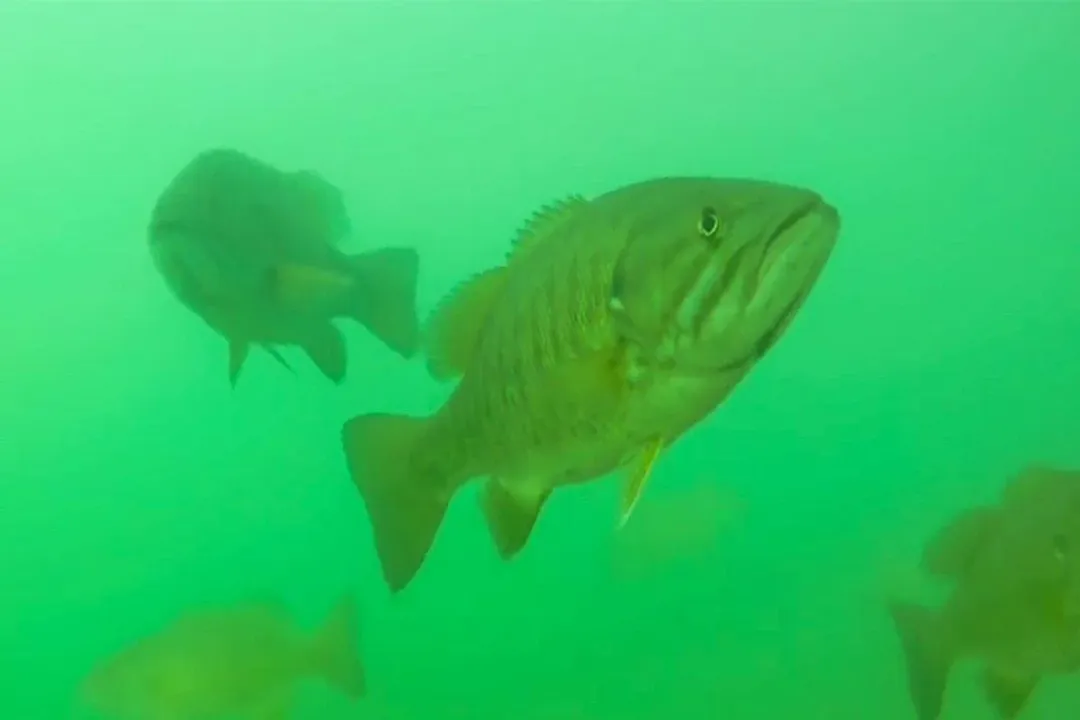
The term "bass" covers several distinct species, though the most famous by far is the Largemouth Bass (Micropterus salmoides). [5][8] Scientifically, these fish belong to the genus Micropterus, which translates roughly to "small mouth," a classification that becomes amusing when discussing the infamous Largemouth. [9] Native to the Eastern and Central United States, the Largemouth has been successfully introduced globally, establishing itself as a premier sport fish across various continents. [8] Their close relatives, such as the Smallmouth Bass and Spotted Bass, share the same aggressive temperament but possess distinct physical traits that differentiate them in the water. [1]
# Jaw Size
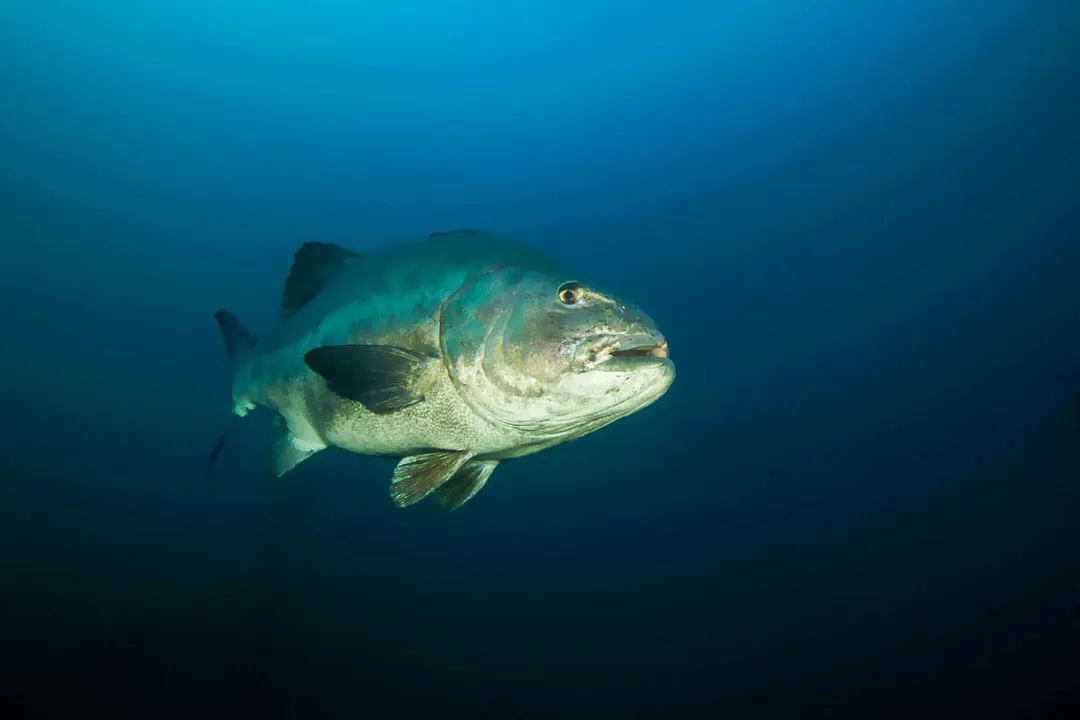
The most defining characteristic for identifying the Largemouth Bass, despite the genus name meaning "small mouth," is right there in its common name: the jaw. [9] If you look closely at a mature specimen, the lower jaw, or mandible, extends noticeably past the rear edge of the eye socket when the mouth is closed. [1] This massive gape allows them to swallow prey that is surprisingly large relative to their body size—sometimes up to half their own length. [1] In contrast, the Smallmouth Bass has a jawline that typically terminates under or near the eye. [9] This difference isn't just academic; it dictates feeding strategy. A larger mouth means a greater capacity for opportunistic, broad-spectrum feeding, which contributes significantly to the Largemouth's reputation as an apex predator in many environments. [1]
# Hungry Hunters
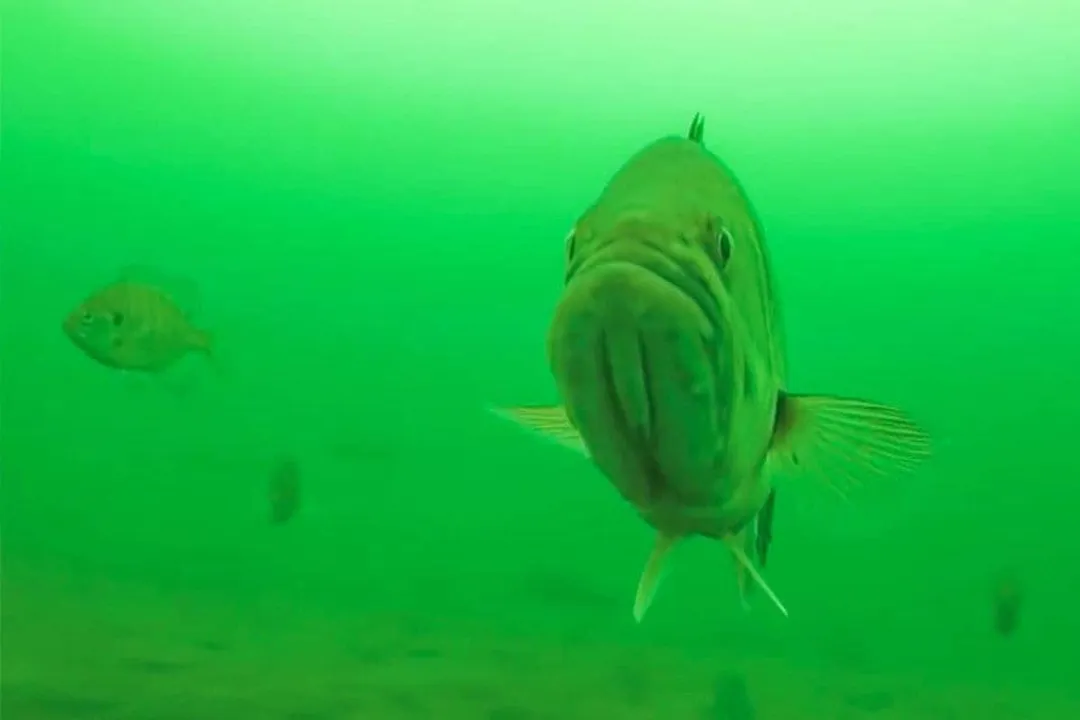
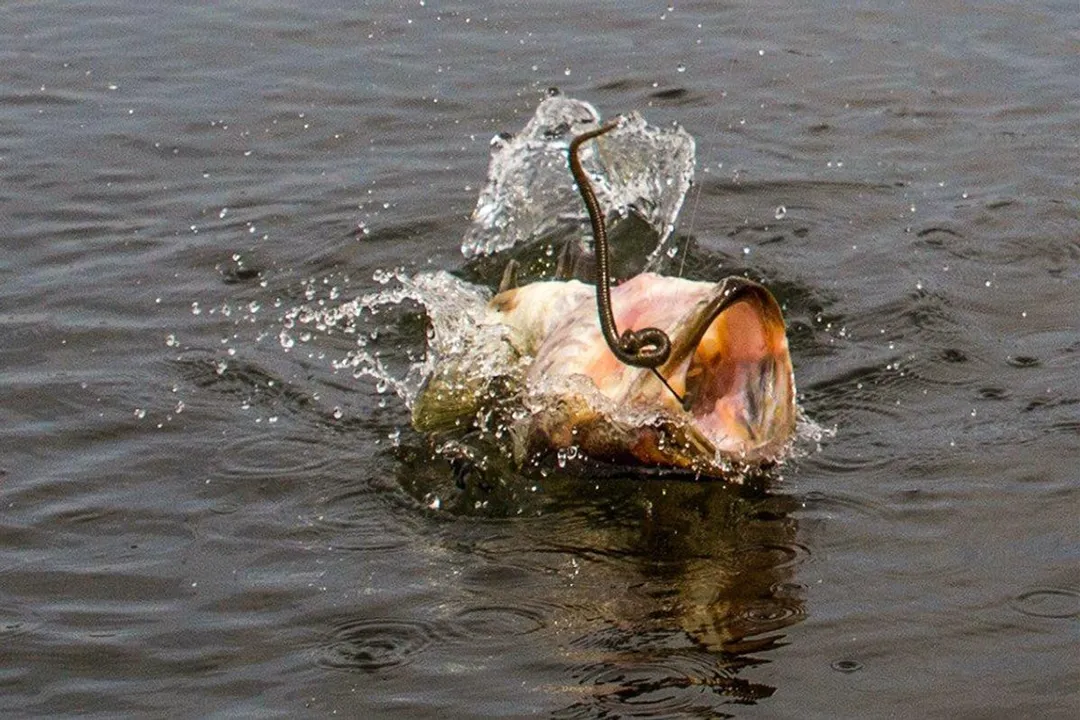
Bass are renowned for their voracious appetites, displaying high levels of aggression toward anything resembling food. [3] They are opportunistic feeders, meaning they will consume nearly any creature they can fit into their mouths. [5] Their diet is incredibly diverse, ranging from aquatic insects and crayfish to smaller fish, frogs, and even small terrestrial animals that venture too close to the bank. [3] One fascinating aspect of their feeding behavior is the speed and commitment to the strike. A bass doesn't just nibble; it explodes on the target. [2] Biologically, this aggressive feeding style is supported by their highly specialized sensory systems, which allow them to pinpoint prey with stunning accuracy, often striking based on pressure changes rather than sight alone. [7]
It is worth noting the sheer metabolic demands these predators have. A large, actively feeding bass requires significant caloric intake, especially in warmer months when their metabolism spikes. While many anglers focus solely on the size of the lure, a deeper consideration of water temperature—a primary driver of their metabolism—can unlock better results. For instance, a bass holding in water around 55 degrees Fahrenheit might strike out of reaction or territory defense, whereas a bass in 70-degree water is feeding with the intense, deliberate focus of a creature trying to pack on reserves for the next cool down or spawn. [7] This subtle shift in underlying motivation, driven by temperature, is a key distinction between a casual catch and understanding why a fish struck.
# Nesting Duties
When the water warms sufficiently, usually in the spring, bass prepare to reproduce, and the responsibility for safeguarding the next generation falls heavily on the male. [3][8] The male bass is the nest builder, using his tail to clear debris and sand from the bottom, creating a saucer-shaped depression often lined with fine gravel or darker material that helps absorb heat. [3] After the female deposits her eggs, the male takes over completely, guarding the nest vigorously against any perceived threat, including other fish, turtles, and even curious human divers or boats. [3] He continues this parental care after the eggs hatch, remaining with the tiny fry for several weeks until they disperse. [3] This level of dedication is common among many members of the sunfish family, setting them apart from species where parental roles are more limited or nonexistent. [3]

# Sensory World
The underwater world is a dark, muffled place compared to our own, requiring specialized adaptations for survival and hunting. Bass possess excellent vision, but their reliance on sight is often secondary to their incredible ability to detect vibrations through their lateral line system. [7][9] This line, running down the length of the fish's body, is studded with neuromasts—tiny, fluid-filled hair cells that sense even minute changes in water pressure and movement. [7] This system allows a bass to "feel" the proximity and size of a struggling baitfish or a vibrating lure, even in zero visibility. [9]
The ability to sense these pressure waves is why certain lures excel in muddy water. A thick-bodied crankbait or a spinnerbait generates a distinct pulse in the water column that a bass can track from a distance, essentially painting a picture of the target using sound and vibration rather than light. [7] This sensitivity suggests that anglers targeting bass in turbid conditions might benefit significantly from focusing on lures that create pronounced, rhythmic pressure waves, as the fish relies on this input when visual cues are absent. Understanding this reliance on vibration helps explain why fish often strike a lure behind them; they are reacting to the displacement caused by the object moving through their sensory field. [7]
# Angler Appeal
The primary reason the bass remains a focus for millions of fishing enthusiasts is the spectacular fight it delivers upon being hooked. [6] Largemouth Bass, in particular, are known for their explosive, surface-breaking runs and strong, determined pulling power. [6] They are also remarkably hardy and adaptable, thriving in a wide variety of water conditions, from warm, shallow ponds to deep reservoirs. [5][8] This adaptability means that access to good bass fishing is widespread, making it a readily available sport for many communities. [6] Unlike some highly specialized game fish that require specific, remote conditions, bass are often found in accessible public waterways. [6]
Furthermore, the sheer variety of ways one can successfully target them adds to their popularity. [6] Whether an angler prefers the delicate presentation of live bait, the precise accuracy required for topwater lures, or the deep-water search pattern of jigging, there is a technique tailored to the bass's ever-changing mood and habitat preference. [6] This versatility keeps the sport engaging year after year, rewarding those who master different approaches. Comparing the sheer accessibility and diverse challenge level, it’s easy to see why the pursuit of this particular fish generates such enthusiastic communities. [4][6] While some might argue that other species grow larger, the combination of fighting spirit, widespread distribution, and behavioral complexity secures the bass's position at the top of the recreational fishing world. [6]
#Videos
11 Largemouth Bass Facts That Will Blow Your Mind - YouTube
Related Questions
#Citations
10 Bass Facts You Probably Didn't Know - Wired2Fish
11 Largemouth Bass Facts That Will Blow Your Mind - YouTube
6 Interesting Facts About Largemouth Bass - SheFishes2
Freshwater Friday: Largemouth Bass Facts and Information
Bass Fish Facts - A-Z Animals
What makes bass fishing the most popular fishing? - Reddit
9 Facts You Didn't Know About Bass Fishing
Largemouth Bass (Micropterus salmoides) | U.S. Fish & Wildlife ...
Bass Facts and Myths (Scientific Truths You Need To Know) | Video