West Highland Terrier Physical Characteristics
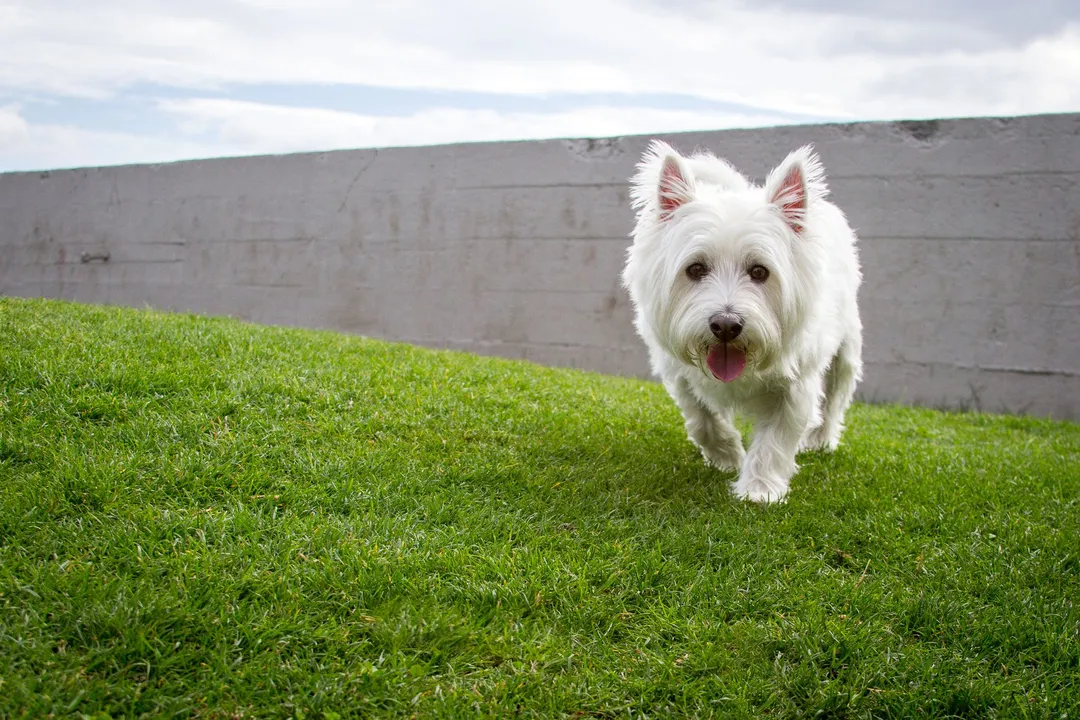
The West Highland White Terrier, often affectionately called the Westie, presents an immediately striking silhouette characterized by its pure white coat and sturdy build. This small dog projects an image of confidence and alertness, traits essential to its history as a working terrier bred to hunt vermin in the rugged Scottish landscape. The dog’s overall appearance is compact and well-balanced, suggesting power beneath a deceptively charming exterior. They are built for business, designed to be hardy enough for the rough terrain of the Scottish Highlands while remaining small enough to enter dens and burrows.
# Size Stature
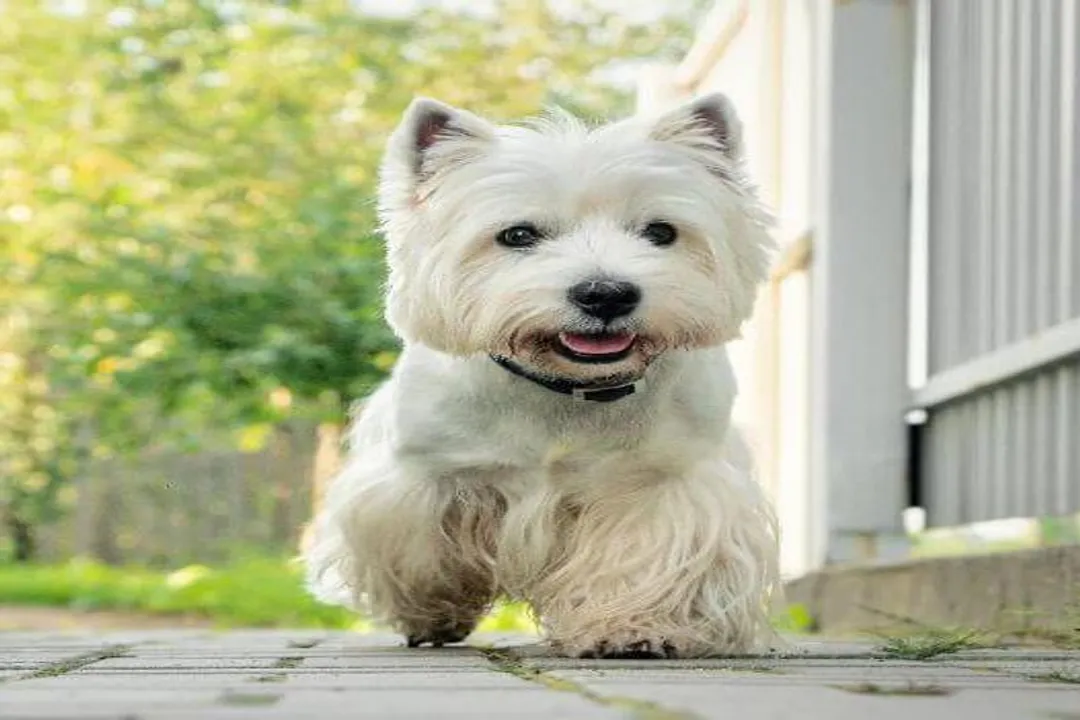
The size of the Westie is a key component of its structure, fitting neatly into the small to medium dog category, though judges in conformation rings look for specific measurements. Generally, the ideal height measured at the shoulder for a male Westie is around 11 inches, while females are slightly smaller, typically reaching about 10 inches. Weight is also consistent across standards, usually falling between 13 to 20 pounds, with males generally weighing more than females. This compact sizing is crucial; they must be sturdy enough to work but small enough for their intended purpose. For those interested in showing their dogs, the United Kennel Club standard lists the desired height range for males as 11 to 12 inches and for females as 10 to 11 inches at the highest point of the shoulder blades. It is interesting to note that while these ranges are narrow, the overall impression should be of a dog that is slightly longer than it is tall, ensuring a balanced profile. A dog that is significantly over or undersized often lacks the correct proportions deemed ideal for the breed.
# Head Features
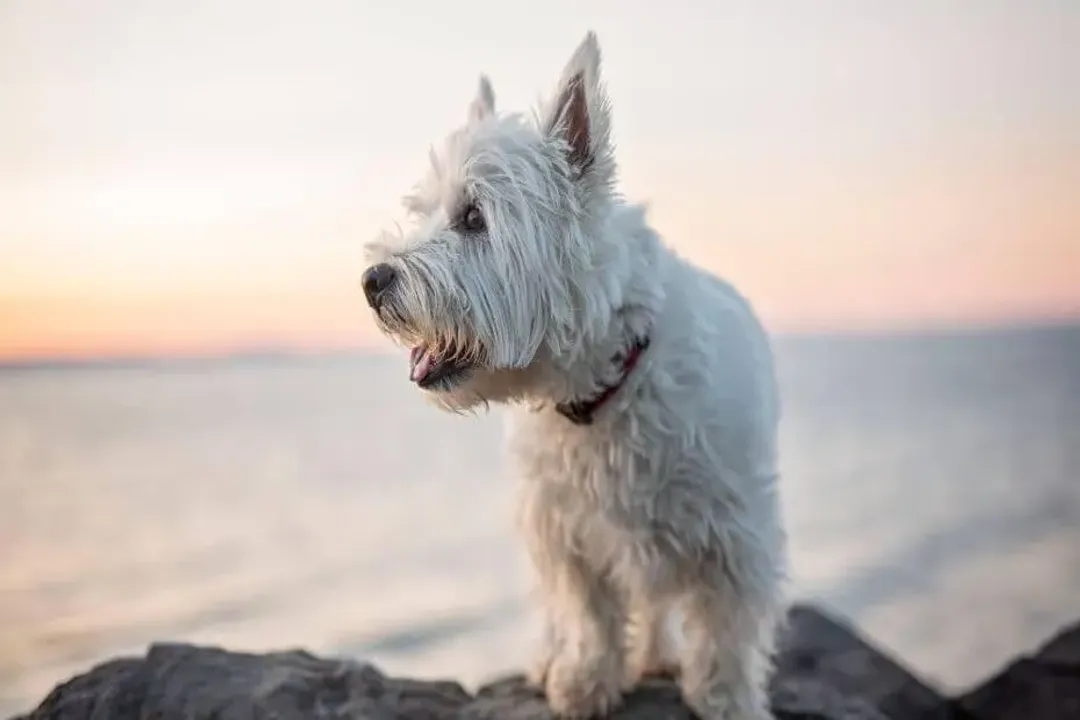
The head of the Westie is considered one of its most defining physical attributes, carrying the dog’s alert expression. The skull should be relatively short, strong, and slightly rounded when viewed from the side, but not domed. The muzzle needs to be strong and taper slightly towards the nose, never appearing snipey or weak. When considering the bite, the teeth meet in a scissors bite, which is the standard for many terrier breeds.
The eyes are dark, set well apart, and convey a keen, intelligent, and inquisitive expression—hallmarks of the terrier temperament. They should be somewhat almond-shaped, not round, which contributes to that famously sharp look. The ears are another critical feature; they must be small, carried erect, and pointed, set well on the head. They should be covered in short, soft hair, and importantly, they should not be fringed or carried tipped forward.
# Coat Texture
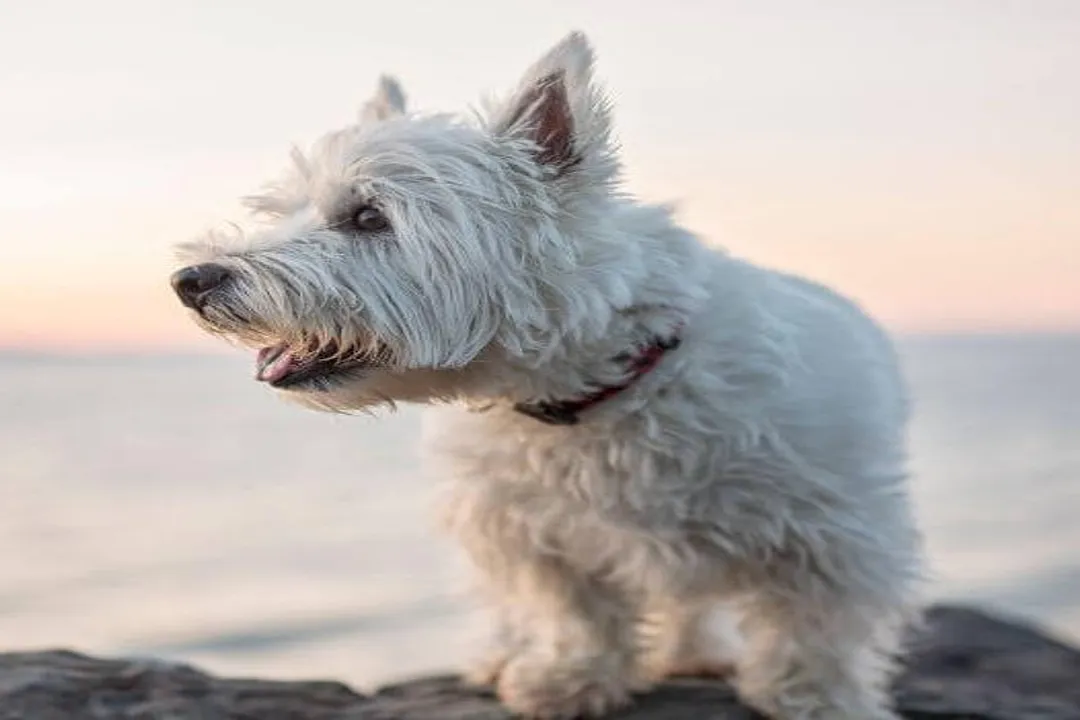
Perhaps the most crucial physical element defining the Westie is its distinctive double coat. This coat is not simply for aesthetics; it is a direct legacy of its hard-working past, providing superior protection against the harsh Scottish weather and rough undergrowth.
The coat consists of two layers: a short, soft, dense undercoat, and a straight, hard outer coat. This outer coat should feel crisp or harsh to the touch, which is vital for proper breed presentation and function. This harsh texture is what allows debris and moisture to slide off rather than matting into the dog's skin. Owners who are new to the breed often expect a fluffy, soft companion coat, but understanding that the outer coat must be harsh is key to correct grooming. A common pitfall is allowing the coat to become overly soft through improper stripping or incorrect grooming products, which compromises the breed’s defining natural weather-proofing. Stripping, the process of manually removing dead outer hairs, is preferred over clipping to maintain this correct texture.
| Coat Layer | Texture Description | Primary Function |
|---|---|---|
| Undercoat | Soft and dense | Insulation and warmth |
| Outer Coat | Straight and hard/harsh | Protection from weather and debris |
For maintenance, the coat requires regular attention. While the Westie sheds very little—a trait making them popular with allergy sufferers—the dead hair needs removal to allow the new coat to grow in properly. Hand stripping, where the dead outer coat is plucked out, helps retain the signature hard texture. If clipping is done, the texture will soften over time, resulting in a fluffier appearance that deviates from the traditional standard.
# Coloration Purity
The color of the West Highland White Terrier is non-negotiable: they must be pure white. This solid white coloration was deliberately cultivated over generations. Historically, there was some concern that white dogs might be confused with prey animals, but breeders intentionally selected for the white coat so that the dogs would stand out clearly against the dark ground and foliage, making it easier for hunters to distinguish them from vermin they might have caught. This focus on uniformity means that any markings of black, cream, or tan are considered faults in show rings, although small amounts of white on the chest or feet might sometimes be overlooked depending on the specific registry's guidelines.
# Body Structure
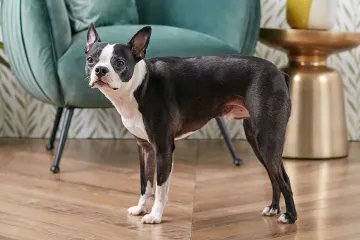
The body of the Westie is compact and very well-muscled, indicative of its sturdy nature. They should not appear long-backed or leggy. The chest should be deep, giving them good lung capacity for their work, and the back should be short and straight. The shoulders are well-laid-back, allowing for free movement. Although they are small, they are not delicate; the bone structure is solid, contributing to their overall hardiness.
# Tail Carriage
The tail, often referred to as a "carrot tail" by enthusiasts due to its shape, is another distinct feature. It should be of medium length, thick at the base, and taper to a point. The tail is never docked and is carried upright, standing erect, never falling back over the dog's head or turning to one side. This erect carriage helps the dog’s handler keep track of them when they are working underground.
# Movement Gait
When a Westie moves, its gait should be smooth, straight, and free-moving. They should cover ground efficiently, indicating good rear-end drive and sound angulation, without excessive reach or drive that would appear unnatural for a dog of its size. The body should move levelly, showing good coordination between the front and rear assembly. Watching a Westie trot should reveal a dog that looks purposeful and energetic, perfectly capable of keeping up with its human counterpart across rough terrain. A stiff or weaving gait suggests structural faults that hinder their traditional job requirements.
For an owner assessing their dog's movement, look for straight tracking both coming and going. If the dog appears to "criss-cross" its legs when moving away, or seems to paddle its front feet, this suggests inefficient or unbalanced movement that might benefit from targeted conditioning exercises, focusing on core strength to maintain that desired level-level top line.
# Maintenance Considerations
The physical characteristics of the Westie directly dictate its required care regime. Because of that hard outer coat, owners must decide early on whether to hand-strip or clip. Hand-stripping is the gold standard for preserving the texture and color saturation associated with the breed standard, though it is time-consuming and often requires professional assistance initially. Clipping is easier for the owner but results in a softer coat that tends to mat more easily because the dead hairs are not removed but simply cut, blending into the live coat. Given the density of the undercoat, even with a clipped coat, regular thorough brushing down to the skin is necessary to prevent painful undercoat matting, especially in high-friction areas like behind the ears and in the armpits. This dedication to coat maintenance is arguably the single greatest physical commitment an owner makes when bringing home this charming little terrier.
#Videos
Westie or Not? | Life Span, Size, Health | Breed Characteristics
Related Questions
#Citations
West Highland White Terrier - Dog Breeds - American Kennel Club
West Highland White Terrier (Westie) - Dog Breeds - The Spruce Pets
The West Highland White Terrier Dog Breed - Hill's Pet Nutrition
The Vet's Guide to West Highland White Terriers: Facts, Care, and ...
Acquiring a Westie - West Highland White Terrier Club of America
Westie or Not? | Life Span, Size, Health | Breed Characteristics
West Highland White Terrier - Breed Standards - UKC
Characteristics of the West Highland White Terrier (Westie)
West Highland White Terrier Dog Breed Information | Purina UK