What is the key difference in consequence between hand-stripping and clipping the Westie coat?
Answer
Clipping results in a softer coat that mats more easily
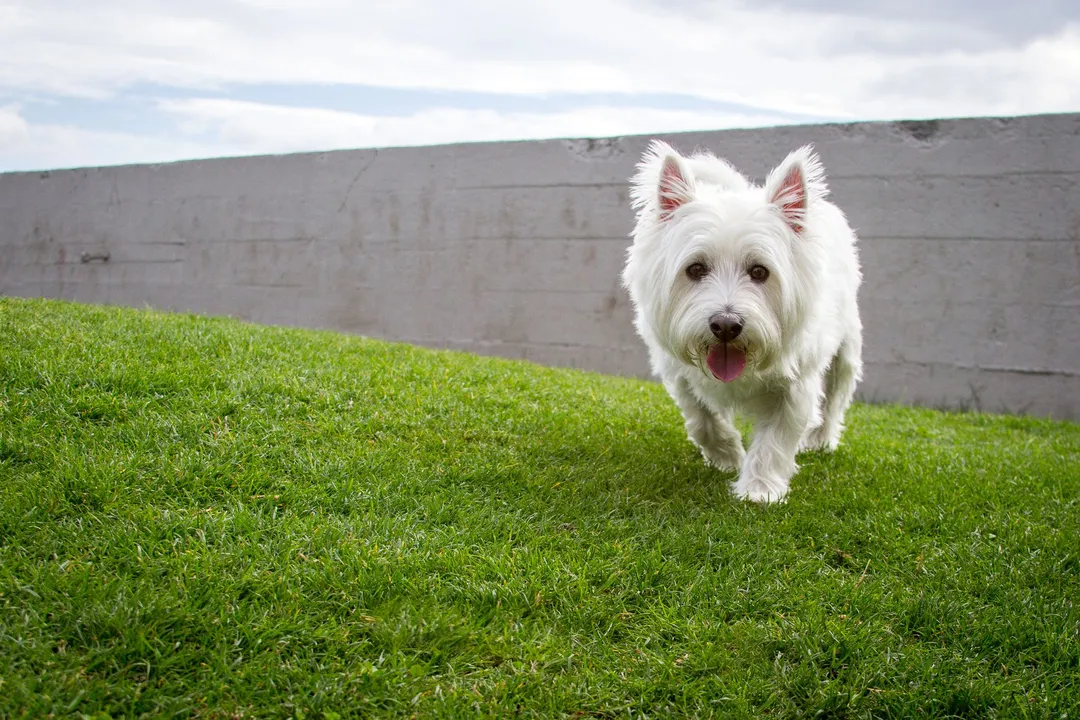
The choice between hand-stripping and clipping has a direct and significant impact on coat texture. Hand-stripping, the manual plucking of dead outer hairs, is the gold standard because it preserves the signature crisp, harsh texture required by the breed standard and maintains natural weather-proofing. Conversely, clipping cuts the dead hairs, causing them to blend into the live coat. This prevents the proper texture from regenerating, leading to a coat that becomes progressively softer over time and tends to mat more easily because the protective barrier is compromised.
#Videos
Westie or Not? | Life Span, Size, Health | Breed Characteristics
Related Questions
What texture must the Westie's straight outer coat possess for proper breed function?Why was the pure white coloration deliberately cultivated for the West Highland White Terrier?What critical detail defines the appearance of the Westie's ears?What type of bite is specified as the standard for the Westie's jaw structure?Which physical aspect ensures good lung capacity in the Westie's body structure?What is the key difference in consequence between hand-stripping and clipping the Westie coat?What feature must be avoided in the Westie skull appearance?What characteristic of the Westie's movement indicates structural faults hindering traditional job requirements?What is the function of the Westie's tail carriage being carried upright and erect?What is the desired weight range specified for the West Highland White Terrier standards?