Yorkshire Terrier Facts

The Yorkshire Terrier, often affectionately known as the Yorkie, presents a fascinating study in contrasts. With their delicate, flowing locks and diminutive stature, they might suggest a purely ornamental lapdog, yet beneath that shimmering coat beats the heart of a tenacious, small-but-mighty terrier. [1][5] To truly appreciate this breed is to look past the pampered show ring image and acknowledge their gritty, working-class origins in Victorian England—a history that explains the feistiness packed into a package usually weighing under seven pounds. [4][10] Understanding these foundational facts sets the stage for appreciating their unique needs regarding grooming, training, and companionship. [5][1]
# Industrial Roots

The story of the Yorkshire Terrier begins in the mid-nineteenth century, rooted deeply in the county of Yorkshire, England. [4][6] This was a time of rapid industrialization, and the dogs that came to define the breed were not initially bred for nobility or companionship, but for pest control. [4][10] They were developed by Scottish workers who migrated to the area, seeking employment in the bustling textile mills and coal mines. [4][5]
Their initial purpose was grimly practical: eliminating rats and other vermin that infested the cramped, dark workings of the mills and the surrounding areas. [4][6][10] This essential, dangerous job required a dog small enough to pursue vermin into tight spaces, yet possessing the characteristic courage, drive, and gameness associated with the terrier group. [5] Indeed, early versions of the breed were often referred to as the broken-haired Scotch Terrier. [4] It wasn't until 1870 that the breed officially adopted the name Yorkshire Terrier. [4]
It is a notable piece of trivia that these dogs eventually transitioned from the soot and grit of the industrial North to the refined parlors of the aristocracy. Queen Victoria, a famous dog lover, became enamored with the breed later in life, which certainly helped cement their status and popularity among high society. [6] This rapid upward mobility from rat catcher to royal companion is quite a leap for any dog, highlighting the breed’s adaptability and charm, even as their jobs changed drastically. [1][5]
# Appearance Standards
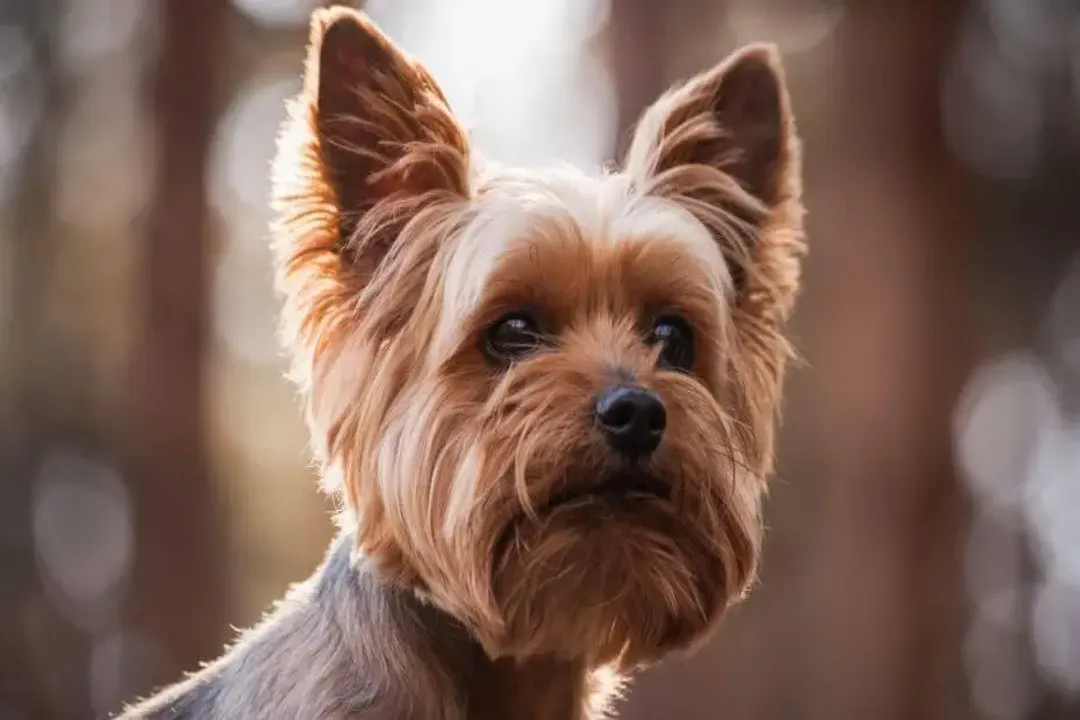
The modern Yorkshire Terrier is classified as a Toy breed, a categorization reinforced by their diminutive size. [1][5] The breed standard set by the American Kennel Club specifies that a Yorkie should not exceed 7 pounds (3.2 kg) in weight. [1][5] This small stature is a defining characteristic, but it carries important implications for their overall care and safety, requiring owners to be mindful of potential hazards larger dogs or clumsy toddlers might present. [4]
The most captivating feature of the Yorkie is undoubtedly its coat. [1] Unlike many other breeds, the Yorkie possesses a single layer of hair, not a thick, insulating undercoat, which contributes to the fine, silky texture. [4] When fully grown and maintained in the traditional show cut, the coat is long and hangs straight down, requiring diligent care to prevent matting. [1]
Coloration is specific and evolves as the dog matures. A Yorkshire Terrier puppy is typically born with a black and tan coat. [4][6] As the dog ages, the black gradually lightens and changes to a deep, lustrous steel blue on the body, while the tan markings on the head and legs should remain rich. [1][5][6] Crucially, the breed standard dictates that the body color should never be truly black. [6] The ideal steel blue is often described as a dark, rich color, quite different from the silver or pale blue seen in some other breeds. [4] Head markings, including the tan points on the ears and muzzle, must be vibrant. [1]
Despite their delicate appearance, the breed is known for being sturdy and well-proportioned. They carry themselves with an air of confidence that speaks directly to their terrier heritage, often appearing alert and ready for action. [5]
# Temperament Traits
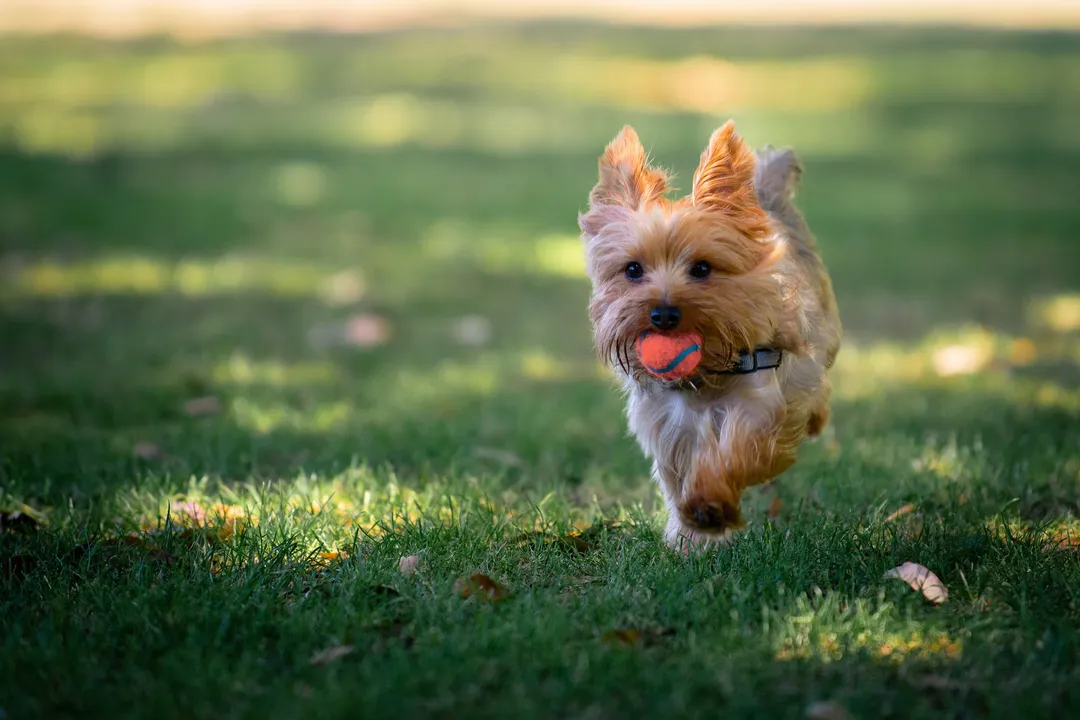
To own a Yorkie is to welcome a personality much larger than its physical size suggests. [1][10] While they are affectionate and form strong bonds with their human families, their terrier background means they are far from passive lap warmers. [1][5] They are known for being feisty, brave, and intelligent. [1][5] This combination of traits makes them excellent, albeit occasionally vocal, watchdogs; they are quick to alert their owners to any perceived intruder or unusual noise. [5]
One must be prepared for the inherent stubbornness that comes with a terrier brain. Yorkies are smart, which means they can be trained, but they also possess a strong will. [5] They thrive on consistency and early exposure to different sights, sounds, and people. Proper socialization is not merely recommended for this breed; it is essential to ensure their natural wariness toward strangers doesn't escalate into excessive suspicion or reactivity. [1]
When it comes to training, owners often find that positive reinforcement methods work best, especially when paired with short, engaging sessions that cater to their bright minds. [5] However, because they are so attuned to their owners, they can also be prone to developing small-dog syndrome if not managed with gentle authority. [10] This is where recognizing their terrier drive becomes actionable: channeling that energy into structured play or scent work can satisfy their instincts far better than simply indulging their every demand. If an owner fails to establish boundaries early on, the Yorkie may decide that they are the one running the household, leading to bossiness that is difficult to correct later. [5]
# Daily Requirements
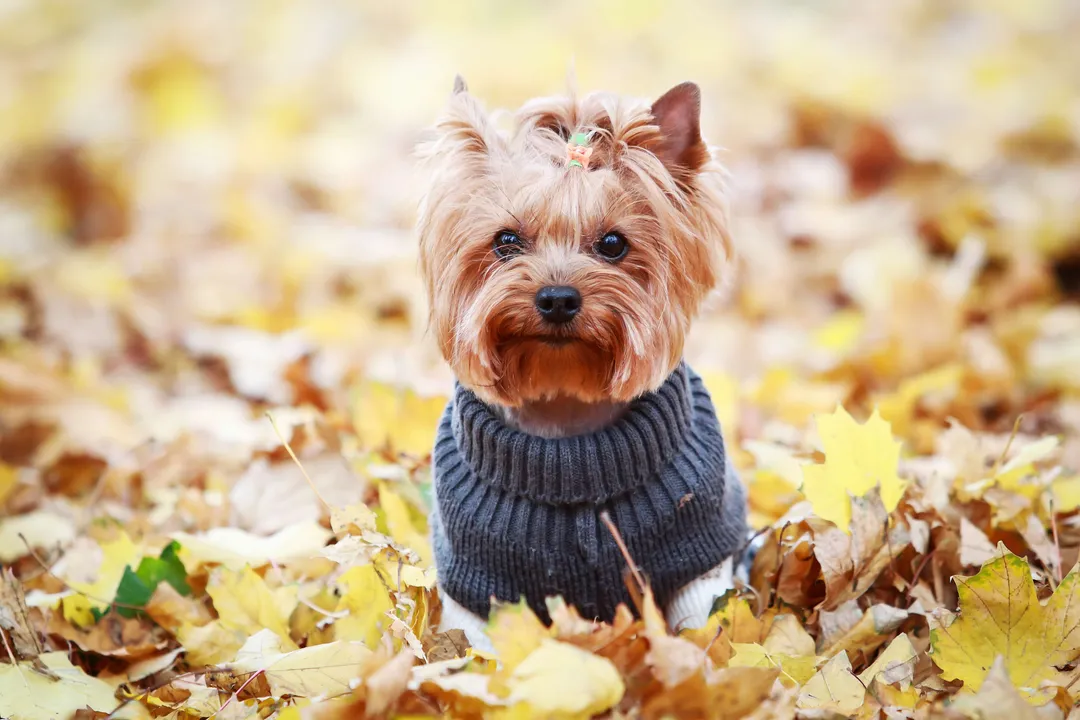
Caring for a Yorkshire Terrier involves balancing their high grooming needs with their surprisingly high energy requirements for such a small dog. [1][5]
# Grooming Demands
The coat is the most obvious care commitment. For those aiming for the traditional, flowing show coat, daily brushing is non-negotiable to prevent the fine hair from matting and causing skin irritation. [1] This level of commitment requires specialized brushes and conditioners to maintain the silkiness and avoid breakage. [4]
For the average pet owner, however, a more practical approach often prevails: the "puppy cut". [1] This involves keeping the coat trimmed short—perhaps just a few inches long all over the body. While this drastically reduces daily brushing time to perhaps a few sessions per week, it does not eliminate the need for professional grooming appointments every four to eight weeks. [1]
Owner Insight on Grooming Investment:
It’s crucial for prospective owners to budget not just for food, but for grooming maintenance. A common misconception is that a small dog equals low upkeep. In reality, professional grooming for a coated Yorkie, even a small one, can cost significantly more per month than standard trims for a larger, shorter-coated breed due to the specialized styling time required. If you opt for the traditional look, factor in a consistent monthly outlay for professional styling; if you opt for the puppy cut, the savings are considerable, trading time spent brushing for recurring service fees [Self-Analysis].
# Exercise and Mental Stimulation
While their size means they don't require acres of land, Yorkies need daily exercise to keep their terrier spirit happy and prevent boredom, which can lead to destructive chewing or excessive barking. [5] A brisk walk or an energetic indoor play session is usually sufficient to meet their physical needs. [1]
However, perhaps more critical than physical exercise is mental engagement. Their intelligence and history as working dogs mean they need tasks to perform. Puzzle toys, short training sessions focusing on new tricks, or even supervised indoor games that allow them to "hunt" for treats can be highly rewarding for them. [5] Boredom is the enemy of the well-behaved Yorkie.

# Health Considerations
Like all purebred dogs, Yorkshire Terriers are predisposed to certain health concerns, many of which are directly related to their small bone structure and toy status. [4][5] Owners must be diligent about preventative care and aware of potential issues.
# Dental and Skeletal Issues
Due to their tiny mouths, dental hygiene is a significant and ongoing concern. [5] Overcrowded teeth lead to rapid tartar buildup, increasing the risk of periodontal disease, pain, and tooth loss. [5] Many owners find that incorporating daily teeth brushing with veterinary-approved dental chews or water additives is the best defense, often requiring professional cleanings under anesthesia more frequently than larger breeds. [4]
Another orthopedic concern common in many small breeds, including Yorkies, is luxating patella—a condition where the kneecap slips out of place. [4] While some dogs never experience issues, others may require veterinary assessment or even surgery if the condition is severe.
# Systemic Vulnerabilities
Yorkies are susceptible to two primary systemic issues that require special attention, particularly in puppyhood:
- Hypoglycemia (Low Blood Sugar): Very young puppies, due to their tiny body mass and high metabolism, can quickly burn through their stored sugar reserves, leading to lethargy, weakness, and potentially collapse. [5] Responsible breeders emphasize the need for frequent, small meals for growing puppies to keep blood sugar stable. [4]
- Tracheal Collapse: This condition involves the weakening of the cartilage rings in the windpipe, causing the trachea to flatten or collapse, leading to a characteristic, dry "goose-honk" cough. [5] This is often exacerbated by pulling on a collar.
Actionable Care Tip: Collar Choice:
Given the predisposition to tracheal collapse, owners should always opt for a harness instead of a traditional neck collar for walking and daily restraint [Self-Analysis]. A properly fitted harness distributes pressure across the dog's chest and shoulders, safeguarding the delicate throat area. Even if your Yorkie appears perfectly healthy, using a harness is a proactive step that supports long-term respiratory health, which is a critical consideration for this breed.
# Lifespan and Care
Despite these potential issues, the Yorkshire Terrier enjoys a relatively long lifespan, often living between 11 to 15 years. [4][5] Consistent veterinary care, prompt attention to dental hygiene, and careful management of their environment—keeping them safe from falls or being stepped on—are key factors in helping them reach their maximum potential lifespan in good health. [5]
# Breed Comparisons and Popularity
The Yorkie fits neatly into the Toy Group alongside breeds like the Maltese or the Shih Tzu, yet their temperament sets them apart. [1][5] While many toy dogs are bred purely for companionship, the Yorkie retains a distinct terrier personality—a level of spunk that can surprise those expecting a quieter lap companion. [10] They share the low-shedding quality with breeds like the Poodle or Maltese, making them a frequent choice for households affected by allergies. [5][10] However, unlike the Poodle, which requires consistent clipping, the Yorkie's coat texture requires different, more specific maintenance protocols. [1]
Their popularity remains consistently high globally. They are one of the most recognizable and favored small breeds in many countries, easily recognizable by their blue and tan coloring. [1] This enduring popularity speaks volumes about their ability to adapt to various living situations, provided they receive adequate attention and consistent training, whether they live in a large home or a small city apartment. [5] Their small size makes them incredibly portable, but owners must remember that small dog does not equate to low maintenance or less need for social interaction. [10] They demand engagement just as much as their larger cousins.
Related Questions
#Citations
Yorkshire Terrier (Yorkie) Dog Breed Information
Yorkshire Terrier Fun Facts, Health & Care | Pet Parenting - Trupanion
10 Fun Facts About Yorkshire Terriers - Bark & Whiskers
Yorkshire Terrier - Wikipedia
Yorkshire Terrier (Yorkie) - Dog Breeds - PetMD
Yorkshire Terrier Information Center | All About Yorkies
Yorkshire Terrier Facts for Kids
Yorkshire Terrier Dog Breed Information | Purina UK
5 Things You Didn't Know About Yorkies | Dog Fun Facts