Volpino Italiano Facts

The Volpino Italiano is a charming, small white dog with an ancient pedigree, representing one of Italy’s oldest native breeds. Often described as elegant and alert, this Spitz-type companion has captured the hearts of those who encounter this relatively rare breed. Though small in stature, the Volpino packs a significant personality, making it a vibrant addition to many households. Understanding the facts surrounding this exquisite Italian native provides insight into why it has endured for centuries, transitioning from a peasant's alarm system to a beloved family member.
# Ancient Roots
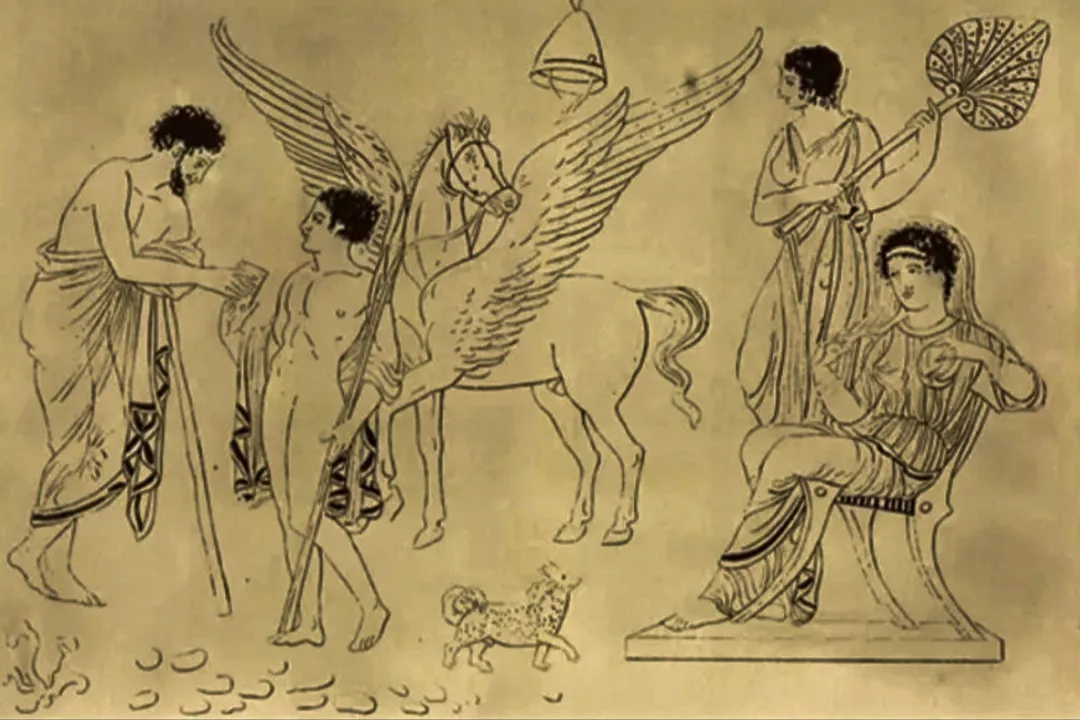
The lineage of the Volpino Italiano stretches back centuries, suggesting it is a breed deeply woven into the fabric of Italian history. Evidence points toward its presence as far back as the Roman era, establishing it as an authentic, time-tested canine. Belonging to the Spitz family, the breed shares ancestral connections with other Northern European dogs, yet it developed its distinct characteristics within the Italian peninsula.
Historically, the Volpino was not confined solely to the aristocratic courts; rather, it held value across different social strata. While the nobility appreciated its beauty and charming demeanor, it was also a functional dog for farmers and peasants. Its primary role in these settings was serving as an excellent watchdog. Its high level of alertness and natural tendency to bark made it an effective alarm system for the homestead, alerting owners to approaching strangers.
This breed faced a precarious existence, nearly vanishing entirely by the mid-1970s. The population dwindled to a critically low number, but dedicated enthusiasts stepped in to revive and preserve the breed. This dedicated conservation effort paid off, and the breed gained international recognition, notably receiving acceptance from the Fédération Cynologique Internationale (FCI) in 1999. While recognized by organizations like the CKC USA and acknowledged by major registries, it remains relatively uncommon compared to more popular small breeds, retaining a certain exclusivity.
# Defining Structure

The physical presentation of the Volpino Italiano is immediately striking, characterized by its pristine white coat and spitz-like features. It is firmly categorized as a small breed dog. Standard measurements generally place the height of the breed between 14 and 17 inches at the shoulder, or 35 to 43 centimeters. Correspondingly, a healthy adult typically weighs in the range of 9 to 13 pounds, or about 4 to 6 kilograms. This compact size contributes to its appeal as a companion that adapts well to various living situations, provided its exercise needs are met.
# Coat Color Texture
Perhaps the most defining physical trait, apart from its small size, is its coloring: the Volpino Italiano is exclusively white. While some standards might allow for very faint markings of lemon or biscuit shades, the ideal specimen is pure, brilliant white. This striking color is set off by its coat structure.
The coat itself is a double coat. This means there is a soft, dense undercoat beneath a longer, straight, harsh outer coat. When well-conditioned, the outer coat stands off the body, giving the dog a fluffy, elegant silhouette. This coat is particularly profuse around the neck, where it forms a distinct ruff, and also on the chest, hindquarters, and tail. The tail is carried high over the back, typically curled in a plume over the body. The breed also features erect, triangular ears set high on the head and dark, expressive eyes that contribute to its alert expression.
An interesting consideration for potential owners centers around managing this luxurious double coat. While the coat is described as standing off the body, suggesting a need for regular maintenance to prevent matting, the weekly brushing recommended is often less intense than for some long-haired breeds that lack the double coat structure. The undercoat sheds seasonally, requiring focused attention during those times, but consistent, thorough brushing once a week should keep the overall texture manageable and prevent the dead hair from building up beneath the harsh outer layer.

# Personality Profile

The temperament of the Volpino Italiano reflects its historical role as a vigilant companion while simultaneously showcasing its deep capacity for affection. They are generally described as lively, attentive, and highly attached to their families. This breed is fundamentally a companion dog, thriving on close interaction with its people.
This deep bond means they can be somewhat reserved or cautious when first meeting strangers. They are not typically known for being instantly outgoing with everyone they meet, preferring to assess new situations and people first. However, when properly socialized from a young age, they tend to integrate well with children and can coexist peacefully with other household pets. Early exposure to different sights, sounds, people, and animals is crucial for shaping their inherent reservation into appropriate caution.
The Volpino’s intelligence is notable, and they are generally eager to please their owners, which positively influences their trainability. They respond well to positive reinforcement methods. However, their alertness—the very trait that made them excellent alarm dogs—manifests as a predisposition to barking. If not managed, this can become an issue, particularly in apartment settings or when left isolated. The intelligent nature of the breed means they require more than just physical exercise; they need mental stimulation to prevent boredom, which often fuels excessive vocalization.
One aspect of their personality that owners should prepare for is the intensity of their focus. Due to their history as alert dogs and their deep loyalty, they form very strong attachments. This intensity means they do not fare well when isolated or left alone for extended periods. A Volpino thrives in an environment where they are integrated into daily family activities, rather than being relegated to a backyard or kennel.
# Ownership Requirements

Caring for a Volpino Italiano involves balancing their grooming needs with their exercise and mental demands.
# Physical Maintenance
Grooming is generally considered moderate for this breed. As mentioned, the profuse white double coat requires weekly brushing to keep it free of mats and tangles and to manage the seasonal shedding of the undercoat. Because the coat is white, owners must be vigilant about keeping the dog clean, although the coat is often cited as being relatively easy to maintain compared to other long-haired types. Regular nail trimming, ear checks, and routine dental care remain standard requirements for any companion dog.
# Activity Levels
Despite their small size, Volpinos are energetic dogs. They possess a lively spirit that translates into a need for regular physical activity. Daily walks and opportunities to run or play in a securely fenced area are important for expending their natural energy. Owners should factor in that this breed needs both physical exertion and mental challenges to remain content and well-behaved. A bored Volpino is more likely to develop unwanted habits, such as excessive digging or barking.
# Health Snapshot
Generally, the Volpino Italiano is considered a relatively healthy breed with a respectable longevity, often living between 12 to 15 years. However, like many purebred dogs, they can be predisposed to certain genetic conditions. One orthopedic issue frequently noted in breed health surveys is Patellar Luxation, where the kneecap temporarily slips out of place. Prospective owners should inquire with breeders about health testing relevant to this condition. While the information available suggests a generally sound constitution, prospective owners should maintain regular veterinary check-ups to ensure early detection and management of any potential issues that arise.
In terms of weight management, their small size means owners must be careful not to overfeed them, as even a few extra pounds can put undue strain on their joints, potentially exacerbating issues like patellar luxation. Watching food portion sizes closely is an easy, proactive step that complements their moderate exercise routine.

# Breed Recognition
The status of the Volpino Italiano in the world of organized dog breeding shows a breed that is formally acknowledged internationally but still establishing itself in some regions. The FCI granted them recognition, which speaks to the breed’s established type and stable population numbers maintained by Italian breeders. In North America, organizations like the Canadian Kennel Club (CKC USA) also recognize the breed, often classifying them within the non-sporting or companion groups. The American Kennel Club (AKC), however, often lists them in their Foundation Stock Service (FSS) or similar preliminary categories, indicating they are known but are still working toward full breed recognition, which often requires meeting higher population thresholds and documentation standards. This difference in recognition levels across major international bodies underscores their continued journey toward widespread official acceptance.
A comparison of recognition status across registries highlights the breed’s status as a genuine Italian native striving for wider global acceptance. For those interested in showing, understanding which kennel club recognizes them and what level of competition they qualify for is an important first step.
# Managing the Watchdog Instinct
The ingrained tendency to alert owners to every unusual sight or sound is a defining characteristic rooted in the Volpino’s functional history. This is not a negative trait but rather one that requires skilled management in a modern, densely populated setting. When the breed was working on farms, this vocal tendency was an asset. In a townhouse or apartment, it needs careful handling.
The key to ensuring this trait remains positive—a helpful alert rather than disruptive noise—lies in early and continuous training focused on quiet commands. Because the breed is intelligent and eager to please, they are capable of learning when an alarm is necessary and when silence is required. Owners should aim to validate the dog's alert (e.g., by checking what they are barking at) and then immediately cue a "quiet" command, rewarding compliance heavily. This honors their instinct while teaching them modulation. Integrating this vocal management into obedience training early on prevents the development of a chronic nuisance barker, transforming them from an overly sensitive alarm into a discerning sentinel.
Related Questions
#Citations
Volpino Italiano - Dog Breed Information - American Kennel Club
Volpino Italiano Facts - Dog Breeds - Wisdom Panel
Volpino Italiano Dog Breed Information - Continental Kennel Club
Volpino Italiano | Royal Canin US
Volpino Italiano | Dog Breed Facts and Information - Wag!
The Volpino Italiano Elegant, alert, and brimming with personality ...
Volpino Italianos - Dog Breeds - Embark
Volpino Italiano Dog Breed Complete Guide - A-Z Animals
Volpino Italiano Breed Information & Insights - Basepaws
History of the Italian Volpino - Gabriele Monticelli