Volpino Italiano Evolution

The story of the Volpino Italiano is a fascinating study in canine endurance, a narrative stretching back millennia with threads woven through Italian history and aristocracy before nearly vanishing from the world stage. This small, white Spitz-type dog, often mistaken for its more famous cousins, possesses a lineage that predates much of modern dog classification, yet its modern existence hangs by a relatively thin thread. [2][3] Understanding its evolution means tracing its ancient roots, charting its rise to favor, documenting its steep decline, and observing the dedicated efforts to bring it back from the brink of non-existence. [1]
# Ancient Roots
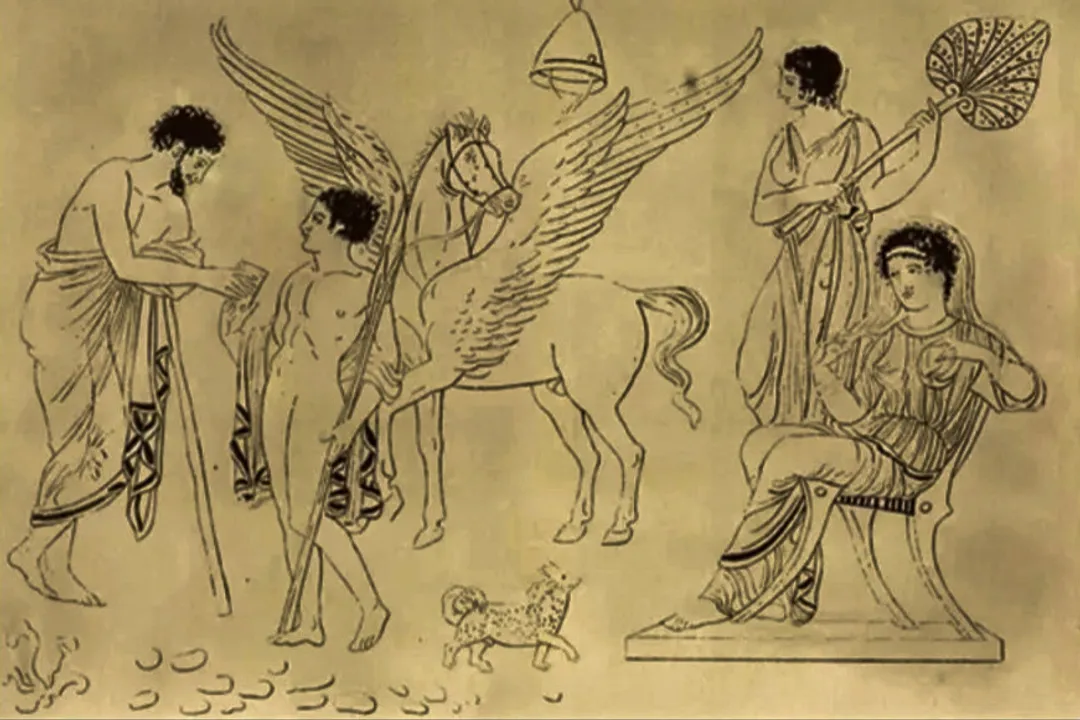
The Volpino Italiano is firmly planted in the family of Spitz dogs, characterized by their thick double coats, sharp muzzles, small triangular ears that stand erect, and tails that curl over their backs. [2][8] Its heritage is remarkably old, with evidence suggesting it was a companion dog in ancient Rome. [1] This antiquity places it among some of the oldest breeds known in the Mediterranean basin. [7] It shares a common ancestry with other northern Spitz types, a relationship that has often caused confusion when trying to isolate its distinct genetic identity over time. [6][9]
The breed’s name itself, Volpino Italiano, translates roughly to "little Italian fox," a nod to its fox-like features, sharp expression, and often reddish-tinted eyes. [4] While it shares physical similarities with breeds like the Pomeranian and the American Eskimo Dog, its unique historical presence within Italy sets it apart from those dogs which perhaps evolved further north or developed along different lines. [4][5] Interestingly, genetic history suggests a shared, very ancient origin point with the Keeshond, indicating a branching point in the European Spitz population long ago. [7]
# Nobility’s Favor
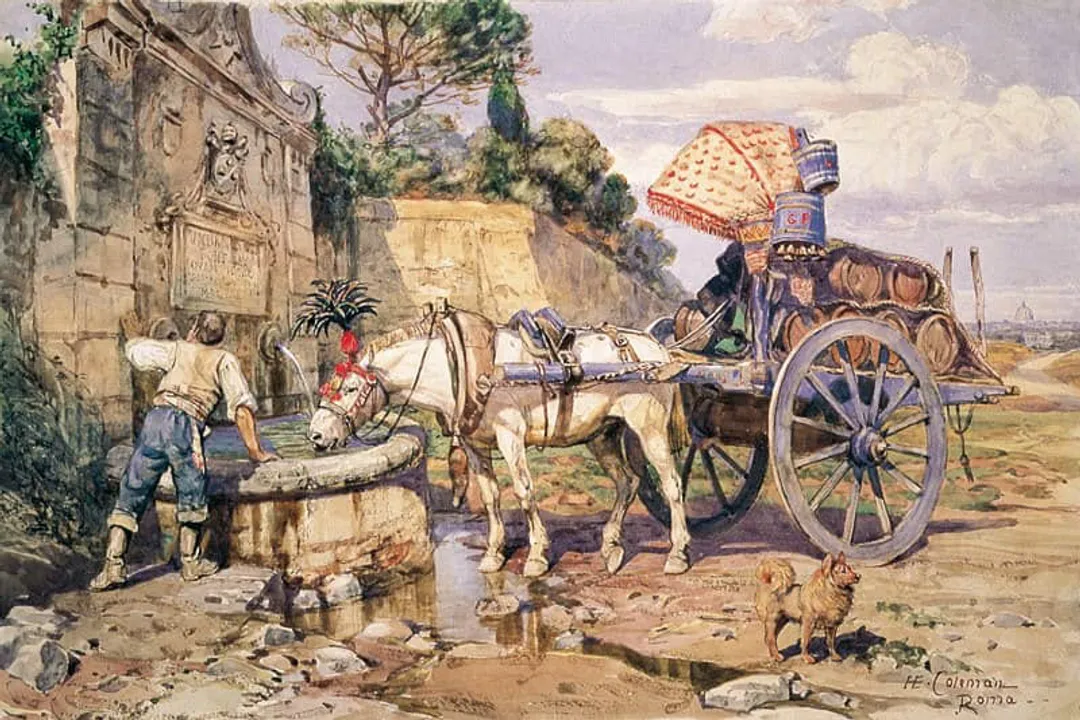
By the 17th century, the Volpino Italiano enjoyed a significant period of popularity, particularly among the Italian nobility and the educated classes. [1] These dogs were prized companions in aristocratic households, likely appreciated for their manageable size, striking white appearance, and their effectiveness as alarm systems—they were known to be excellent watchdogs, quick to alert their owners to any unusual sound or approaching stranger. [4][8] This patronage solidified its place within the Italian cultural landscape for a time, confirming its utility beyond mere looks. [3]
However, the relationship between a breed and its human patrons is often fickle, and the Volpino Italiano’s evolution took a sharp turn away from the spotlight. As societal tastes shifted, and perhaps as newer, more exotic, or more intensely bred companions gained favor, the Volpino began to fade from prominence in the grand estates. [1]

# Steep Decline

The 19th and early 20th centuries proved catastrophic for the breed. Its numbers dwindled rapidly, and by the mid-20th century, the Volpino Italiano was perilously close to total extinction. [1] While the exact mechanisms for this massive drop-off aren't always cataloged in detail, the primary factor for localized, ancient breeds is often a combination of changing fashion and reduced utility as industrialization altered lifestyles. [1][4]
The close physical resemblance to the Pomeranian—a dog whose popularity exploded internationally—likely played a role in this decline. It is easy to imagine that in areas where breeding efforts were scattered or inconsistent, Volpino litters may have been absorbed into Pomeranian lines, effectively diluting the pure Volpino gene pool or causing breeders to simply stop distinguishing between the two small white Spitzes. [2][5] This subtle blending, whether intentional or accidental, represented a critical bottleneck in the breed’s evolutionary path as a distinct entity. [1]
# Revival Efforts
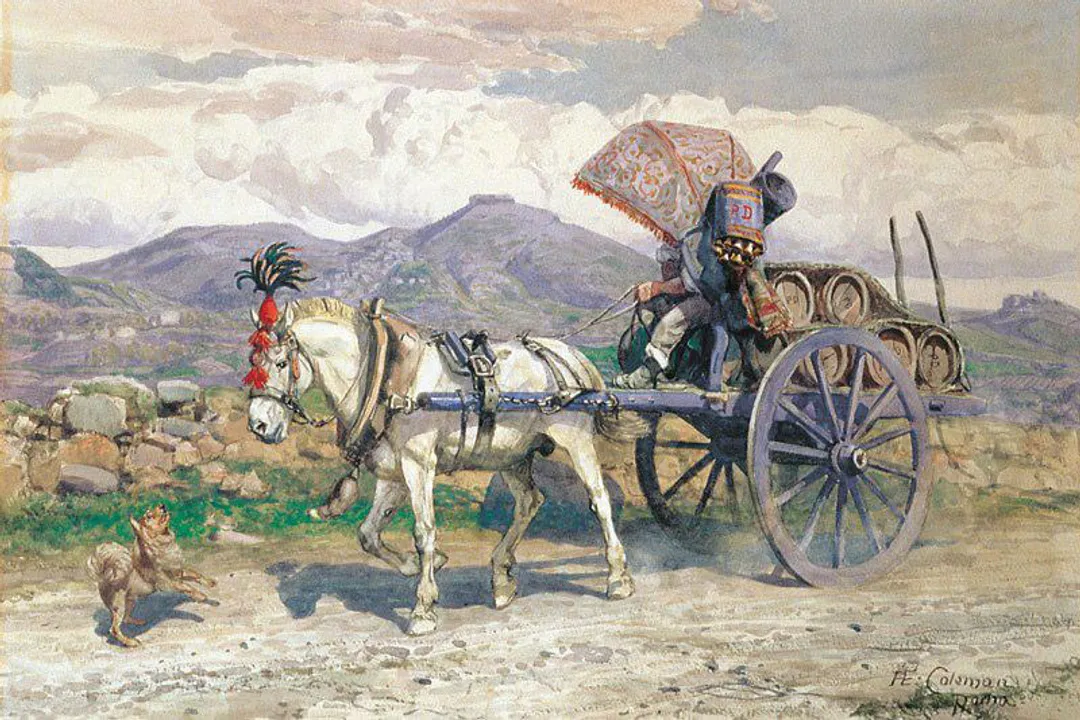
The seriousness of the situation prompted dedicated Italian enthusiasts to step in during the late 20th century, specifically around the 1980s, to locate and preserve the remaining pure specimens. [1] This conservation effort focused intensely on rescuing the breed from obscurity and establishing a verifiable foundation stock. This undertaking required meticulous research to distinguish true Volpino Italianos from other similar white Spitz breeds that had intermingled over the decades. [9]
Today, the breed remains rare, with estimates suggesting only around 300 individuals exist globally, though exact figures fluctuate based on conservation success. [1] This low population count underscores the fragility of its continued existence. For a small breed to recover from such a near-extinction event, careful, controlled breeding is essential to maximize genetic diversity within the limited gene pool. Prospective owners or breeders working with the few existing lines outside of established Italian conservation programs should certainly prioritize supporting breeders who are actively mindful of this genetic bottleneck, even within supposedly registered lineages. [1]

# Breed Classification
Physically, the adult Volpino Italiano typically stands between 12 and 15 inches at the shoulder, placing it firmly in the small dog category. [3][8] They possess that classic fluffy white coat, which requires consistent grooming to prevent matting and maintain its pristine look. [4] Functionally, they are recognized by the Fédération Cynologique Internationale (FCI), which places them in Group 5: Spitz and Primitive Types. [3][9]
This FCI placement confirms their status as a heritage breed related to Northern Spitz types, distinguishing them from more distantly related companion dogs. [10] However, the breed has not yet achieved recognition by major registries in other parts of the world, such as the American Kennel Club (AKC), where they currently reside in the Foundation Stock Service (FSS). [3] This designation means they are being evaluated but are not yet competing in full status shows, reflecting their limited international presence compared to their native Italy. [3]
# Utility and Temperament
Historically, the evolution of the Volpino was tied to its role as a companion and watch dog. [3][8] They are described as intelligent and alert, traits necessary for a dog whose job was to guard the home, even if only by barking. [4] Their temperament is often characterized by being lively, affectionate with their families, and generally reserved or wary around strangers. [8] They are not bred for herding or hunting; their evolution centered purely on companionship and household security. [1]
Comparing their historical roles to other Spitz breeds can offer insight into their specialized niche. While the Pomeranian developed into a purely lap dog, and the Keeshond often served as a barge dog or farm watchman, the Volpino seems to have maintained a balance, favoring the intimate role of a house companion while retaining a sharp, ancestral awareness of its surroundings. [7] The very fact that the breed survived millennia in an agrarian and aristocratic Italian setting, rather than in harsh northern climates, suggests an evolution prioritizing companionship traits over extreme hardiness or specialized working ability. [1] This reliance on close human quarters likely made them extremely vulnerable when human lifestyles changed drastically during the Industrial Revolution, accelerating their decline when their domestic environment shifted. [1]
# Current Standing
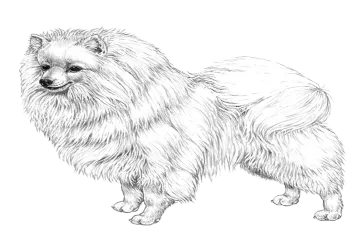
The present-day evolution of the Volpino Italiano is less about natural selection or radical specialization and more about careful, managed survival through dedicated kennel club support in Italy. [1] The breed's entire modern existence relies on the disciplined efforts of breeders committed to preserving the historical type against genetic drift and low numbers. [1]
The visual evidence of the breed—its cloud of white fur, alert stance, and small stature—tells the story of an ancient lineage carefully insulated, then nearly lost, and now painstakingly resurrected. While they may look similar to dogs that achieved global fame, like the Pomeranian, the Volpino Italiano represents a distinct, localized branch of the Spitz tree whose evolution has been defined more by its near-disappearance than by widespread proliferation. [2][5] Their future depends entirely on the continued commitment to responsible breeding practices that prioritize genetic health within their small, treasured population. [1]
Related Questions
#Citations
History of the Italian Volpino - Gabriele Monticelli
Volpino Italiano - Wikipedia
Volpino Italiano - Dog Breed Information - American Kennel Club
Volpino Italiano Dog Breed Health, Temperament ... - PetGuide
TIL that although Volpino Italianos look similar to Pomeranians, they ...
Volpino Italianos - Dog Breeds - Embark
The Volpino and Keeshond: Shared Ancestry?
Volpino Italiano | Dog Breed Facts and Information - Wag!
VOLPINO vs SPITZ BREEDS | volpinoitalianoclub
Volpino Italiano - Europetnet