Vizsla Physical Characteristics
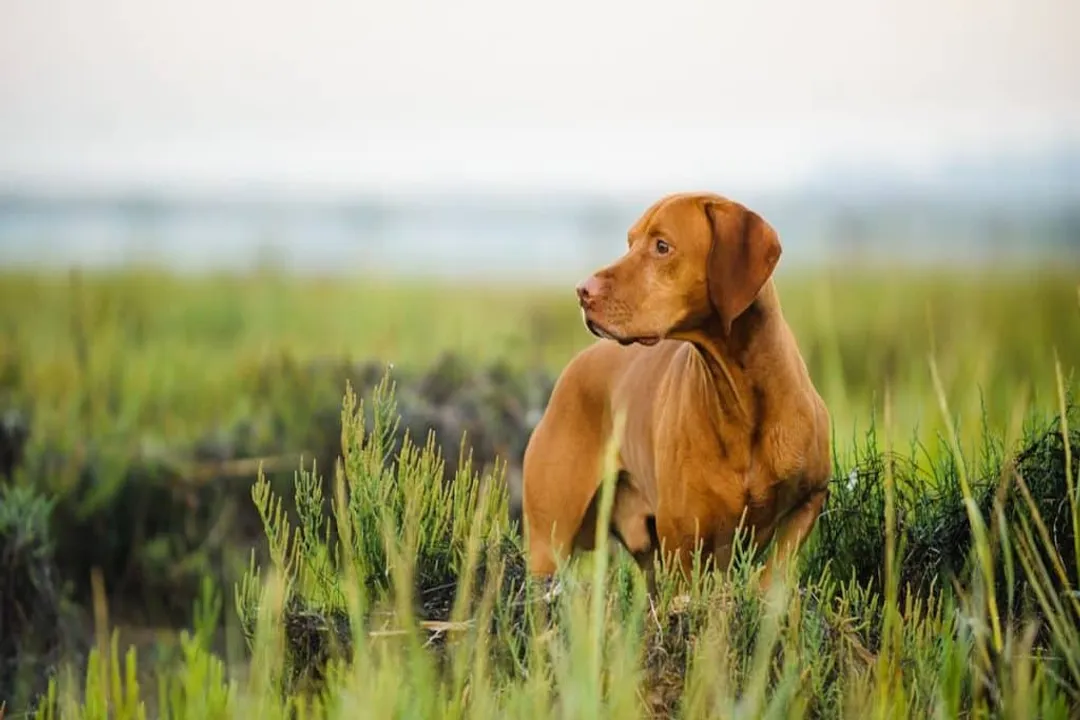
The Vizsla, sometimes referred to as the Hungarian Pointer, is a breed immediately recognizable by its distinctive appearance, which speaks volumes about its heritage as a versatile hunting dog. This breed projects an image of elegant bearing combined with powerful athleticism, being described as both robust yet lightly built with defined musculature. Their physical structure is clearly designed for speed and endurance, a necessity for the long days they historically spent in the field retrieving game on land and in water.
# General Build
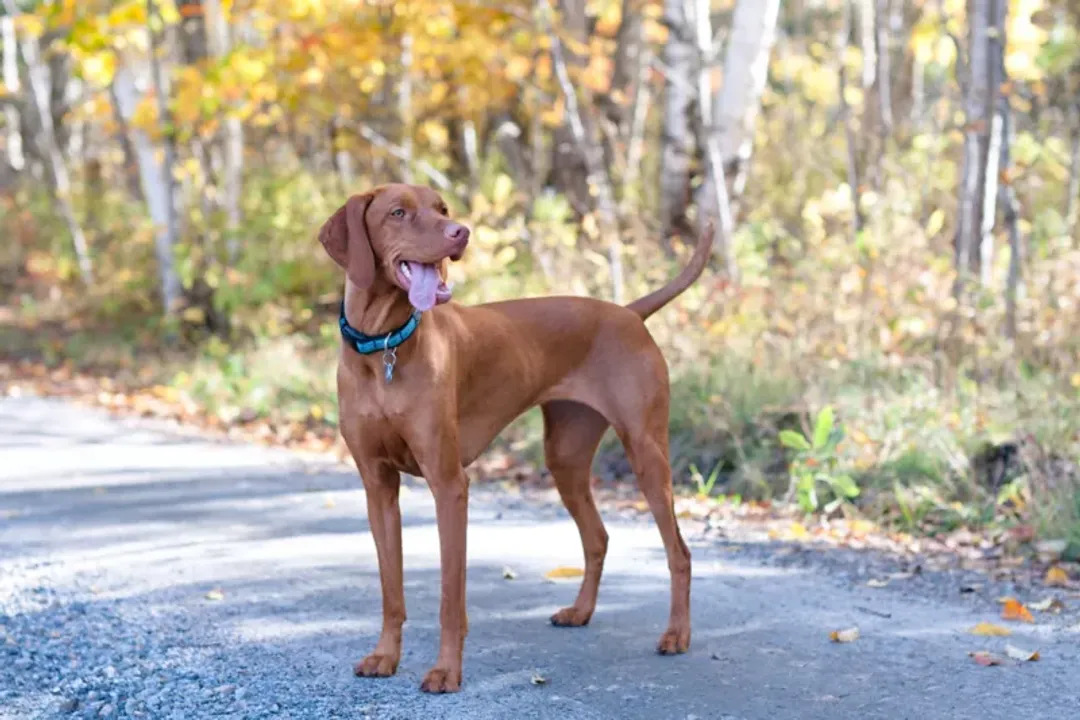
The Vizsla is categorized as a medium-sized dog. The overall impression is of a lean, muscular animal built for agility and capable of significant speed. In terms of proportion, the body is typically slightly longer than it is tall, contributing to its sleek silhouette. They possess a deep chest, which suggests good lung capacity, an essential trait for an endurance athlete. While strong, their frame remains light enough for efficient, graceful movement.
When assessing size, there are slight variations between the sexes, as is typical. Male Vizslas generally stand between 22 and 25 inches at the shoulder. Their weight usually falls in the range of 55 to 60 pounds. Female Vizslas are characteristically smaller, typically measuring between 21 and 24 inches tall. Correspondingly, females generally weigh between 44 and 55 pounds. It is worth noting that while the breed is medium-sized, sources sometimes report weights up to 66 pounds for males and 55 pounds for females depending on the standard consulted, suggesting some variation within the breed population itself.
# Coat Coloration
Perhaps the most striking physical feature of the Vizsla is its coat color, which is monochromatic—meaning the eyes, nose, and coat harmonize. The universally accepted color is a shade of golden rust. This coloration is described using various nuanced terms, including coppery red, russet gold, and dark sandy gold. Conversely, solid, deep mahogany red or pale yellow shades are generally considered faults or disqualifications in competition settings.
A small area of white on the fore-chest, neck, or toes is sometimes permissible, though not typically preferred under strict breed standards. Interestingly, while the breed is noted for its lack of noticeable "dog smell" and being "self-cleaning," their coats do produce natural oils. This characteristic, combined with the lack of an insulating undercoat, contributes to their sensitivity to cold weather; owners in cooler climates often find a dog coat necessary to keep their companion warm outdoors.
# Coat Texture and Maintenance
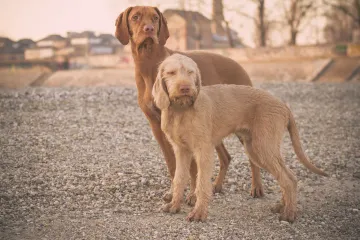
The Vizsla features a very short, smooth, and dense coat that lies close to the body. Crucially, the breed standard specifies that they lack a woolly undercoat. This single-layer coat contributes significantly to the breed’s low grooming requirement, often described as "wash and wear". Routine care primarily involves brushing every few days or weekly with a rubber curry brush to maintain glossiness and remove loose hair, especially during shedding periods. Because their short coat is efficient at drying after a swim or getting wet, they rarely require frequent bathing—often only once a month or when visibly dirty.
The fine texture of the coat allows for a direct appreciation of the dog's musculature, which is a point of pride for enthusiasts of the breed. If one were to compare the Vizsla to another similarly colored breed like the Weimaraner, the Vizsla is characteristically leaner with a more defined muscle tone.
# Head and Features
The head of the Vizsla is sculpted, framing intelligent and curious eyes. A key identifying feature is the muzzle shape, which is often described as being square. The eyes are medium-sized, and their color is meant to blend naturally with the coat color, resulting in a warm, expressive look. A reddish nose that matches the coat is standard; a black, brown, or light pink nose suggests a mix with another breed.
Their ears are long and floppy, hanging close to the cheeks, and the tips are rounded. These features contribute to the breed’s affectionate and gentle expression.
One aspect of the Vizsla’s appearance that has generated discussion among breed enthusiasts and the broader veterinary community is the tail. The American breed standard traditionally calls for the tail to be docked to about two-thirds of its original length. However, other regions, like the UK, permit a natural tail, reflecting evolving views on cosmetic surgeries. Even when docked, the Vizsla’s tail is notably longer than that of breeds like the Dobermann or Boxer, often leading to variation in tail length between dogs from different breeding programs.
# Movement and Structure
The physical attributes of the Vizsla translate directly into its movement, which is characterized by grace and high agility. Their gait is described as graceful, enabling them to achieve great speed when needed for hunting or sport. Their build suggests an athletic and dynamic nature, capable of covering ground efficiently.
From an observational standpoint, one can often notice a quick, almost cat-like nimbleness in the Vizsla, allowing them to jump both laterally and vertically with surprising capability, sometimes landing them unexpectedly on surfaces like kitchen counters. This combination of lean muscle and light footwork supports their prowess in various activities, from field work to competitive dog sports like agility. An interesting structural element that aids their versatility is the presence of webbed feet, making them natural swimmers. However, because of their lack of insulating undercoat, time spent in cold water must be monitored.
Here is a summary of key physical measurements gathered from the standards referenced:
| Characteristic | Males | Females | Source Notes |
|---|---|---|---|
| Height (in) | 22–25 | 21–24 | Ranges vary slightly by source (e.g., up to 27 in max) |
| Weight (lb) | 55–60 | 44–55 | Ranges vary slightly by source (e.g., up to 66 lb max) |
| Coat | Short, smooth, dense | Short, smooth, dense | Lacks undercoat |
| Color | Solid Golden Rust | Solid Golden Rust | Shades range from pale yellow to deep red |
| Lifespan (years) | 12–15 | 12–15 | One study noted 13.5 years average |
Considering the breed’s history as a working hunter, it’s fascinating to note how their physical characteristics align with their historical function. The lean build and athletic structure are essential for the pointing aspect of their job, requiring them to maintain a focused, still posture, but the deep chest and stamina are equally crucial for the retrieving aspect across varied terrain and water. The lack of an undercoat, while making them physically vulnerable to cold, likely contributed to the fast drying time needed when working in damp fields or retrieving waterfowl, preventing them from becoming waterlogged and heavy. This trade-off highlights a specialization for the temperate climate of their Hungarian origins.
For those observing a Vizsla in motion, pay attention to how they carry themselves when not engaged in vigorous work; the breed’s aristocratic bearing should still be evident, even when they are simply trotting from one resting spot to another. This elegance in repose, juxtaposed with explosive speed when commanded, is part of the breed’s appeal. Furthermore, understanding that their short, tightly-lying coat means everything on their body is close to the surface—including any minor injury or skin irritation—is key for daily observation; a quick daily visual check after activity can spot a tick or the start of an allergic reaction far more easily than on a long-haired breed. This physical characteristic dictates a slightly different approach to routine health monitoring compared to their double-coated counterparts.
Related Questions
#Citations
Vizsla Facts - Dog Breeds - Wisdom Panel
The Vet's Guide to Vizsla Dogs: Facts, Care, and Training Tips
Vizsla - All About Dogs | Orvis
Vizsla - Wikipedia
Vizsla Dog Breed - Hill's Pet Nutrition
The Vizsla: From Royal Hunter to Modern-Day Family Dog
Vizsla Dog: Breed Guide - Rover.com