Vinegaroon Diet
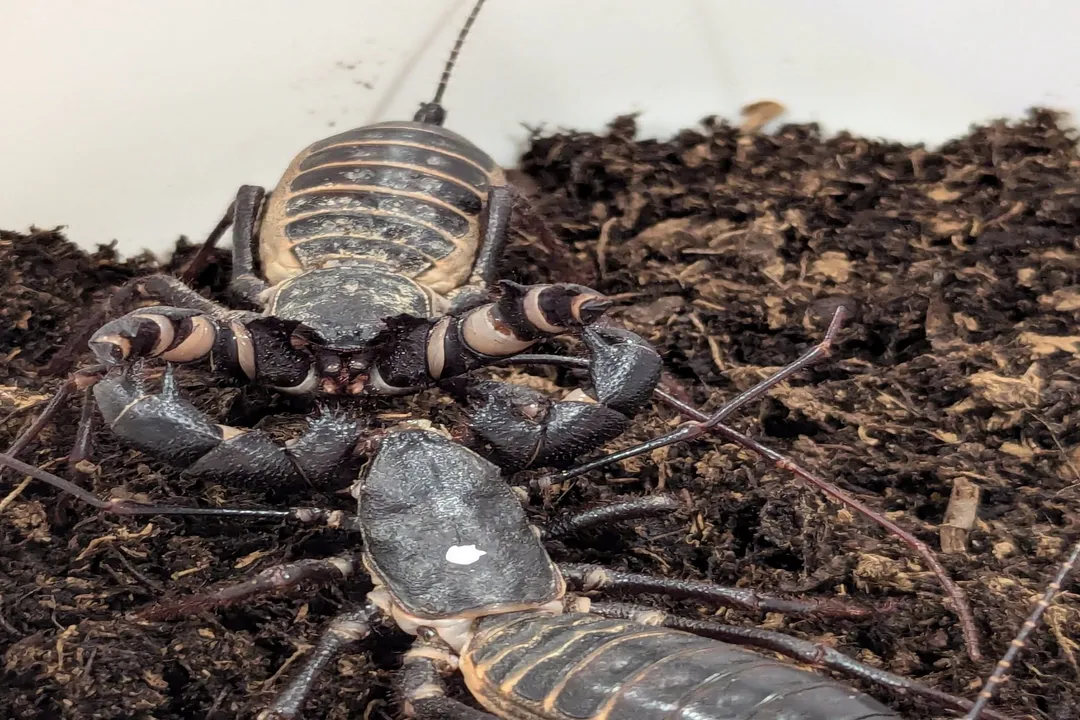
The diet of a vinegaroon, sometimes known as the whip scorpion, is straightforward, revolving primarily around live invertebrate prey. These fascinating desert dwellers are opportunistic carnivores, and while they can survive for extended periods without a meal, providing appropriate sustenance is key to maintaining their health and vigor in captivity. [4][8] Understanding what to feed them, and perhaps more importantly, what not to feed them, is fundamental to good husbandry for these Uropygi. [8]
# Appropriate Prey Items
The staple diet for captive vinegaroons consists mainly of commercially available feeder insects. [2][4][6] A variety of insects are typically accepted. Common mainstays mentioned across care guides include crickets and various types of roaches. [2][3][4][5][6]
When considering variety, other insects can supplement the diet. Mealworms are often included in the rotation. [1][3] However, some keepers suggest that certain items should be treated as occasional indulgences rather than the primary food source due to their fat content. For instance, superworms and waxworms are sometimes noted as being quite fatty and are best offered sparingly, perhaps as a treat for a large adult. [1] For very small juveniles, or "slings," appropriately sized pinhead crickets might be necessary to ensure they can successfully take down their meal. [3]
It is also worth noting that while insects form the bulk of their meals, larger specimens, especially mature adults, may occasionally consume a pinky mouse. [2][4] This is generally reserved for the largest individuals and should not be a regular part of the diet for smaller or sub-adult vinegaroons.
# Feeding Regimens
How often one feeds a vinegaroon depends heavily on its developmental stage. The metabolism and feeding requirements of a newly acquired sling are vastly different from those of a fully grown adult. [3]
For juveniles, a more frequent feeding schedule is appropriate. Recommendations often suggest offering food every four to seven days. [3][4] This consistent intake supports their rapid growth phases.
Adult vinegaroons, by contrast, are notoriously slow-moving and hardy, capable of enduring long fasts. Care sheets often advise feeding fully grown specimens every one to two weeks, [2][4] though some keepers stretch this to every two to three weeks. [3] This slower frequency aligns more closely with their natural foraging behavior, where a successful hunt might sustain them for quite some time in arid environments. [6]
# Sizing Prey
A critical aspect of successful feeding, beyond just what you feed, is ensuring the prey item is appropriately sized relative to the vinegaroon itself. This is especially important when dealing with active insects that could potentially stress or even injure a slower-moving arachnid or arachnid relative. [2]
A general rule of thumb observed across several care directives is that the feeder insect should be no wider or longer than the vinegaroon's abdomen. [2] If the prey item is substantially larger than this threshold, the vinegaroon might struggle to subdue it, leading to a prolonged, unsuccessful struggle that wastes the keeper’s time and potentially harms the pet. [2] For example, while a large adult might handle a large cricket, feeding that same cricket to a medium-sized vinegaroon could be counterproductive if the cricket's bulk impedes the vinegaroon’s ability to maneuver or if it kicks too powerfully.
Consider the difference in prey handling between different insects. A cricket, while suitably sized, can be very agile and prone to jumping out of the enclosure or stressing the vinegaroon during the hunt. Roaches, especially slower-moving varieties, are often preferred by keepers because they present a more stationary target, making the predation event less taxing for the vinegaroon. [1][3] If you select a particularly fast insect, even if the size is correct, watching the initial interaction to ensure the vinegaroon makes a successful strike quickly is a good practice for new keepers.
# Water Access
While strictly speaking not part of the diet of consumed food, access to fresh water is intrinsically linked to the vinegaroon’s overall bodily maintenance and is just as crucial as its meals. [2] Every keeper should provide a shallow water dish within the enclosure. [2][3][4][6]
This dish does not need to be deep, as vinegaroons are not aquatic and should not risk drowning. [2] The goal is simply to provide a source of moisture that they can easily access for drinking. [6] In drier desert environments, they will use this water source, especially as they age or if environmental humidity drops. [4]
# Managing Leftovers
Vinegaroons are not known for being fast eaters, and they may take their time deciding whether or not to consume a presented meal. [2] Because of this deliberation period, it is standard practice to only leave live prey in the enclosure for a set amount of time.
If the vinegaroon has not taken the feeder insect within 24 hours, it is generally recommended to remove the uneaten prey. [2][3] There are several reasons for this removal. First, an uneaten, live insect—especially a cricket—can become stressed, die, and then mold or contaminate the substrate, which can pose a health risk to the vinegaroon. [2] Second, a large, active insect left loose in the enclosure might begin to dig into the substrate, potentially disturbing the vinegaroon if it decides to burrow or become defensive. [1] If the vinegaroon was hunting but missed, simply reintroducing the prey a few days later after ensuring the prey is healthy and properly gut-loaded is a viable option. [3]
# Fasting and Molting
One area where dietary observation becomes very important is in recognizing pre-molt behavior. A vinegaroon that suddenly refuses food, even when offered its preferred insect, may simply be preparing to shed its exoskeleton. [2][3] This cessation of eating is often termed fasting. [2]
It can be difficult for new owners to distinguish between a vinegaroon that is simply being picky or resting, and one that is genuinely refusing food due to illness or an issue with the prey item. However, a healthy vinegaroon can go for many weeks, sometimes months, without eating, particularly during cooler times or before a molt. [3][4] If you notice a prolonged refusal to eat, look for other signs. Is the vinegaroon spending an unusual amount of time hidden away? Is it refusing water? If the animal seems lethargic or hides completely for several weeks without the telltale signs of a pre-molt hardening (like a change in coloration or a slightly swollen abdomen), then it may be time to check ambient temperature and humidity levels, as those environmental factors often dictate feeding drive more than the mere presence of food. [6]
For instance, if the enclosure temperature has dropped slightly below its preferred range (often cited around 75–85 degrees Fahrenheit [3][4]), the vinegaroon’s entire metabolism will slow down, leading to a natural disinterest in high-energy meals like live crickets. Correcting the temperature, rather than force-feeding or worrying excessively about the missed meal, is the correct management action in that scenario. A healthy animal will resume eating shortly after its environment is optimized. [2]
# Preparation and Supplementation
Ensuring that the prey insects themselves are nutritious is a vital, indirect part of the vinegaroon’s diet. This process is known as gut-loading. [3] Gut-loading means feeding the insects a diet rich in vitamins and nutrients for at least 24 to 48 hours before offering them to the vinegaroon. [3] The nutritional value of the prey directly transfers to the predator. If crickets are fed only stale oats, the vinegaroon receives minimal benefit from that meal. Providing the feeder insects with fresh vegetables, quality commercial insect chow, and proper hydration ensures that the vinegaroon receives the necessary dietary components when it consumes the insect. [3]
While calcium dusting is sometimes mentioned for other arthropods, it is less commonly emphasized for vinegaroons, likely because their primary diet is whole insects which already contain chitin and some mineral content. [2] The focus remains squarely on gut-loading the feeders and providing the correct variety and frequency of whole prey. [3]
By focusing on appropriately sized, gut-loaded feeder insects, maintaining a consistent, stage-appropriate feeding schedule, and always providing fresh water, keepers can ensure their giant vinegaroon thrives on a diet that mirrors its natural predatory habits. [2][6]
#Videos
How To Care for a Vinegaroon (Mastigoproctus giganteus ...
Related Questions
#Citations
Giant Vinegaroon substrate/diet
Mastigoproctus giganteus
Vinegaroon Care Sheet - Mad Walshs
Giant Vinegaroon Care
Giant Vinegaroon
WonderLab's Desert Dwellers: Vinegaroon
How To Care for a Vinegaroon (Mastigoproctus giganteus ...
Vinegaroon (Uropygi) - Species, Lifespan, Size, Diet, & ...