Is the desert rain frog rare?
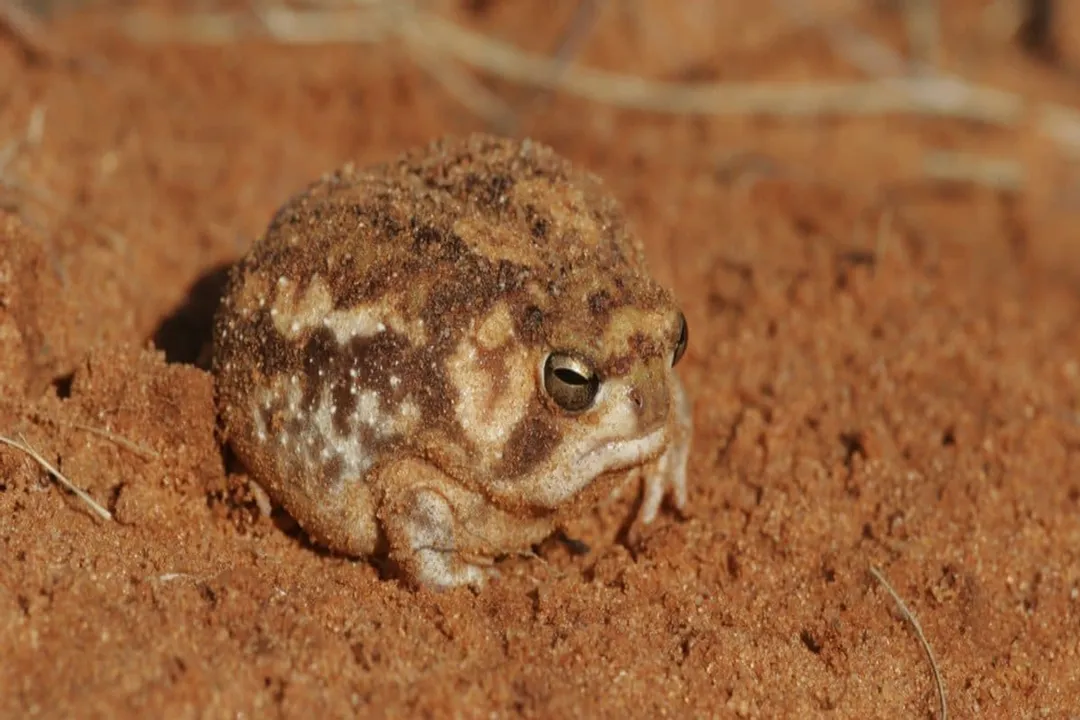
The simple answer to whether the desert rain frog (Breviceps macrops) is rare leans heavily toward yes, especially when considering its specialized habitat and the serious pressures it faces. This small amphibian, instantly recognizable by its almost comical, plump appearance and large eyes, has a distribution restricted to a very narrow band of coastal sand dunes between Namibia and South Africa. [1][8] Its elusiveness contributes to this perception; while it is nocturnal and spends most of its time burrowed beneath the sand, its very existence is tied to a fragile ecosystem under extreme human impact. [6]
# Small Size

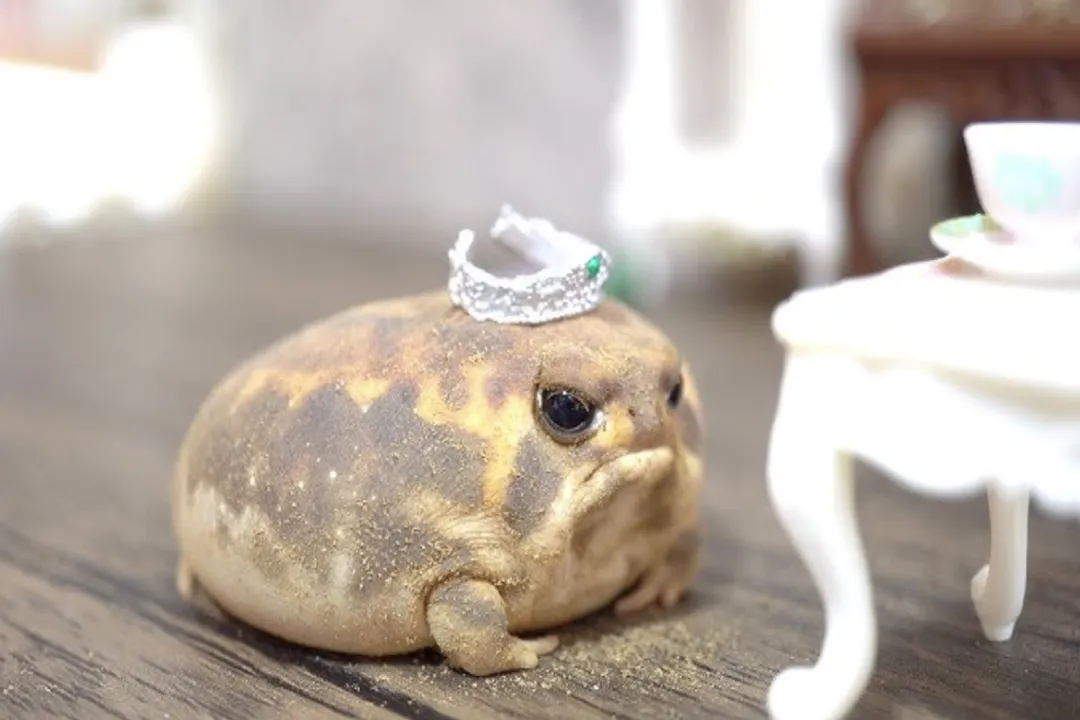
This frog rarely exceeds the size of a golf ball, typically measuring only about 2 inches (5 centimeters) in length. [3] It possesses a very round, almost balloon-like body, supported by short, stout legs. [1] This morphology is a direct adaptation to its sandy environment. Unlike many frogs that can leap or swim effectively, the desert rain frog is built for burrowing rather than traversing distances on dry land or in open water. [3] Its skin is typically translucent or sandy colored, helping it blend perfectly with the dunes it calls home. [1] The distinctive, oversized eyes seem perpetually wide, perhaps reflecting the challenging conditions of its sparsely vegetated, arid world. [1]
# Unique Development
One of the most fascinating biological aspects of the desert rain frog is its reproductive strategy, which completely bypasses the typical amphibian larval stage. [1] Most frogs undergo metamorphosis, hatching as aquatic tadpoles that eventually develop into land-dwelling adults. The desert rain frog, however, exhibits direct development. [1] The female lays a small clutch of eggs deep within the sand dunes. [1] These eggs develop internally until fully formed froglets emerge, a strategy perfectly suited for an environment where standing fresh water is virtually nonexistent. [1] This specialization means the species cannot simply relocate to a nearby pond or river if its immediate surroundings become unsuitable; its entire lifecycle is bound to the moist, specific substrate of the coastal dune belt. [1]
# Restricted Range
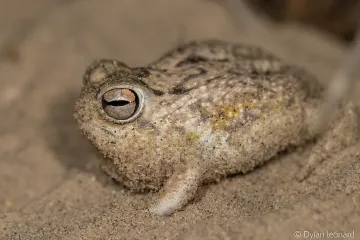
The geographic area inhabited by Breviceps macrops is extremely small, confined to the foggy, arid coastal regions of the Namib Desert, specifically touching parts of Namibia and South Africa. [1][6] This endemic nature immediately raises conservation red flags. When a species' entire range fits within a few hundred miles of coastline, any localized environmental catastrophe can have population-wide consequences. [5] They rely heavily on the coastal fog for moisture, rather than rainfall, burrowing deep during the day and emerging at night to hunt small invertebrates, insects, and spiders that are also adapted to this boundary zone. [1][3] The dependency on fog, rather than rain, creates a very narrow habitable zone, limiting their resilience to environmental changes that might affect fog frequency or intensity. [1]
# Habitat Pressures
The primary reason to classify the desert rain frog as rare or threatened is the direct and severe threat to its habitat. The most significant danger comes from diamond mining in the Sperrgebiet region of Namibia, an area central to the frog's distribution. [5] Diamond extraction often involves removing the surface sand layers, which destroys the delicate dune structure these frogs rely on for shelter and reproduction. [5] Imagine the scale of this impact: these operations essentially strip-mine the frog’s entire necessary environment, leaving behind unsuitable, often compacted, terrain. [5] Because the frog’s survival is tied to the specific structure and moisture retention of the dune system, habitat loss translates directly into population collapse. While the species is known to exist in protected areas like the Namib-Naukluft Park, the threat posed by activities in adjacent, non-protected zones remains acute. [5]
Considering how small the established range is, the intensity of industrial activity within that zone suggests a significant portion of the global population could be severely fragmented or lost over short timescales. This is not a species that can easily adapt to shifting its home a few miles inland where the climate might be drier or the sand structure different; they are intrinsically linked to the immediate influence of the cold Atlantic ocean air. [1]

# Online Fame
In recent years, the desert rain frog gained unexpected celebrity status online due to short videos showcasing its distinct, high-pitched defensive squeak. [2][7] When frightened or handled, the frog inflates slightly and lets out a sound often described as similar to a small squeaky toy. [2] This "cuteness factor" has propelled it into viral fame across social media platforms. [7]
While increased awareness can sometimes translate into better conservation efforts, the digital popularity of this particular frog brings its own risks. [7] The very phenomenon that brought it attention—videos of people gently squeezing or holding the frog—highlights a crucial conservation dilemma: the desire to see and interact with a rare animal can inadvertently harm it. [7] Many comments online show enthusiasm but perhaps lack understanding of the fragility of its ecosystem. [2] It is essential for people to remember that this creature is wild, sensitive, and requires undisturbed habitat to survive. [7] This fame must be channeled into respecting its boundaries, not encouraging its disturbance. The very presence of widespread sharing also means that individuals who are experts or actively monitoring populations might face difficulty distinguishing between genuine citizen science observation and potentially harmful interactions driven by online trends. [7]
# Conservation Outlook
The combination of a very restricted range, life cycle dependency on a narrow ecological niche (the coastal dune), and direct anthropogenic pressures like mining strongly suggests that Breviceps macrops is indeed rare and requires active protection. [5] While the exact IUCN Red List categorization can fluctuate, the known threats place it in a precarious position. [1][5] For those interested in South African or Namibian wildlife, recognizing this frog's vulnerability is key. Unlike large, charismatic megafauna, the conservation of tiny, ground-dwelling species like the desert rain frog often depends on policy protecting the land itself, rather than just the animal. [5] For instance, advocating for stricter environmental assessments surrounding resource extraction in the coastal Namib region directly aids this species more effectively than focusing only on individual sightings.
The very difficulty in observing them in the wild—their nocturnal, burrowing habits—is itself a conservation advantage in some ways, as they are less likely to be disturbed by daytime tourist traffic compared to, say, basking reptiles. However, this natural defense mechanism does little against industrial-scale habitat destruction occurring beneath the sand where they sleep. [6] Therefore, the rarity of the desert rain frog is less about low numbers across a wide area, and more about high extinction risk concentrated in a very small area due to specific, ongoing human activity. [5] Understanding this species means understanding the critical importance of preserving the dune interface where the fog meets the sand.
Related Questions
#Citations
Desert rain frog - Wikipedia
The desert rain frog, please ease my mind. - Reddit
Desert Rain Frog - Breviceps macrops - A-Z Animals
Desert rain frog facts and habitat - Facebook
[PDF] How important is the threat of diamond mining to Breviceps macrops
The desert rain frog - Travel Namibia
Rain Frogs and the Dark Side of Social Media's Exotic Pets
Desert Rain Frog (Breviceps macrops) - iNaturalist