What is a bea tzu dog?
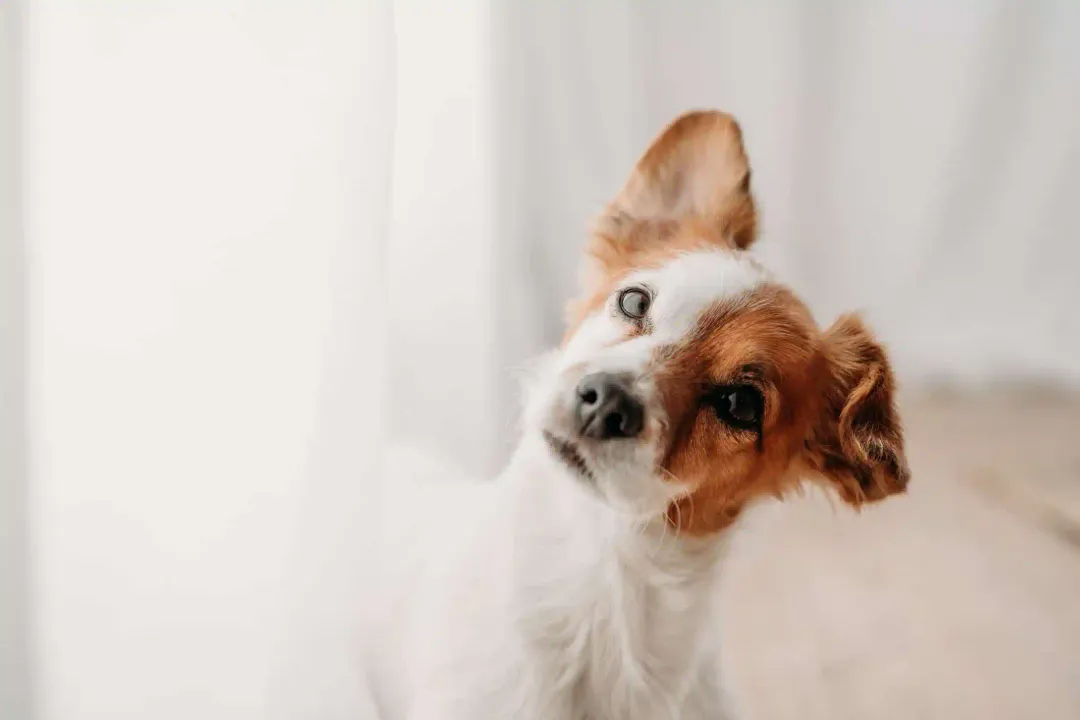
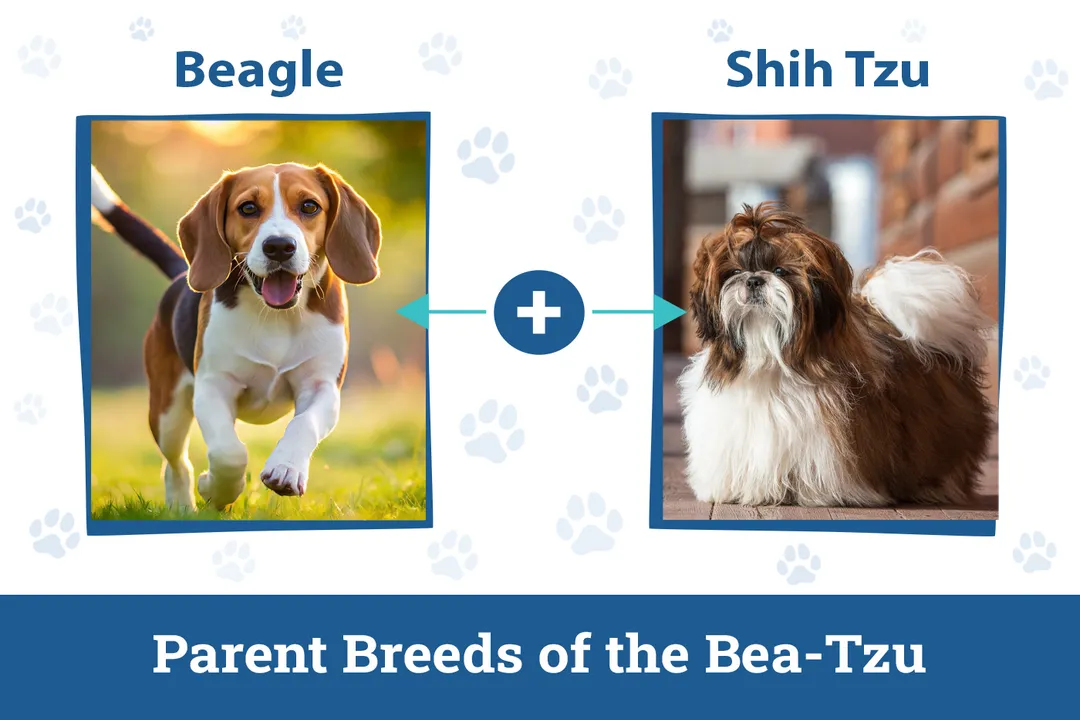
The Bea-Tzu is a charming mixed breed that has captured the hearts of many dog lovers looking for a companion boasting a blend of two well-established lineages: the loyal Beagle and the spirited Shih Tzu. As a "designer dog," the Bea-Tzu does not have a history as a purebred recognized by organizations like the American Kennel Club (AKC). Instead, it represents a deliberate cross, often resulting in a small-to-medium-sized dog packed with personality. While the exact lineage is a 50/50 mix, puppy traits can lean toward dominance from either parent breed, meaning each individual Bea-Tzu will present a unique combination of characteristics.
# Defining Breed
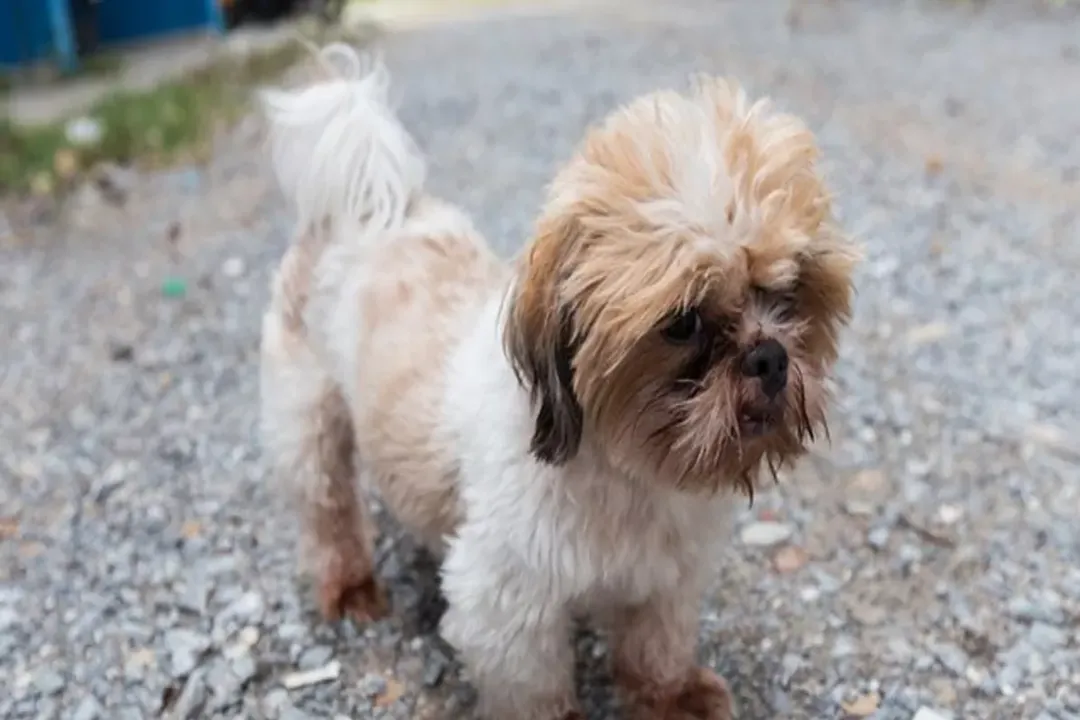
This hybrid surfaced relatively recently, likely within the last few decades, as breeders sought to combine desirable traits from both parent breeds, such as a gentler disposition, a smaller stature suitable for various homes, and perhaps even hypoallergenic qualities, though the latter is never guaranteed in a crossbreed. Other names sometimes used for this mix include the Beazu or Shigle. Generally falling into the toy dog classification due to its modest size, the Bea-Tzu is often noted for being affectionate, loyal, and quite intelligent. Prospective owners should understand that ownership requires a degree of confidence, especially when dealing with the potential stubborn streak inherited from its hound ancestor.
# Parental Legacy
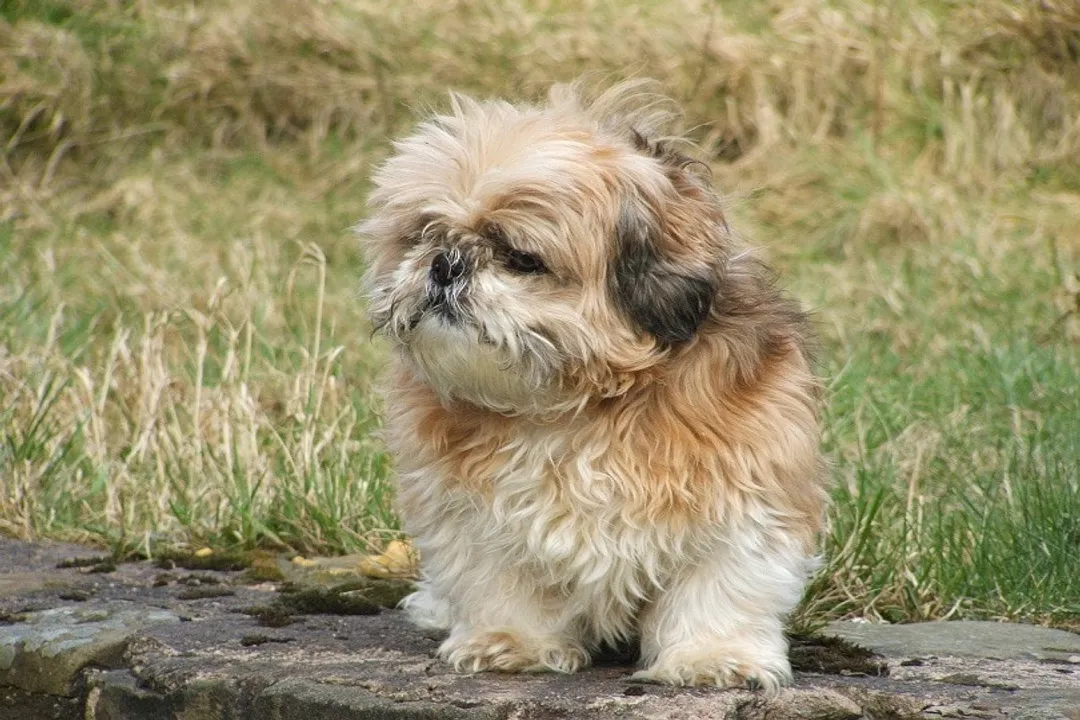
To truly understand the Bea-Tzu, one must appreciate the foundation laid by the Beagle and the Shih Tzu. The Beagle brings its ancestry as a hound developed in England for hunting small game like rabbits. This heritage contributes strong scent drives, vocal tendencies (howling), and sometimes an infamous stubborn streak regarding training. Conversely, the Shih Tzu, a breed tracing its origins back to ancient Tibet and China, contributes a spunky personality, intelligence, and traits often associated with companion dogs, including being an excellent watchdog. The desired outcome of the cross is often a loving, good-natured pet that retains the Beagle’s affability while benefiting from the Shih Tzu’s companion qualities.

# Physical Stature
The Bea-Tzu is generally described as a small dog, measuring about 9 to 15 inches in height and weighing between 15 and 25 pounds upon reaching adulthood. However, figures vary slightly across sources, with some noting a height range of 10 to 12 inches and a weight up to 23 pounds. As a mixed breed, there is no official breed standard, meaning coat colors can vary, frequently appearing as white with black or brown markings, solid black, or brown. They tend to feature short legs, a body that is small enough for cuddling, and a head that might appear large relative to the rest of their frame. A notable physical characteristic is their large, floppy ears, inherited from the Beagle, which necessitate special attention. Their coat usually leans toward the thicker, soft, and silky texture associated with the Shih Tzu.
# Temperament Mix
The typical Bea-Tzu personality is often characterized by being active, affectionate, intelligent, and deeply loyal to their immediate family. They enjoy being the center of attention and frequently make excellent, loving family companions, often getting along well with children. They are also known to be protective and make good watchdogs, sounding an alert when strangers approach.
However, that inherited independence warrants consideration. While intelligent, the Bea-Tzu is frequently cited as not being one of the easiest breeds to train. The stubbornness that makes Beagles independent thinkers can manifest in the Bea-Tzu, particularly with house-training. They can be strong-willed and require an owner who is consistent and prepared to stand their ground gently. While they bond closely, this closeness can sometimes translate into separation anxiety if left alone for long periods, making them a better fit for households where someone is frequently present.
# Training Approach
Successful training hinges on understanding the dual nature of this crossbreed. Since scolding or negative reinforcement is often ineffective against their intelligent yet obstinate nature, positive reinforcement is the universally recommended approach. Sessions should be brief—aiming for just five to ten minutes daily—to maintain their interest and prevent frustration or disinterest from setting in. Enrolling in early puppy or general obedience classes with a professional trainer is often advised, especially for first-time owners who may not have experience managing the independent tendencies of a hound. Furthermore, given the Beagle's strong prey drive, keeping the dog leashed or confined is non-negotiable when outdoors, as their instinct to chase small animals like squirrels or rabbits can easily override commands.
This leads to an important consideration for potential owners: managing that Beagle nose. Because the inherited scent drive is so instinctual, prospective owners in suburban or semi-rural settings should seriously invest in a high-quality, long-line lead, perhaps 30 to 50 feet in length, for off-leash scent exploration in safe, open areas. This allows the dog to fully engage its powerful nose—a key component of its happiness—without the constant risk of bolting after a scent trail beyond the property line [Original Insight 1].
# Daily Requirements
While categorized as energetic, the Bea-Tzu is generally considered manageably energetic compared to some high-drive breeds. They typically require about 35 minutes of physical activity per day, often best satisfied through a brisk, leisurely walk, as their shorter legs might preclude them from being sustained jogging partners. A backyard is helpful for burning off residual energy, provided it is securely fenced, especially because of their prey drive. Critically, their exercise routine should not neglect mental stimulation. Without adequate mental engagement found through training, scent work, or puzzle toys, the Bea-Tzu will quickly become bored and frustrated, potentially leading to undesirable behaviors like excessive barking or digging.
For feeding, they should be managed as a small-sized breed with moderate energy, though owners should watch for weight gain, a condition common in many hound lines. Using food-motivated activities, such as puzzle toys or scattering treats for them to "hunt," offers necessary mental work alongside calorie consumption.
# Grooming Needs
Grooming for the Bea-Tzu falls into a middle ground; they require more attention than a short-coated Beagle but less than a heavily double-coated breed. Because their coat is often soft, straight, and silky, brushing several times a week is necessary to prevent tangles and matting. It is helpful to note that because the coat texture is a blend, brushing frequency may need adjustment based on which parent is dominant. If the coat leans heavily toward the Shih Tzu’s long, silky texture, daily brushing is likely necessary to avoid painful mats, especially around the ears and face where hair grows quickly; if it adopts a slightly coarser, shorter Beagle texture, three or four sessions per week might suffice, though regular inspection remains key [Original Insight 2]. Special care must be given to their floppy ears, which can trap moisture and create an environment ripe for infection; weekly checks and cleaning, guided by a veterinarian, are essential. Bathing should generally be kept to an as-needed basis, perhaps no more than once a month.
# Health Overview
Like all mixed breeds, the Bea-Tzu is not immune to the genetic predispositions of its parent stock, even if the designer mix was intended to reduce purebred health issues. Owners must be aware of several potential concerns that can arise later in life.
Potential serious health risks include:
- Hip Dysplasia, which the Shih Tzu side is known for.
- Epilepsy and Kidney Disease, often seen in Beagles.
- Liver Problems.
- Intervertebral Disk Disease (IVDD), common in smaller dogs with longer backs.
Minor but common issues to monitor include allergies, cataracts (an eye issue inherited from Beagles), and dental problems, which are a risk for most small breeds. Due to the potential for weight gain and the predisposition to liver and kidney issues, careful dietary management in consultation with a veterinarian is paramount to ensuring a longer, healthier life for this companion.
| Characteristic | Typical Range / Description | Inherited Trait From |
|---|---|---|
| Height | 9–15 inches | N/A (Hybrid) |
| Weight | 15–25 pounds | N/A (Hybrid) |
| Lifespan | 10–15 years | N/A (Hybrid) |
| Shedding | Low to Moderate | Shih Tzu (Lower), Beagle (Moderate) |
| Trainability | Challenging; needs consistency | Beagle (Stubbornness) |
| Vocalization | Prone to barking/howling | Beagle |
| Exercise Goal | Moderate physical + High mental | N/A (Hybrid blend) |
| Risk for Chasing | High Prey Drive | Beagle |
#Videos
WHAT IS A BEATZU DOG BREED? | Simply CHELLIE Vlogs
Related Questions
#Citations
Bea-Tzu Dog Breed Information and Pictures
Bea-Tzu Dog Breed Pictures, Characteristics, and Facts - DogTime
Bea-Tzu (Beagle & Shih Tzu Mix): Info, Pictures, Care Guide & More
Bea-Tzu Dog Breed Complete Guide - A-Z Animals
Bea Tzu Dog Breed Health, Temperament, Grooming ... - PetGuide
Bea-tzu | Pet Shop Story Wiki - Fandom
WHAT IS A BEATZU DOG BREED? | Simply CHELLIE Vlogs