What to know before getting an American bully?
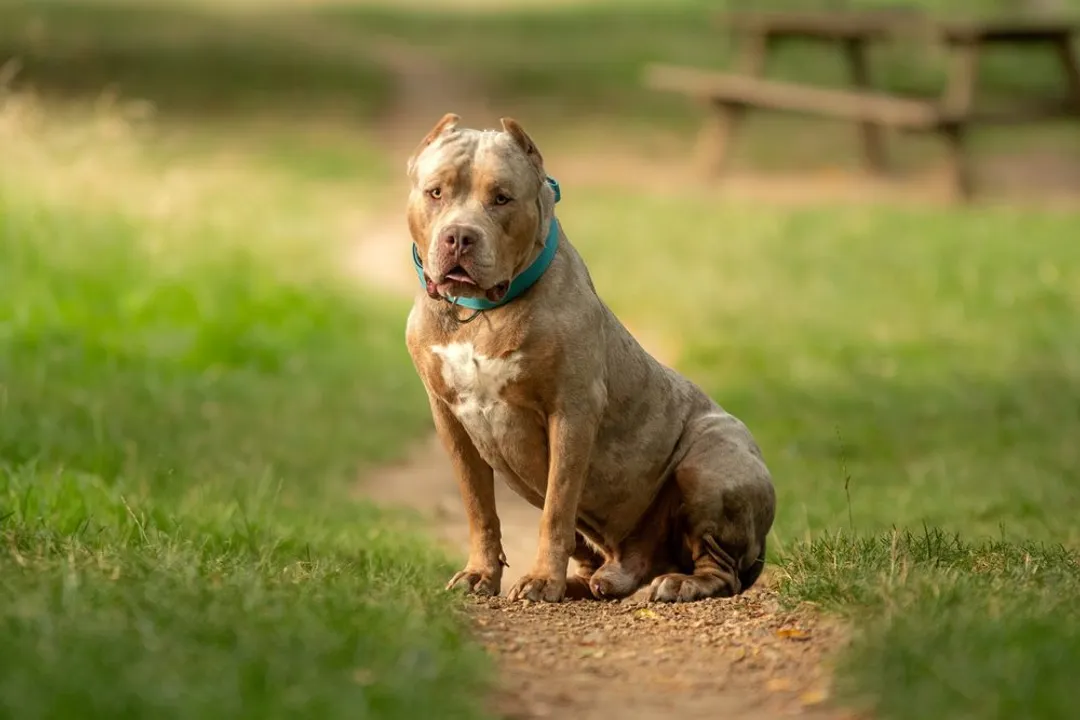
Choosing an American Bully involves looking past the imposing physique and understanding the dedicated commitment required to bring one of these muscular dogs into your life. These animals are known for their loyal nature and powerful build, which stems from careful, modern breeding programs designed to create a companion dog with a specific, confident temperament. [1][4] Deciding if this breed fits your lifestyle requires an honest assessment of your capacity for training, socialization, and the ongoing management of a very strong dog. [5]
# Breed Basics
The American Bully breed was developed in the United States, drawing lineage primarily from the American Pit Bull Terrier and the American Staffordshire Terrier, along with other bully and bulldog types. [4] The goal of this cross-breeding was to enhance specific physical traits while emphasizing a desirable temperament, shifting the focus away from the dog's original working or fighting history. [1][4]
Physically, they are characterized by a stocky, heavy-boned, and muscular build. [1] They possess a short, stiff coat that requires minimal grooming, typically needing just regular brushing to manage shedding. [1][5] Their heads are large and blocky, and their stance is low and wide, giving them an unmistakable presence. [4] While conformation varies by recognized type, the overall impression is one of controlled power. [1]
# Companion Traits
Despite their intimidating appearance, the American Bully is generally known for being extremely loyal, affectionate, and good-natured, especially toward their immediate family. [1][4] They often display an eagerness to please their owners, which can be a great asset in training, provided the owner is consistent. [5] Many owners describe them as gentle giants indoors and excellent family companions. [1][2]
However, their loyalty often translates into a strong protective instinct toward their home and family members. [5] This protective tendency means that early and consistent socialization is not just recommended—it is absolutely essential. [5] Without proper introduction to various people, environments, and other animals from a young age, this natural guarding instinct can become problematic. [5] They thrive on being close to their people and do not generally do well if isolated or left alone for extended periods. [1]

# Size Types
One of the most significant factors when considering an American Bully is understanding the recognized size variations. Breeders and kennel clubs generally categorize them into four main size groups, and the physical requirements, housing needs, and even local regulations can differ significantly between them. [1][9]
These categories often include:
- Pocket: The smallest variety. [1]
- Standard: The medium-sized, balanced dog. [1]
- Classic: Slightly taller and leggier than the Standard. [1]
- XL: The largest group, often weighing significantly more and exhibiting even greater bulk. [9]
The XL Bully, in particular, commands extra consideration due to its sheer size and strength. Prospective owners need to realistically gauge whether their living situation can safely accommodate a dog that might weigh over 100 pounds and possess substantial pulling power on a leash. [9]
Prospective owners should research which registry (like the UKC or ABKC) recognizes which variations, as nomenclature can sometimes overlap or differ slightly between organizations. [1]
# Training Demands
The strength and physical presence of the American Bully mandate that training begins immediately upon bringing the puppy home. [5] While they are intelligent, they are also powerful, and an untrained strong dog can easily injure someone accidentally, regardless of temperament. [5][7]
Positive reinforcement methods are widely considered the most effective approach for this breed, aligning with their eagerness to please. [1][5] Harsh correction methods are counterproductive and can negatively impact their naturally confident personalities. [5] Consistent, fair, and firm leadership is necessary to establish boundaries early on. [5]
A crucial element often overlooked is leash manners. Given their strength, learning to walk calmly on a loose leash is perhaps the single most important training skill for an owner to master. [5]
Prospective owners should research local ordinances before acquiring a puppy, as breed-specific legislation (BSL) can vary widely even between neighboring towns, potentially impacting housing access or insurance coverage, especially for the larger XL varieties. [9] Furthermore, while many sources emphasize their good nature, managing a dog with inherent protective traits means socialization must be proactive, not reactive. [5]

# Health Concerns
As a breed developed relatively recently through selective cross-breeding, health screening is paramount when selecting a breeder. While a well-bred American Bully is generally healthy, their structure predisposes them to certain conditions common in large, heavy-boned dogs. [4]
Key health considerations include:
- Orthopedic Issues: Hip and elbow dysplasia are concerns common in heavily built breeds, where the joints do not form correctly, leading to pain and mobility issues later in life. [1][4]
- Skin Problems: Skin allergies and sensitivities can be prevalent, requiring careful attention to diet and environmental factors. [4]
- Cardiac Issues: Certain heart conditions can appear, making it important for breeders to perform cardiac screenings on breeding stock. [4]
When researching breeders, ask specifically about the health testing performed on the parents (OFA certifications for hips/elbows, cardiac evaluations) rather than just looking at show titles or size guarantees. [4] A commitment to health testing demonstrates a commitment to the longevity and quality of life for the puppies produced. [4]
# Exercise Needs
The American Bully requires moderate exercise, but how that exercise is structured is more important than the sheer duration. They are not typically a breed bred for high-endurance activities like marathon running. [1][4] Their energy levels are generally more manageable than those of some of their terrier ancestors. [1]
However, due to their massive musculature, consistent daily activity is necessary to maintain their physical condition and mental engagement. [5] Think controlled strength building and regular walks rather than all-day frantic play.
An analytical point regarding exercise involves joint development: While many sources emphasize moderate exercise, the sheer mass of an American Bully means that rigorous, high-impact exercise must be carefully managed, particularly during puppyhood. Over-exercising a growing puppy can strain developing joints, potentially exacerbating or causing orthopedic issues down the line. Controlled leash walks and gentle play focusing on stability are generally safer than long, strenuous runs until they reach full maturity. [1][4]

# Ownership Realities
Owning an American Bully is a commitment that extends beyond basic feeding and walking; it requires an owner prepared for the responsibilities that come with owning a highly visible, powerful animal. [7]
Responsible ownership involves several key areas:
- Management of Strength: You must be physically capable of managing the dog on a leash during unexpected pulls or distractions, even if the dog is perfectly trained most of the time. [7]
- Legal Preparedness: Be aware of local zoning laws and insurance requirements. In some areas, owning a dog over a certain weight or with specific lineage descriptors might involve higher premiums or outright prohibitions. [7]
- Commitment to Socialization: This process should ideally start with professional guidance or structured puppy classes to ensure they develop into well-adjusted adults who can confidently handle new situations without becoming overly reactive or fearful. [5]
Ultimately, success with this breed hinges on recognizing that their imposing physical traits demand a proportionally dedicated commitment to training and socialization. A well-adjusted American Bully is a devoted, loving member of the family, but that outcome is earned through consistent, knowledgeable ownership from day one. [5]
#Videos
American Bully Facts To Know Before Buying One - YouTube
Tips for FIRST TIME American Bully Owners! - YouTube
Related Questions
#Citations
American bully: dog breed temperament and characteristics - BetterPet
Is having an American bully be a good dog for a first time dog owner?
American Bully Facts To Know Before Buying One - YouTube
American Bully: Your Complete Guide - Dog Academy
5 Powerful Facts About the American Bully You Need to Know
What are the safety considerations when owning a large dog like the ...
You have to know these things before getting a bully breed ...
Everything you need to know about the XL Bully