How many years does a thrush live?
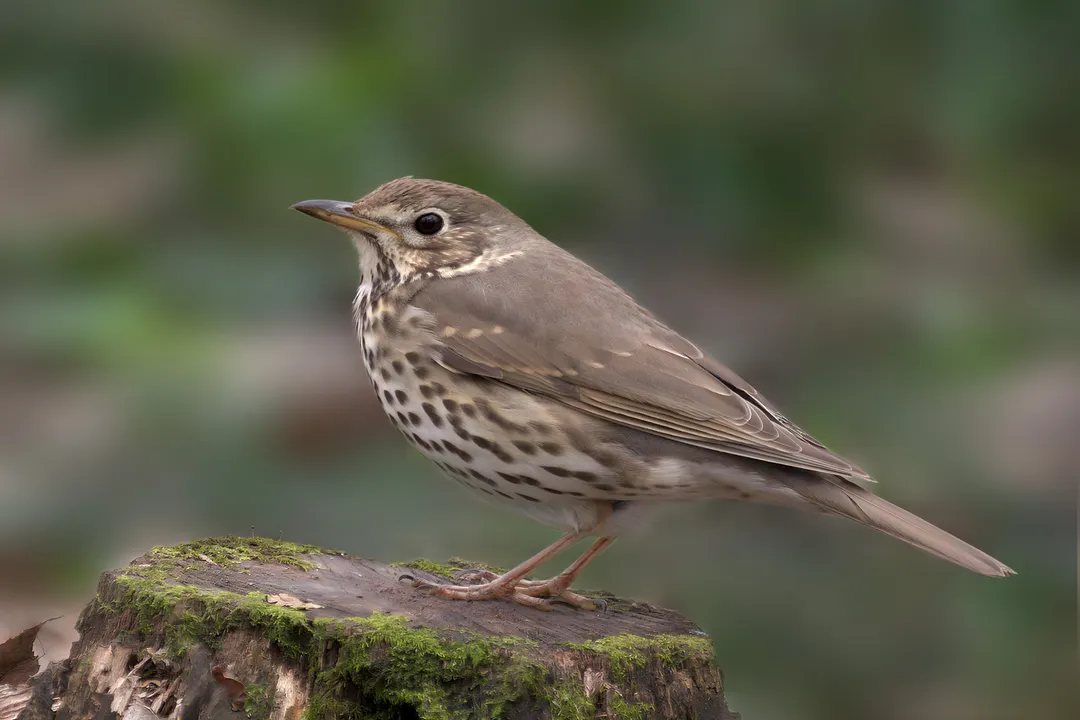
The question of how long a thrush spends on this earth often brings forth visions of the songbirds we know best, like the familiar American Robin, but the answer is far more complex than a single number. For these delightful, plump-bodied songbirds belonging to the Turdidae family, lifespan exists on a broad spectrum, heavily influenced by species, location, and the sheer luck of surviving the first year of life. [5] While some species might reach ages that impress seasoned bird watchers, the harsh realities of the wild mean that most will never see their second birthday.
# Wild Duration
When looking at the general population of thrushes, especially the migratory species common across North America, the survival statistics paint a sobering picture. The average lifespan for many of these birds is startlingly brief, often clocking in at only one to two years. [3][6] This low average isn't necessarily because older birds suddenly become frail, but rather because the risks inherent in their lives—particularly during migration—claim the majority of the population early on. [3]
Consider the American Robin, perhaps the most well-known thrush; while their average is around two years, documented individuals have been recorded living for a decade or even longer. [5] This pattern of a very short average life contrasted with a significantly longer maximum potential is a common theme across the Turdidae family.
A broad look at various thrush types suggests a range from about 2 to 12 years in the wild generally. [5] However, when we examine specific, closely related species, we find that some are statistically more resilient than others, suggesting inherent biological differences or varied environmental pressures.
# Species Span
The life expectancy can vary quite a bit depending on which thrush you are observing, reflecting differences in migration routes, habitat needs, and predator exposure.
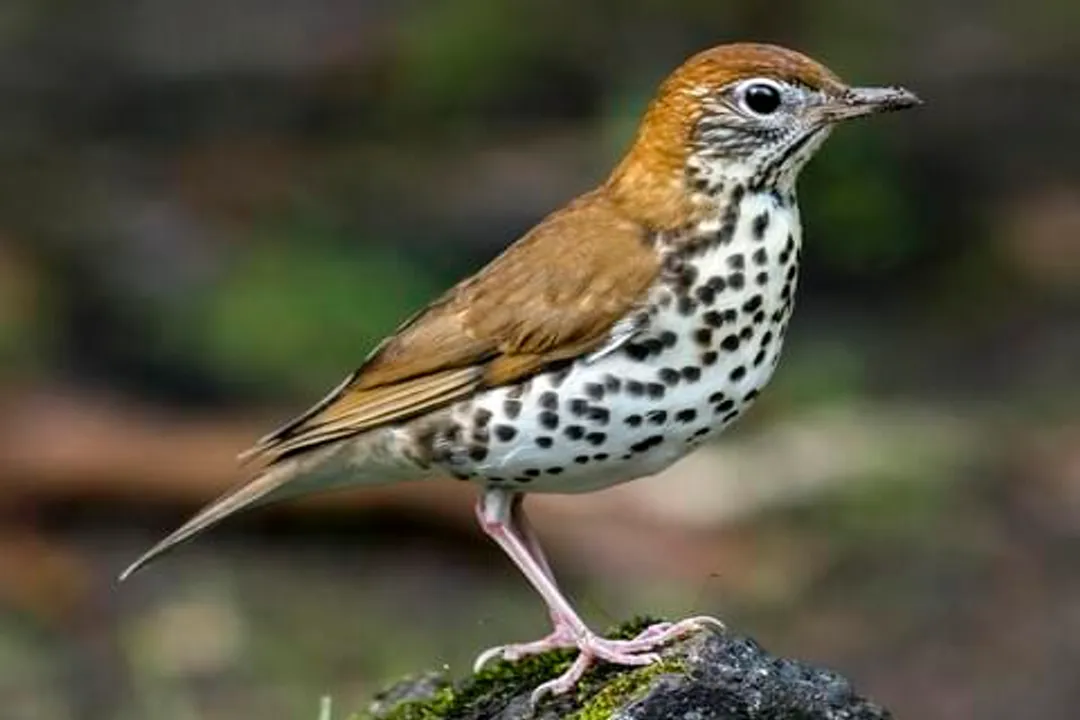
For the Wood Thrush, whose flutelike song is often associated with deep, wild woods, the oldest recorded individual managed to reach 8 years old. [6] Yet, the majority of Wood Thrushes likely only survive for their first one or two years. [6] Their need for large, unfragmented forest habitats means that modern pressures on those woodlands can truncate their lives prematurely. [6]
The Swainson's Thrush, a sweet-singing forest bird that travels vast distances, has a documented potential of living 11 years or more. [3] However, like the Wood Thrush, the reality for most is much shorter, with typical wild survival hovering around one to two years. [3] This species faces the dual risk of threats on its breeding grounds and perilous nighttime journeys over continents. [3]
The Hermit Thrush appears to hold some of the longevity records among the North American migratory group. A banded Hermit Thrush was documented living for at least 8 years and 8 months. Furthermore, the overall life span data for this species suggests that while the average wild lifespan might be calculated around 112 months (just over 9 years, in some estimates), other thrushes have been documented reaching 10 to 13 years.
It is fascinating to compare these figures with the Rufous-bellied Thrush from South America, which, according to one observer, can potentially survive for an astonishing 25 to 30 years in its wild environment. This incredible difference highlights that thrush is a very broad term, and life expectancy is tied intrinsically to geography and ecological pressures, not just family lineage.
# Aging Clues
Determining precisely how long a wild bird has lived is a difficult task for ornithologists. Unlike mammals, birds do not exhibit obvious signs of aging through tooth wear or dental structure changes. For many songbirds, including thrushes, the primary tool for establishing longevity records is bird banding—placing a uniquely numbered tag on a bird when it is first captured. When that same bird is recaptured years later, its minimum age is established.
Beyond banding, visual identification of age in the field usually relies on characteristics like plumage wear or subtle differences between juvenile and adult feathers, particularly around the flight feathers. For instance, species that migrate long distances, such as the Swainson’s Thrush, have longer primary projections than shorter-distance migrants like the Hermit Thrush, a subtle structural difference that can help experts categorize birds but doesn't tell them the exact age unless it's banded. For the general reader trying to identify a bird, features like the distinct white eye-ring on the Hermit Thrush or the rufous tail on the same species are far more useful than trying to gauge its years. [7]
# Threats Met
The stark contrast between the potential lifespan (11+ years for some North American species) and the average lifespan (1-2 years) underscores the relentless challenges these birds face daily. It truly is a survival lottery, where surviving the first year is the biggest hurdle.
The threats are manifold and often seasonal:
- Predation: Thrushes are tempting targets for a wide array of animals. Predators include hawks, owls, snakes, foxes, raccoons, weasels, squirrels, and chipmunks who target eggs and nestlings. [4] For adult birds, domestic cats are frequently cited as a major threat. [5][6]
- Nesting Perils: The nest itself is vulnerable. In the case of the Wood Thrush, one study showed that a staggering 71 percent of nests that failed to fledge young were lost to predation. [6] Furthermore, nest parasitism by Brown-headed Cowbirds adds stress, sometimes causing the host parents to waste vital energy raising foreign young. [4][6]
- Migration Hazards: Migratory thrushes, like the Swainson's, undertake incredible journeys. During migration, they face risks from night flying accidents, such as collisions with man-made structures like radio towers or reflective buildings. [3] Habitat loss on their wintering grounds in Central and South America further compounds these risks. [3][6]
If a thrush successfully navigates its first year, it gains significant experience—learning the best foraging spots, recognizing subtle seasonal shifts, and perhaps even returning to the same successful nesting territory—thereby increasing its odds of reaching that 8, 10, or 11-year milestone. A population's long-term health often hinges on the survival of these experienced, older breeders, which is why habitat protection is so vital for long-term species stability. [7]

# Captivity Contrast
While the sources focus primarily on wild longevity, the difference between the shortest and longest recorded lives within the same family strongly suggests the protective role of captivity. In environments where the constant search for food, the perils of migration, and predation are managed or eliminated—such as a carefully maintained zoo or sanctuary—birds generally achieve their maximum genetic lifespan potential. A 10-year-old thrush in the wild is an exceptional survivor; in a protected setting, it might be considered merely middle-aged, assuming the captive environment meets all its specific dietary needs, like providing sufficient calcium through snails for egg-laying females. [6] This contrast illuminates just how much of the "average life" for a wild thrush is spent simply managing threats rather than thriving. The ability of the Hermit Thrush population to remain stable in some areas might be partially attributed to the fact that it doesn't rely on crossing the Gulf of Mexico during migration, a path that proves fatal to some of its Catharus cousins.
Related Questions
#Citations
Swainson's thrush - National Zoo
Thrushes | Game Commission | Commonwealth of Pennsylvania
Hermit Thrush - Sierra Club BC
Thrush Bird Facts - A-Z Animals
Catharus guttatus (hermit thrush) - Animal Diversity Web
Aging a thrush. - 10,000 Birds