How many years do impalas live?
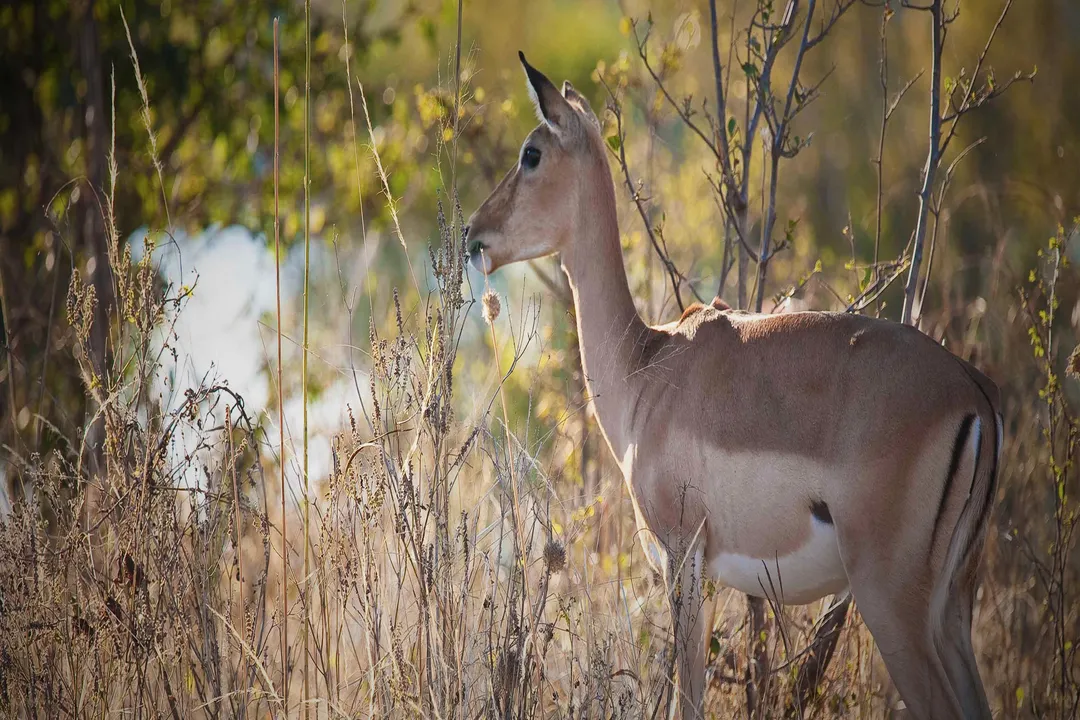
The graceful impala, one of Africa’s most common and recognizable antelopes, is known for its stunning agility across the savanna. While we watch them clear obstacles in spectacular bounds, a natural curiosity arises: just how long do these sleek, reddish-brown creatures get to live out their lives? The answer isn't a single number; it is a story deeply tied to the harsh realities of the wild versus the relative safety of managed environments.
# Longevity Range
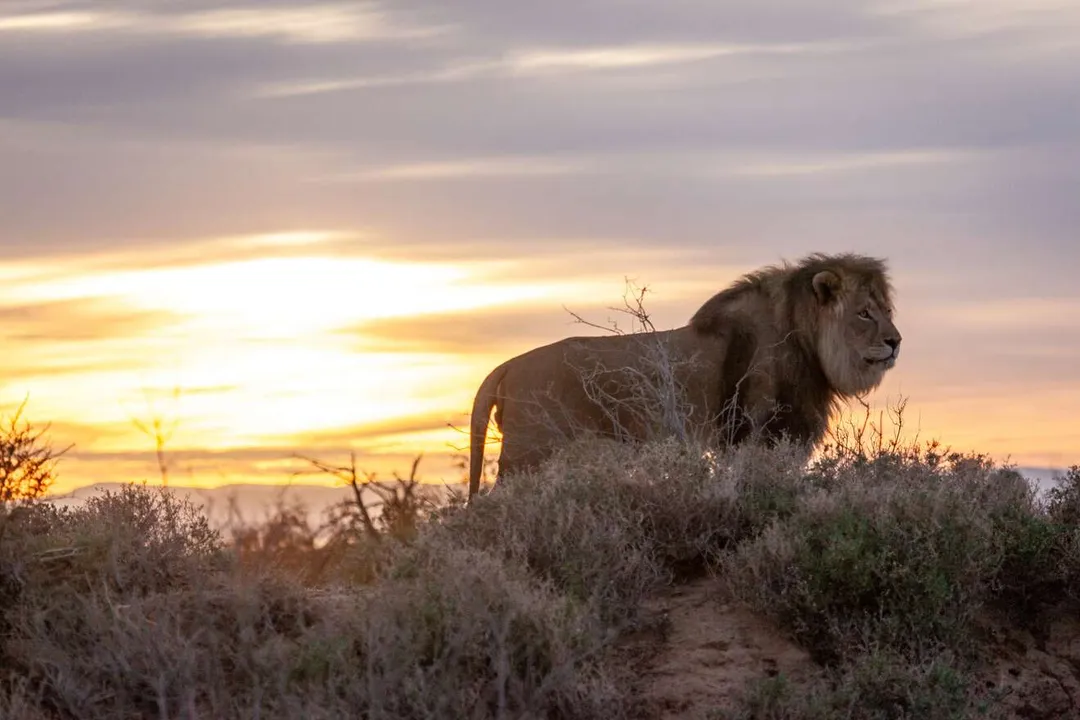
When asking about the lifespan of an impala, it becomes immediately clear that location is the greatest determining factor. In their natural habitats across Eastern and Southern Africa—the savannas and light woodlands—impalas generally survive for about 10 to 12 years. However, some sources indicate a slightly higher range, suggesting a typical wild lifespan between 12 to 15 years.
This variance in the wild estimate likely reflects differences in specific environments. For instance, populations residing in protected areas, such as those in national parks or private reserves, often fare better, sometimes reaching up to 15 years of age under protection. In contrast, when impalas are kept in captivity, benefiting from consistent food supply and minimal predation pressure, their longevity can stretch even further, with records noting lifespans of up to 17 years or even 18 years.
When we consider the full spectrum of potential lifespans, from the lower wild estimate of 10 years up to the upper captive limit of 18 years, it presents a lifespan gap of up to eight years imposed entirely by environmental factors. For an animal adapted for evasion, the difference between a life cut short by a predator—like a lion, leopard, or wild dog—and one allowed to mature fully shows the enormous survival cost of living on the edge of the food chain. This gap underscores that while the potential lifespan is nearly two decades, the probability of reaching that age in the absence of human management is significantly lower.
# Environmental Pressures
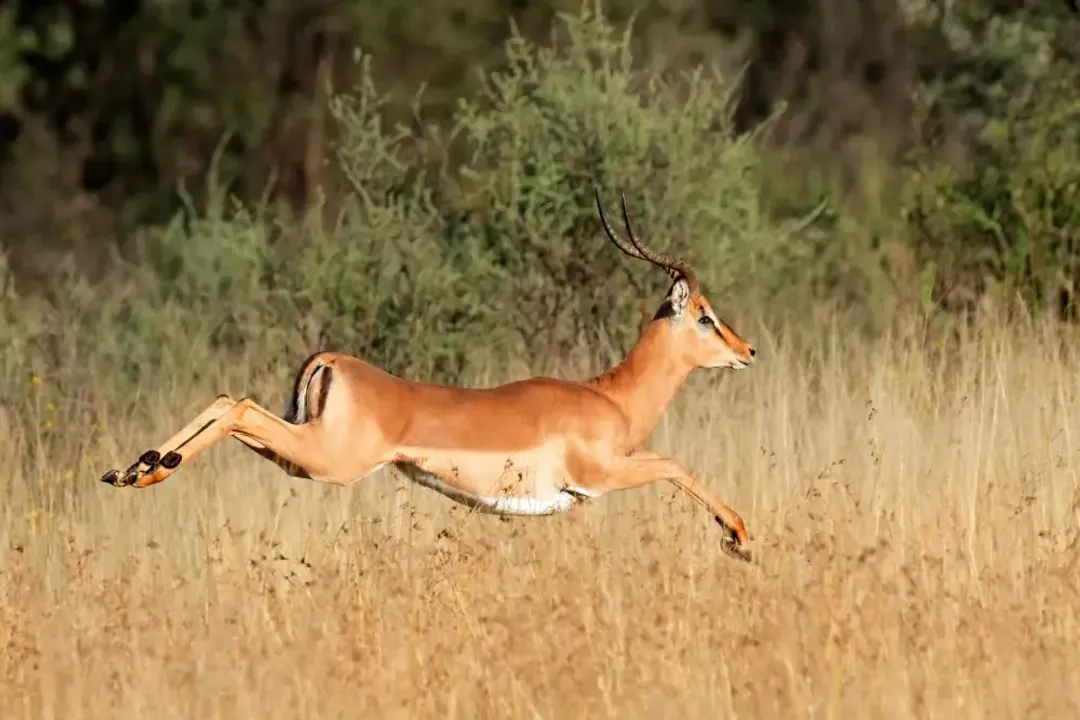
The primary factor limiting the time an impala spends on the African stage is predation. As one of the most frequently encountered medium-sized antelope species, the impala is a staple food source for numerous carnivores. Lions, leopards, and cheetahs target them consistently, and even crocodiles pose a threat when the impalas need to cross rivers. In areas where hunting pressure exists outside of protected zones, humans also contribute to reducing overall longevity statistics.
Beyond immediate danger, habitat stability plays a crucial role in day-to-day survival, which consequently affects lifespan. Impalas are known to thrive in areas with mixed woodland and grassland near permanent water. When their habitat becomes fragmented due to human expansion, their ability to move to find mates, food, or water is compromised. A compromised ability to forage efficiently means lower body condition, which reduces the success of their incredible escape mechanisms—speed and jumping—when a predator attacks.
# Built For Survival
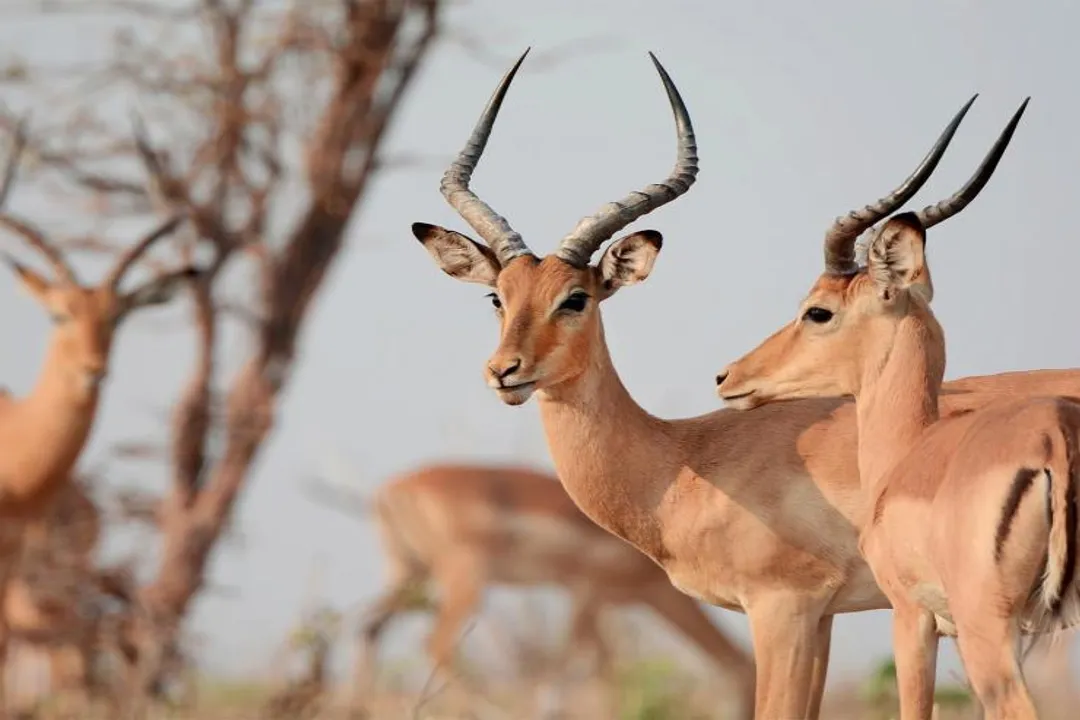
Despite the high stakes, impalas possess a suite of remarkable adaptations that allow many individuals to push toward that 15-year mark. Their social structure is one such asset; they live in highly social herds, typically comprising females and young, while males hold territories during the rut. Safety in numbers means more eyes watching for threats, providing an early warning system that benefits everyone in the group. Furthermore, their mixed feeding strategy—shifting between grazing on lush grass in the wet season and browsing leaves and shrubs in the dry season—ensures a more reliable food supply than single-mode feeders can achieve.
A particularly insightful survival trait revolves around reproduction. Female impalas can pause pregnancy through a process called delayed implantation, ensuring the calf arrives when environmental conditions are optimal, usually coinciding with the rainy season when food is abundant and cover is plentiful. This synchronized birthing strategy overloads predators with too many vulnerable young over a short period, raising the odds that any one lamb will survive its critical early weeks. The ability to time births precisely against seasonal resource peaks is a biological advantage that directly contributes to an individual’s chance of surviving long enough to reach old age. If you are observing a healthy ecosystem with plentiful water and vegetation, the impala herds you see are likely exhibiting high vigilance and successful birthing patterns, which suggests the environment is supportive enough for them to reach the upper end of their wild lifespan estimate.
# Color Variations
It is interesting to note that while the lifespan data applies broadly to Aepyceros melampus, visual variations within the species do not appear to significantly alter their expected longevity. For example, the Black Impala is a melanistic color phase caused by a genetic condition. These striking dark-coated animals are often selectively bred on game farms in South Africa. While their uniqueness makes them sought after, their life expectancy in managed reserves is similar to or slightly better than wild populations, reaching up to 15 years under protection, while in the truest wild setting, they might only see 10 to 12 years, just like their common counterparts. Their difference is purely aesthetic, not a modifier of their lifespan potential compared to the typical reddish-brown individual.
Ultimately, the time an impala spends grazing, leaping, and interacting within its herd is a testament to its incredible adaptability, yet it remains a constant race against nature’s many pressures, where an extra year in the wild is a victory hard-won against a long list of capable predators.[1][2][3][4][5][7]
Related Questions
#Citations
Impalas | Discover The Graceful Icons of the Savannah
Impala Facts For Kids | AstroSafe Search - DIY.ORG
Impala | African Wildlife Foundation
Impala Facts and Information | United Parks & Resorts - Seaworld.org
Black Impala Mount Options | Splitting Image Taxidermy
What is the lifespan of an impala? - Kruger Park Hostel
The Impala | Western Cape Safari Guide