Do Transylvanian hounds bark a lot?

The Transylvanian Hound, or Erdélyi Kopó, carries a reputation steeped in the misty forests of its namesake region, a place where a dog’s voice was often the difference between a successful hunt and an empty larder. When considering bringing such a breed into a modern home, the immediate question often centers on their vocal output: are these dogs prone to incessant, non-stop barking that can disrupt quiet neighborhoods? The answer, as with many scent hounds, is nuanced and deeply connected to their ancestral purpose. They are bred to track large game, such as wild boar and bears, across vast distances in the Carpathian Mountains. This job inherently requires a dog capable of producing a loud, carrying voice—a deep, persistent bay that signals their progress to the hunter.
# Heritage Sound
The very essence of the Transylvanian Hound is tied to its sound production during work. They are hounds, and hounds communicate vocally when on a trail. Their bay is described as persistent and deep, perfect for echoing through dense woodlands. It is crucial to understand that the sound they produce in the field—a sustained, musical bay—is different from the sharp, rapid bark often associated with nuisance barking in suburban settings. Their vocalization is functional; it is how they advertise their dedication to the task at hand.
If an owner plans to use this dog in a hunting scenario, the expectation must be that they will use their voice extensively when actively trailing game. This is not a fault of the breed; it is their primary characteristic when their instinct is fully engaged. A Transylvanian Hound that never vocalizes on a scent trail might actually be less effective as a hunting companion, as their voice is their signal flair.
# Domestic Volume
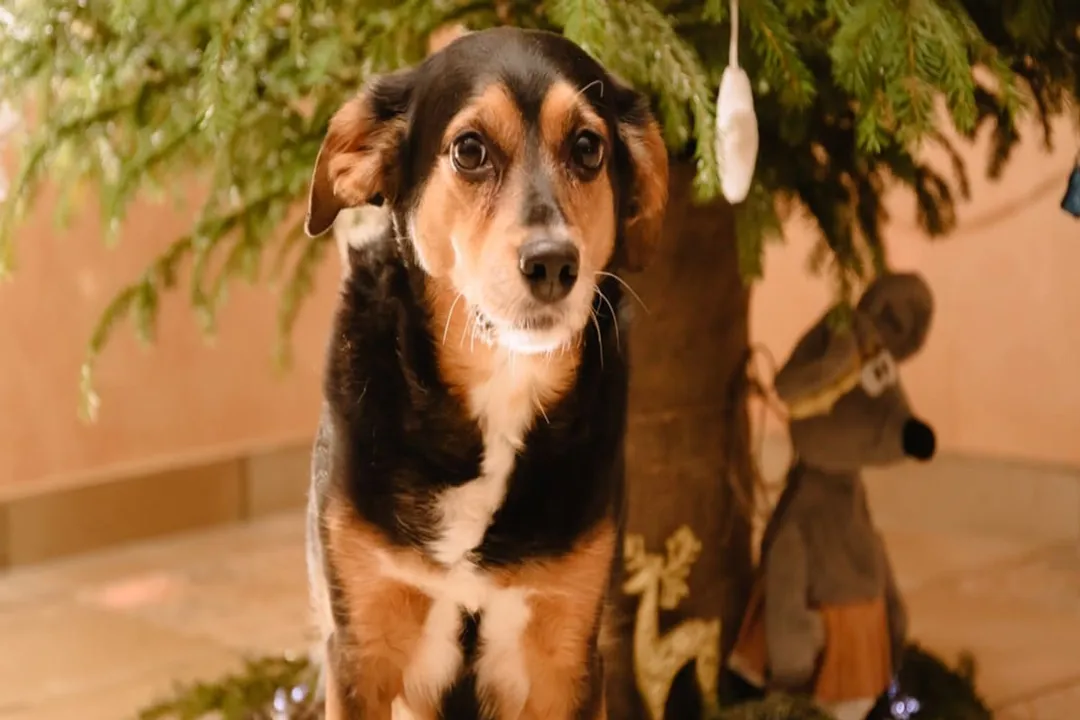
When removed from the hunting field, the volume of the Transylvanian Hound tends to decrease significantly, though not entirely disappear. While they are not universally characterized as incessant barkers compared to some other hound breeds, their tendency to vocalize is certainly present and depends heavily on context and training. Anecdotes from owners suggest that when not actively stimulated or left alone, they can be surprisingly quiet indoors, described as calm companions when their substantial exercise needs are met.
However, the potential for nuisance barking exists, particularly around triggers. Reports indicate they may bark when they are bored, seeking attention, or when they feel they are being left out of the action—a sort of canine FOMO. One owner noted that their hound barks when they want to play or if they are left alone. This suggests that the issue often stems from unmet needs rather than an inherent desire to be loud for no reason. Contrast this with breeds known for alarm barking at every passing shadow; the Transylvanian Hound’s vocalizations seem more targeted towards expressing desire or distress related to their pack structure or current activity level.
The crucial distinction here lies between the necessary bay for work and the unnecessary bark in the home. An owner must learn to differentiate between the two and manage the latter appropriately.

# Training Silence
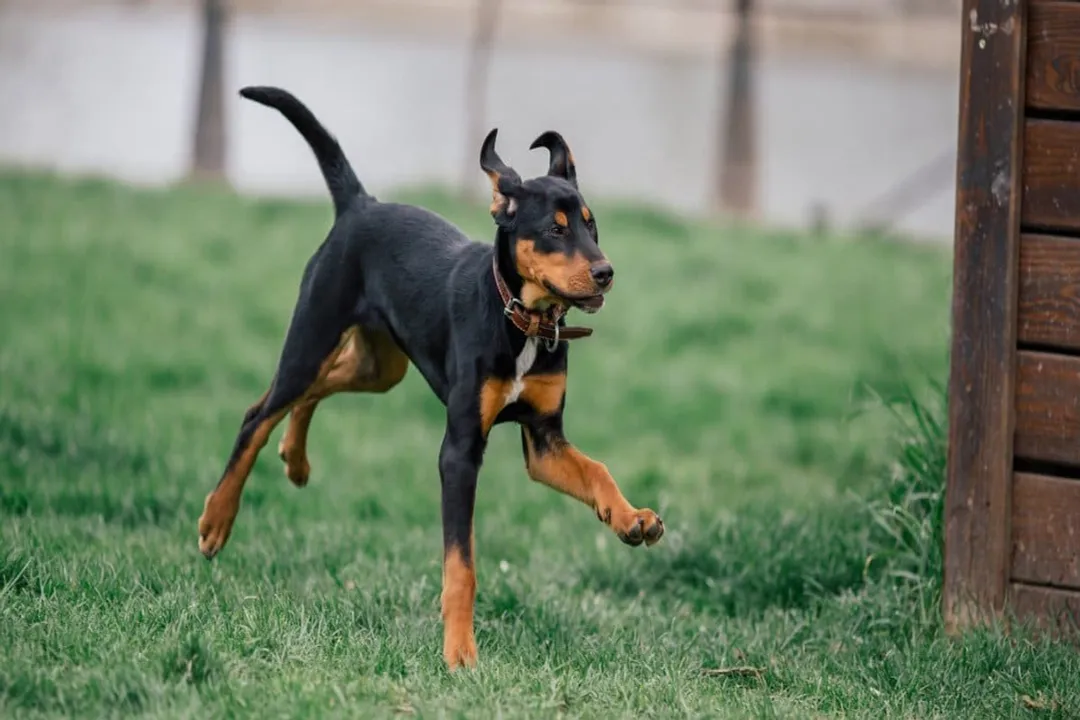
Because the breed is intelligent and highly trainable, but also possessive of a strong independent streak necessary for tracking, managing vocalization becomes a key component of early ownership. Firm, consistent training is essential for any owner hoping to keep the peace in a residential area.
The process of teaching quiet needs to start early and be applied rigorously. If the hound barks excessively when left alone, this signals separation-related vocalization, which requires desensitization and counter-conditioning protocols. Simply punishing the bark after the fact is rarely effective with intelligent scent hounds; they need to understand why the sound is undesirable in that specific moment.
One effective approach, which builds on the hound's desire to please once bonded, involves setting up controlled barking scenarios. You encourage a controlled, single "alert" bark—perhaps by knocking gently on a wall or ringing the doorbell—and immediately follow it with a command like "Quiet" or "Enough." The instant they stop, even for a second, they receive a high-value reward. This reinforces the cessation of noise, rather than just reacting to the noise itself. This is particularly effective because it acknowledges their alert nature while defining the boundary of acceptable noise duration.
# Exercise Needs
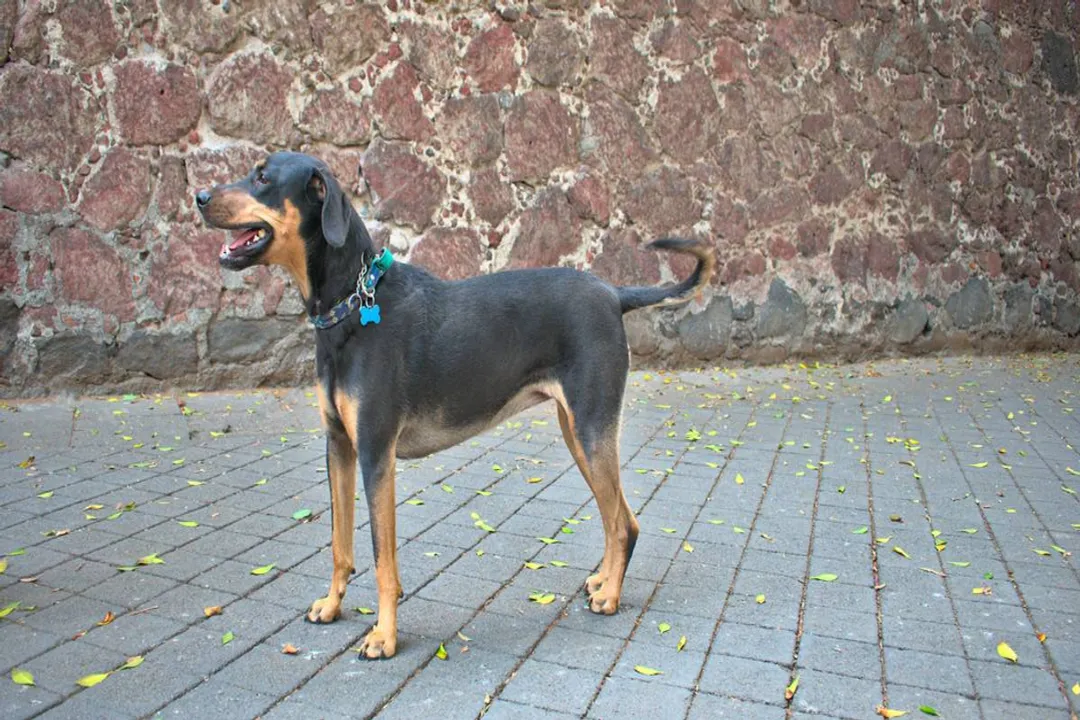
The link between physical output and vocal restraint in the Transylvanian Hound cannot be overstated. A tired dog is often a quiet dog, especially for a high-energy breed like this. These are not apartment dogs unless their owners are extremely dedicated to providing massive amounts of stimulation outside the home. Bred to cover rugged terrain for hours, their energy demands are significant.
If a Transylvanian Hound is under-exercised—both physically and mentally—the pent-up energy is highly likely to translate into destructive behavior or excessive vocalization. Simply walking around the block once a day will likely prove insufficient for a healthy adult. They thrive on activities that engage their nose, such as secure scent work or, ideally, actual field tracking. A tired nose and body are far less likely to complain vocally about being left alone for a reasonable period.
Thinking about their ancestral environment provides context for modern management. In the sprawling, sparsely populated Carpathian hunting grounds, a dog barking out of boredom was unlikely. The environment dictated constant engagement or rest. Bringing this breed into a dense, modern suburb requires the owner to create that necessary level of engagement artificially.
# Temperament Context
While barking is a focus, understanding the overall temperament helps predict when they might become vocal. They are known to be devoted and brave. They form strong bonds with their families. This devotion can manifest as protective behavior or a desire not to be separated from their people, both triggers for barking.
They are typically good with children if socialized properly from a young age, which is standard advice for most breeds. However, they can be reserved or cautious around strangers. This reservation might manifest as a low growl or alert bark when an unfamiliar person approaches the home boundary, a natural territorial instinct that needs proper channeling through early socialization. It's important to note that their intelligence requires ongoing mental stimulation; a game of complex puzzle toys can sometimes drain vocal energy as effectively as a long run.
# Breed Overview Facts
To frame the discussion around vocalization, it helps to look at the standard characteristics of the breed itself, as these traits dictate the management strategies needed to maintain a quiet household.
| Feature | Description | Source Reference |
|---|---|---|
| Origin | Transylvania, Carpathian Mountains | |
| Size | Medium | |
| Coat | Short, dense, weather-resistant | |
| Color | Black with tan markings (Black and Tan) | |
| Drive | High scent drive | |
| Temperament | Brave, intelligent, devoted |
It is a less common breed outside of its native region, recognized by organizations like the CKC USA but perhaps less universally known than some of the more popular scent hounds, meaning potential owners might have less anecdotal data readily available about their specific vocal habits. This scarcity of widespread experience underscores the importance of seeking out breed-specific groups or experienced handlers when evaluating their noise level.
If one lives in an area with strict homeowners association rules or very close neighbors, the Transylvanian Hound requires a dedicated commitment to both training and exercise that surpasses the needs of a more placid companion breed. Their bark is a tool, and like any tool, misuse or overuse in the wrong setting can lead to problems. The key takeaway is that while they are not inherently known for non-stop yapping, they are a scent hound that will use its powerful voice when motivated, and motivation in this breed is easy to find if exercise and mental challenges are ignored. Success with this breed in a quiet environment hinges on respecting their working nature and channeling that intensity appropriately through consistent routines.

# Managing Expectations
One helpful way to frame the noise assessment is by comparing the Transylvanian Hound to other popular scent hounds. While many beagles or coonhounds might be famous for their baying in the yard all day long, the Transylvanian Hound is often reported as being more contained when not on a trail. This suggests a higher capacity for on/off switching between work mode and rest mode. However, this switch is entirely dependent on the owner’s handling of their energy levels.
For a potential owner residing in an apartment setting—even one that allows dogs—the risk remains high if the dog does not receive adequate daily sensory input. An hour spent sniffing out hidden treats in a designated "snuffle mat" or participating in scent tracking games indoors can often provide enough mental satiation to prevent an evening of protest barking. This mental engagement is an original consideration, as many owners focus solely on physical exhaustion, but for a scent hound, engaging the nose is often more tiring than simply running laps. If the home environment cannot safely support hours of daily outdoor activity or secure scent work, managing vocalization will be an uphill battle.
Furthermore, consider the implications of their historical environment mentioned earlier. In the dense, remote forests of Transylvania, a dog needed to be heard over long distances to be useful. This evolutionary pressure selected for a loud, clear voice. When you introduce this dog to a quiet suburban street, you are actively fighting against centuries of genetic selection when you demand silence during daylight hours when neighbors are home. Accepting that there will be moments of necessary, robust vocalization, and focusing all training efforts on limiting unnecessary vocalization, provides a more realistic path to coexistence than demanding a completely quiet dog. This dual approach—respecting the bay while training the bark—is the secret to enjoying this ancient breed in a modern context.
#Videos
Transylvanian Hound - TOP 10 Interesting Facts - YouTube
Related Questions
#Citations
Transylvanian hounds (and the constant barking) : r/coonhounds
Transylvanian Hound | Dog Breed Facts and Information - Wag!
Transylvanian Hound Training, Personality, & More | TrainPetDog
Transylvanian Hound Dog Breed Information
Transylvanian Hound characteristics and traits - Facebook
Transylvanian Hound Dog Breed Complete Guide - A-Z Animals
Transylvanian Hound - TOP 10 Interesting Facts - YouTube
Transylvanian Hound Breed Information & Characteristics
Transylvanian Hound - TOP 10 Interesting Facts - rocadog