Do huskydoodles bark a lot?
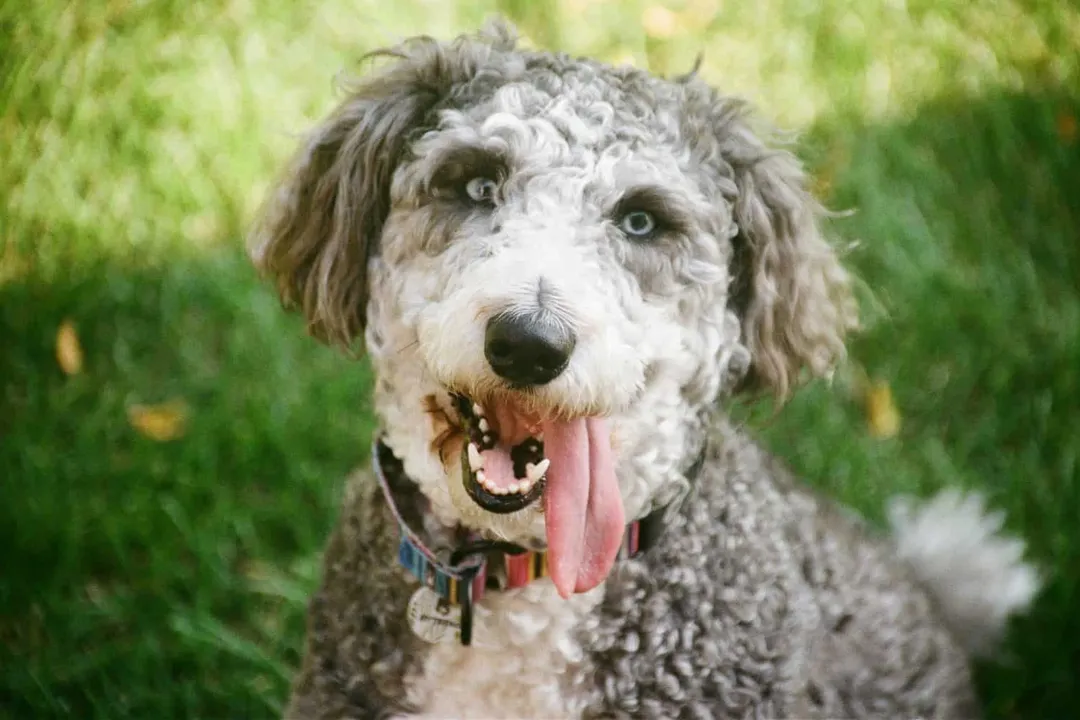
The question of how much noise a Huskydoodle will make is one that often requires a deep dive into genetics, as this hybrid is a blend of two distinct personalities: the athletic, often aloof Siberian Husky and the intelligent, attentive Poodle. The simple answer is it depends, but that reality hides a fascinating spectrum of vocal behavior rooted in the parent breeds. [2][4] A Huskydoodle is not a standardized breed, meaning the influence of the Husky's legendary vocal range versus the Poodle's predisposition for alert barking is unpredictable, leading to a wide variance in individual dogs. [2]
# Husky Poodle Influence


To understand the potential for barking in a Huskydoodle, one must first look at the established vocal habits of its ancestors. Siberian Huskies, while certainly not quiet dogs, are famous for rarely using the conventional bark. [3] They are, however, among the most vocal breeds overall, preferring a wide repertoire of sounds that include howling, "talking," yodeling, and even singing. [3] This low propensity for barking is often attributed to their history; they were bred to communicate silently with sled mates over vast distances, with howling serving as a long-range pack call rather than a territorial warning. [3] Furthermore, Huskies are generally friendly and not considered territorial, making them poor guard dogs who are unlikely to bark aggressively at strangers approaching the home. [3]
The Poodle lineage introduces a different vocal element. While the Poodle heritage is often associated with high intelligence and trainability, they do possess a tendency to bark. [2] Poodles often make good alert or watchdogs, meaning they are more inclined to use a sharp bark to notify their owners of something unusual in the vicinity. [2]
When these two are mixed, the resulting Huskydoodle inherits this genetic split. One source rates the Huskydoodle’s "Barking Habits" as a five out of five, suggesting they can be quite noisy. [2] Conversely, another assessment rates their "Yappiness / Barking" as Low, noting they mainly use sounds like growling and howling to seek attention. [4] This divergence highlights a critical distinction for prospective owners: barking is just one type of noise. [3] Your Huskydoodle might be nearly silent in terms of traditional barking but might make up for it with persistent whining, singing, or howling, which can be just as disruptive to neighbors as a standard bark. [3][4]
# Energy and Vocalization

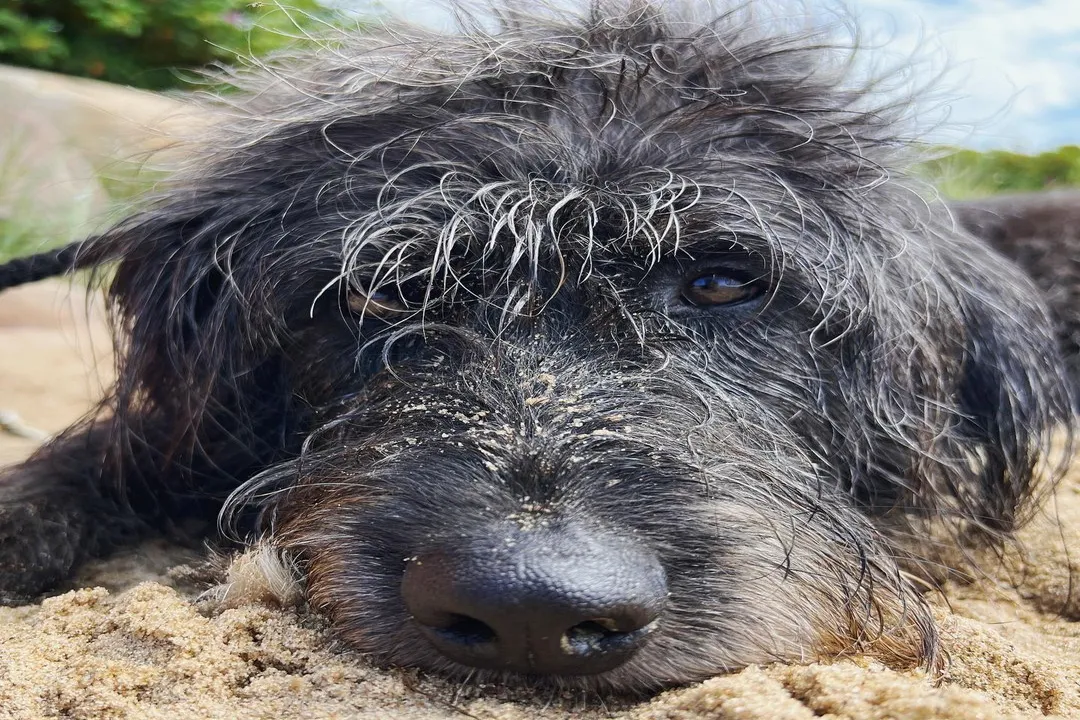
If a Huskydoodle leans toward the Husky side of the spectrum vocally, they may stick to howls and "talk." If they inherit more Poodle traits, they may bark more frequently as an alert or an expression of excitement. [2] However, the single most consistent predictor of any excessive vocalization—whether it is a bark, a whine, or a howl—is unmet energy needs. [2][3]
Huskydoodles are known to be incredibly high-energy dogs, often requiring a minimum of two hours of daily exercise combined with significant mental stimulation. [1][2] When this high engine is left idling, the dog is prone to developing unwanted behaviors, with vocalization being a primary outlet for that pent-up frustration or boredom. [2][3]
An illustrative, if extreme, example of this came from an owner of a five-year-old, 100-pound Huskydoodle who was reportedly receiving zero exercise or mental stimulation. After the dog escaped and engaged in mating, the owner reported two weeks of non-stop whining, howling, and barking that persisted long after the inciting event. [2] This situation powerfully demonstrates that a combination of high drive (from both parent breeds) and severe under-stimulation leads to intense, prolonged vocal distress that goes far beyond simple territorial barking. [2] In this case, the dog was essentially screaming its needs—for physical release, mental engagement, and hormonal relief—through every sound it knew. [2]
It is essential to differentiate between the Husky’s natural tendency toward moodiness and high vocal output when feeling overwhelmed, and true problem barking. [3] A dog that is generally happy but lets out a single, loud "Arooooo!" when a deer walks by is exhibiting instinctual vocalization, much like the Husky tendency to "sing" during grooming or vet visits. [3] A dog who barks consistently throughout the day, however, is likely communicating another need, such as play, attention, or anxiety. [2][3]
To better manage the noise, it helps to categorize why the sound is happening. An alert bark ("Someone is at the door") sounds and looks different from an attention-seeking bark ("Pay attention to me now!"). [2] The intelligence inherited from the Poodle side, combined with the Husky's independent streak, means owners must be diligent in establishing clear communication about when vocalizing is acceptable. [1][2]
One practical approach for managing vocalization that stems from excitement or desire involves teaching a mutually exclusive command. Instead of just saying "No!" when the dog vocalizes, introduce a specific command like "Speak" or "Use Your Words." Once the dog reliably offers a sound on command, you can then pair the sound with a release command like "Quiet" or "Enough." The goal isn't silence, which is unnatural for this mix, but control. [3] If you can command the noise, you can subsequently command the cessation of the noise.
A key consideration for this intelligent, high-energy cross is recognizing that their vocal expressions are often tied to their need to "work" or problem-solve. If you are trying to reduce noise, look at the dog’s schedule first. A high-drive dog like the Huskydoodle might respond better to a complex KONG puzzle or a scent-work game lasting twenty minutes than a simple, long walk that fails to engage their mind. For instance, if your dog vocalizes when you leave, try initiating a high-value, long-lasting chew or a frozen food puzzle (like a stuffed puzzle toy) immediately before you walk out the door. This redirects the high-arousal emotional state associated with your departure away from vocal protest and toward a rewarding, quiet activity. This shifts the dog’s focus from the loss of you to the presence of a high-value item that requires concentration.
Furthermore, prospective owners must be prepared for the commitment required to keep this combination happy. Since their background suggests they are not suited for apartment living and require extensive outdoor space and activity, the commitment level for managing potential noise is high. [1][4] When structuring your daily routine, think in terms of mental load, not just physical steps. For a Huskydoodle, 30 minutes of focused obedience drills or learning three new tricks might reduce vocal demands far more effectively than an hour-long, monotonous walk, because you are satisfying their sharp intelligence, which is a core driver of their behavior.
Ultimately, deciding if a Huskydoodle barks a lot depends on whether you are measuring simple, sharp barks or all forms of vocal communication. They are undeniably a vocal breed, likely to use their voice frequently to express joy, frustration, or neediness, inheriting the tendency to "talk" from their Husky side and the drive to alert from their Poodle side. [1][2] Consistent training, massive amounts of structured exercise, and mental engagement are the primary tools for managing vocal output in this brilliant, high-energy mix. [2][3]
Related Questions
#Citations
Husky Poodle: Your Complete Guide
Huskydoodle too hyperactive and energized? : r/dogs
Why Do Dogs Bark So Much? Understanding Canine ...
Huskydoodle Dog Breed Complete Guide