Do Jämthunds bark a lot?
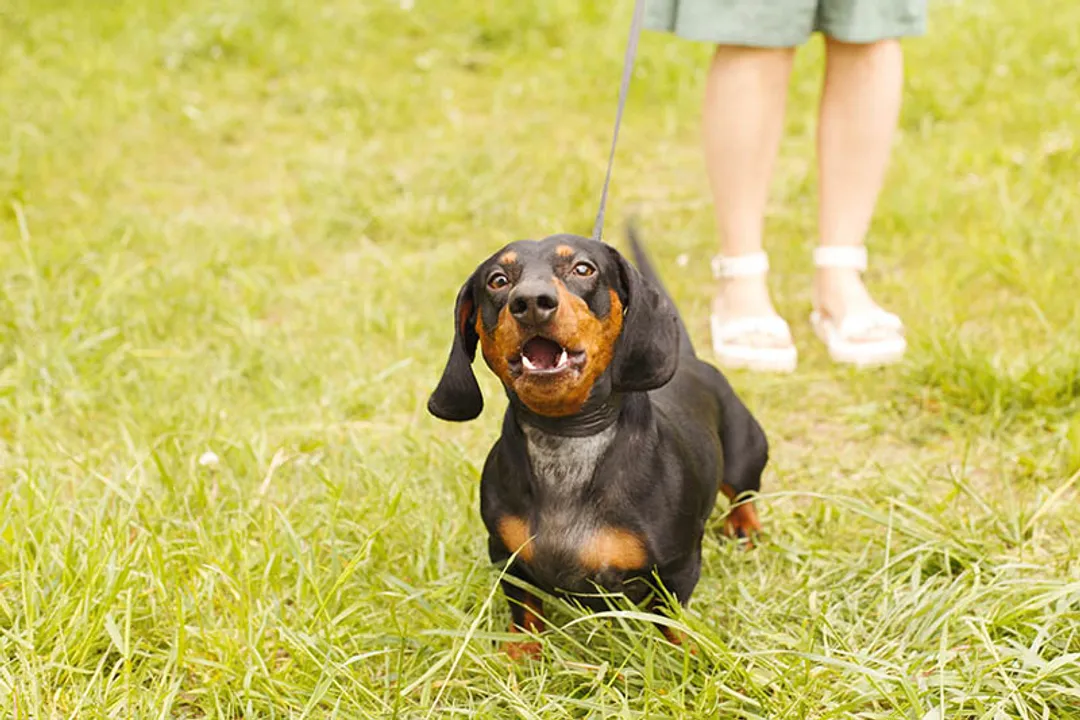
The question of a Jämthund's vocal habits is best understood by looking closely at the breed's historical purpose, as these Swedish Elkhounds were developed for demanding jobs in the Nordic wilderness. They are not typically bred for constant background noise; instead, their vocalizations are tied directly to their function, which includes guarding and, most notably, hunting moose.
# Breed Purpose

The Jämthund belongs to the Spitz type and is recognized as a versatile hunting dog, particularly renowned for its skill in tracking and baying moose. This work demands a very specific type of bark. When on a trail or holding game at bay, the dog needs to communicate its location and the presence of the prey to the hunter over long distances—sometimes through dense forest or over snow. The bark used in this scenario is functional, loud, and sustained, a necessary tool for the hunt. Therefore, the potential for a loud bark is certainly present in this breed's genetic makeup.
# Temperament Drivers

Beyond the hunt, their temperament also suggests a predisposition toward using their voice. Profiles note that Jämthunds possess a strong protective instinct and make good guard dogs. A dog bred to guard property or alert its owner to the presence of large game will naturally be watchful and may bark to announce anything unusual in their environment. They are described as fearless and independent. Independence, combined with a strong protective drive, can translate into a dog that is quick to voice concerns about perceived intrusions or threats, especially if they feel their territory or family is being challenged.

# Indoor Versus Outdoor Voice

It is crucial to distinguish between the functional, excitement-driven bark of a working dog and nuisance barking common in urban or suburban settings. Like many breeds developed for a specific task, the Jämthund is generally described as being calm indoors provided its significant exercise needs are met. A calm house dog that is mentally and physically stimulated is far less likely to develop excessive, unnecessary barking habits. If the dog is under-exercised or bored, however, any breed can develop behaviors like excessive barking out of frustration or a lack of appropriate outlet for its energy.
The difference between a working dog's bark and a pet's bark is worth considering for prospective owners. A Jämthund’s "alert" bark is likely to be far more substantial and penetrating than that of a smaller companion breed, simply because it was historically required to carry across vast tracts of woodland. When this powerful vocalization is directed at the mail carrier or a squirrel in the backyard, it can sound much more alarming than intended. The owner must manage what they are barking at and when, rather than just the volume itself.
# Training and Management
Because their protective and prey drives are inherent, early training is essential for managing any tendency toward excessive vocalization. Socialization plays a role here, teaching the dog what warrants an alert and what can be ignored. Since they are intelligent and independent, training must be consistent and positive, recognizing that they respond best when they understand the reason for a command, rather than just complying out of pure deference. Addressing barking means redirecting that natural tendency. If they bark at a sound outside, a positive reinforcement command like "Quiet" or rewarding them for coming to check in with you instead of barking can be more effective than simply punishing the vocalization itself.
In summary, while the Jämthund is not typically characterized as a "yappy" or ceaselessly noisy breed in the way some small terriers might be, they absolutely possess the physical capacity and the behavioral inclination to bark loudly and persistently when their protective instincts are triggered or when they are actively engaged in their working drive. For an owner in a close-quarters living situation, understanding that this breed is predisposed to make noise when necessary, and training them to reserve that noise for appropriate times, becomes a central part of responsible ownership.
#Videos
Do Dachshunds Bark a Lot? How Often Do They Bark? - YouTube
Related Questions
#Citations
Does every dachshund bark a lot? - Reddit
The Bark Is Worse Than The Bite: Decoding Why Dachshunds Are ...
Do Dachshunds Bark a Lot? How Often Do They Bark? - YouTube
Why Do Dachshunds Bark So Much - Wag!
Jämthund Information & Dog Breed Facts - Dogell.com
Why do dachshunds bark at everything? - Facebook
Do Dachshunds Bark a Lot & How Much? 5 Vet-Approved Tips to ...
Find out everything about Jämthund - working-dog
Why Some Dachshunds Bark at Everything, Day or Night - DogTime
Jämthund (character, nutrition, care) - Hundeo