Do Dandie Dinmonts bark a lot?
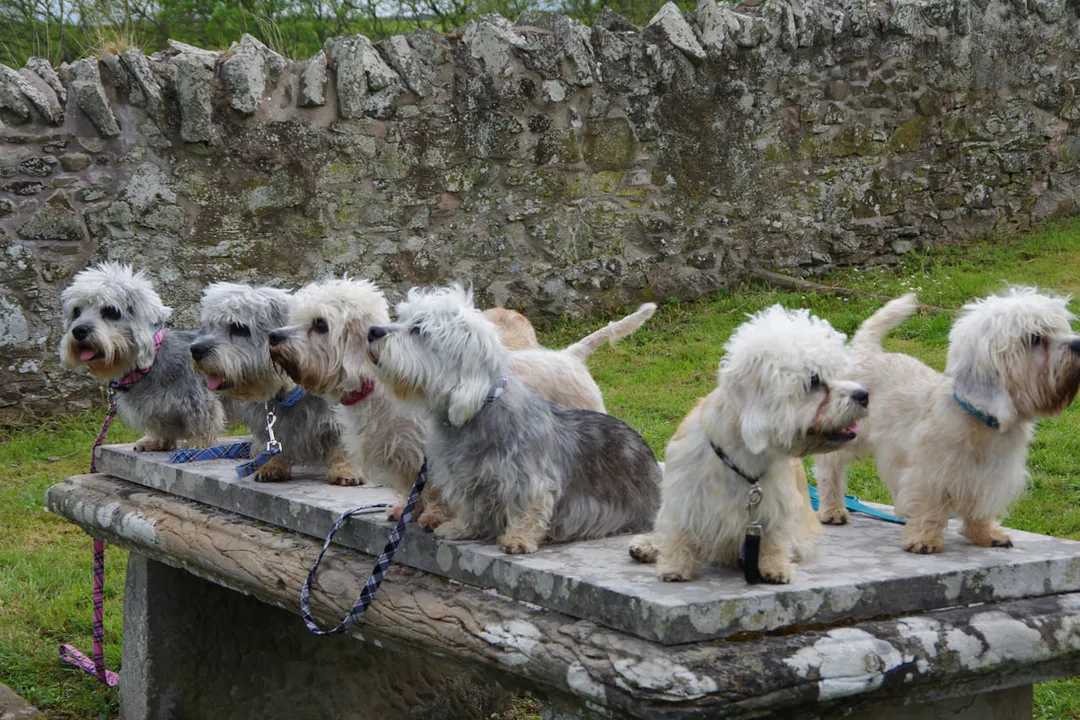
The short-legged dynamo from the Scottish borders, known for its distinctive top-knot, possesses a surprising characteristic beneath its dignified exterior: a voice that packs a punch far exceeding its compact frame. Owners often wonder about the vocal tendencies of the Dandie Dinmont Terrier, especially when considering their needs for apartment living or quiet neighborhoods. Are they the perpetually noisy little dogs some terriers are rumored to be? The answer, like many things about this unique breed, is nuanced and tied directly to their heritage as capable hunters. [1][4]
# Breed Vocalization
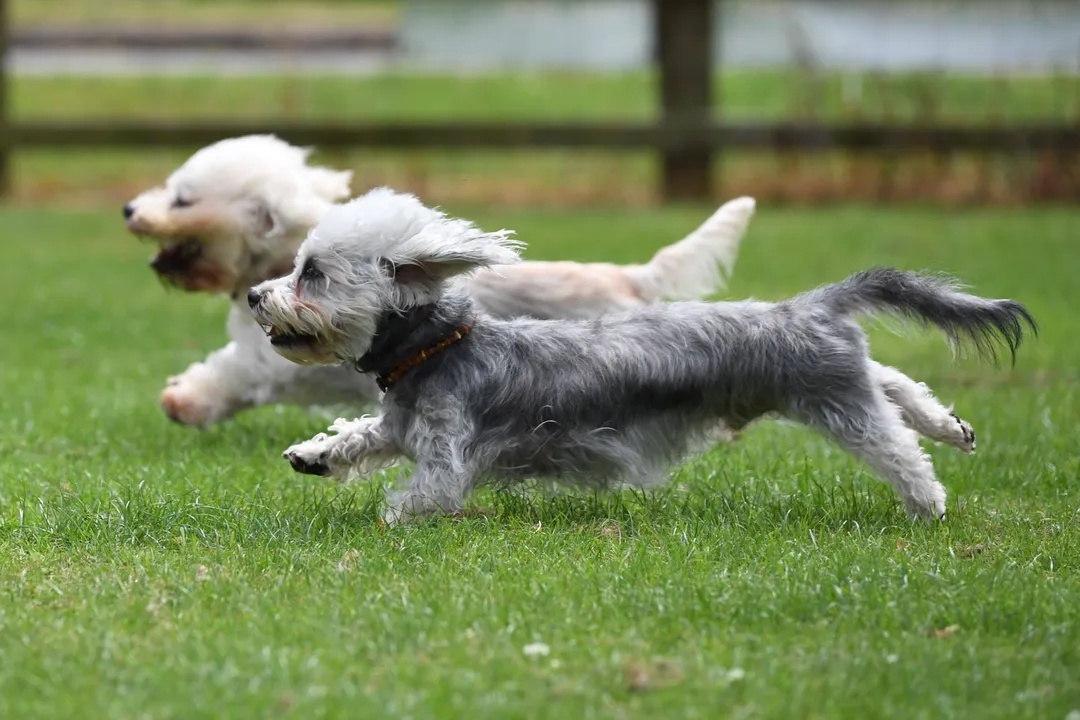
Generally speaking, the Dandie Dinmont Terrier is not considered a relentlessly vocal breed. The general consensus among breed experts and caretakers is that they are not a 'yappy' breed and do not typically bark excessively when well-adjusted. [3][4][5][9] They tend to bark on a moderate basis, usually reserving their voice for specific reasons. [1] This might be when they are feeling excited, attempting to communicate a desire, or issuing an alert. [1] They are, after all, classified as alert watchdogs. [6]
However, the nature of their bark is what warrants attention. While they may not chatter constantly, when a Dandie does decide to vocalize, the sound is quite remarkable for a dog weighing between 16 and 30 pounds. [1][4] They are frequently described as having an amazingly deep and loud bark, often specified as a "baritone". [3][4][6][9] This powerful sound, particularly noted in the males, means they can serve as deceptively good guard dogs. [3][4][5][9] Their capacity to alert is high, meaning they are watchful of their surroundings. [6]
# Hunting Echoes
To understand why a small dog carries such a large sound, one must look back at their original purpose. The Dandie Dinmont Terrier was developed in the border regions of England and Scotland specifically to hunt underground vermin like badgers and otters. [2][4][7][8] To confront quarry deep within a den, a dog needs not only courage—which this breed certainly has—but also a bark capable of communicating its location to the hunter above ground, regardless of how deep the tunnel runs. [2][4]
This historic requirement for a loud, carrying sound means that the deep, resonant woof you hear is not a flaw in their temperament but rather a successful product of selective breeding for a specific job. [2][4] A Dandie is described as having the heart of a hunter combined with the looks of a lapdog, and that bark is a clear echo of the former. [1][4]

# Managing Expected Noise
While the breed standard suggests they are generally quiet and calm companions at home, individual circumstances and training play a significant role in noise levels. [4][7] There are specific scenarios where a Dandie might become more vocal:
- Separation Anxiety: Like many companion breeds who bond closely with their families, Dandies thrive on companionship and do not handle being alone for long stretches well. [1][7] If left isolated too often, they can develop separation anxiety, and one common symptom is excessive barking. [1]
- Territorial or Alert Barking: As a breed with a natural watchdog instinct, they will certainly alert you to passersby or outside noises. [4][6] One account of a rescue dog noted it would bark voraciously at noises like people walking by an apartment, though this dog also responded well to training cues like
`leave it`. [1] - Lack of Early Training: One clinical assessment suggests that a dog has a tendency to bark quite a bit if not trained out of this habit. [8] Given their intelligence coupled with a strong-willed, independent streak, early obedience and consistent direction are vital for managing any tendency toward unwarranted noise. [1][6]
If you are considering bringing a Dandie into an environment where silence is prized, understand that the key is management, not suppression. Since their natural, purposeful bark is loud but infrequent, the goal for responsible ownership often shifts from trying to silence them entirely—which goes against their nature—to teaching them when to stop. A sensible approach involves acknowledging the initial alert, perhaps allowing one or two barks to confirm the presence of the "intruder" (be it the mail carrier or a squirrel), and then immediately rewarding silence with a positive marker and treat. By reinforcing the quiet response after the alert, you honor their watchdog nature while training them on the appropriate "off switch" for suburban living. [1][8] This tactic respects their terrier independence while establishing you as the confident leader they look to for direction. [2][6]
# Temperament Context
The propensity to bark is always linked to the dog's overall disposition. Dandies are generally described as friendly, affectionate, and devoted to their families. [1][4][7] They are often good with children and generally sociable with other dogs, though they can be territorial, particularly with same-sex dogs. [1][3][8] Their intelligence is high, but they are also independent and can be stubborn, meaning training requires firmness balanced with humor and positive reinforcement. [1][2][6]
A dog that is bored, under-exercised, or anxious is far more likely to bark unnecessarily. Fortunately, the Dandie Dinmont is highly adaptable and does not require the high-octane exercise of some other terriers; moderate daily walks or playtime usually suffice to keep them fit and content. [3][4][7] A bored Dandie will find its own entertainment, which often manifests as destructive behavior or, yes, excessive vocalization. [1] Ensuring they receive their needed mental stimulation, whether through short training sessions or interactive play, is a preventive measure against nuisance barking just as much as it is for their long-term happiness. [6]

# Rarity and Commitment
It is worth noting that this breed is one of the rarest globally, with only a few hundred puppies registered annually in major registries. [3][5] This rarity often means that prospective owners undergo a rigorous interview process with dedicated breeders committed to placing their puppies in suitable homes. [3][5][7] This vetting process is an excellent opportunity to discuss your specific living situation—apartment vs. house, work schedule, local noise levels—with the breeder. They often have first-hand experience with the vocal tendencies of their lines and can provide personalized insights far beyond general breed profiles. For instance, breeders might confirm if certain lines are naturally quieter or if males truly have a deeper, more imposing bark than females. [3][5]
Bringing a Dandie Dinmont Terrier into your life means welcoming a dog with a significant personality, courage, and a history rooted in the harsh landscape of the Scottish borders. While they are not chronic barkers, their potential for a loud, alert announcement is a defining characteristic that needs to be managed through consistent training and fulfilling their need for companionship and moderate activity. If you provide the right environment and clear boundaries, their bark will remain what it is intended to be: an occasional, deep-toned warning, rather than a constant complaint. [1][4][7]
Related Questions
#Citations
What to Know About Dandie Dinmont Terriers
FAQ | DDTCA
DANDIEPEDIA - dandiedinmont.net
Dandie Dinmont Terrier
Dandie Dinmont Terrier Dog Breed Information
The Dandie Dinmont Terrier Dog Breed
Dandie Dinmont Terrier - Bay City - Bangor Veterinary Clinic
Dandie Dinmont Terrier Breed Profile
FAQs