Do Skye Terriers bark a lot?
The question of how much noise a Skye Terrier contributes to the household atmosphere is often central for prospective owners, as many associate the "terrier" moniker with relentless yapping. When looking closely at the Skye Terrier, however, the reality is more nuanced than a simple yes or no answer suggests. Generally speaking, Skye Terriers are not classified among the most vocal dog breeds. While they are certainly capable of barking—as most dogs are—their tendencies lean more toward being reserved and watchful rather than being nuisance barkers. They possess a unique blend of independence and loyalty that shapes their communication style, making their vocalizations more targeted and less frequent than some of their smaller, high-strung terrier cousins.
# Vocal Tendencies

To truly understand a Skye Terrier’s bark, one must look past simple volume and consider why they choose to use their voice. These dogs were originally bred in the rugged Scottish Isle of Skye, where their job involved solitary work, such as catching vermin or guarding property, rather than noisy pack activities. This history instills a degree of self-reliance and reserve.
The Skye Terrier typically operates as an alert watchdog. This means they are more likely to issue a sharp, informative bark when they perceive something unusual—a new sound, a stranger approaching, or an unfamiliar movement outside the window. They are not usually given to incessant, bored barking, provided their needs for mental stimulation and exercise are met. If a Skye starts barking excessively, it often signals an underlying issue like anxiety, lack of training, or unmet environmental needs, rather than a default personality trait. Their bark, when it does occur, is often described as having a deeper tone than expected for a dog of their size, adding a surprising gravitas to their warnings.
It is crucial to differentiate between alert barking and nuisance barking. A well-adjusted Skye Terrier will likely announce a visitor, perhaps a few times, and then settle down once introduced to the guest or reassured by their owner. If the dog continues barking long after the initial alert, it suggests an owner needs to address the behavior through consistent training and boundary setting.
# Temperament Influence
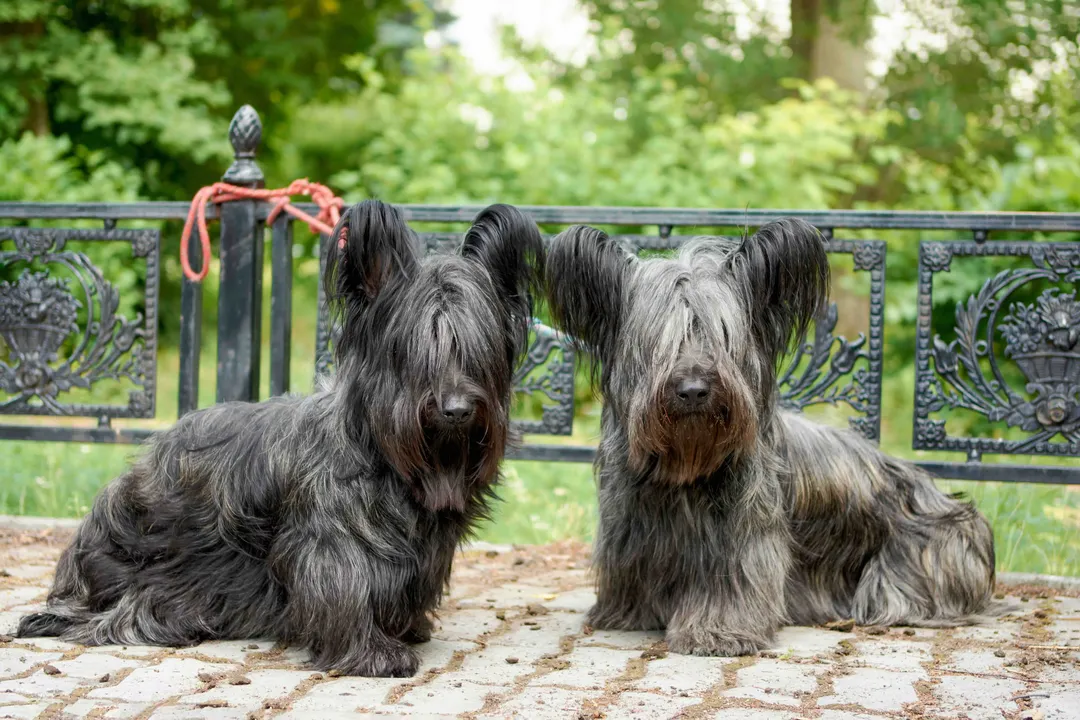
The Skye Terrier's inherent temperament plays a significant role in modulating their vocal output. They are highly intelligent animals, which means they can learn commands quickly, but this intelligence is often paired with a notorious stubborn streak typical of many terriers. This stubbornness means they must have a handler who is consistent and firm, but never harsh.
Skye Terriers bond deeply with their immediate family, often becoming intensely devoted to one or two people. This strong attachment means they can sometimes exhibit reserved or aloof behavior toward strangers. This reserved nature directly impacts their barking: an unhappy, insecure, or poorly socialized Skye might bark more at perceived threats (strangers) simply because they feel the need to defend their small inner circle without the aid of a larger pack dynamic. Early and continuous socialization is vital to ensure that their alert barking doesn't escalate into territorial aggression or excessive noise directed at every passerby.
A defining characteristic is their independence. Unlike some breeds that constantly seek reassurance through vocalization, the Skye is content to observe quietly from a distance. If they are left alone for long periods without appropriate mental engagement—such as puzzle toys or scent work—that independent nature can morph into separation anxiety, which will lead to increased barking.
# Understanding Owner Expectations
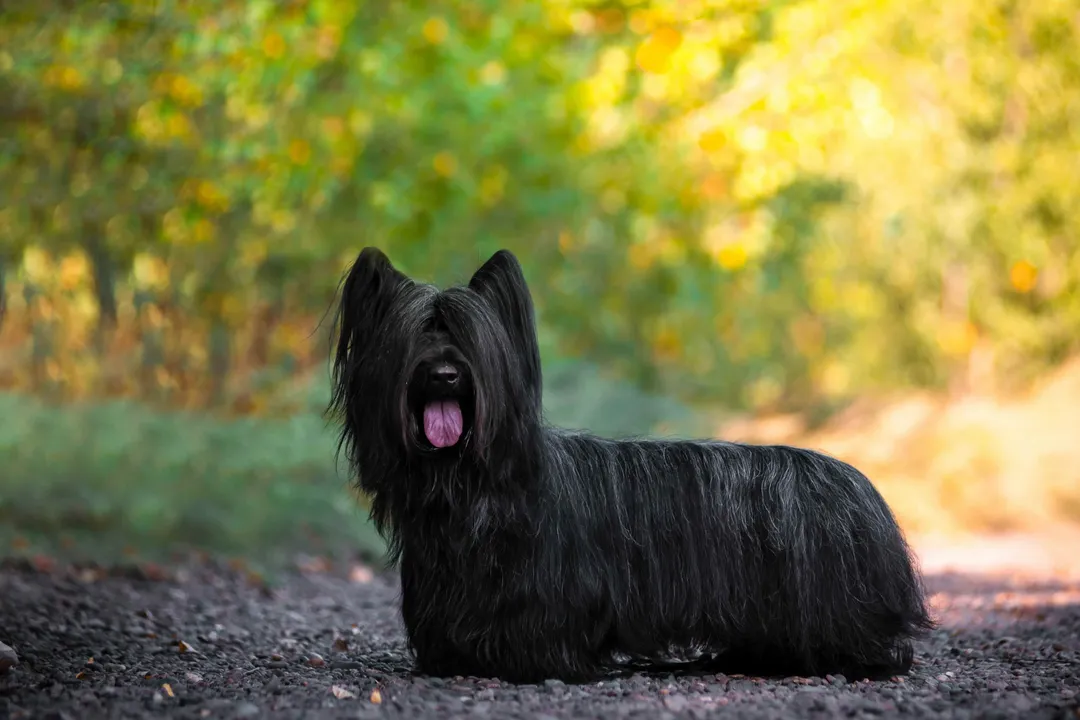
When considering a Skye Terrier, potential owners must align their expectations with the breed's nature. If the goal is a silent companion who never makes a sound, no dog, including the relatively quiet Skye, is a perfect fit. However, if the goal is a dog that barks only when there is a genuine reason to do so, the Skye is a strong candidate.
Here is a comparison of vocal tendencies based on common breed archetypes:
| Breed Group | Typical Barking Frequency | Primary Motivation | Skye Terrier Comparison |
|---|---|---|---|
| Hounds | High (often baying/howling) | Scent, distance communication | Very Different (Skye is sharp, not prone to baying) |
| Toy Breeds | Very High (high-pitched yapping) | Excitement, anxiety, small size | Different (Skye's bark is lower and less incessant) |
| Working Dogs | Moderate (alarm/territorial) | Guarding, herding warnings | Similar potential for alertness, but less social demand |
| Skye Terrier | Low to Moderate (alert) | Warning, territorial defense | Generally quieter than most terriers |
This means that while they are excellent watchdogs, they may not be the quietest apartment dog if that apartment is on a busy street where there are constant novel stimuli to report. Their alertness is a feature, not a bug, but it requires management.
# Training for Quiet
Managing the Skye Terrier's vocalizations relies heavily on consistent training methods tailored to their intelligent, slightly willful personality. Simply punishing the bark usually fails or drives the behavior underground, leading to stress for the dog. A more effective approach involves teaching an incompatible behavior or actively rewarding silence.
One practical technique involves acknowledging the alert without encouraging the escalation. When the dog barks once or twice at a sound, approach them calmly, give them a brief, positive acknowledgment like, "Thank you, I see it," and then immediately offer a high-value treat for stopping the barking and looking at you. This teaches the dog: Alert first, then stop for a reward. If the barking continues past the initial warning, ignore the dog until there is a pause, even a split second, and then reward the silence. This uses positive reinforcement to shape the desired quiet behavior.
Furthermore, environmental management prevents the need for excessive barking in the first place. If the Skye barks incessantly at squirrels visible through a front window, the simplest immediate solution is to limit visual access. Installing privacy film on lower window panes or using baby gates to restrict access to trigger zones can significantly reduce the frequency of alerts that need to be managed. This is an essential proactive measure, especially when the dog is young and forming habits.
For the experienced owner who appreciates their independent spirit, the Skye Terrier offers a rewarding companionship where noise is rarely an issue unless provoked or neglected. Their moderate vocal nature, combined with their strong loyalty to their immediate circle, makes them a fascinating addition to a home that respects the distinct character of a true Scottish terrier. They guard the home with dignity, preferring silence over noise, unless that silence is genuinely required to be broken.
Related Questions
#Citations
Skye Terrier: Dog Breed Characteristics & Care - The Spruce Pets
Skye Terrier Dog Breed Health and Care - PetMD
Meet The Skye Terrier! - Westside Animal Hospital
Spotlight On Skye Terriers - Smyrna Animal Hospital
Do Skye Terriers bark a lot? - Adopt a Pet
Skye Terrier: Your Complete Guide - Dog Academy
Breed Spotlight: Skye Terrier | Dr. Kathy's Veterinary Care Inc.
Celebrating The Skye Terrier | Plano, TX | Coit Hedgcoxe
Dog Breed Spotlight: The Skye Terrier - Southlake Animal Hospital