Do Mudi dogs bark a lot?
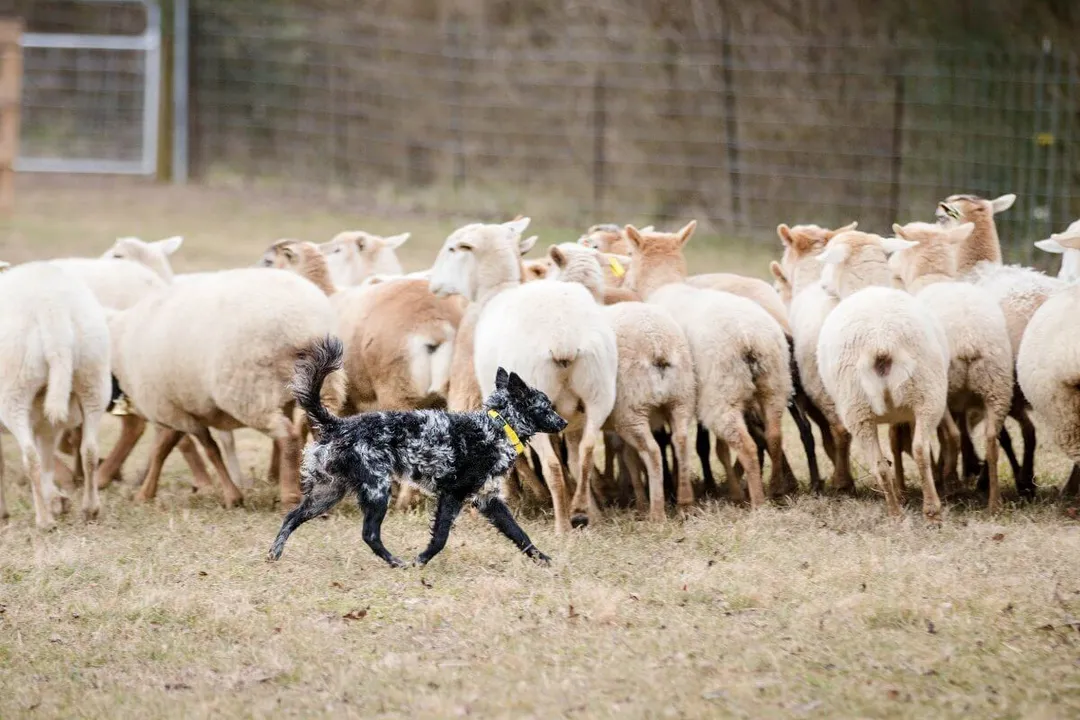
The question of how much a Mudi dog tends to bark is one of the most common inquiries potential owners have about this rare Hungarian herding breed. The short answer is that they are certainly not a silent breed; they are known for being vocal. However, simply labeling them as "barkers" misses the critical nuance embedded in their heritage and intelligence. The Mudi’s vocalization is less about incessant noise and more about communication, alerting, and expression—though that expression can certainly lead to a significant amount of noise if not managed correctly.
# Heritage Defining Voice

To understand the Mudi’s tendency to use its voice, one must look back at its ancestral role on Hungarian farms. This breed was developed as an "all-purpose farm dog". Unlike some other famed herding dogs, such as the Border Collie, which perfected the use of the intense "eye" to move livestock, the Mudi relies heavily on its wits and, importantly, its bark. Their job description included guarding the flock and the farm property, which inherently required them to be keenly aware of their environment and quick to announce anything new or suspicious to the shepherd or larger guardian dogs.
This natural alertness remains a strong trait in the modern companion Mudi. The American Kennel Club (AKC) classifies their barking level as ranging from "Only To Alert" to "Very Vocal," which reflects the variability in the breed and the context of the situation. They are described as being vigilant watchdogs. For a Mudi, a strange sound outside, the arrival of the mail carrier, or even an unfamiliar dog passing by is cause for an announcement. They are naturally suspicious of strangers, which feeds directly into their tendency to speak up when someone new is near.
# Vocal Spectrum
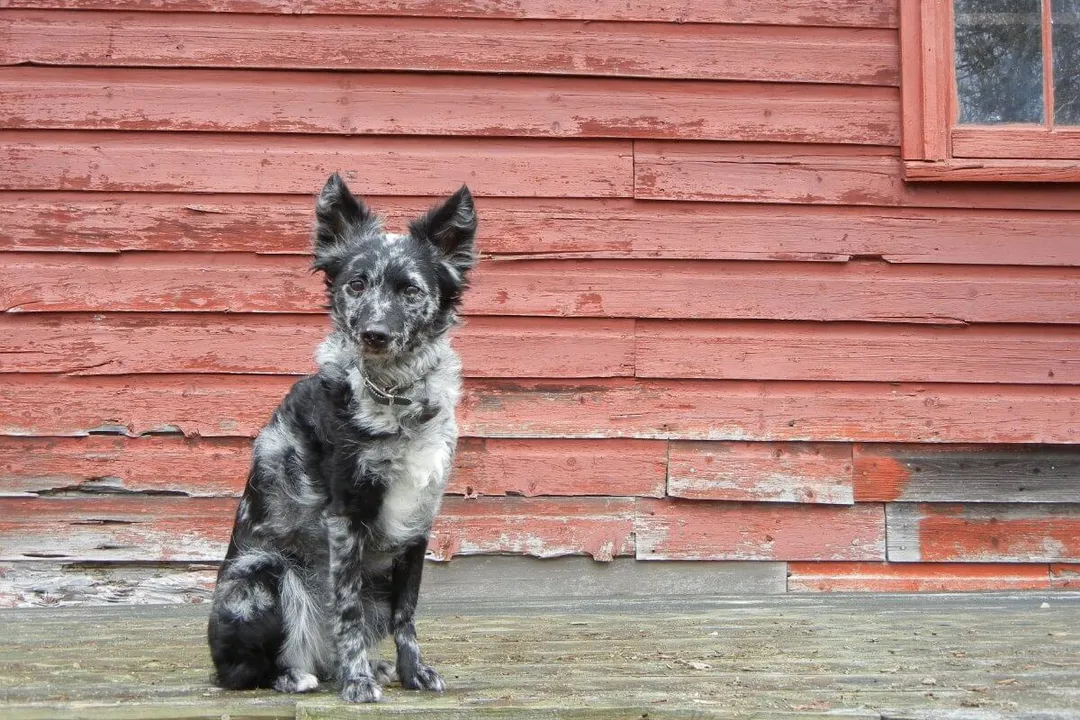
While Mudis are certainly vocal, owners and experienced breeders often draw distinctions between the type of vocalization. They are not bred to bay continuously like some hounds, nor are they typically the type to bark out of sheer boredom if sufficiently stimulated, though this can happen. Instead, their vocalizations often fall into distinct categories. They may use a "loud, high-pitched bark" specifically for alarm purposes. Furthermore, they are known to be expressive in other ways, making assorted sounds like purring or growling, and they particularly enjoy “screaming when they are excited”.
It is this high level of expression that can differentiate them from more reserved breeds. When comparing them to the ubiquitous Border Collie, for example, one breeder notes that the Mudi is generally the louder of the two breeds, often requiring fewer repetitions to grasp a command but possessing a different mental approach to tasks. While many Mudis can settle down and be generally quiet in the house when they have an established "off switch," their enthusiasm in active situations means the noise level can spike dramatically. If a Mudi is excited—perhaps fetching a ball in the water—the barking may begin the moment they engage with the water and continue until the activity ends.
One factor to consider in this rare breed is that temperament varies because the lines are not as uniformly refined as some older breeds. While some lines may be quieter, it is not unheard of for an individual Mudi to bark and not stop until told, sometimes even at judges during sporting events, indicating a tendency to loudly question novel situations.

# Apartment Living Challenges
The combination of high alertness, strong protective instincts, and a vocal nature means that fitting a Mudi into a dense urban or apartment setting requires forethought. The Mudi Club of America notes that they do not fare as well in apartments only due to their tendency to bark. While they possess an "off switch" and can be calm indoors when exercised, that default vigilance means they will react to every passing footstep or distant siren if allowed to do so unchecked.
A key point for prospective owners living in close proximity to neighbors is understanding the difference between the Mudi’s alert bark and nuisance barking. A Mudi might give one strong, clear announcement about a stranger approaching the fence line, and then fall silent if they trust their owner's management. The problem arises when the owner fails to acknowledge the alert or does not provide a subsequent direction, leading the dog to continue barking to "solve" the perceived problem itself.
When considering an active herding dog that requires significant physical and mental engagement—often cited as one to two hours daily—it’s important to recognize that boredom will translate directly into unwanted vocalizations. If a Mudi is not mentally stimulated, its high intelligence and energy will manifest in self-created projects, which can include excessive barking, digging, or other destructive behaviors. The Mudi needs a job, and if the job isn't sheep herding, the neighborhood mail carrier becomes the substitute focus of their attention.
# Training the Talker
Fortunately, the Mudi’s high intelligence and eagerness to please make them very trainable. The approach to managing the bark, however, must align with their sensitive nature. Heavy-handed, dominance-based training methods are counterproductive; they learn much faster when they trust their trainer and view the process as teamwork. Because they are clever thinkers who dislike repetition and can become bored quickly, training sessions must remain short, positive, and engaging.
The most effective management strategy revolves around teaching the dog when to speak and, more importantly, when to stop. Many experienced owners recommend proactively teaching both the speak and quiet commands. This teaches the dog that its voice is a tool it can deploy on command, and subsequently, extinguish on command, which reinforces the owner's leadership over the alert behavior.
For those new to the breed or living in restrictive environments, managing their inherent wariness toward strangers is also part of the barking equation. Since they are naturally reserved with unfamiliar people, early and extensive socialization is vital, not just for general confidence, but specifically to prevent shyness or reactivity from turning into aggressive warning sounds. Exposure to varied sights, sounds, people, and other dogs in a fun, positive way during puppyhood helps shape that natural vigilance into appropriate response patterns.
A consistent training commitment is necessary because the Mudi’s independent and quirky nature means they can sometimes "change the rules based on their wants". If an owner allows barking one day and strictly forbids it the next without clear context, the dog will become confused, possibly defaulting to their own interpretation of necessary alerts.
To gain control over environmental reactivity, owners need to be proactive rather than purely reactive. Instead of waiting for the dog to bark at every passing jogger, establish structured engagement with the environment. Try identifying the most common triggers in your daily routine—perhaps the sound of a specific car or the visual of a person walking past a gate. Once identified, implement a proactive management system: when you anticipate the trigger, cue your dog into a known, rewarding activity before they feel the need to alert. For instance, if the 4:00 PM delivery truck is the nemesis, start a short, high-value trick session at 3:55 PM. The goal is to capture their attention and redirect their mental energy toward a mutually agreeable task before the instinct to bark is triggered. This approach validates their awareness—they are still observant—but channels that sharp focus into obedience, preventing the escalation from a single alert to prolonged barking episodes.
Ultimately, the Mudi’s tendency to use its voice is directly tied to its core identity as an intelligent, courageous, and highly observant herding dog. Owners should expect vocal communication, but they must also commit to providing the rigorous mental and physical exercise required to keep that communication directed toward useful, non-nuisance outlets. A well-exercised, well-socialized Mudi is one who tends not to find trouble elsewhere, reserving their loud declarations for moments that truly matter.
Related Questions
#Citations
Frequently Asked Questions - Mudi Club Of America
Mudi Dog Breed and Characteristics - Showsight Magazine
Mudi FAQ - Regerastace
About the Mudi Dog Breed
[Help] Mudi breed info : r/dogs - Reddit
Mudi - Dog Breed Information - American Kennel Club
What is a “Mudi”? - ROKA MUDI KENNEL