How much exercise do Transylvanian Hounds need?
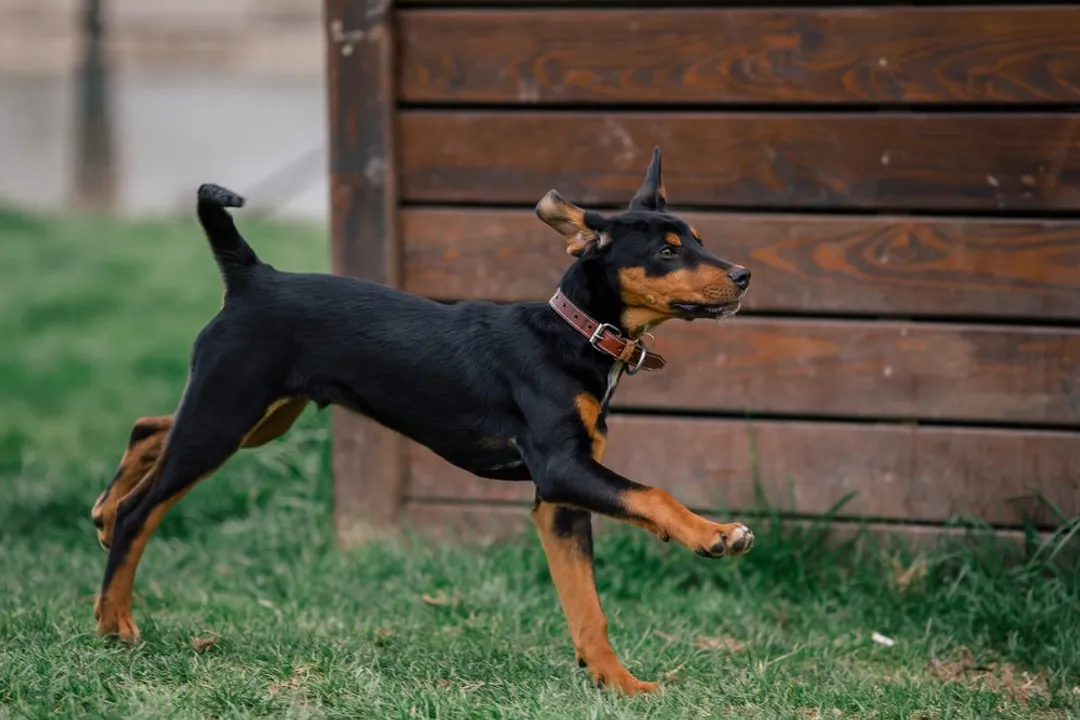
The exercise requirements for the Transylvanian Hound are intrinsically linked to its historical role as a rugged, determined scent hound bred for tracking game across the dense Carpathian forests. [1][3] These dogs are not content with a leisurely stroll around the block; their heritage demands significant physical exertion to keep them happy, healthy, and well-behaved. Understanding this deep-seated need for activity is the first step toward successful ownership of this noble breed. [2]
# Stamina Base

As a classic hound, the Transylvanian Hound possesses considerable stamina, a trait honed over centuries of demanding work. [1] They are built for endurance rather than explosive speed, meaning their exercise must often involve sustained activity rather than short bursts. [4] When considering how much energy this breed burns, it is helpful to look at general guidelines for high-energy dogs, which often suggest exercise approaching two hours daily. [4][8] However, specific advice for the Transylvanian Hound focuses on intensity and duration tailored to their scenting drive.
# Daily Duration
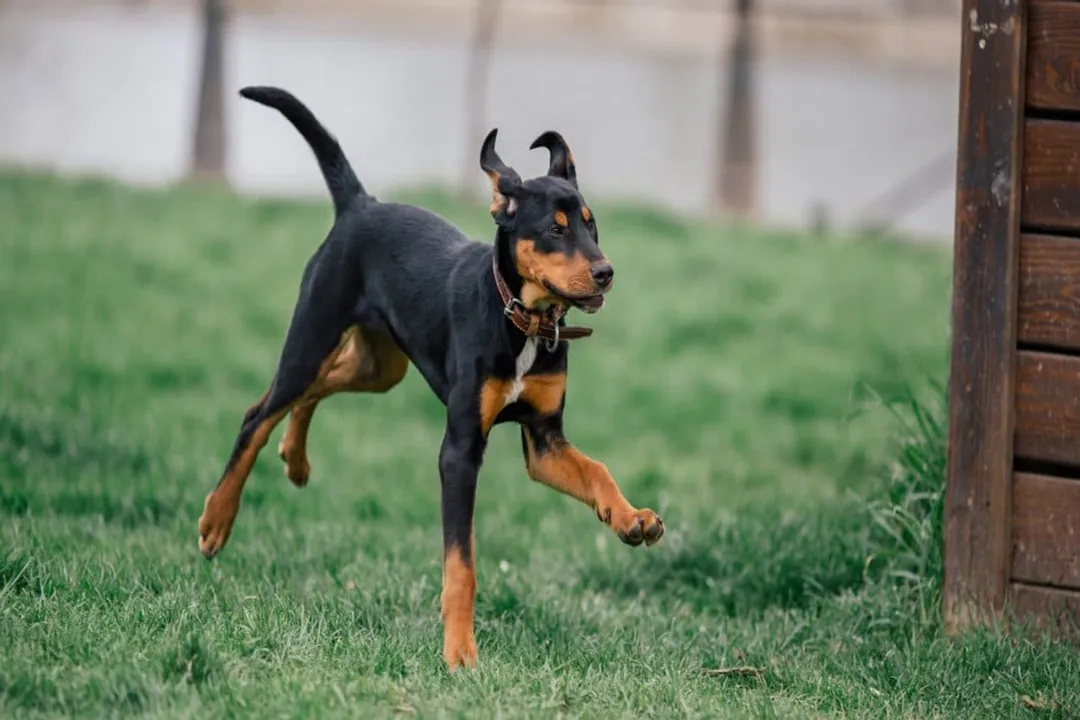
The consensus among various sources points toward a substantial daily commitment for exercise. One guideline suggests that these hounds require a minimum of one hour of vigorous exercise every day. [1] Another source narrows this slightly, recommending daily exercise be kept within the range of 45 minutes to an hour. [2] This small difference—the difference between a solid hour and slightly less—highlights the importance of observing your specific dog's energy levels rather than rigidly adhering to a single number. [8] A hound that has just finished an intense session will clearly signal readiness to relax, whereas one still pacing might indicate they require the upper end of that recommended window.
To illustrate how these small differences in recommended duration might translate into a weekly schedule, consider the following breakdown. If you aim for the more conservative 45-minute minimum every day, you are still dedicating over five hours a week to structured activity. If you consistently hit the one-hour mark, that commitment rises to seven full hours.
| Commitment Level | Daily Time | Weekly Total (7 Days) | Implication |
|---|---|---|---|
| Minimum Suggestion | 45 minutes | 5 hours 15 minutes | Adequate for maintenance; may need extra mental work. |
| Maximum Suggestion | 60 minutes | 7 hours 0 minutes | Ideal for a typically active adult hound. |
| High Energy Adjustment | 75 minutes | 8 hours 45 minutes | For dogs showing signs of restlessness or boredom. |
# Activity Types
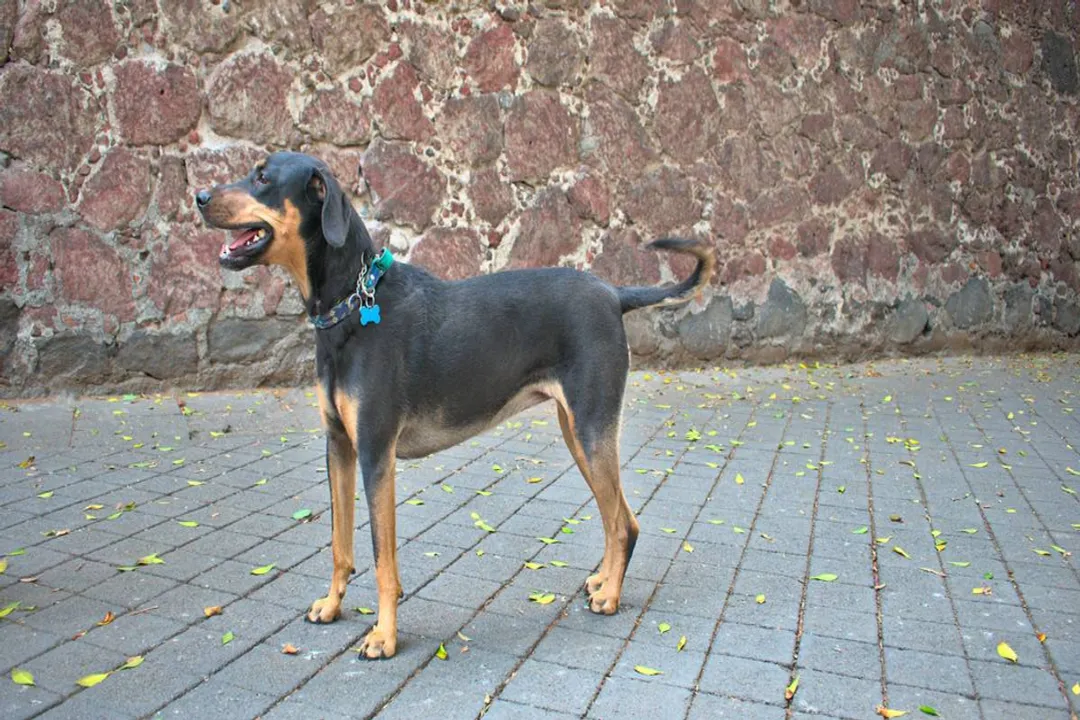
The type of exercise provided is arguably as important as the time spent doing it. For the Transylvanian Hound, activity must engage their natural scenting and tracking abilities. [1] A simple on-leash walk at a human's pace will likely not be sufficient to meet their vigorous needs. [2] These dogs excel when they are allowed to use their noses in a safe, confined area.
They thrive on activities that mimic their ancestral work. This means they need opportunities for long, fast runs or sustained vigorous activity. [1] If you live near safe, fenced acreage, allowing the hound to trot or canter freely is excellent. If open running space is limited, owners must get creative with structured off-leash work in secure dog parks or focus heavily on tracked, purposeful activity.
A key component often overlooked when dealing with scent hounds is the allowance for sniffing. While a fast jog is physically demanding, letting the hound spend time tracking a scent—even if it's just following a pre-laid trail or scent marker—is mentally exhaustive in a positive way. It allows them to engage the primary tool of their trade, which tires the mind as much as the legs. This is an essential distinction from breeds that only require cardiovascular work.
# Mental Engagement
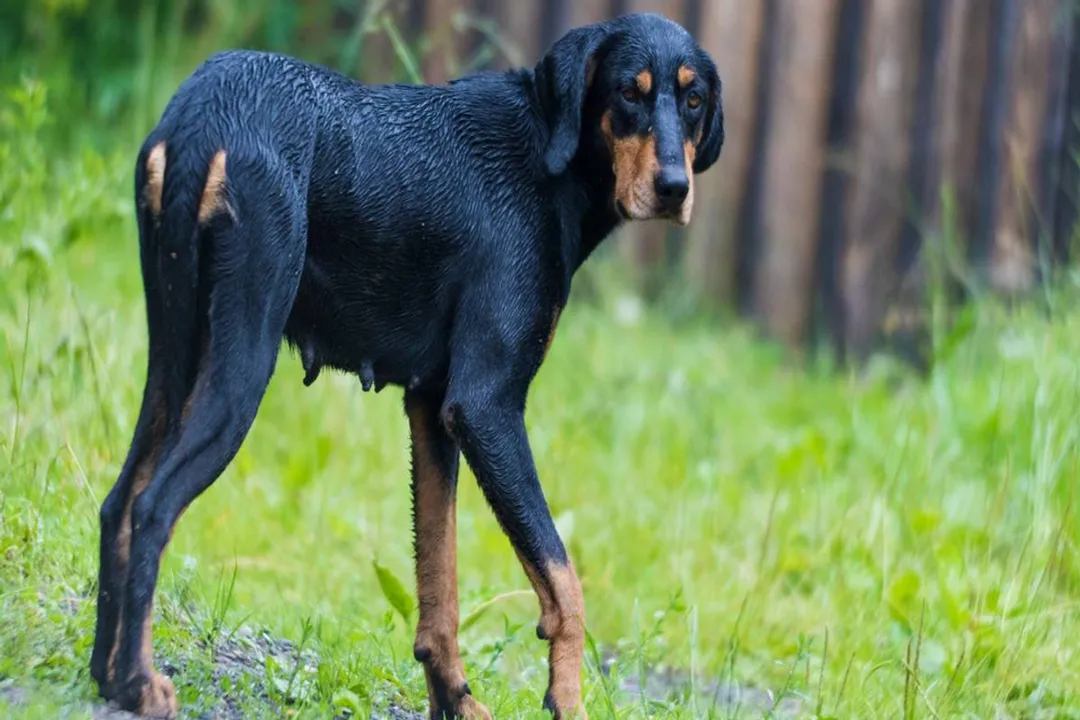
Because Transylvanian Hounds are intelligent, simply meeting their physical quota isn't always enough to prevent unwanted behaviors like digging or excessive barking. [2] Boredom is a significant trigger for destructive tendencies in a dog bred to concentrate on a single task for hours. Therefore, their exercise plan must incorporate significant mental stimulation alongside the physical. [2]
One effective method for channeling their tracking instinct, especially when confined to a yard or living space, involves simple scent games. Instead of just tossing a ball, try this: take a handful of high-value, strong-smelling treats, hide them around a room or a designated safe area of the yard while the dog is out of sight, and then release them with a cue like "Find it!" The focus and concentration required to locate the hidden rewards serve as an excellent cognitive workout. This structured "work" taps into their core drive and can significantly decrease their need to invent their own entertainment, which often involves chewing furniture or digging up the flowerbeds. [2]

# Age Variations
Exercise needs shift as the dog moves from puppyhood to maturity. While young puppies of any breed need frequent, short play sessions to encourage socialization and coordination, their developing joints and bones require careful protection from high-impact activities. [8] For the Transylvanian Hound puppy, this means avoiding forced, long-distance running or jumping until they have reached skeletal maturity, which can vary by breed but generally means holding off on intense marathon-style exercise until they are fully grown. A puppy might be satisfied with several short walks and supervised playtimes, but the intensity must be carefully managed to prevent long-term orthopedic issues. [8] As they mature into adults, the full, vigorous requirement of one hour or more daily becomes necessary to maintain their physical conditioning and mental equilibrium. [1][2]
# Owner Commitment
The reality of owning a Transylvanian Hound is that the exercise requirement translates into a significant daily commitment from the owner. These dogs are not well-suited to apartment living unless the owner is prepared to dedicate substantial, consistent time to intense outdoor activity daily. [1] If an owner works long hours away from home, they must plan for a dog-walker capable of providing a proper workout, not just a potty break. A hound left alone with pent-up energy is likely to become unhappy and potentially unmanageable due to frustration. [2] For the dedicated owner who enjoys hiking, trail running, or spending time outdoors, this breed is an excellent partner, as they will readily keep pace and thrive on the extended outings. [1]
Related Questions
#Citations
Transylvanian Hound: Your Complete Guide - Dog Academy
Transylvanian Hound | Dog Breed Facts and Information - Wag!
Transylvanian Hound Dog Breed Complete Guide - A-Z Animals
Daily Exercise Calculator For Your Dog - Rover.com
How much exercise does your hound get? : r/coonhounds - Reddit
Transylvanian Hound Dog - American Breeder
Transylvanian Hound - Dogstop
How Much Exercise Does a Dog Need Every Day?
All about Transylvanian Hound breed - Animalia