Do Ruby-crowned Kinglets eat suet?
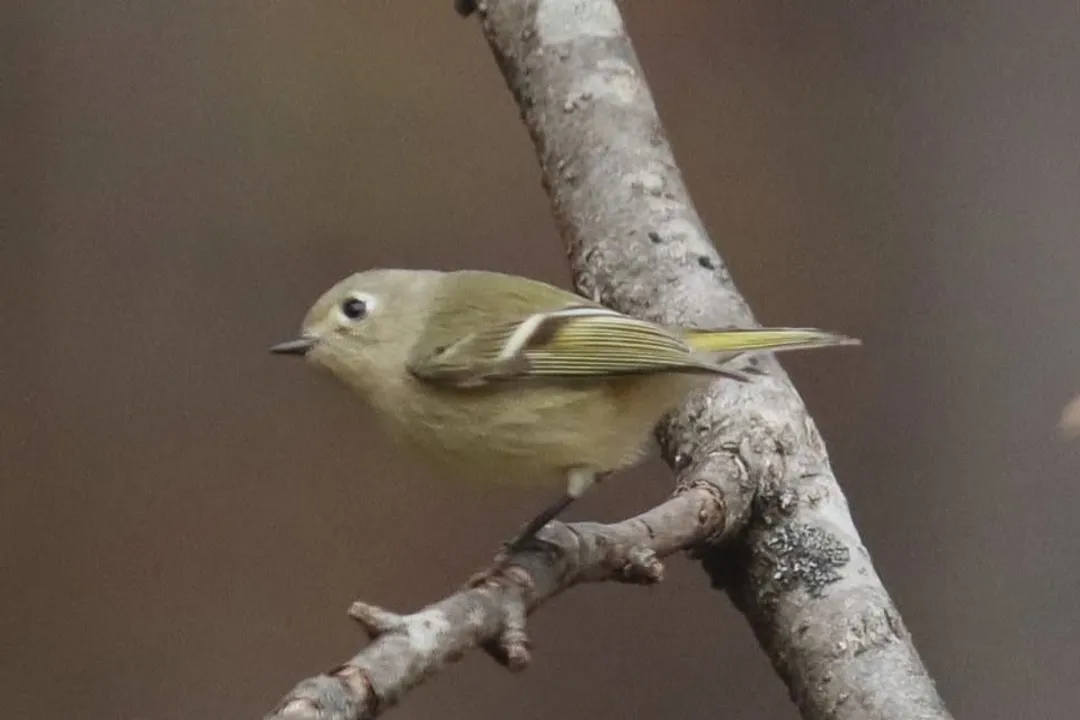
The Ruby-crowned Kinglet, a diminutive bird often recognized by the flash of ruby hidden beneath its crown, spends much of its time in frantic, constant motion, flitting through foliage to snatch tiny arthropods. [1] For backyard bird enthusiasts, spotting this energetic creature at a feeder is certainly a memorable occasion. [1] The question of its pantry preferences often arises, particularly concerning high-energy winter foods like suet. The short answer is yes, Ruby-crowned Kinglets will consume suet, but this behavior is highly contextual, usually occurring when their primary food source becomes difficult to find. [8]
# Insectivore Base
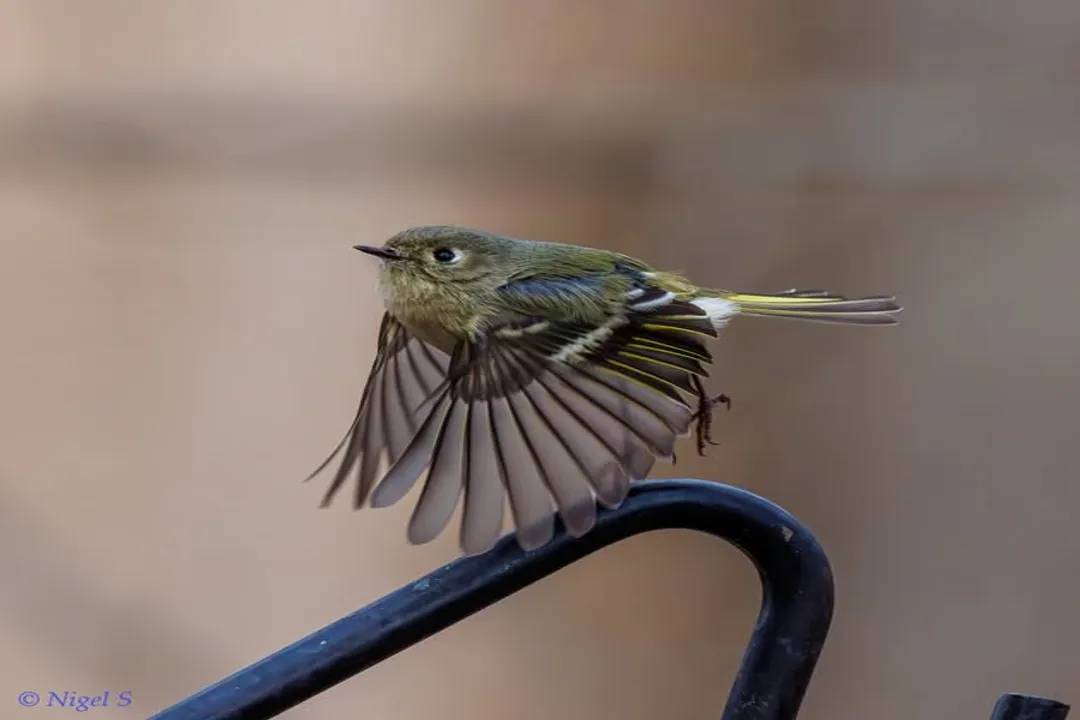
Kinglets are fundamentally insectivores, meaning their diet revolves around minute creatures they find by diligently searching vegetation. [8] Their incredibly high metabolism demands near-constant foraging; they must eat often to sustain their ceaseless activity. [1] This natural diet consists primarily of small insects and spiders gleaned from the surfaces of leaves, twigs, and bark. [1][3] They are not the type of bird you typically associate with seed feeders; you are far more likely to see them hovering near pine needles or inspecting the underside of a deciduous leaf than perched at a sunflower seed hopper. [8]
During the warmer months, when insects are abundant, a kinglet is unlikely to bother with manufactured feed, even if it is readily available. Their specialized foraging style is perfectly adapted for capturing these tiny, mobile food items, which provide a specific nutritional profile they require for breeding and migration. [1]
# Winter Necessity
As autumn transitions to winter, the availability of fresh insects and spiders plummets across much of the kinglet’s range. [8] This scarcity forces behavioral adjustments, making them much more receptive to alternative energy sources provided by thoughtful observers. [1][8] It is precisely during these lean times that suet—rendered fat, often mixed with seeds or dried fruit—becomes a valuable resource. [5]
Suet offers an exceptional density of calories and fat, which is crucial for any small bird trying to maintain its body temperature through cold nights. [8] A creature as small as the Ruby-crowned Kinglet, which weighs less than a nickel, loses heat rapidly. Consuming suet provides an immediate, concentrated fuel source that helps bridge the gap until the next successful insect hunt, or, more accurately, until insects become active enough to be caught again. [1] While they are known to occasionally sample peanut butter offerings alongside suet, the high-fat content of the rendered product is generally what attracts them when insects are off the menu. [3][7] Anecdotal evidence from bird watchers confirms these visits, with observers noting kinglets taking brief stops at suet feeders, especially when the weather turns particularly harsh. [9]
# Feeder Placement
Successfully enticing a Ruby-crowned Kinglet to a suet cake requires more than simply hanging a feeder; it demands an understanding of their cautious nature and foraging style. [7] Unlike jays or woodpeckers that can cling robustly to almost any surface, kinglets are delicate and somewhat hesitant visitors to feeders, preferring spots that mimic natural cover. [7]
A common mistake is placing suet intended for larger birds, such as woodpeckers, in a location that feels too exposed for a kinglet. These tiny birds prefer to forage quickly and retreat to nearby shrubbery or dense branches. If you are aiming to attract them specifically, consider placing suet cakes in wire cages rather than solid wooden holders, as the open structure feels less confining and allows them to pick bits off without having to perch awkwardly. [1][3] An additional consideration involves the mesh size. If the cage mesh is too wide, larger, more aggressive birds like chickadees might scare the kinglet away before it can secure a bite. Choosing a tighter mesh or a specialized "suet pellet" dispenser that allows small birds to pluck tiny pieces without monopolizing the feeder can improve their chances of feeding successfully. [7] They will approach the suet, often hanging upside down or sideways, snatch a quick morsel, and then dart away almost immediately, rarely lingering for more than a moment. [1]
# Energy Tradeoff Analysis
It is worth noting the energetic cost versus benefit of switching from natural foraging to feeder usage for a bird like the kinglet. While insects are their preferred food, foraging in cold, windy conditions can be incredibly taxing. If a kinglet spends an hour searching bare branches for insects and finds very little, the energy expended might exceed the energy gained. In this scenario, a two-minute stop at a suet feeder that yields a high-calorie return offers a significant net energy gain, even if the food is considered secondary. [8] This explains why, even though they are expert insectivores, they will readily accept the high-energy backup provided by suet when the energy cost of finding natural prey is too high relative to the reward. This opportunistic acceptance highlights their adaptability; while they stick to their specialized niche most of the time, survival instincts dictate taking advantage of easily accessible, high-yield winter calories. [1][3] Observing how they eat—quick, efficient pecking—rather than slow consumption, speaks directly to this energy conservation strategy employed during the non-foraging season.
# Observing Visits
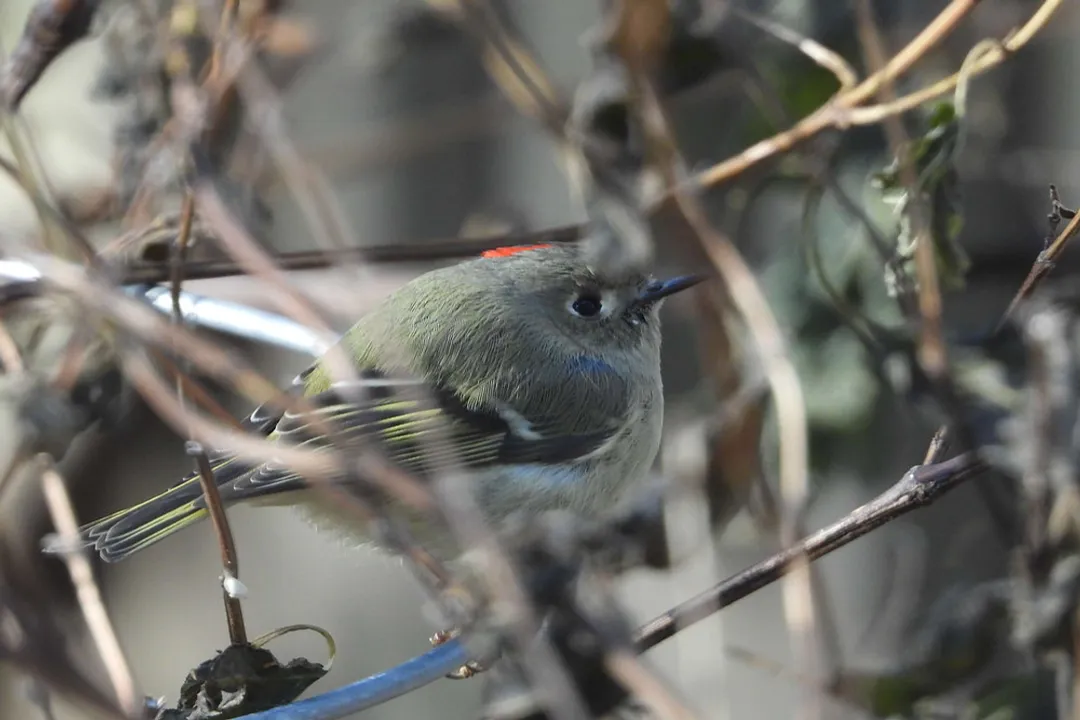
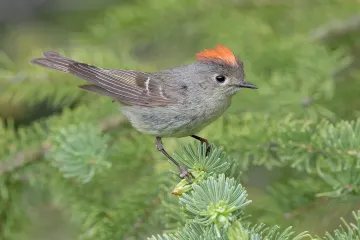
When a Ruby-crowned Kinglet does visit a feeder, the experience is fleeting but memorable. They rarely sit still long enough for detailed observation, especially when compared to a Nuthatch or a Titmouse that might hang around a suet feeder for several minutes. [5] You might catch a glimpse of the male’s crown, which is usually hidden unless the bird is displaying or particularly agitated, though females and young birds lack this feature entirely. [1]
If you are watching a suet cage during a cold snap, look for the bird that appears almost like a large, fast-moving insect itself. They move with jerky, hyperactive movements, often hanging vertically or even upside down while picking at the fat. [1][3] Unlike species that might aggressively defend a feeder, kinglets tend to be more timid, darting in when dominant birds are momentarily distracted or absent. [7] Consistent placement, especially near protective cover, increases the odds of witnessing this tiny jewel sampling your winter offerings. [8]
#Videos
Ruby- crowned Kinglet eating suet on 01.16.24 - YouTube
Related Questions
#Citations
SPOTTING A RUBY-CROWNED KINGLET AT A FEEDER IS ...
Ruby-crowned kinglet visiting backyard suet feeder - Facebook
Ruby-crowned Kinglet - Wild Birds Unlimited
Marcia Davis: Kinglets, nuthatches among small birds that eat suet
Ruby- crowned Kinglet eating suet on 01.16.24 - YouTube
The Timid Ruby-Crowned Kinglet - Birds Of West Cobb
How to Attract Ruby-crowned Kinglets - The Southern Wild
Ruby crowned kinglet enjoying some suet : r/birdwatching - Reddit