Do Gordon Setters have hair or fur?
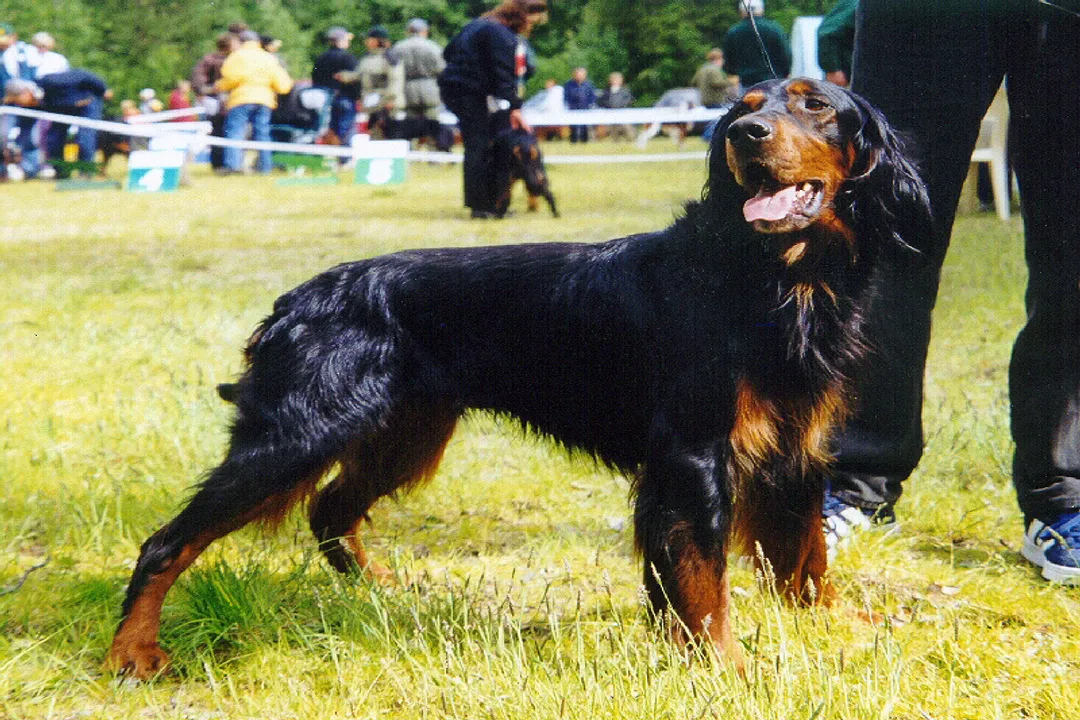
The distinction between a dog having hair or fur is a common source of confusion for many pet owners, and the handsome Gordon Setter is no exception to this query. To resolve the matter for this majestic breed, the short answer is that Gordon Setters possess fur. More specifically, their coat is characterized as a dense, double-layered fur system, which includes both a soft undercoat for insulation and a longer, feathered outer coat that offers protection in the field. This complex structure dictates everything from their required maintenance schedule to their suitability as companions for allergy sufferers.
# Fur Definition
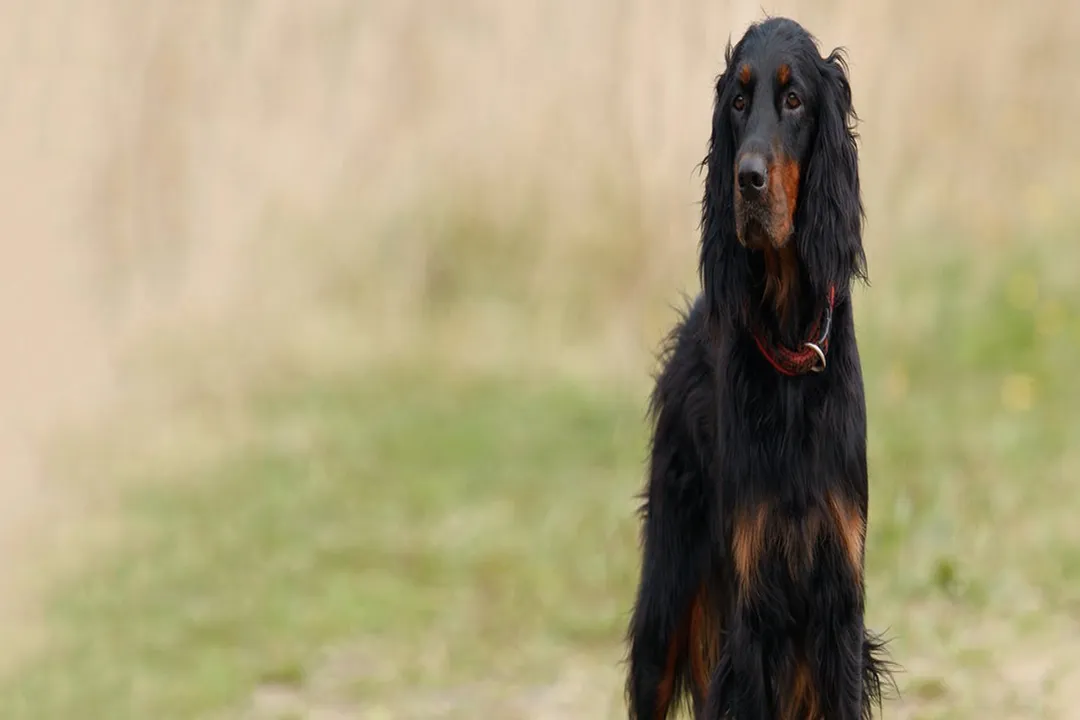
Scientifically speaking, the difference between hair and fur often relates to growth cycles and texture, though these terms are used somewhat interchangeably in common parlance when discussing canine coats. Fur generally has a shorter growth cycle, leading to more shedding, whereas "hair" (like on a human head) grows continuously. The Gordon Setter’s coat falls squarely into the category of fur because it grows to a specific length, sheds, and is structured as a double coat. This double coat is essential; the dense undercoat provides necessary warmth when they are working in the often harsh, damp Scottish environment from which they hail.
# Coat Texture And Look
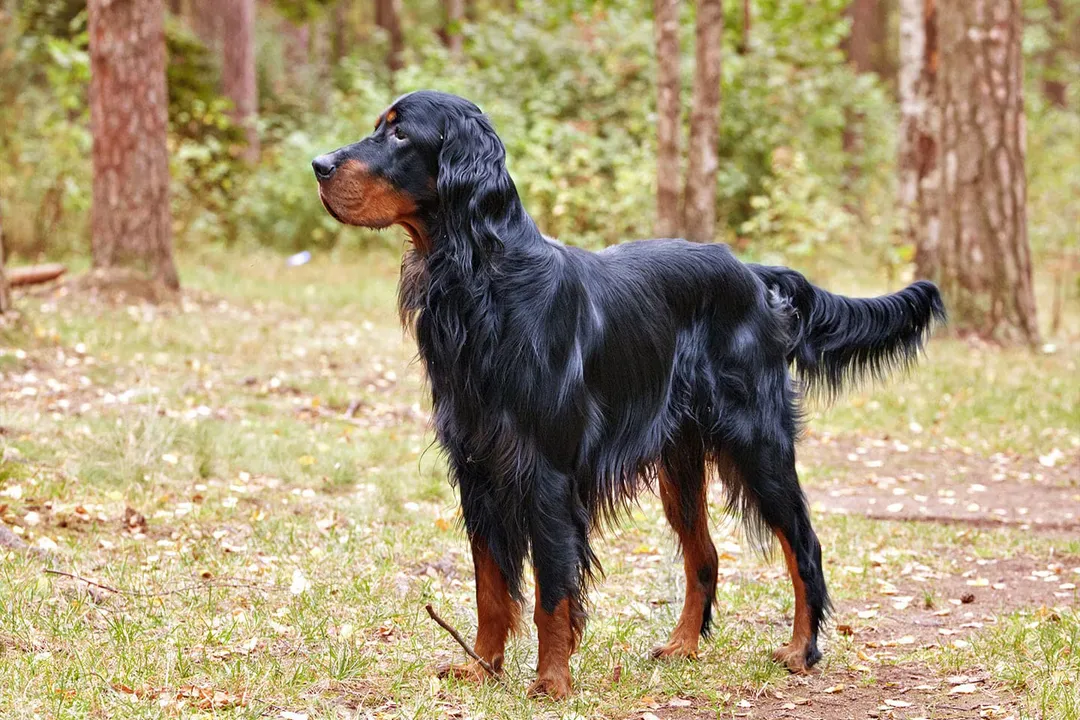
The breed standard is quite specific about the desired texture of this protective fur. It should be soft and shining, and ideally straight or slightly waved, but never curly. This silky texture is maintained over a medium-length body coat. Breeders aiming for the show ring often encourage a greater amount of feathering than what might have been strictly necessary for the original hunting dogs, who needed a coat that allowed them to work unimpeded through brush and heather for a full day.
The black and tan coloration is perhaps the breed’s most striking visual trademark. The primary color is a deep, shining coal-black. This black is contrasted by tan markings in shades of rich chestnut or mahogany red. These markings are precisely placed: two clear spots over each eye, markings on the muzzle sides, throat, chest (usually two large, clear spots), inside the hind legs, and on the forelegs down to the toes. A key indicator of correct coloring is that the borderlines between the black and tan must be clearly defined, with no tan hairs mixed into the black coat itself. While the standard allows for a small white spot on the chest—the smaller the better—the breed also carries a recessive gene that can occasionally produce solid red puppies, though these are ineligible for showing.
# Feathering Purpose
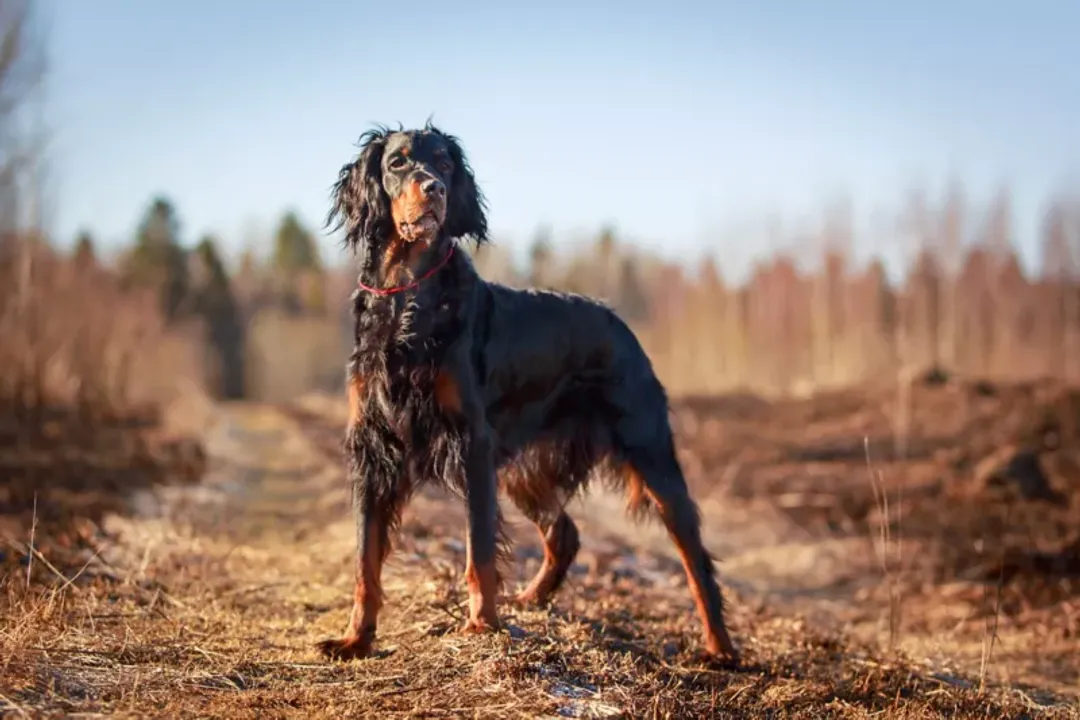
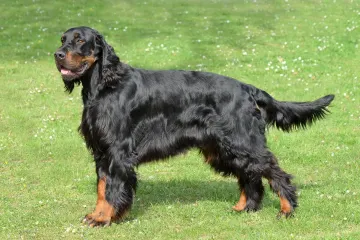
The long, luxurious sections of the coat—the feathering—are concentrated on areas that might benefit from extra cushioning or protection, or those less exposed to abrasive elements during work. This includes the long hair on the ears, under the stomach, the chest, the back of the fore and hind legs, and the tail. The tail feathering specifically takes on a triangular appearance, growing shorter uniformly toward the end.
When one considers the Gordon Setter’s heritage—developed in Scotland to hunt grouse and partridge across rugged terrain—the coat's design makes perfect sense. The shorter, denser fur on the main body provides insulation against cold and sheds debris, while the feathering acts somewhat like protective gaiters or aprons, shielding the joints and softer underbelly during a long day of ranging. If we look at the breed’s history, the focus was historically on stamina and field capability, meaning the coat had to serve function first. An insightful observation, considering their Scottish roots, is that the slight wave allowed in the coat might actually aid in shedding water more efficiently than a completely straight coat, preventing the dog from becoming waterlogged during wet hunts, a subtle advantage over breeds with only straight coats in a perpetually damp climate. The deliberate shape and length were engineered for endurance, not just aesthetics.
# Grooming Demands
Understanding that the Gordon Setter has a double coat with significant feathering immediately signals a notable commitment to grooming. This is not a wash-and-go breed. To keep that soft, shining texture from becoming a tangled mess, regular attention is non-negotiable.
The consensus among breed experts suggests that brushing should occur at least weekly. However, given the risk of matting, particularly in the longer feathering around the ears, stomach, and rear legs, owners may find grooming two to three times a week necessary to truly prevent knots and tangles from forming. Field-used dogs will naturally collect burrs, debris, and mud, necessitating more frequent checks than a dog primarily kept indoors.
Bathing frequency is more flexible; while some suggest bathing every one or two weeks is beneficial, others note that as long as the brushing is rigorous, monthly bathing can be sufficient to remove accumulated dirt and oils and keep the coat fresh.
Beyond brushing and bathing, targeted maintenance is required:
- Ears: Due to their long, low-set, pendulous ears, checking and cleaning the inside weekly is vital to prevent infection.
- Feet: Trimming the fur between the toes and on the bottom of the feet is recommended monthly to prevent debris, dirt, or ice balls from accumulating, which can affect their cat-like feet.
- Nails: Regular nail trimming, often needed once or twice a month, is essential to prevent painful cracking or splitting.
# Practical Coat Tactics
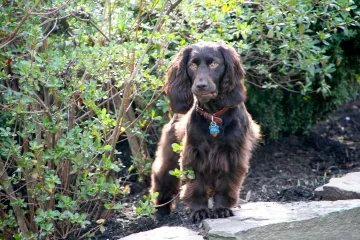
One crucial guideline when caring for a Gordon Setter's coat is what not to do: Trimming with clippers is strongly discouraged. Clipping can actually alter the coat’s natural texture and compromise the protective quality of the fur, which is counterproductive to the breed’s original working design. This means owners need to become comfortable with scissoring around the feet, ears, and sanitary areas, or budget for regular professional maintenance that respects the coat’s natural texture.
For those who live with their Gordon Setter after a long day spent in the field or on a rugged hike, managing debris is key. To make nail trims less daunting, a practical strategy is to combine them with bath time. Soaking the nails softens the keratin, making them easier to clip cleanly and reducing the chance of cutting into the quick. Furthermore, while they shed an average amount—more than low-shedding breeds but less than heavy shedders like Huskies—consistent grooming is the primary defense against excessive hair around the home.
To aid owners in staying on top of this consistent maintenance schedule, a structured approach can be helpful. Since the grooming requirements for the Gordon Setter blend weekly attention with monthly deeper tasks, integrating these into a routine prevents buildup that leads to difficult matting:
| Frequency | Task Focus Area | Key Action | Goal |
|---|---|---|---|
| Daily/Every Other Day | General Coat/Teeth | Quick run-through with a pin brush; brief teeth brushing. | Immediate debris removal; habit formation. |
| Weekly | Full Coat Integrity | Thorough brushing of the entire coat, focusing on feathering. Ear cleaning. | Prevent tangles/mats; maintain ear health. |
| Monthly | Deeper Maintenance | Full bath and conditioning. Nail trimming (softer nails post-bath). Trimming hair around feet/ears/vent. | Coat cleansing; structure preservation; foot comfort. |
| As Needed (Post-Field) | Debris Removal | Intensive spot-checking and line-combing in heavy-feathered areas. | Prevent matting caused by burrs or dirt pickup. |
This systematic approach ensures that the dog receives the required weekly attention while grouping the more intensive tasks into a predictable monthly slot, aligning with the breed’s needs for both daily activity and regular care.
# Coat And Breed Demands
The physical coat of the Gordon Setter is inextricably linked to the dog’s physical and mental profile. They are the largest and most substantial of all setter breeds, meaning their frame requires more protection and stamina for long work periods. Males can weigh up to 80 pounds and stand 27 inches tall. This size, combined with their history as endurance hunters rather than sprinters, means they require a substantial 60 to 80 minutes of vigorous daily exercise.
This high energy level means the dog is happiest when given a "job". Even if that job isn't hunting birds, channeling their intelligence and willingness to please into activities like agility or advanced training provides the mental stimulation that complements their physical needs. When the work—or exercise—is done, this confident and bold dog transitions into a sweetly affectionate companion, content to sit by their owner’s side. This temperament, which requires an owner strong-minded enough to provide firm yet gentle leadership, pairs well with a coat that demands consistent attention, signaling to the owner that this is a serious, purpose-bred animal requiring thoughtful commitment.
In summary, the Gordon Setter sports fur, structured as a dense double coat designed for rugged Scottish fields. That fur requires dedication—weekly brushing, regular trimming of the extremities, and an understanding that its natural texture should be preserved, not clipped away—to match the noble appearance and capable structure of this heavy, loyal, and steadfast sporting dog.
Related Questions
#Citations
Gordon Setter - Dog Breeds
Gordon Setter - All About Dogs
Gordon Setter | Dog Breed Facts and Information
Do Gordon Setters have hair or fur?
Breed Standard – Gordon Setter Club Of America, Inc.
Coat & Markings
Gordon Setter Breed: Characteristics, Care & Photos - Dog
Gordon Setter