What issues does Mountain Cur have?
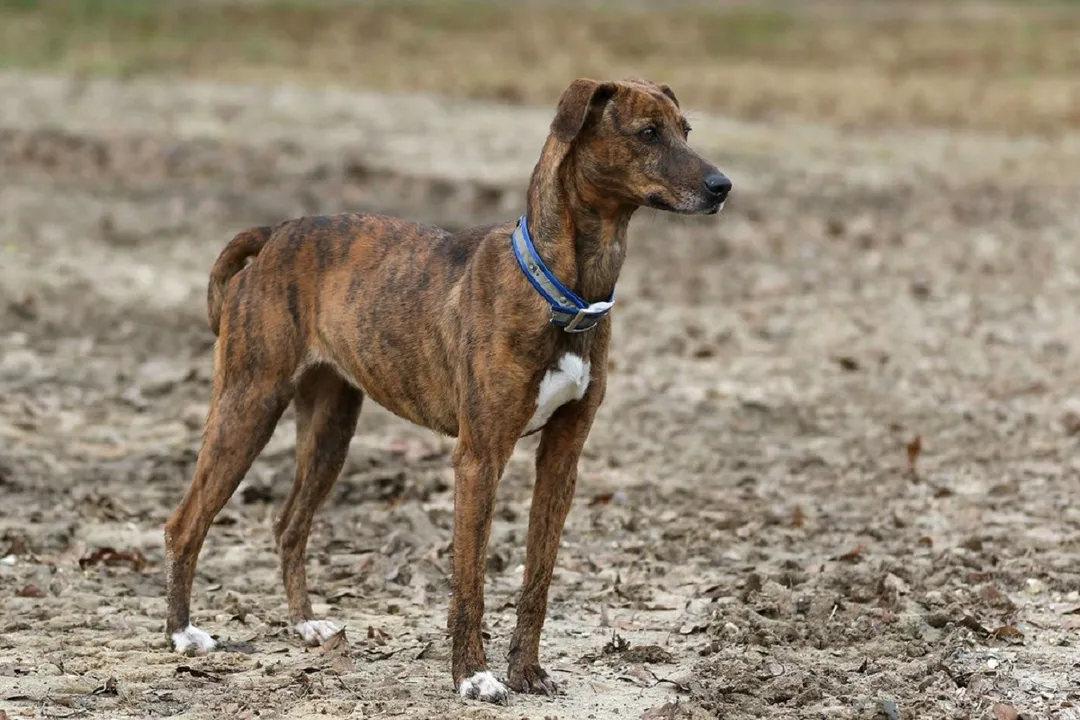
The Mountain Cur, a breed rooted deeply in the American South as a capable working dog, generally enjoys a reputation for being quite sturdy and spirited. [4][7] Owners often praise their loyalty and intelligence, traits essential for their historical roles in hunting and farm work. [4] While they aren't typically plagued by a long list of severe, breed-specific ailments, potential and current owners should remain aware of the health considerations common to active, athletic canines, as well as any specific issues noted within the breed standard or anecdotal reports. [4][8] A healthy Mountain Cur can typically expect a lifespan ranging from 10 to 15 years. [1][4][7]
# Breed Hardiness
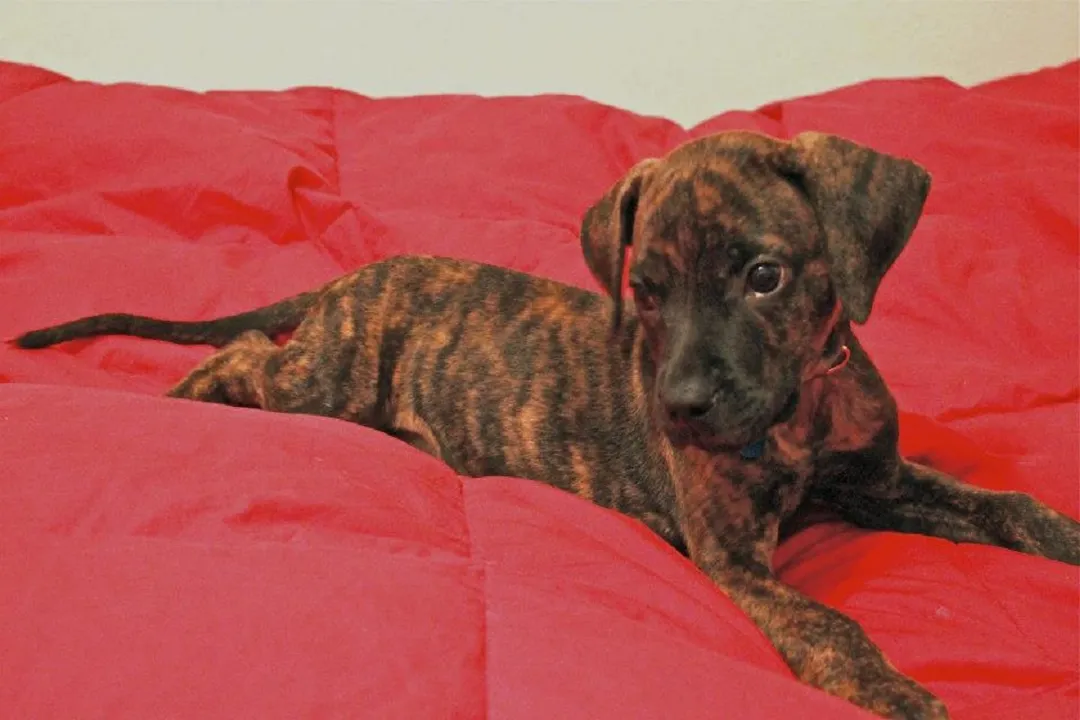
The consensus across owner discussions and breed descriptions leans toward the Mountain Cur being a generally sound and resilient dog. [2][4] Their heritage as an all-around utility dog means they needed the constitution to withstand rigorous outdoor life. Many owners report having dogs that remain active and healthy well into their senior years, sometimes citing dogs reaching ten years old without significant debilitating health problems. [5][9] This suggests that with proper care, nutrition, and exercise, the breed tends to thrive. [4] However, even the hardiest breeds require regular veterinary check-ups to catch potential issues early, which is especially true for a breed bred for endurance rather than strictly conformation standards. [8]
# Orthopedic Concerns
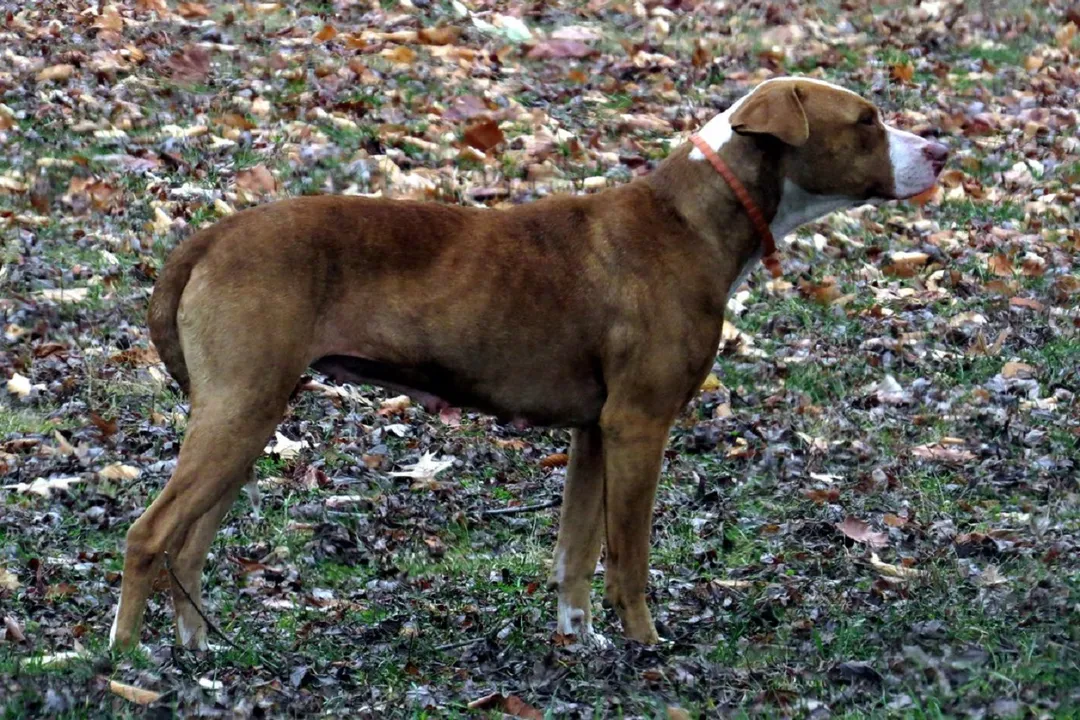
As with many medium-to-large breeds that possess significant muscle mass and an active lifestyle, orthopedic issues are a noted area of concern for the Mountain Cur. [4] The most commonly cited potential condition in this category is hip dysplasia. [4] This condition involves the improper formation of the hip joint socket, leading to instability, pain, and eventually, arthritis. [4] Because the Cur is naturally inclined toward running, jumping, and long periods of physical activity, undue stress on developing joints in puppies can exacerbate underlying predispositions.
This is where proactive management becomes essential. When considering a puppy, inquiring about the hip health certifications of the sire and dam is a responsible first step, looking for clearances from organizations like the Orthopedic Foundation for Animals (OFA) if breeders adhere to those standards. Beyond genetics, managing a young Cur's exercise is key; forcing an adolescent dog into intense, repetitive jumping or high-impact running before their growth plates have fully closed can place unnecessary strain on developing structures. For instance, noticing a puppy struggling with stairs or showing reluctance to play after heavy activity should prompt a discussion with a veterinarian long before the dog reaches its adult size. [4]

# Ocular Problems
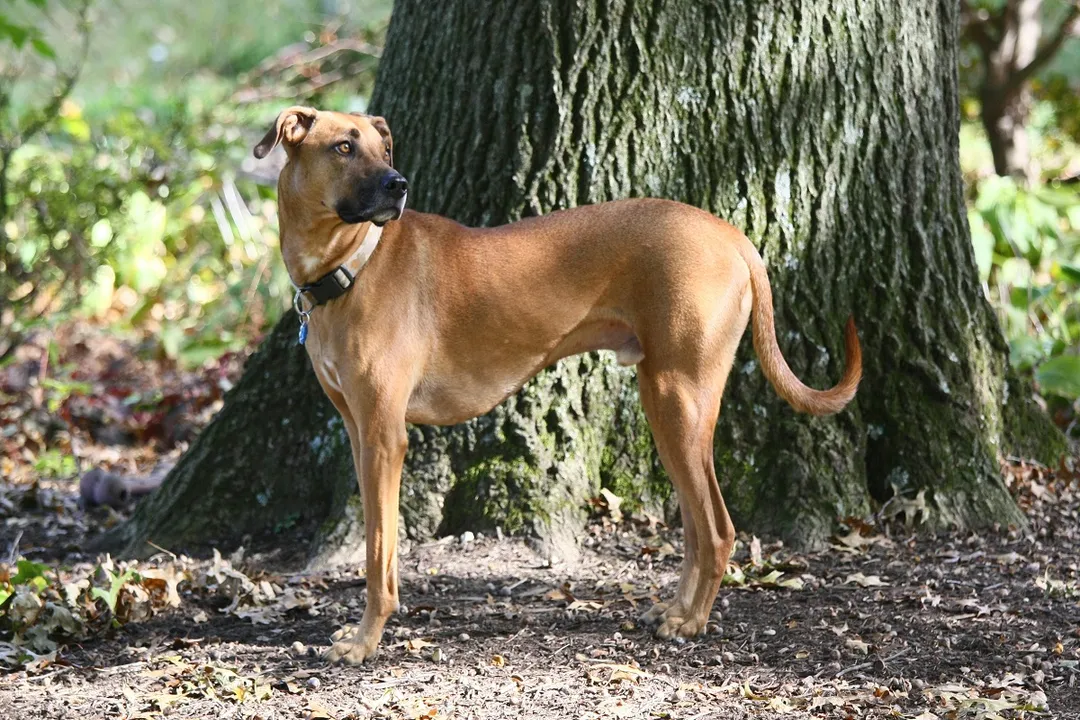
Another health category where caution is advised involves the eyes. Specifically, cataracts have been identified as a potential issue within the Mountain Cur lineage. [4] A cataract is a clouding of the eye's lens, which impairs vision and, if left untreated or if severe, can lead to blindness. [4] Since cataracts can sometimes have a hereditary basis, responsible breeders should screen their breeding stock for eye abnormalities.
For owners, regular visual checks during grooming or general handling can be quite revealing. While subtle changes in vision might be missed by the owner as the dog compensates, signs like bumping into familiar objects, reluctance to catch thrown toys, or an observable cloudiness in the eye that wasn't there before warrant an immediate visit to a veterinary ophthalmologist. [4] Catching hereditary conditions early, even if surgical intervention is required later, is always preferable to dealing with established, advanced vision impairment.
# Aging Dogs
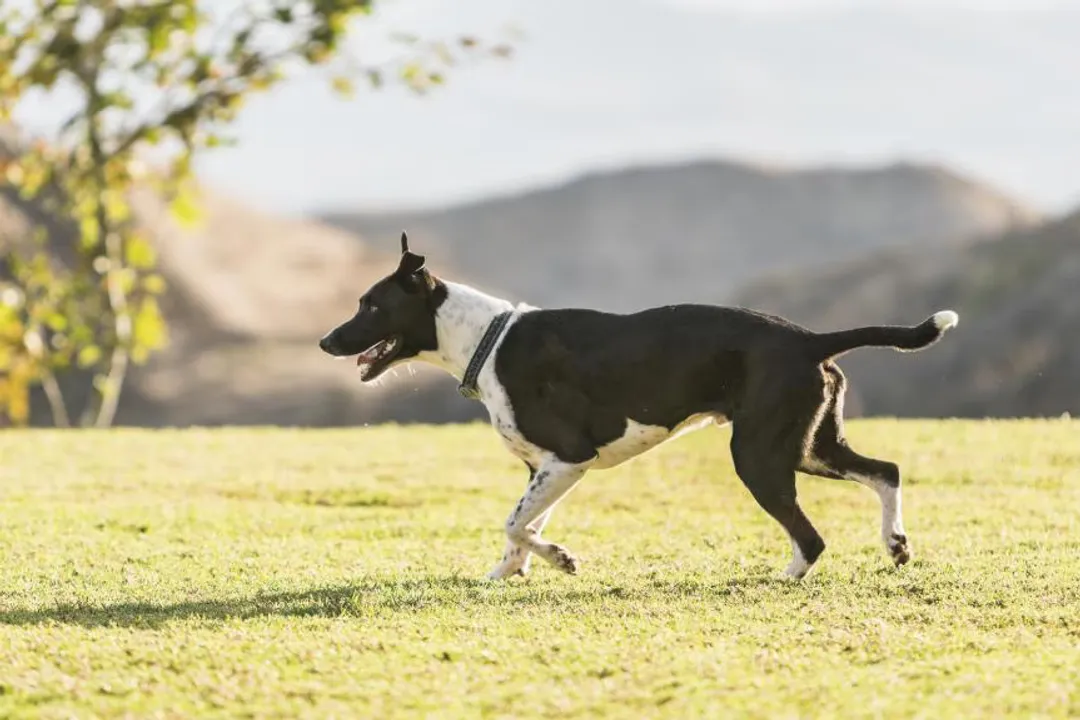
As Mountain Curs approach their senior years, typically around seven or eight, owners may notice a natural slowing down, similar to many other breeds. [5][9] Anecdotal discussions often revolve around how to best support these older dogs. One concern noted casually by owners of older Curs involves general mobility decline, which could be related to the hip issues mentioned previously or simply age-related stiffness, sometimes manifesting as difficulty rising or a reluctance to jump onto furniture. [5][9]
It is important to differentiate between normal aging and treatable pain. If a ten-year-old Cur suddenly seems uncomfortable, an owner should not immediately attribute it solely to old age. Instead, a vet can help determine if supplements, adjusted bedding, or mild pain management can significantly improve their quality of life. Ensuring they maintain a healthy weight as their energy needs slightly decrease is a critical management tool to reduce joint strain during these later years. [4]
# Activity Risks
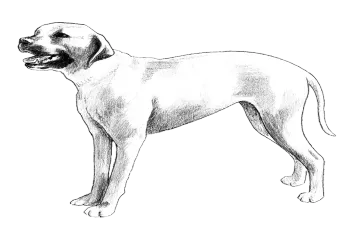
The very nature that makes the Mountain Cur a fantastic working dog—its high drive, strength, and enthusiasm—also presents a clear risk for accidental trauma. Their drive often overrides self-preservation instincts when focused on a task, be it chasing wildlife or engaging in vigorous play. [4][6] This intensity means that while they may not have many specific genetic diseases listed, they are certainly prone to injury due to their environment and behavior.
One real-world example observed in owner communities involved a very active Mountain Cur sustaining a leg fracture requiring surgical repair after a high-energy incident. [6] This type of accidental trauma is a direct result of the dog’s physical capabilities and drive being fully engaged, often on rugged terrain or during intense work. A constructive way for handlers to mitigate this is to ensure that any high-impact activities are interspersed with structured recovery time and that boundaries are clearly established when working in unpredictable environments. A well-trained Cur knows when to stop and listen, which can be as important for longevity as any genetic screening. [4] Considering their high energy levels, which some owners report requiring substantial daily exercise, mapping out a routine that balances intense activity with low-impact options like swimming or structured obedience work can help keep them physically sound over their entire lifespan. [4]
Related Questions
#Citations
Mountain Cur Dog Breed Health and Care - PetMD
Has your cur ever had any health issues? : r/MountainCur - Reddit
Mountain Cur dog breed profile - Fetch Pet Insurance
Mountain Cur - Dog Breed Information - American Kennel Club
Expert Advice on Black Mountain Curr Health Issues | JustAnswer
Any insights on Mountain Cur breed traits? - Facebook
Mountain Cur | Facts, Health And Care - World Animal Foundation
What kind of dog is a Mountain Cur? What are its personality ... - Quora