How long do corgipoos live?
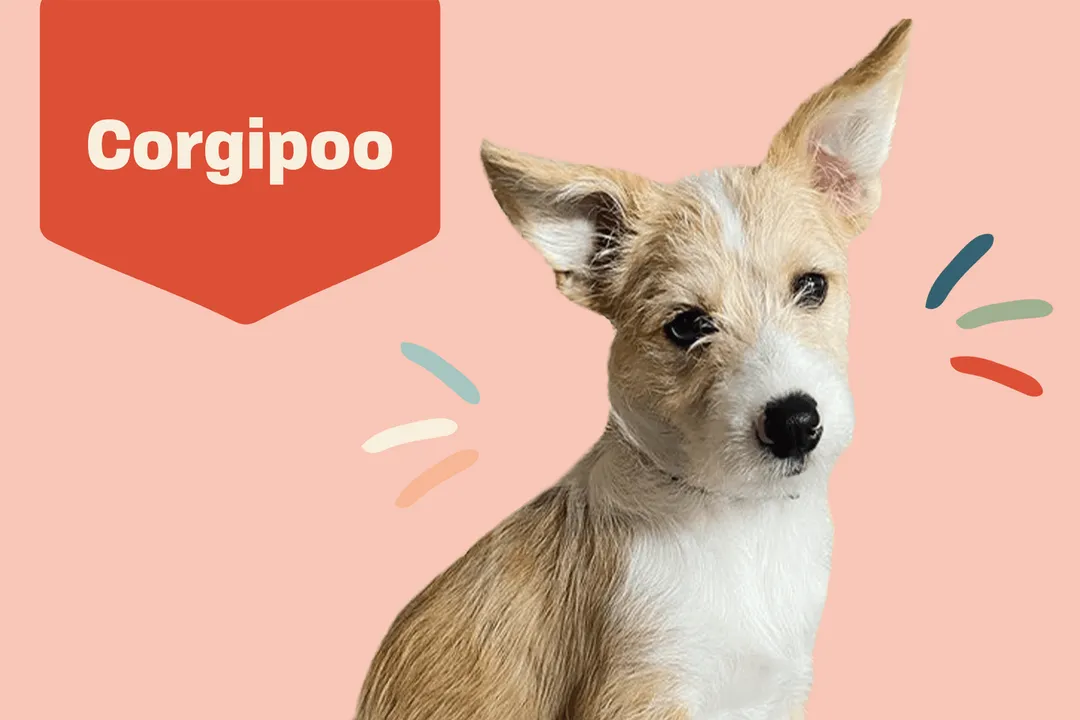
The general expectation for a Corgipoo's lifespan falls somewhere in the range of 10 to 15 years. As this affectionate dog is a crossbreed, specifically mixing a Pembroke Welsh Corgi with a Poodle (which can be a Toy, Miniature, or Standard size depending on the breeding pairing), their longevity is often influenced by the genetics inherited from both parent breeds. Understanding this blend is key to estimating how long your companion might be with you.
The parent breeds offer a good baseline for this prediction. Pembroke Welsh Corgis typically have a lifespan averaging between 12 and 15 years. Poodles, however, often boast a slightly longer range, with Miniature and Toy varieties sometimes living 14 to 18 years, though Standard Poodles usually fall closer to the 12 to 15-year mark. When these two genetic lines merge, the resulting Corgipoo benefits from a diverse gene pool. In many cases, mixed-breed dogs can occasionally exhibit hybrid vigor, meaning they might be hardier than a purebred counterpart due to the reduced risk of inheriting two copies of a recessive genetic condition common to one specific line. Nevertheless, the final outcome is always a bit of a genetic lottery, leading to that broad 10-to-15-year window.
# Longevity Factors


Several elements outside of the simple genetic mix play a significant part in determining whether a Corgipoo reaches the lower or upper end of that predicted lifespan. Owners have considerable influence over the quality and duration of their dog's life through consistent, proactive care.
# Size Variation Impact
One interesting way to approach the potential lifespan is by considering the size of the Poodle parent involved in the cross. Generally, smaller dogs tend to live longer than their larger counterparts across the canine world. If a Corgipoo results from a Corgi and a Toy Poodle, this smaller dog might trend toward the longer side of the 10-to-15-year spectrum, perhaps touching 15 years or slightly more with exceptional care. Conversely, a cross involving a Standard Poodle might result in a larger dog that statistically aligns closer to the 10- to 13-year range. The actual adult weight of the resulting puppy, rather than the specific Poodle size bred, is the ultimate indicator of this size-related trend.
# Essential Care Regimens
Proper nutrition, consistent exercise, and routine veterinary attention are the foundation of a long, healthy life for any dog, and Corgipoos are no exception. Ensuring your dog maintains a lean body weight is perhaps the most critical factor you can control. Because Corgis are prone to back issues, excess weight puts enormous strain on their short legs and long spine, potentially leading to painful, debilitating conditions earlier in life. Monitoring food intake carefully and pairing it with moderate daily activity—like brisk walks and supervised playtime—will help keep them trim and mobile.
It's worth noting that when comparing the potential longevity profiles of the parents, the Poodle line often contributes genes associated with a slightly longer lifespan, while the Corgi line brings predispositions to specific orthopedic concerns. A dog that successfully balances the Poodle's physical resilience with the Corgi's manageable size, without inheriting the severe spinal weaknesses common in the latter, has a great shot at hitting that upper age bracket.
# Common Health Issues
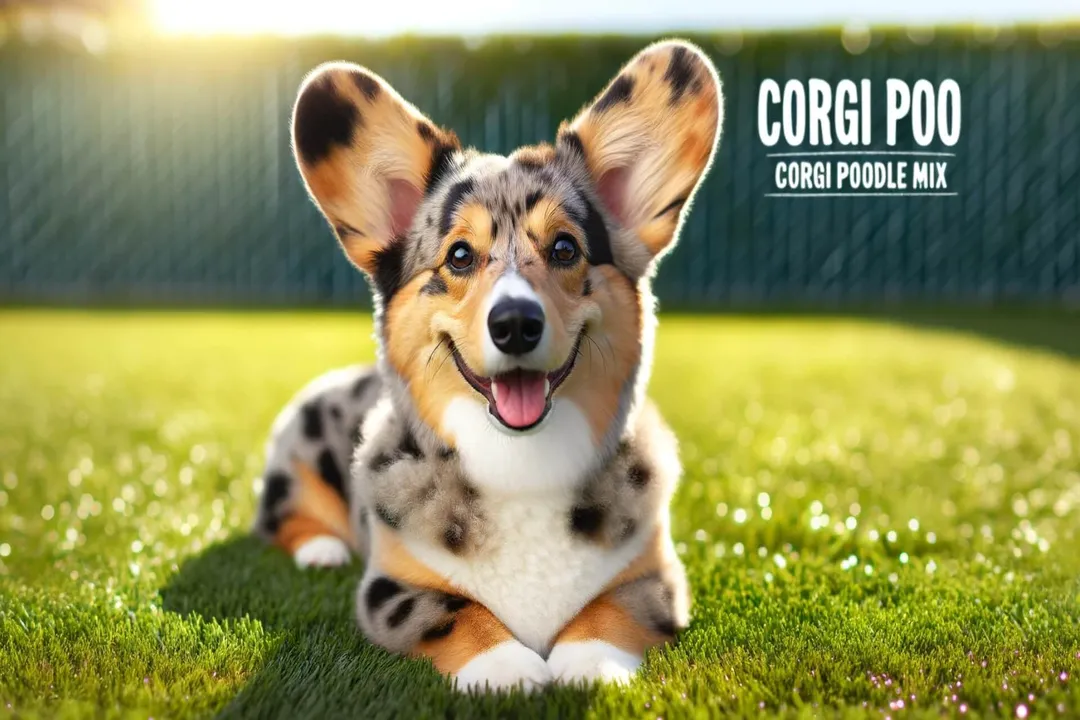
Being aware of potential inherited health problems specific to the parent breeds allows owners to watch for early warning signs, which significantly aids in managing the condition and preserving quality of life. Responsible breeders should screen their parent dogs for these issues.
# Spinal and Orthopedic Risks
The most widely recognized vulnerability in the Corgi lineage is related to their back structure. This can sometimes pass to the Corgipoo, increasing the risk of conditions like intervertebral disc disease (IVDD). Signs can range from hesitation when jumping to sudden yelping or even partial paralysis.
The Poodle side, particularly Standard Poodles, can contribute risks related to hip and elbow dysplasia. While not as specific to the Corgi's back, joint issues in the hindquarters can severely limit mobility as the dog ages. Because of these overlapping orthopedic concerns, being vigilant about any signs of stiffness, limping, or reluctance to use stairs is paramount for maintaining a Corgipoo's comfort throughout their life.
# Other Inherited Concerns
Beyond the skeletal structure, breeders should also screen for common issues found in the parent breeds. For Poodles, this can include thyroid problems and certain eye conditions. Corgis can sometimes be prone to certain eye disorders as well, such as progressive retinal atrophy (PRA). Regular check-ups, including specific blood work and eye certifications, are vital for early detection of these less visible concerns.
# Maximizing Lifespan
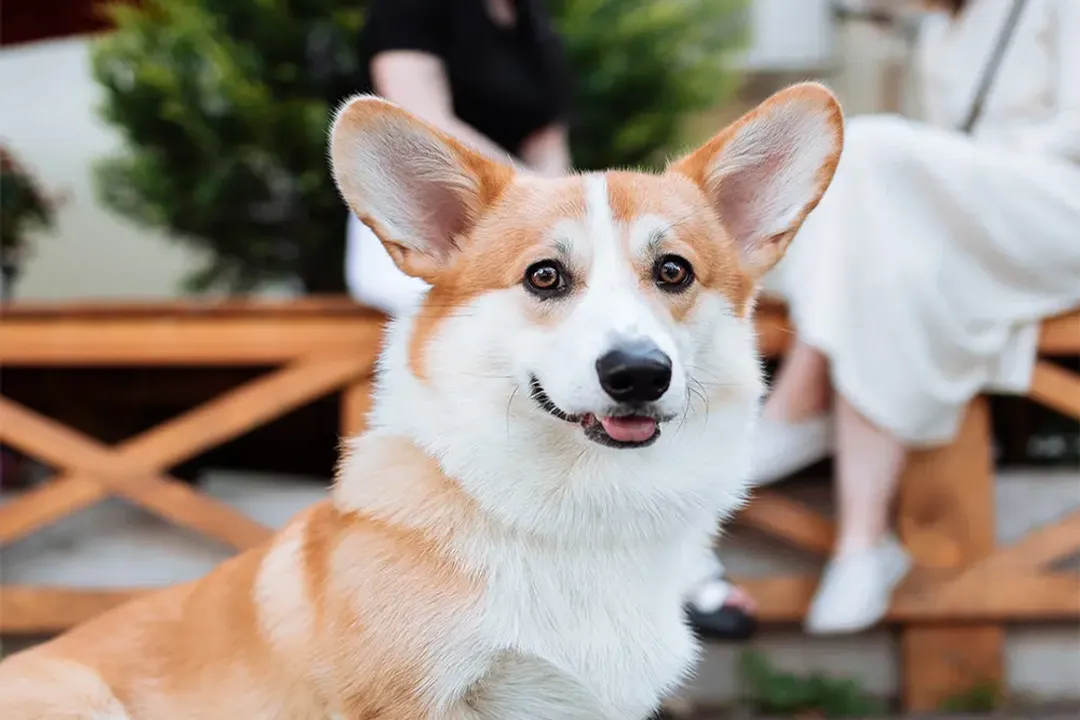
To actively work toward keeping your Corgipoo in that higher age bracket, focus should be placed on preventive, consistent care rather than reactive treatment when problems arise.
# Preventative Care Checklist
A proactive approach to veterinary medicine can add valuable, happy years to your dog's life. Consider this simple checklist for routine maintenance:
- Annual/Bi-Annual Wellness Exams: Dogs age faster than humans; a yearly checkup for younger dogs and perhaps two visits per year for seniors (dogs over 8 years old) is advisable.
- Dental Health Protocol: Dental disease is not just about bad breath; bacteria from infected gums can travel to major organs. Daily brushing or professional cleanings as recommended by your vet are necessary.
- Parasite Control: Consistent use of veterinarian-approved preventatives for fleas, ticks, and heartworms is non-negotiable, regardless of whether the dog spends time outdoors or not.
- Weight Management: This bears repeating. Use measuring cups for meals, avoid free-feeding, and limit high-calorie training treats to no more than 10% of daily caloric intake.
# Mental Stimulation
Longevity isn't just about physical health; mental sharpness is equally important, especially as dogs enter their senior years. Corgipoos are intelligent dogs, inheriting that keenness from the Poodle side. Boredom can lead to anxiety and destructive behaviors, which are stressful for the dog. Incorporating puzzle toys, short training sessions focusing on new tricks, or scent games into the daily routine helps keep their minds engaged and can contribute to overall well-being as they age. A mentally stimulated dog is generally a happier, less stressed dog, and lower stress levels are correlated with better health outcomes across many species.
Related Questions
#Citations
Corgipoo Dog Breed Information and Characteristics - Daily Paws
Corgipoo: Is This the Right Dog for Your Lifestyle? - Adopt a Pet
Corgipoo Breed Facts, Information, and Characteristics | PuppySpot
Corgipoo Dog Breed Health, Grooming, Feeding ... - PetGuide
Corgipoo Dog Breed Complete Guide - A-Z Animals
How long did your corgi mix live? : r/Incorgnito - Reddit
Meet the Corgipoo: The Adorable Canine Hybrid That's Captivating ...
Corgipoo: Corgi Poodle Mix Dog Breed Information Guide for 2024
Corgi Poodle Mix: Corgipoo Breed Profile, Puppy Costs & More