Do wirehaired Vizslas like water?

The question of whether a Wirehaired Vizsla enjoys being near or in water is often met with an enthusiastic, though sometimes nuanced, nod from experienced owners. Unlike their smooth-coated counterparts, the Wirehaired Vizsla possesses a distinctive, harsh, and dense coat that changes the dynamic when moisture is involved. This physical difference naturally leads people to wonder if their love for retrieving translates equally well from the field to the lake or the ocean. Generally speaking, the breed overall—both coat varieties—is bred to work closely with hunters, which often involves traversing wet terrain and retrieving waterfowl, suggesting an inherent comfort level with water. However, the experience of a Wirehaired Vizsla in the water merits a closer look, separate from the smooth coat variety.
# Coat Protection
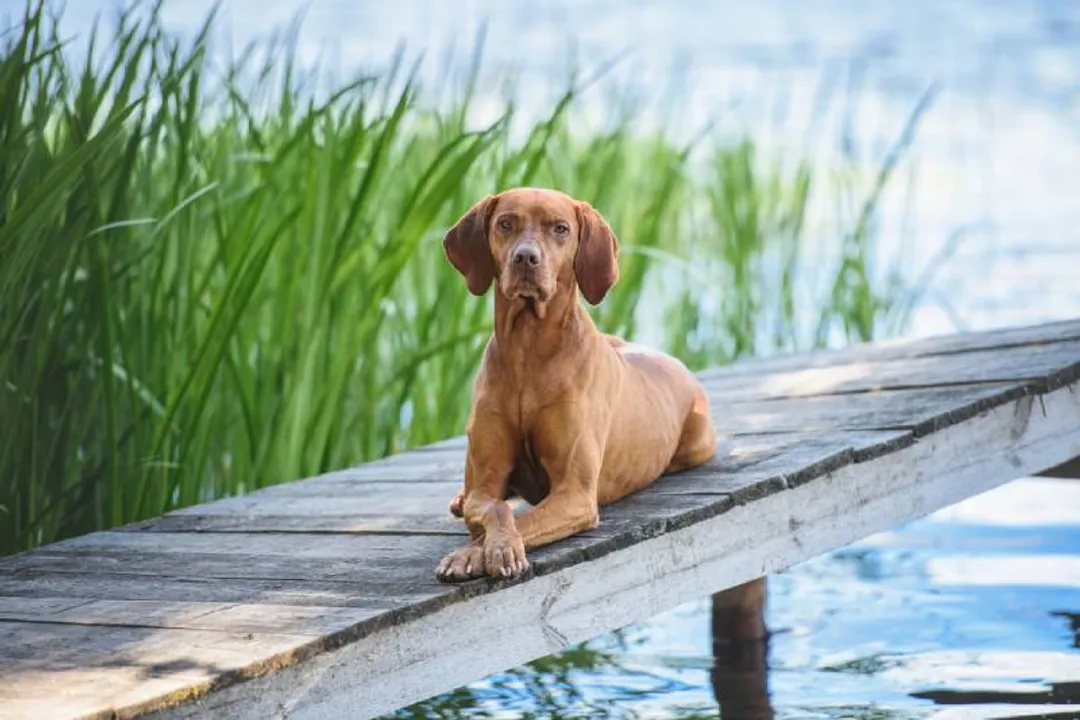
The most immediate difference distinguishing the Wirehaired Vizsla from the smooth Vizsla is the texture and function of the coat itself. The Wirehaired variety, also known as the Drótszőrű Magyar Vizsla, has a dense, wiry outer coat that lies flat against the body, accompanied by a soft undercoat. This coarse texture is not merely cosmetic; it was bred into the dog to offer superior protection in rugged environments, including dense brush and cold weather.
This weather-resistant coat is a key factor when considering water activities. While the smooth Vizsla’s sleek coat dries relatively quickly, the wire coat offers more insulation when wet, potentially making the Wirehaired version more tolerant of prolonged exposure to cooler temperatures found in lakes or streams. This protective quality means that splashing or playing in a muddy stream might be less of a concern for the owner, as the wire coat is inherently designed to handle more exposure and physical wear than its short-haired relative.
# Water Drive

The fundamental instinct to retrieve remains strong in the Wirehaired Vizsla, just as it does in all Vizslas. They are highly driven sporting dogs, and any activity that involves fetching an object, whether it is a dummy, a ball, or a stick, will typically engage their natural instincts. For many owners, this translates directly into a positive association with water, especially if the dog is introduced to swimming through retrieving games.
If a Wirehaired Vizsla is introduced to water early, often the experience is positive. Anecdotes shared among owners frequently suggest that once they realize the water holds the object they are supposed to bring back, they are eager participants. In fact, some owners report that their wirehaired dogs are just as enthusiastic about swimming as their smooth counterparts, perhaps even more so due to the practical protection their coat offers. The desire to please and work alongside their handler is a powerful motivator that often overcomes any initial hesitation about getting their feet wet.

# Owner Observations
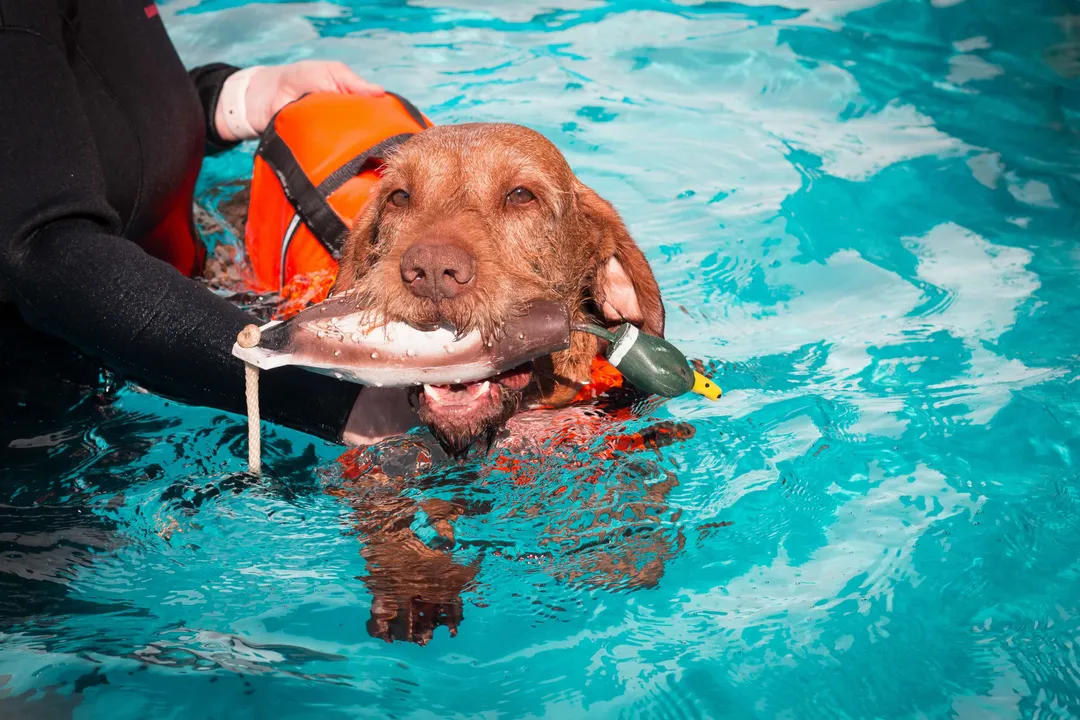
The community experience surrounding the Wirehaired Vizsla and water is generally favorable, though variations exist, as they do with any breed. Some owners mention that their wirehaired dogs might be slightly more cautious about plunging into very cold water compared to a smooth coat who might rush in regardless of the chill, possibly because the wire coat, while protective, still requires time to dry fully. For others, the wire coat simply allows for bolder water play without worry.
One common theme across discussions is that if the dog shows an early interest, it tends to blossom into a true love for swimming. Conversely, if an early, negative experience occurs—such as being forced into water or encountering rough waves unexpectedly—it can create lasting apprehension. This is true for any dog, but with a breed known for its sensitivity and desire to bond closely with its person, the initial introduction is important.
It is worth noting that while the breed standard allows for some natural deviation in water affinity depending on the individual dog’s background and specific genetic makeup, the foundation of the breed is rooted in wetland work.
A common sentiment among those active in breed-specific groups is that while the smooth coat might seem more streamlined for swimming, the ruggedness of the wire coat often means these dogs are less delicate about their surroundings when they are focused on the task at hand.
If you are introducing a young Wirehaired Vizsla to water, observe their entry style closely. A dog that immediately seeks the edge and wades cautiously before committing to a full swim may simply need more positive reinforcement and a gradual acclimation period than a puppy that launches itself immediately into the deepest available puddle. This initial reaction often predicts long-term water enthusiasm more accurately than general breed descriptions, as it reveals the dog’s individual comfort level with the temperature and depth.
# Activity Pairing
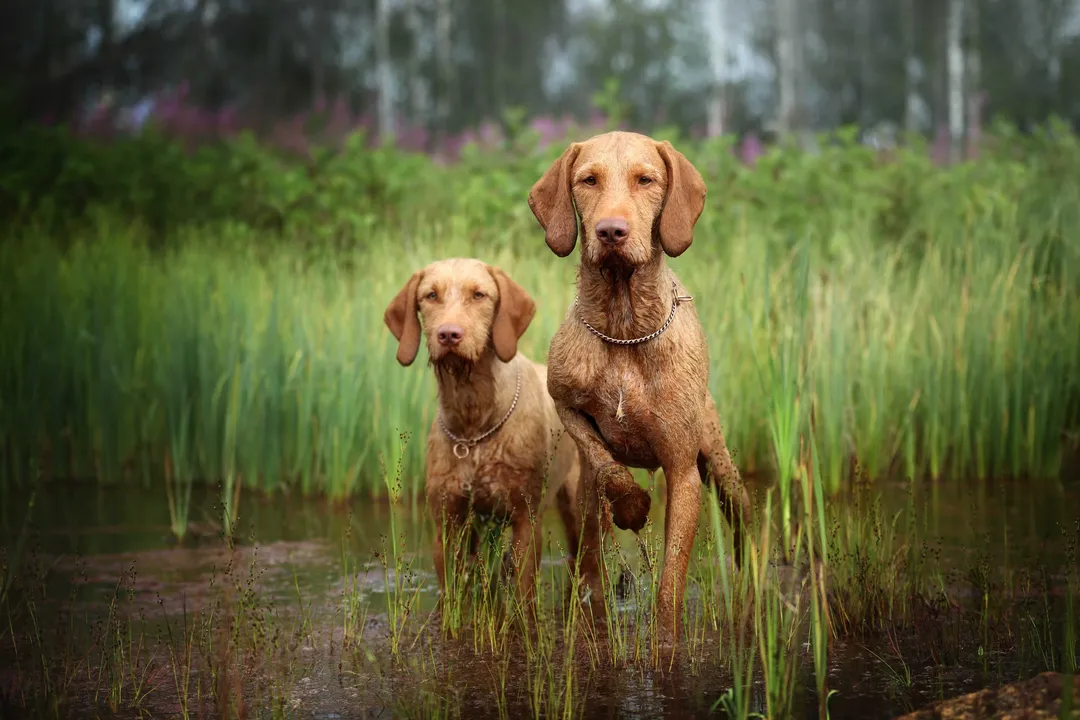
Wirehaired Vizslas require significant daily activity to remain happy and well-adjusted. Water work serves as an excellent outlet that combines both physical exertion and mental stimulation, particularly when retrieving is involved. A vigorous swim burns energy differently than a long hike and engages different muscle groups. Because they are intelligent dogs, monotonous exercise can lead to boredom, so varying their routine with water-based activities is highly beneficial.
In colder climates, the difference in coat tolerance becomes a practical consideration for owners planning year-round activities. While the smooth coat might quickly lead to the dog seeking a warm towel and indoor time after a dip in water below 60 degrees Fahrenheit, the wire coat offers a bit more inherent insulation. This means that with proper drying and immediate warmth afterward, the Wirehaired Vizsla might tolerate slightly cooler swimming temperatures for longer sessions than their smooth cousins, provided the owner is diligent about preventing chills post-swim [Inferred comparison based on coat structure described in sources].

# Training for Water Success
Success in water activities hinges largely on positive association and training methods. Since the Wirehaired Vizsla is an intelligent breed eager to work, structured play is very effective. Start simple: toss a favored toy a very short distance into ankle-deep water. Praise them lavishly the moment they step in to retrieve it. Avoid throwing items too far initially, as this can force a dog unfamiliar with swimming into a stressful situation where they must suddenly tread water to reach the objective.
For dogs that are hesitant, sometimes the key is not to push the water element but to focus on land retrieving first. Once the dog is highly confident in fetching objects on land, transition the retrieval game to the edge of a pool or pond. The object of desire often becomes the best motivator to face the water.
A helpful, non-forceful technique involves using floating dummies or balls. If you have a smooth Vizsla that loves retrieving, you might notice they don't hesitate when a dummy sinks. For the wirehaired variety, ensure the retrieved item is easily grasped and highly visible. Sometimes, the texture of a water-logged, natural retrieve can be surprisingly difficult for a puppy to manage, so starting with an easily held, buoyant training aid is advisable.
# Breed Comparison Context
It is impossible to discuss the water habits of the Wirehaired Vizsla without briefly acknowledging the smooth coat, as much of the breed’s history and reputation are tied to that sleek appearance. The smooth Vizsla has long been renowned for being naturally predisposed to water work, often needing little encouragement to jump in after waterfowl.
When the wirehaired variety was developed, the goal was to create a tougher dog capable of working in heavier cover and colder conditions, which necessitated that protective coat. While the focus was less on hydrodynamic streamlining and more on durability, the retrieving drive was intentionally maintained. Therefore, while the smooth coat might be considered the classic "water dog" look, the wire coat functions as robust field gear that happens to get wet. Both types usually share the same high energy level and need for engaging activity, making water play a fantastic dual-purpose tool for exercise and bonding.
# Maintenance Considerations
One practical difference that arises from enjoying the water relates to aftercare. Wirehaired coats, being dense and wiry, can sometimes take longer to dry completely than the short, smooth coat. This is a significant factor for owners, as leaving a dog damp for too long can lead to skin issues or chilling, regardless of the coat type.
After a swim, especially in lakes or saltwater, thorough rinsing is essential for both varieties to remove debris, algae, or salt that can irritate the skin or cause matting in the denser wire undercoat. Towel drying a wirehaired coat thoroughly, focusing on massaging the dense undercoat, is key to preventing potential dampness issues, even if the outer guard hairs feel dry quickly.
Ultimately, the answer to whether Wirehaired Vizslas like water leans heavily toward yes, especially when swimming is framed as an extension of their natural desire to work and retrieve alongside their family. Their distinctive coat offers practical advantages in rugged or cooler conditions, but like all Vizslas, their enthusiasm is best unlocked through positive introduction and consistent opportunity to use those strong retrieving instincts.
Related Questions
#Citations
Do Wirehaired Vizslas like to swim? - Canyon Rim Kennel
What is the effect of salt water or chlorinated pool water ... - Facebook
12 Things You Might Not Know About Vizslas - Reddit
FAQs - wirehaired vizslas
Do Vizslas Like Water? Breed Preferences & Training Tips - Dogster
Wirehaired Vizslas | Hungarian Vizsla Forums
Top Activities For Wirehaired Vizslas - Wag!
Wirehaired Vizsla Dog Breed Health and Care - PetMD
Getting to Know The Wirehaired Vizsla - Showsight Magazine