Are Berger-Suisse dogs good pets?
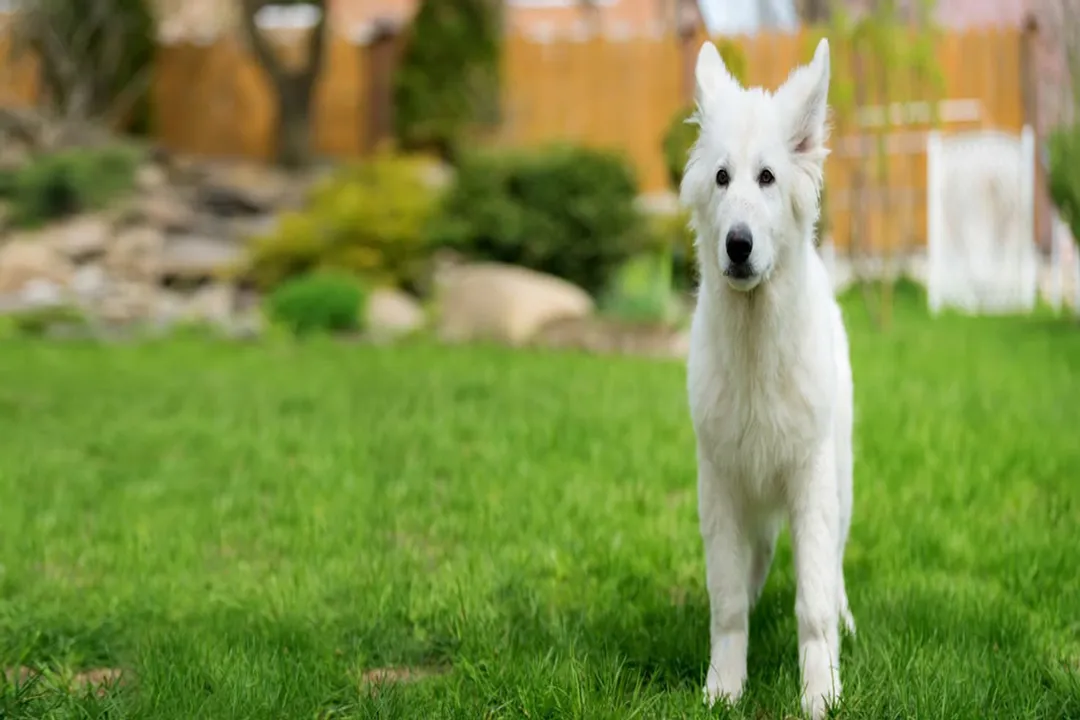
The Berger Blanc Suisse, often simply called the White Swiss Shepherd (WSS), presents a captivating figure with its striking snow-white coat and intelligent gaze, immediately drawing attention in any setting. The immediate question for any prospective owner revolves around whether this stunning appearance masks a temperament that fits modern family life, especially given its close ties to the highly capable German Shepherd Dog (GSD). To truly assess this breed, one must look past the visual appeal and delve into its unique heritage, demanding care requirements, and the vast differences influenced by responsible breeding.
# Breed Origins

The story of the Berger Blanc Suisse is intrinsically linked to that of the German Shepherd Dog. Originating from the white-coated lines of GSDs bred in the late 19th and early 20th centuries, these dogs were initially valued for their working prowess. However, a shift occurred mid-century when white coloration was deemed an undesirable fault by many German kennel clubs, leading to the exclusion and banning of white GSDs from registration.
Dedicated enthusiasts refused to let the line die out, preserving the white-coated shepherds through dedicated breeding programs that eventually took root in North America and Europe. It was Switzerland, however, that first officially recognized the white shepherd as a distinct breed, leading to the official name Berger Blanc Suisse (Swiss White Shepherd). The Fédération Cynologique Internationale (FCI) formally recognized the BBS as a separate breed in 2002, with full recognition following in 2011. This separation was not just about color; it was a dedicated effort to establish a breed standard that emphasized a specific, often gentler, temperament compared to some modern GSD lines.
# Distinct Appearance

Visually, the BBS is an athletic, medium-to-large breed that carries itself with elegance. They bear a strong resemblance to the GSD, but key physical differences exist. Crucially, the BBS standard dictates a back that is not sharply sloped, maintaining a straighter topline, unlike many contemporary GSDs.
Key physical attributes include:
- Coat: A thick, double coat that is always pure white. The texture can be medium or long, featuring a soft undercoat for insulation and a denser outer layer for protection.
- Head and Eyes: A wedge-shaped head with alert, upright ears. Their eyes are typically dark brown and almond-shaped, set against a mandatory black nose, which is a standard distinction from some White Shepherd clubs that might permit pink noses.
- Size: Males generally stand between 24 and 26 inches at the shoulder, weighing 66 to 88 pounds. Females are slightly smaller, typically measuring 22 to 24 inches and weighing 55 to 77 pounds.

# Core Temperament
The general consensus across breed profiles is overwhelmingly positive, describing the BBS as friendly, loyal, intelligent, and gentle. They develop deep, devoted bonds with their human family members and are known for being patient and kind with children.
# Sociability and Protection
While courageous and possessing the natural protective instinct common to all shepherd types, the BBS is generally characterized as being considerably less aggressive than the GSD and is not typically bred for protection work. They are often described as being alert barkers when strangers approach, serving as an excellent early warning system, but they stop once the situation is assessed.
User experiences reinforce this duality. One owner noted their Swiss Shepherd was "aloof and shy around strangers" but "golden to other dogs," demonstrating a watchful reserve rather than immediate hostility. Another owner stated their dog is protective and guards by barking but will calm down once the visitor is known. This highlights a crucial nuance: their temperament leans toward watchfulness and devotion rather than inherent aggression. They generally integrate well with other household pets, provided introductions are handled correctly.
# The Breeder Factor
The temperament is not uniform, and this is where the breed's unique development history becomes paramount. Online discussions stress that a good breeder is critical for this breed. Because the breed was intentionally separated from the GSD lineage to stabilize positive temperaments, sourcing from a backyard breeder (BYB) or a non-reputable source can result in dogs that are nervy, anxious, or reactive. The very reason the BBS exists as a separate, recognized breed is the dedication to preserving its positive traits; choosing a breeder who ignores established health and temperament testing undermines the entire purpose of the breed’s establishment. Owners must seek out breeders who provide full genetic testing on parents and prioritize early socialization protocols. A well-bred BBS is sweet, listens well, and is innately friendly, but a poorly bred one carries a higher risk of anxiety and reactivity.
# Daily Life and Commitment
Owning a Berger Blanc Suisse requires a commitment to meeting both their physical and mental requirements. This breed thrives when it is an integrated part of the family unit; they are very clingy and do not fare well when isolated or left alone for extended periods.
# Activity Balance
These dogs are certainly not couch potatoes, demanding substantial daily engagement. Breed information generally suggests a need for at least an hour, sometimes up to an hour and a half, of vigorous exercise daily, such as long walks, jogging, or running. They have a strong migration instinct that daily pack walks help satisfy.
However, a practical observation from owners suggests that the quality of the engagement often matters as much as the duration. While they enjoy sports like agility, tracking, and obedience, they also seem capable of settling down when their mental needs are met. One owner mentioned their puppy, still young, was walked only 25 minutes twice a day with play stops interspersed, and was otherwise fine left for five hours so long as he received dedicated learning/play time midday. This suggests that for a suitable owner, the BBS may be more adaptable than a GSD with an intense work drive, provided their sharp intellect is consistently engaged through training or puzzle work. If the mental stimulation is lacking, they will often "find it on their own," which can manifest as destructive behavior.
# Training Needs
The intelligence and eagerness to please in the BBS make them highly trainable, often cited as being easier to train than their GSD counterparts. They learn quickly and excel when given a job. However, their sensitivity means they respond poorly to harsh correction; consistency, patience, and positive reinforcement are the pathways to success.
For first-time owners, recognizing the need for authority—not dominance, but calm, firm guidance—is key. They will not respect an owner who seems unsure or passive, yet they will shut down under harsh methods. A vital element for any prospective owner is early and consistent socialization. Introducing the puppy to various people, sounds, environments, and other animals during the formative first year is strongly recommended to ensure they develop into confident adults rather than timid or overly wary individuals.

# Health and Maintenance
The average lifespan for a well-cared-for Berger Blanc Suisse is generally cited as being between 12 and 14 years. Like many large breeds, they carry some inherent risks, though some sources suggest their naturally straighter back angle may translate to fewer hip issues than seen in some other large breeds.
# Common Concerns
Owners should be aware of several potential health considerations:
- Joint Issues: Hip and elbow dysplasia are noted concerns, making it important to select breeders who certify the parents’ hips and elbows.
- Digestive Sensitivity: Multiple anecdotal reports point toward sensitive digestive systems in the breed. Owners must remain vigilant about diet, as frequent food changes or table scraps can cause issues, though this can often be managed with consistent, high-quality food.
- Other Issues: Less frequently, owners may see issues such as bloat (GDV), allergies (food or environmental), and certain eye conditions.
# Grooming Demands
Their pristine white coat is undeniably beautiful, but it requires consistent upkeep. The double coat sheds moderately year-round and heavily during seasonal changes. To manage the inevitable white hair around the home, daily brushing during the heavy shed periods, and at least weekly brushing otherwise, is necessary. Owners should be cautious not to over-bathe, as this can strip natural oils and lead to skin irritation. Furthermore, their erect ears need regular checking to prevent debris buildup and potential infection.
# Suitability Profile
The Berger Blanc Suisse is best suited for active individuals, families with children, or homes that value a highly intelligent and deeply connected companion. They are ideal for those who can provide structure, mental challenges, and integration into daily life.
# Who Should Consider This Breed?
This dog will likely thrive with:
- Active Families: Those who include the dog in outdoor activities like hiking or daily vigorous walks, and who have the patience to socialize children around a strong, playful dog.
- Enthusiasts of Dog Sports: Owners willing to channel their dog’s intelligence into activities like agility, obedience, or nose work, which provides that necessary mental outlet.
- Consistent Handlers: Individuals who understand canine instincts and can maintain calm, consistent leadership without resorting to harsh methods.
# Who Might Struggle?
This breed is generally not a good fit for:
- The Hands-Off Owner: Those who want a dog to be left primarily in a backyard or neglected mentally. Boredom quickly leads to restlessness and potential destruction.
- Those Seeking a Guard Dog: While protective watchdogs, they lack the aggression needed for true personal protection work, and poor breeding can lead to anxiety issues in this role.
- Owners Sensitive to Shedding: The reality of this breed is "crazy shedding," with hair consistently found everywhere—a non-negotiable trade-off for the striking white coat.
Ultimately, the Berger Blanc Suisse is an exceptional companion for those prepared to honor their working heritage through engagement and responsible guidance. When sourced from a quality breeder focused on sound temperament, the BBS offers unparalleled loyalty, intelligence, and a gentle nature wrapped in a breathtaking white package.
Related Questions
#Citations
Is Berger Blanc Suisse (White Swiss Shepherd) Right for Me?
Berger Blanc Suisse: Traits, History, & Care - Dog Breeds
Berger Blanc Suisse | Dog Breed Facts and Information
White Swiss Shepherd : r/dogs
Berger Blanc Suisse Dog Breed Information and Pictures
Berger Blanc Suisse Dog Breed Information and Pictures
What Makes The Berger Blanc Suisse Such A Unique Dog ...