Are red stars good egg layers?
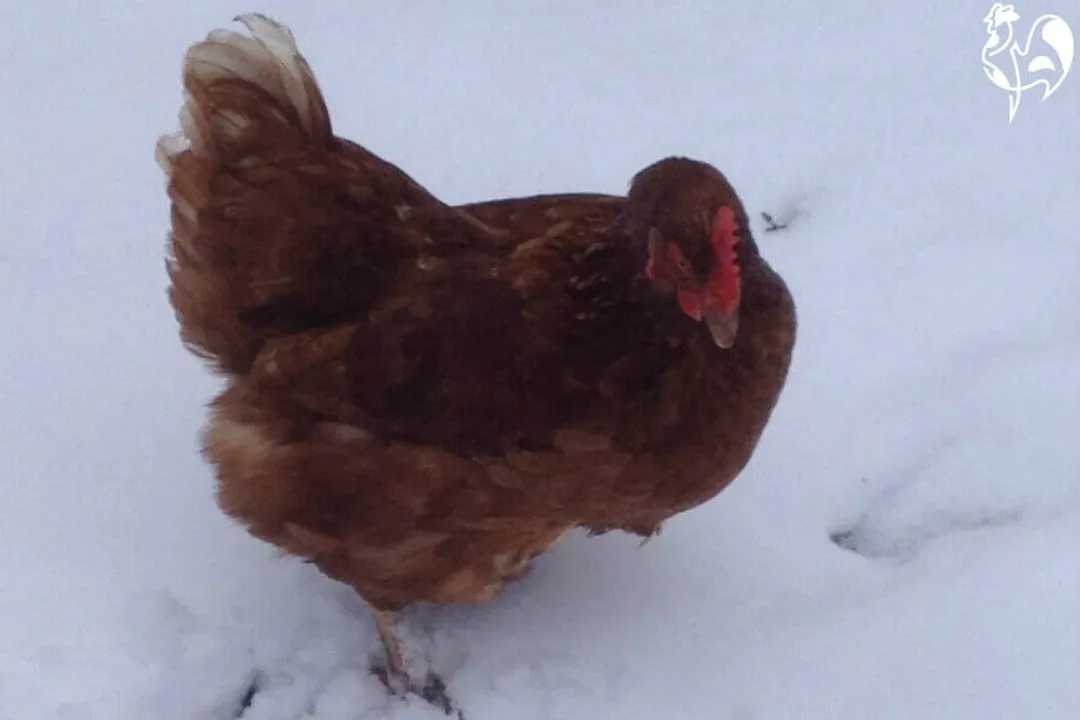
The Red Star chicken has earned a strong reputation among backyard keepers, primarily for its prolific egg-laying capabilities. These birds are frequently sought out by those prioritizing consistent, high-volume brown egg production right from the start of their laying life. They are often advertised as a superior choice for the home flock focused heavily on output.
# Hybrid Nature
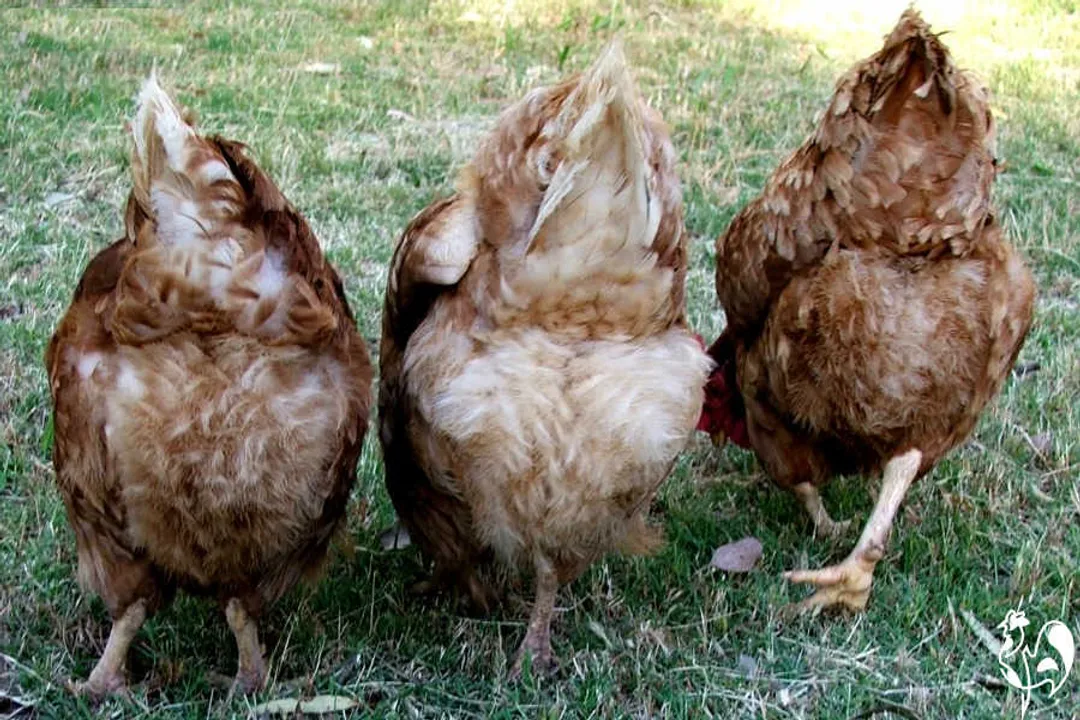
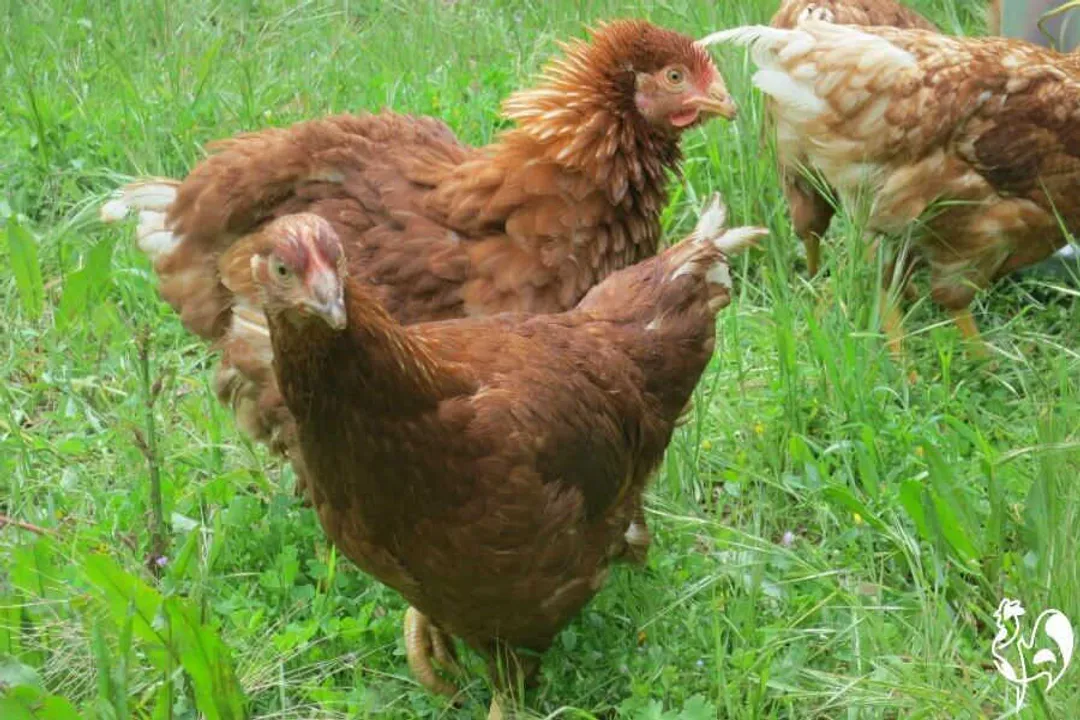
To understand the Red Star's laying prowess, it helps to recognize what the bird actually is. The Red Star is not a recognized pure breed like a Plymouth Rock or an Orpington; rather, it is a hybrid chicken, specifically developed for commercial and backyard egg production. This bird is typically the result of crossing a Rhode Island Red rooster with a White Rock or White Leghorn hen, or other similar combinations. This crossbreeding is intentional, often resulting in sex-linked birds, meaning you can tell the cockerels (males) from the pullets (females) based on their down color when they hatch. Breeders often sell them as started pullets, sometimes as young as 16 to 20 weeks old, already close to or ready to begin laying.
# Egg Volume
The numbers associated with Red Star production are quite impressive, often cited in the range of 280 to 300 large brown eggs per year. This places them firmly in the category of heavy layers, comparable to birds like the Rhode Island Red, which they often visually resemble. Many flock owners confirm this high output in practice, reporting that the hens are consistent producers right out of the gate. When a pullet from a reputable hatchery starts laying at 18 to 20 weeks, she tends to settle into a regular schedule quickly.
One key aspect users value is this early start. If you purchase started pullets, you are often cutting out the several months waiting period associated with hatching chicks and waiting for standard breeds to mature. This means your return on investment, in terms of eggs collected, begins much sooner.
When evaluating laying performance over time, it is important to remember that these impressive figures are based on the first year of lay, which is standard for most chicken metrics. While a Red Star will be a reliable layer for a few years, like any chicken, her output will naturally decline in subsequent seasons.
# Egg Characteristics
The eggs themselves are generally uniform in appearance. They are typically large in size and a pleasing brown color. Consistency in size and color is a hallmark of hybrid layers bred for production, which simplifies egg collection and sorting for the average backyard keeper. While some purebred lines can exhibit variability in shell color or shell thickness depending on diet or environment, the Red Star tends to offer predictable results.
# Bird Temperament

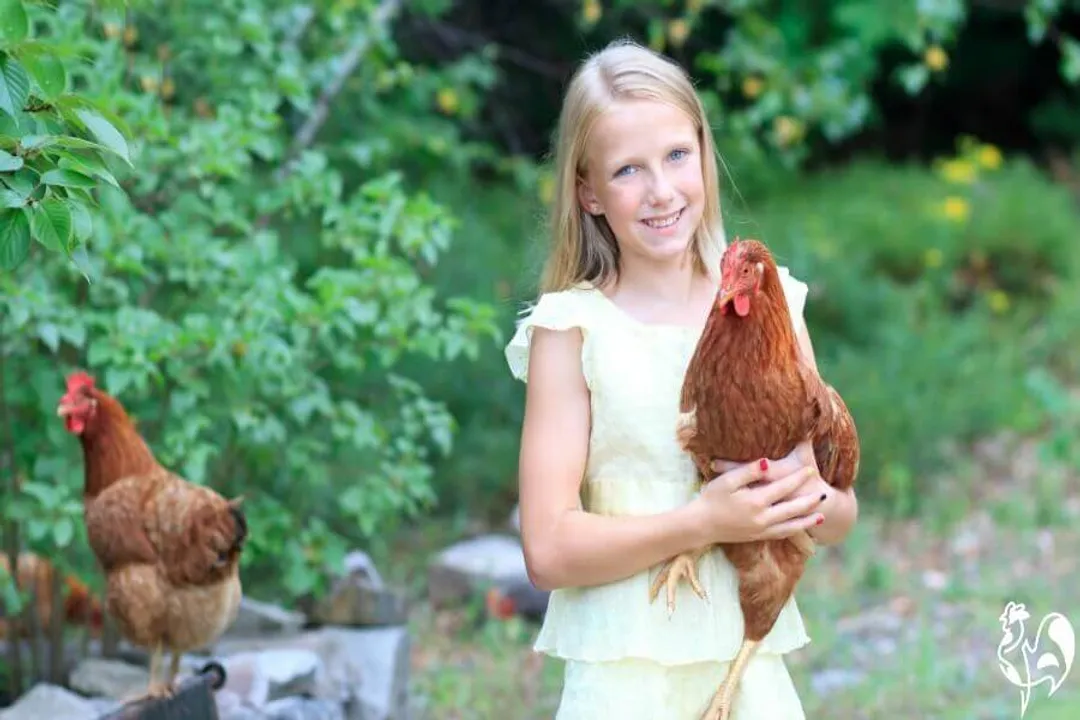
A good layer is only truly good if it is manageable in a backyard setting. Fortunately, the Red Star generally scores well on temperament. They are often described as friendly, docile, and generally calm birds. This makes them suitable for families or keepers who want a hands-on relationship with their flock. They are hardy birds, too, adapting well to various climates, which is another point in favor of choosing them for general homesteading. Their ability to handle different weather conditions, combined with their high laying rate, makes them a practical choice for many locations.
# Management Considerations
When managing a flock of Red Stars, keepers should be prepared for the high production demands. A bird laying 300 eggs a year requires significant calcium and protein intake to support that output without depleting her own body reserves. If you notice thin-shelled eggs, it is a near-universal sign that the flock needs better access to oyster shell or an increase in the calcium level of their primary feed. For example, switching from a grower feed to a proper layer feed (which has about 16% protein and adequate calcium) as soon as they show pre-lay signs is essential to maintain that 300-egg pace. If a keeper is expecting high production but is feeding a lower-protein starter feed too long, they will inevitably see fewer or poorer quality eggs.
It is also worth noting the difference between a hybrid like the Red Star and a purebred like the Rhode Island Red (RIR). While both lay brown eggs and RIRs are also known as great layers, the Red Star is specifically bred for early and consistent production across multiple seasons, often outperforming some heritage breeds in sheer numbers during the first year. However, the offspring of a Red Star cross—chickens hatched from their eggs—will not reliably exhibit the same high-production traits, as the beneficial hybrid vigor is lost in the second generation. This means you must repurchase started pullets or hatchlings from a hatchery to maintain the high laying line.
# Locating True Stock
One challenge in assessing the performance of this breed comes from mixed identity in the market. Because they are popular and look similar to purebreds, sometimes a bird sold as a Red Star might actually be a Rhode Island Red or a different red-feathered hybrid. If you are purchasing chicks or young pullets, using a reputable hatchery that specializes in sex-linked birds is the best way to ensure you receive the exact genetic makeup you are paying for. If you notice your supposed Red Stars maturing with very different feather patterns or extremely late laying habits, it could indicate they were not the intended hybrid cross.
If you are aiming for a flock that produces eggs year-round, the Red Star is a solid contender, though you should manage expectations during the natural molting period, usually in the fall. Even the best layers take a break to regrow their feathers. However, their general reputation for being friendly and their exceptional first-year output solidify their status as a go-to choice for backyard brown egg enthusiasts. For a novice looking for a bird that will lay quickly and reliably, the Red Star presents a very low-risk proposition.
#Videos
The Star of The Show! All About The Red Star Chicken - YouTube
Large Brown Egg Super Layers - Red Star Hens! - YouTube
Related Questions
#Citations
Are Red Stars as Good as They Say? | BackYard Chickens
Red star chicken traits and characteristics - Facebook
Red Star chickens: designer birds or mutts of the poultry world?
Red Star - Murray McMurray Hatchery
The Star of The Show! All About The Red Star Chicken - YouTube
Red Star Started Pullets
Red Star chickens | Avian Aqua Miser
One is a RIR and one was sold to me as a Red Star.... but I don't ...