What two breeds make a red star?
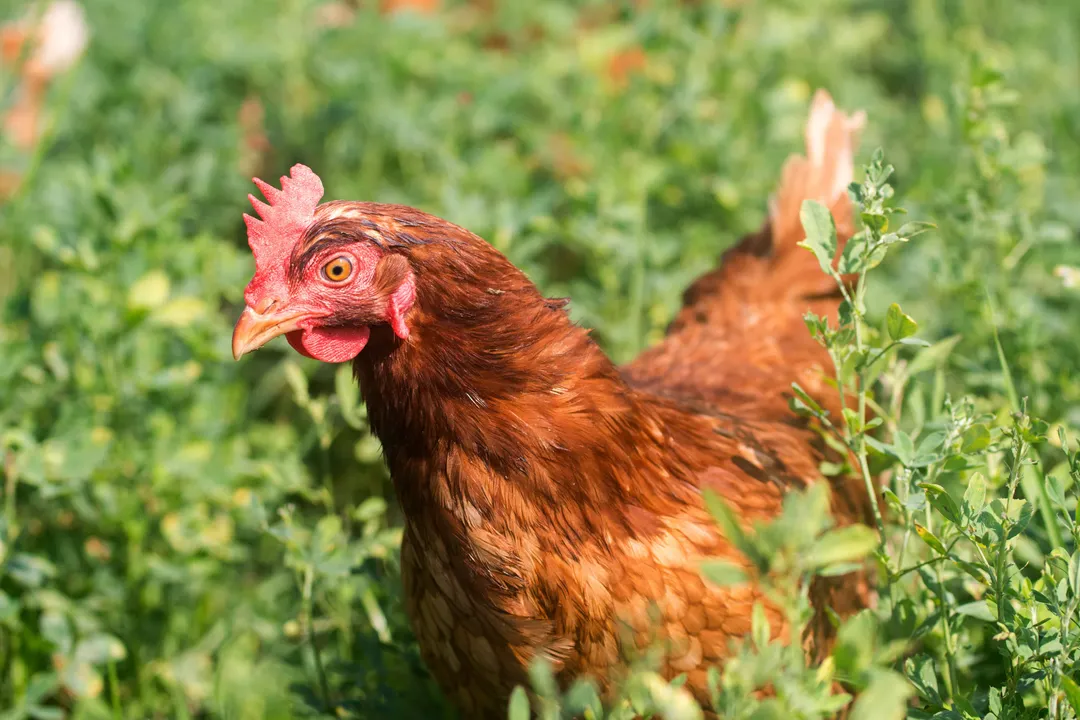
The heart of the Red Star chicken's identity lies not in ancient poultry standards, but in deliberate, modern genetic design. When asking what two breeds make up this prolific layer, the answer is both simple and wonderfully complex, reflecting the hybrid nature of this popular bird. The most frequently cited, classic cross used to create the stock known as the Red Star, or Red Sex-Link, involves pairing a Rhode Island Red rooster with a Rhode Island White hen.
However, pigeonholing the Red Star into just two parents ignores the broader reality of commercial hybrid production. These birds were developed in the 1950s specifically to meet a massive public demand for consistent, high-volume egg production, often in large-scale commercial settings. To achieve this, breeders select for specific traits rather than adhering to a closed breed standard. While the Rhode Island Red and Rhode Island White combination is the common starting point, the initial breeding pool was wider. Other breeds that contributed to the genetic makeup of the general "red sex-link" include the White Plymouth Rock and the Delaware.
# Hybrid Genesis

The defining characteristic of the Red Star is that it is a hybrid, not a pure breed. This is a crucial distinction for anyone planning to keep them long-term. When you cross a purebred rooster with a purebred hen, you expect the resulting chicks to look and behave like their parents—this is known as breeding "true to type". Red Stars fail this test spectacularly; if you cross a male Red Star with a female Red Star, the offspring will be an unpredictable "concoction of different genetics" and, critically, they lose the valuable sex-linking trait.
This instability in the second generation is why hatcheries must continually cross the specific foundation breeds to produce new batches of Red Stars. The underlying genetic mechanism that allows for sex-linking—where males and females are distinguishable by color at hatch—requires this precise initial cross.
# Sex Link Secrets
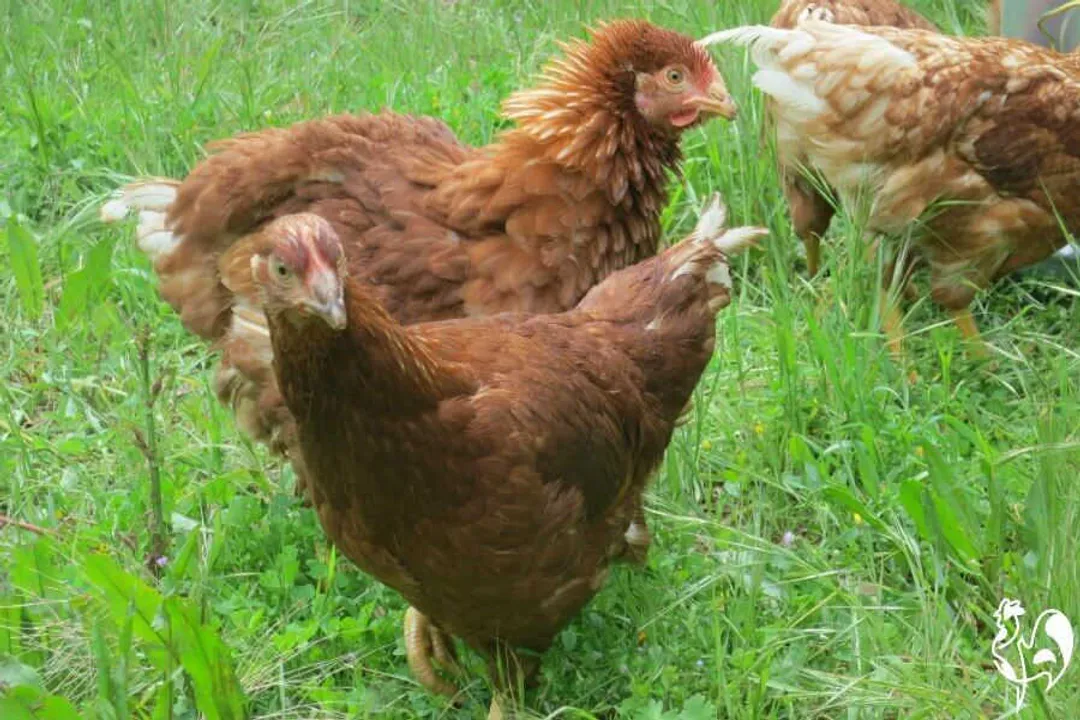
The ability to sex chicks immediately at hatch is perhaps the greatest practical advantage of the Red Star and the main reason for its commercial success. Female chicks, destined to become the layers, emerge with a distinct reddish hue. Conversely, the male chicks, which are often culled in commercial settings because the purpose of this hybrid is solely egg production, appear light yellow with black specks. This clear visual difference eliminates the guesswork and cost associated with sexing techniques later on, making it incredibly convenient for producers who only want hens.
This sex-link trait is governed by the color genes being carried on the sex chromosome. For a bird to be a red sex-link, the cross must generally involve a red or gold-colored male bred to a silver or silver-based female. The Rhode Island Red rooster (red/gold) and Rhode Island White hen (silver-based white) fit this requirement perfectly, thus securing their place as the most common pairing. If a hatchery used a different combination of breeds that still met the necessary genetic criteria—perhaps a New Hampshire rooster with a Silver-Laced Wyandotte hen—the resulting bird would still be a Red Sex-Link, but its name might differ based on the hatchery's marketing.

# Naming Conventions
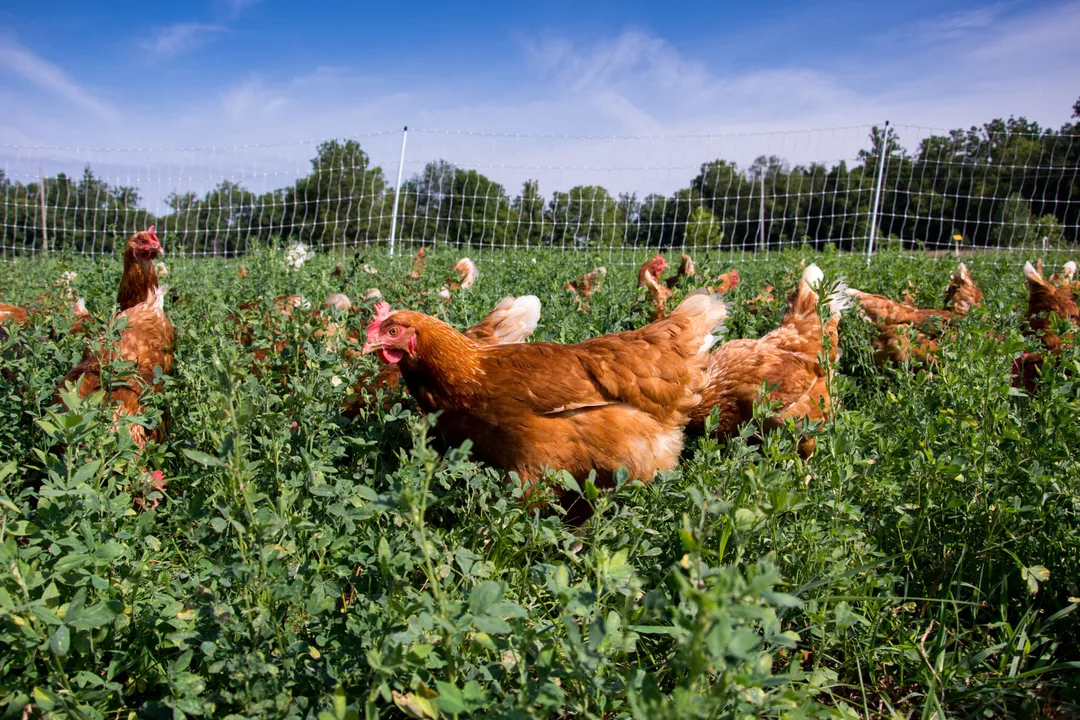
Because the Red Star is a generic commercial product rather than a formally recognized breed by organizations like the American Poultry Association, it collects many names depending on who is selling it. It is essential for potential owners to recognize these aliases, as you might be buying the same bird under a different label:
- ISA Brown: Often cited as the most uniform version, developed by the Hendrix-ISA company. Some sources suggest the ISA Brown specifically uses Rhode Island Red roosters crossed with White Plymouth Rock hens.
- Golden Comet: Another common trade name.
- Cinnamon Queen: The name used by some hatcheries, like Cackle Hatchery, for their version of the Red Star.
- Red Sex-Linked: A descriptive term based on the chick-sexing trait.
While some enthusiasts argue that the ISA Brown is genetically distinct from the generic "Red Star" due to the uniformity sought by its specific developers, to the average backyard keeper, they often represent the same high-production, short-lived hybrid type.
# Production and Temperament Profile
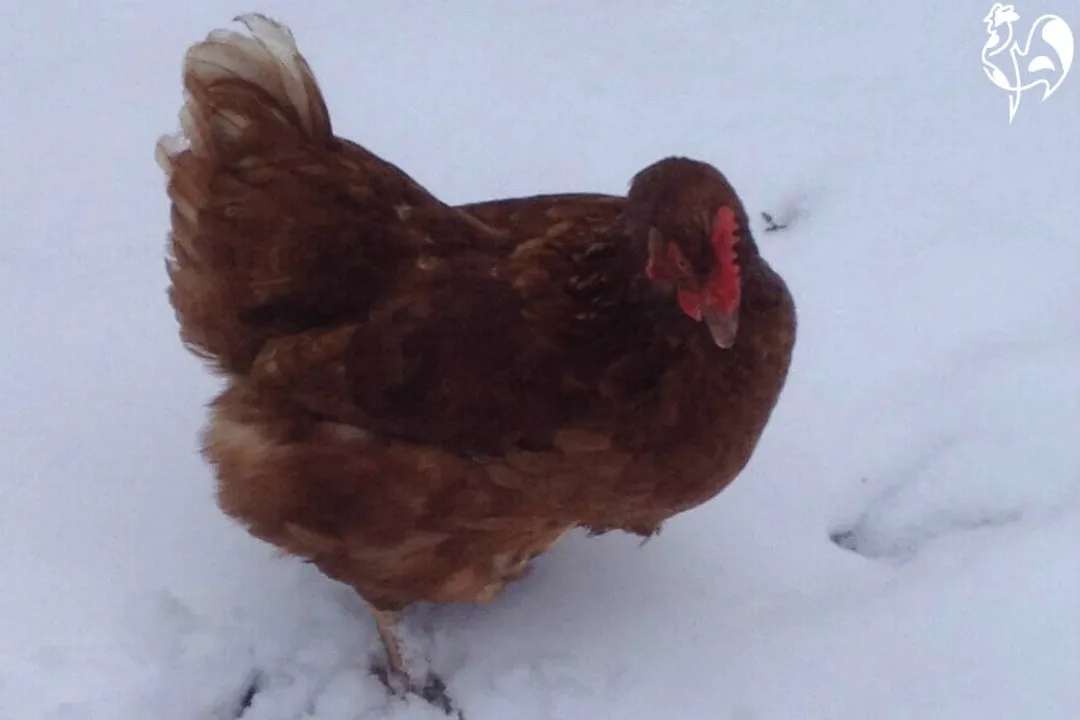
The reason for this elaborate cross-breeding is simple: peak performance in the laying box. Red Stars are consistently lauded as some of the best brown egg layers available. They are extremely prolific, with hens capable of laying between 280 and 360 eggs annually, averaging about 300 eggs per year, or roughly four to five eggs per week under ideal conditions. Laying often begins early, sometimes as soon as 17 to 19 weeks of age.
These birds are also hardy, demonstrating good tolerance for both heat and cold, allowing them to maintain production in varied climates. They thrive as free-range foragers, which can supplement their necessary commercial feed with extra protein and calcium.
Temperament, like parentage, can be variable because different commercial crosses result in different personalities. Generally, they are described as curious, friendly, and docile toward humans, though they may not enjoy being cuddled or held for extended periods. In the flock, however, they can sometimes exhibit aggression toward flockmates, meaning introducing them to an established group requires careful management. Furthermore, they are excellent fliers, necessitating tall fences or wing clipping to prevent escapes from the run.

# Longevity Considerations
A critical piece of information for the backyard poultry keeper concerns the lifespan of these production hybrids. Because they are bred for such intense laying output in their first year or two, their productive life is often shorter than that of traditional heritage breeds. Several keepers report that Red Stars begin showing laying problems or declining production after two or three years. This high output comes at a cost to their overall longevity, a trade-off common in commercial hybrids.
This reality suggests a unique management strategy. If your primary goal is to maintain a high volume of large brown eggs year-round, a flock owner might plan on replacing their Red Stars every two years to ensure the average hen is operating at peak efficiency. Treating them as a high-performance, two-season investment contrasts sharply with keeping heritage breeds, which might lay fewer eggs but remain reliable members of the flock for five years or more. This short-term productivity focus is what separates them from breeds developed for dual-purpose roles or show standards.
# Breed Versus Hybrid Genetics
Understanding the difference between a breed and a hybrid like the Red Star illuminates why they are not recommended for sustained breeding programs. A true breed possesses a consistent genetic pool where two members can reliably reproduce offspring with the same established characteristics. The Red Star's genetic structure, built on specific color-linked traits necessary for sexing, breaks down upon subsequent crossing.
A producer seeking a simple answer to "What two breeds make a red star?" gets the Rhode Island Red and Rhode Island White because that pairing effectively locks in the desired sex-link color difference and the high-production genes into the first generation. For the hobbyist, this means enjoying the exceptional layer the bird is, while accepting that its offspring will revert to being a mixed-breed, or "barnyard mix," whose laying performance is less predictable.
Ultimately, the Red Star is a testament to poultry science focused purely on productivity. It answers the call for a bird that is easy to identify as a pullet at day one and delivers a huge payload of large brown eggs consistently, even in less-than-ideal weather.
Related Questions
#Citations
Red Star - Murray McMurray Hatchery
Red Star Chicken - A-Z Animals
Red Star Offspring - What are they? - BackYard Chickens
Red Star chickens: designer birds or mutts of the poultry world?
Red Star Started Pullets
Are ISA browns and Red Stars the same breed? - Chicken Forum