Are Potentilla toxic to dogs?
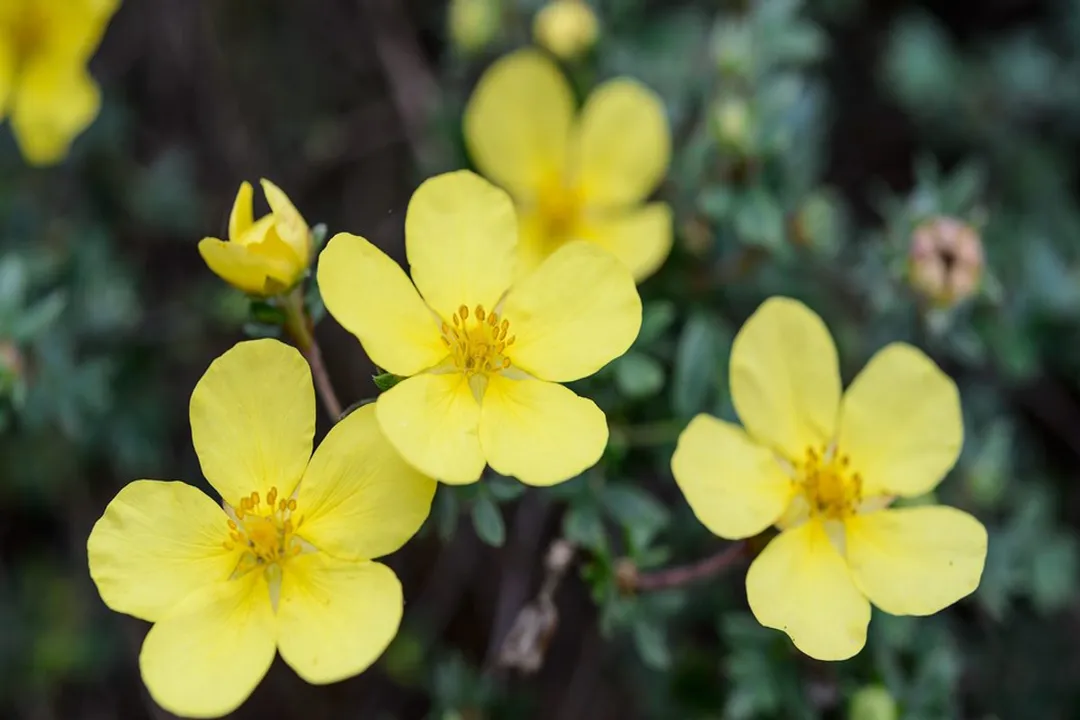
Potentilla, commonly known by its broader name, Cinquefoil, is a genus of flowering plants frequently found gracing gardens and sometimes popping up as a persistent roadside or lawn visitor. For dog owners who enjoy cultivating beautiful landscapes or simply want peace of mind when their furry friend sniffs a new find on a walk, the question of its toxicity is a very real concern. When consulting reliable veterinary and poison control resources, the primary finding regarding Potentilla species (Cinquefoil) is quite reassuring: they are generally listed as non-toxic to dogs, as well as cats and horses.
# Plant Safety
The American Society for the Prevention of Cruelty to Animals (ASPCA) maintains extensive lists of plants toxic and non-toxic to common domestic animals. [3] In their specific entry for Cinquefoil (Potentilla spp.), the organization confirms that ingestion is non-toxic for dogs, cats, and horses. This classification suggests that consuming parts of the plant—leaves, stems, or flowers—is unlikely to cause severe systemic poisoning requiring emergency intervention based on the plant's inherent chemical properties.
It is important to note that Potentilla goes by several common names, including Silver Cinquefoil, Rough Cinquefoil, Sulfur Cinquefoil, and Rock Cinquefoil. This wide variation in naming can make initial identification confusing for a worried pet owner searching for information, which is why confirming the scientific genus, Potentilla spp., is key.
# What Grows
The Potentilla genus is diverse, encompassing everything from low-growing groundcovers to substantial, woody shrubs, which means a dog might encounter different forms in different settings. For instance, Shrubby Cinquefoil, such as the Potentilla fruticosa 'Elizabeth' variety, is cultivated as a compact, deciduous shrub valued for its masses of yellow flowers blooming from late spring through autumn. [2] This type thrives in full sun to partial shade and well-drained soil, often used as a short, informal hedge. [2]
On the other hand, some Potentilla varieties appear where they are not intentionally planted. Potentilla recta, also known as Sulphur Cinquefoil or Rough Cinquefoil, is often considered a weed. This herbaceous perennial typically displays sulfur-yellow flowers and can present a management challenge for gardeners.
When considering which species might be in your yard, remember that the commonly gardened shrubs (P. fruticosa types) are the ones typically cited in non-toxic lists, while the "weed" types (P. recta) may also fall under the general, safe classification, though they are less frequently studied for pet safety than ornamental cultivars. [2]

# Ingestion Risk
While the chemical profile suggests a lack of inherent toxicity, it’s critical to distinguish between a plant being chemically poisonous and the physical risks associated with eating any foreign plant matter. A dog consuming a large amount of any fibrous, indigestible plant material, even a non-toxic one like Shrubby Cinquefoil, can still develop gastrointestinal upset.
This general risk manifests as mild symptoms like vomiting or diarrhea, which are usually self-limiting rather than life-threatening emergencies. If your dog has ingested a substantial amount of garden debris, including Potentilla, this non-specific GI distress is the most likely outcome.
A useful comparison can be drawn when looking at other common landscaping plants. For example, while some Potentilla varieties attract bees due to their nectar-rich flowers, [2] other common ornamental flowers can be highly dangerous. If a dog chews on the bulbs of plants like Amaryllis or ingests parts of Azaleas, the outcome is far more severe, involving cardiac or nervous system issues, whereas Potentilla remains in the lowest tier of concern. [3] Thinking of plant safety on a scale helps owners prioritize immediate concerns; Potentilla sits near the bottom of that worry scale, meaning investigation into other potential hazards in the yard should come first.
# Symptoms Check
For a pet owner finding their dog sampling a Potentilla bush, recognizing what shouldn't happen is as important as knowing what might. Since Potentilla is widely regarded as non-toxic, the absence of specific poisoning symptoms is expected. You should not typically see signs associated with systemic toxicity, such as central nervous system depression, cardiac arrhythmias, or kidney failure, which are associated with truly poisonous flora. [3]
If you observe any distress after ingestion, look closely at the quantity and location of the chewed material. A small nibble of a leaf or flower is usually inconsequential. However, if the dog has eaten a significant volume, or if the plant was growing near a location where soil or mulch containing fertilizers or pesticides was present, the symptoms observed (e.g., vomiting) are more likely related to simple mechanical irritation or secondary chemical exposure rather than the Potentilla itself. Always monitor the animal for lethargy or persistent vomiting, regardless of the plant source.
# Yard Management
Even for plants deemed non-toxic, responsible pet ownership encourages proactive management of the shared outdoor space. For gardeners utilizing Potentilla as a decorative shrub or hedge, placement matters, especially if you have a particularly oral puppy or a determined chewer.
Consider this simple three-point visual check for any shrub you own, including Potentilla:
- Mouth-Level Proximity: Are lower branches easily reachable from a standing or sitting dog?
- Traffic Area Clearance: Is the plant growing directly where the dog often digs or runs? Ingestion risk increases with proximity and frequency of access.
- Post-Pruning Cleanup: After annual pruning, as suggested for shrubby types, [2] ensure all fallen leaves and clippings are completely removed, as concentrated piles of plant matter can tempt a dog into over-consumption.
This approach shifts the focus from merely asking "Is it toxic?" to "How do I manage this plant safely for my dog?" If you have a young dog prone to testing boundaries, keeping high-traffic lawn areas clear of easily accessible ornamental foliage, regardless of its toxicity rating, reduces all potential for stomach upset.
Related Questions
#Citations
Toxic and Non-Toxic Plant List — Dogs - ASPCA
Potentilla fruticosa 'Elizabeth' | BBC Gardeners World Magazine