Are there any hydrangeas that are not toxic to dogs?

The general consensus from veterinary and animal welfare authorities indicates that the Hydrangea genus is considered toxic to dogs. [4][7] This finding often comes as a surprise to many gardeners who admire their large, colorful blooms. When looking specifically for a cultivar or species within the Hydrangea family that is definitively not toxic, the authoritative resources tend to focus on listing the entire group as a concern rather than differentiating safe varieties. [4] For dog owners, this means exercising caution around all hydrangeas planted in their yard or brought inside as cut flowers. [5]
# Plant Status
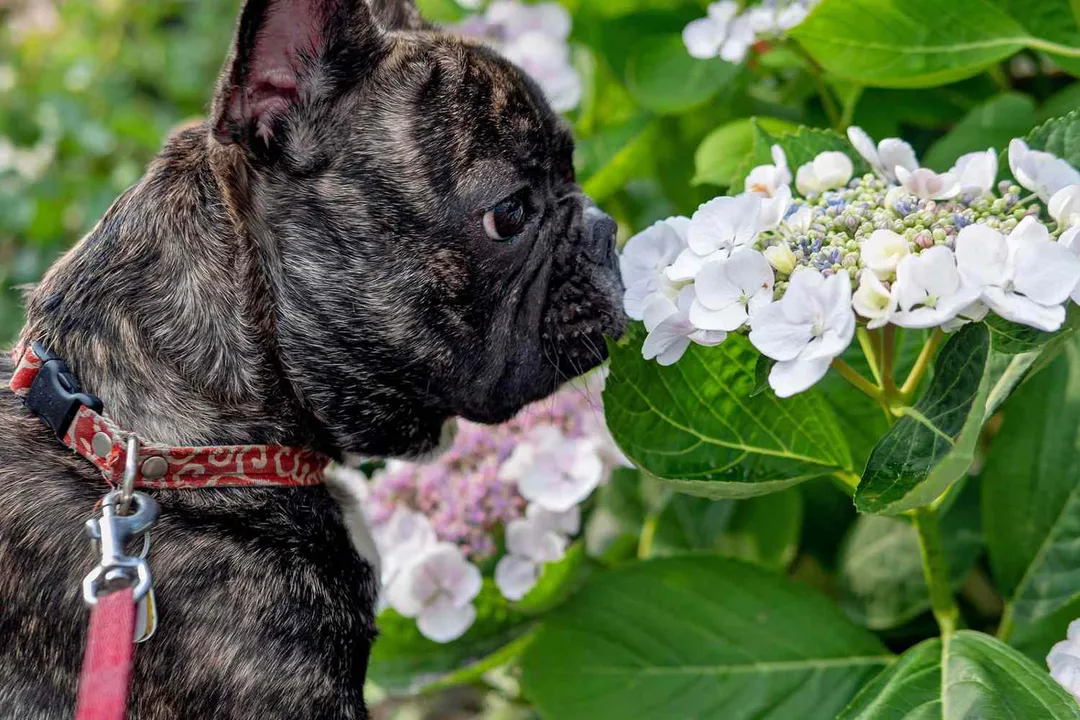
The classification of hydrangeas as toxic is a consistent finding across several animal safety organizations. [4][7][8] This classification means that if a dog ingests any part of the plant—whether it’s the leaves, buds, or flowers—it poses a risk of poisoning. [5] While general garden discussions sometimes yield anecdotal questions from owners hoping for an exception for their specific variety, [1][2] the official guidance leans toward assuming toxicity across the genus unless a specific, non-toxic status is widely confirmed, which is not the case here. [4] For individuals managing a multi-pet household, the safest approach is treating all hydrangeas as potential hazards. [3]
# Toxin Details
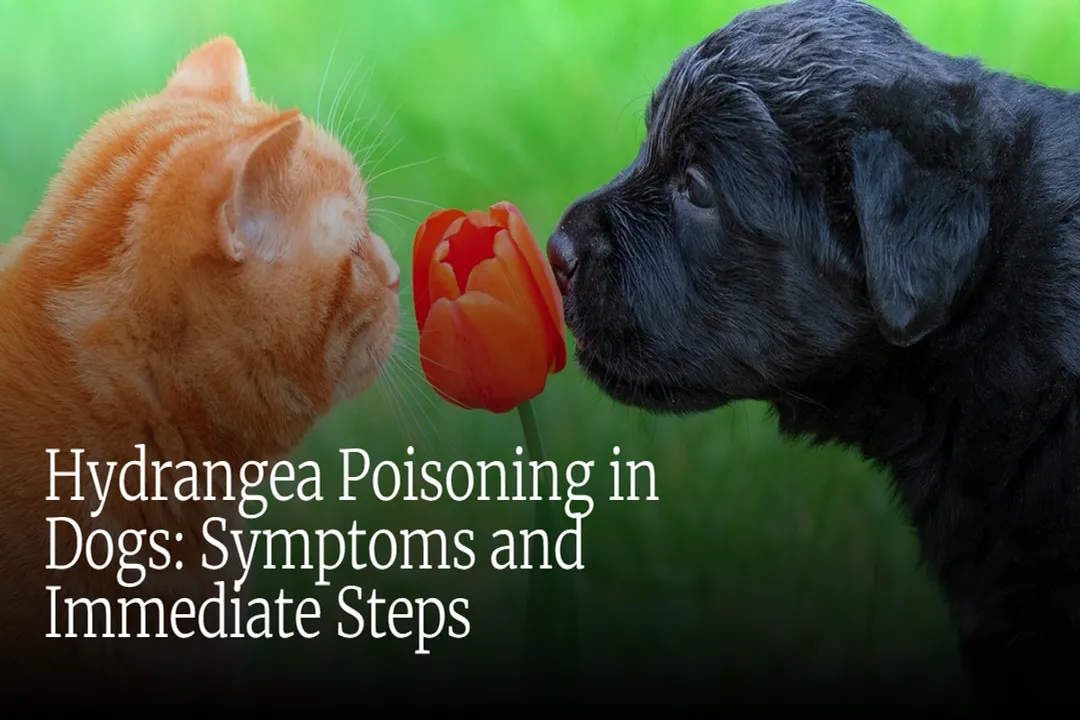
The reason hydrangeas pose a threat lies in the compounds they naturally produce. They contain substances known as cyanogenic glycosides. [5] This chemical structure is significant because, upon ingestion and subsequent breakdown in the dog's system, these compounds can release cyanide. [5] Cyanide is a dangerous toxin that interferes with the body's ability to use oxygen, which is why even small amounts warrant attention. [5]
It is helpful to understand the mechanism of toxicity when assessing risk. While the amount ingested matters greatly—a dog likely needs to consume a significant amount of plant matter to suffer severe effects—the potential for harm is present from the start. [5]
Here is a brief comparison illustrating what different sources confirm regarding the plant's danger:
| Source Type | Indication of Danger | Specific Toxin Mentioned | Recommended Action |
|---|---|---|---|
| Veterinary/Health Groups | Confirmed Toxic [4][7] | Cyanogenic Glycosides [5] | Contact a veterinarian or poison control immediately. [3] |
| General Pet Safety Sites | Toxic to pets [8] | Cyanide release upon digestion [5] | Monitor for lethargy, vomiting, and diarrhea. [5] |
| Gardener Forums (Discussions) | Seeking non-toxic options [2] | Implied general toxicity | Consult experts before planting near pets. [1] |

# Observed Signs
If a dog has chewed on or eaten part of a hydrangea, owners need to be observant for specific clinical signs, which can manifest relatively quickly depending on the amount consumed. [5] Lethargy, meaning unusual tiredness or sluggishness, is a common indicator that something is wrong. [5] Gastrointestinal upset is also frequently reported, presenting as episodes of vomiting or diarrhea. [5] In more severe cases, profound depression or other neurological signs might appear. [5] Any owner noticing these symptoms after their dog has had access to hydrangeas should not wait for symptoms to worsen before seeking professional help. [3]
For those who frequently have dogs around ornamental plants, developing a quick reference card for symptoms related to common yard toxins can save valuable seconds during an emergency. If you notice vomiting, followed shortly by your dog seeming unusually subdued or refusing to move, that combination should immediately trigger a call to your veterinarian, even before you confirm exactly what they ate. [3][5]
# Immediate Action
If you suspect your dog has ingested toxic hydrangea material, the response needs to be swift and informed. [3] The absolute first step, even before inducing vomiting unless specifically instructed by a professional, is to contact your veterinarian or a pet poison control hotline. [3] Poison control centers are equipped with specific protocols for different toxins. [3]
Here is a simple checklist of steps to follow in an emergency situation:
- Remove Access: Immediately remove any remaining plant material from your dog's mouth or surrounding area. [3]
- Call for Guidance: Contact your local veterinarian or the ASPCA Animal Poison Control Center. [3][4] Be prepared to provide details about your dog's weight, the approximate amount of plant material eaten, and when the ingestion occurred. [3]
- Follow Instructions: Do not attempt home remedies or induce vomiting unless explicitly directed by the veterinarian or poison control expert on the line. [3] They will provide instructions based on the current assessment of the risk.
- Observe: Keep a close watch on your dog's breathing, energy levels, and gastrointestinal activity until you speak with a professional. [5]
The decision to treat at home or bring the dog in depends heavily on the assessment made by the expert you contact. [3]

# Alternative Blooms
Given the clear toxicity warnings associated with Hydrangea, many dog-owning gardeners look for flowering shrubs that offer similar visual appeal without the risk. [6] While the provided information confirms the toxicity of hydrangeas, it simultaneously points toward the value of seeking out non-toxic substitutes for landscaping security. [4][6] For instance, plants like roses, certain camellias, or pansies are often cited as safer options when comparing lists of toxic versus non-toxic flowering additions to a dog-friendly garden space. [6]
If you are deeply invested in designing a garden that is safe for your canine companion, a proactive approach involves cross-referencing your desired aesthetic with trusted lists of non-toxic ornamentals rather than trying to find a safe Hydrangea species, as the latter is not substantiated in the primary guidance. [4] Even if you decide to keep hydrangeas, perhaps placing them in a securely fenced area inaccessible to your dog is a necessary compromise to maintain both your garden design and your pet's safety. [1] This proactive separation strategy, where you manage the environment rather than rely on the dog avoiding the plant, often works best for highly curious pets.
Related Questions
#Citations
Substitute for hydrangeas that is safe for dogs? - Facebook
I want to get hydrangeas but I have dogs. - Reddit
Hydrangea Poisoning in Dogs: Symptoms & Urgent Steps
Hydrangea | ASPCA
Are Hydrangeas Poisonous to Dogs? - Daily Paws
non toxic flowering shrubs? - Houzz
10 Toxic Plants for Dogs to Avoid [Vet-Approved]
Are Hydrangeas Poisonous To Dogs? - FOTP
Keep your pet safe from toxic plants | Animal Humane Society