Are thrushes good to have around?
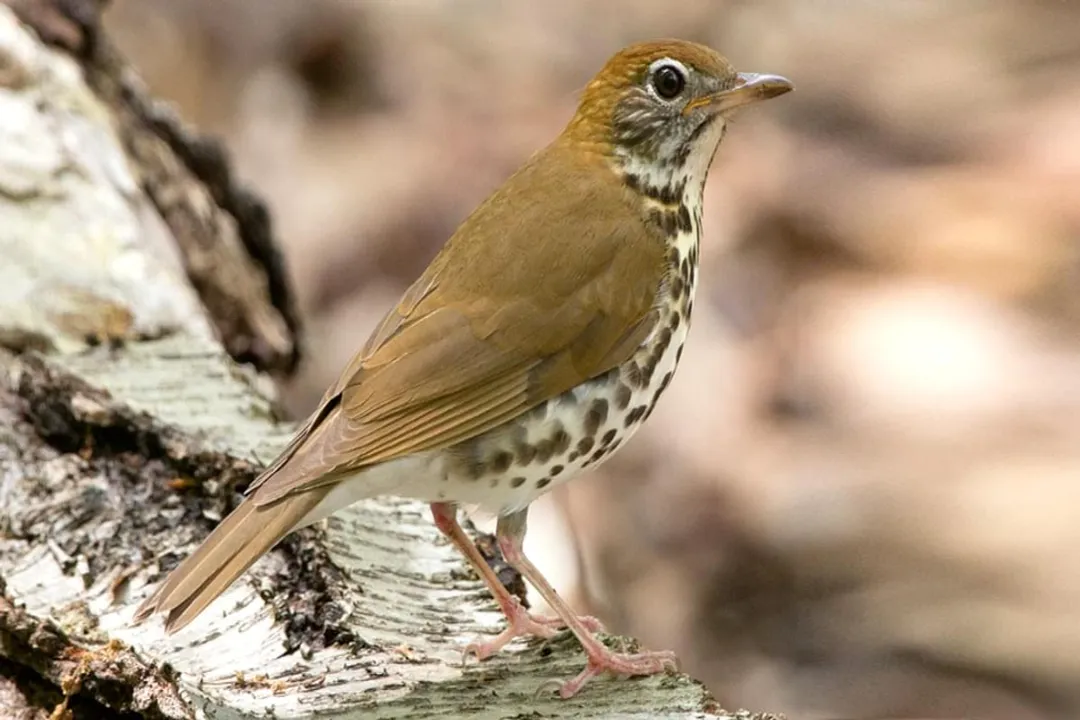
The arrival of a thrush in the garden or woodland edge often signals a distinct shift in the soundscape. These birds, known for their rich vocalizations and subtle beauty, are welcome sights for many who appreciate the natural world around their homes. While various thrush species exist across different continents, in North America, particular attention is often paid to the Wood Thrush, whose presence is increasingly valued as its populations decline. Knowing what benefits these birds bring, and what they need in return, helps determine just how good it is to have them near.
# Melodic Presence
The most immediate reason many people cherish thrushes is their song. For the North American Wood Thrush, this vocal performance is legendary. It is often described as a haunting, flute-like quality, rich with ethereal, bubbling notes. Observers frequently note a magical quality to their sound, something that stops conversation and draws attention to the deep woods where they typically reside. This song is a key part of the late spring and early summer soundtrack in eastern North American forests.
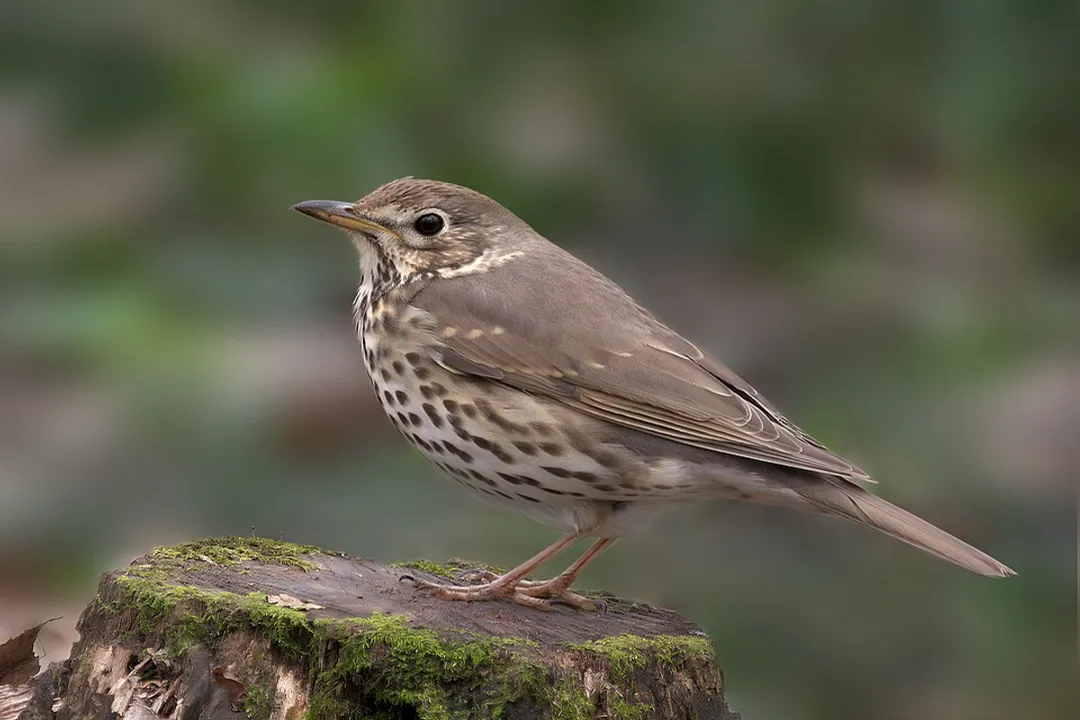
When considering thrushes more broadly, it is useful to note the differences across species. For example, the European Song Thrush has a distinct vocal style, known for repeating phrases two to four times before moving on to the next part of its song sequence. While both species are celebrated for their voices, the specific sonic signature of the Wood Thrush—its ethereal echo—is what often captures the imagination of backyard naturalists in the regions where it breeds. Having a thrush around means gaining access to this complex, beautiful natural music, which many find deeply restorative.
# Ecological Role
Beyond their aesthetic appeal, thrushes contribute positively to the local ecosystem, primarily through their diet. Thrushes are insectivores, and their feeding habits can help manage populations of various invertebrates in the area.
The Wood Thrush, for instance, consumes a substantial amount of insects and spiders throughout the breeding season. They spend much of their time foraging on the ground, flicking over leaf litter with their bills to uncover hidden prey. This diet includes beetles, caterpillars, ants, and grasshoppers. If you have a healthy population of these birds, they are actively helping to keep insect numbers in check in the leaf litter layer of your yard or nearby woods. While some thrushes may occasionally eat small fruits or berries, their primary service to gardeners and homeowners is pest control via invertebrates.
# Habitat Demands
To determine if thrushes are "good to have around," one must consider what it takes to keep them around. Thrushes are not universally attracted to highly manicured suburban landscapes; they have specific requirements that often point toward supporting more naturalized settings.
Wood Thrushes favor mature, deciduous, or mixed deciduous-coniferous forests, particularly those with a dense understory of shrubs and small trees. They prefer cool, moist conditions, and a shaded environment is a significant draw. They build their nests low to the ground, usually concealed in the fork of a small tree or shrub, often near a stream or damp area.
This preference creates an interesting trade-off for property owners. If your yard is characterized by wide-open, sunny lawns and aggressively pruned borders, you might rarely see or hear a Wood Thrush. However, if you maintain patches of dense, shady cover—perhaps an area under large, mature trees where the leaf litter is allowed to remain undisturbed—you increase your chances significantly. A useful observation for gardeners is that the areas they avoid—the heavily pruned, open, sunny spots—are often the same areas where turfgrass diseases or common lawn pests might be most visible, suggesting that creating habitat for the thrush coincidentally creates the best buffer zone between your manicured space and the wilder undergrowth.
# Species Context
While the Wood Thrush dominates the conversation in many parts of eastern North America, understanding the local context is key. In Pennsylvania, for example, several species of thrushes are found, including the Wood Thrush, Hermit Thrush, Swainson’s Thrush, and Veery. Each has slightly different habitat preferences or migration patterns. The presence of any thrush is generally a positive indicator of habitat quality.
The Song Thrush, common in Europe and Asia, also fits the general profile of a beneficial ground-forager, often seen hunting worms and snails. This highlights a general rule: regardless of the specific species visiting your area, thrushes generally prefer a landscape rich in ground cover and moisture, which often correlates with healthier soil biology overall.
# Conservation Value
The question of whether thrushes are good to have around becomes more urgent when considering their conservation status. The Wood Thrush has experienced significant population declines over recent decades, making its successful nesting or even temporary stopover in an area a notable event. Some estimates point to declines of over 50% in certain regions.
When you hear that distinctive song, or spot the spotted breast of a Wood Thrush foraging under the shade, you are experiencing a bird whose very future is uncertain in many parts of its range. This rarity adds tremendous value to their presence. For birdwatchers, spotting one is often a highlight of the season. For the general nature lover, their continued presence signals that the local environmental conditions—the moisture, the insect availability, and the structural complexity of the forest floor—are still adequate to support them.
It is worth noting that migration routes can be as critical as breeding grounds. Even if you don't live in their primary breeding range, providing temporary resources—such as a shallow, clean water source during spring migration—can be incredibly beneficial, supporting a bird that might otherwise be stressed from a long journey. A general tip applicable across many bird species is to avoid using pesticides; for thrushes, this is doubly important because not only does it remove their insect food base, but ingesting contaminated insects can harm the birds directly.
# Attracting and Supporting Thrushes
To ensure these birds remain good neighbors, providing what they need is essential. Since they are ground foragers, keeping the ground layer healthy is paramount.
Here is a summary of key elements for supporting thrushes:
- Water: A ground-level birdbath that is kept clean and shallow is appreciated. Thrushes enjoy bathing and drinking where they can easily access the ground cover again.
- Cover: Dense shrubs, ferns, and low-hanging branches are essential for nesting security and escaping predators. They need places to hide from hawks and cats.
- Food: Minimize disturbance of the leaf litter in shaded, damp areas; this material supports the insects and earthworms that form their diet. Avoid feeding them seeds or suet, as they are adapted to insects and natural food sources.
- Silence: Because they are often shy and prefer deep cover, keeping disturbance low during the early morning hours when they are most active in their dawn chorus can increase your chances of observation.
In summary, thrushes—particularly the beloved Wood Thrush—are excellent additions to any yard or natural space. They provide beautiful, unique vocalizations and play a small but significant role in managing local insect populations. Their presence is a mark of a healthy, complex habitat, and given their declining numbers, welcoming them is an act of local conservation. They reward the effort put into maintaining natural, shady understory environments with their subtle beauty and unforgettable song.
#Videos
Things you need to know about SONG THRUSHES! - YouTube
Related Questions
#Citations
Wood Thrush Overview, All About Birds, Cornell Lab of Ornithology
Wood Thrush | Audubon Field Guide
Attracting wood thrush to your yard - Facebook
Thrushes | Game Commission | Commonwealth of Pennsylvania
There's something magical about Wood Thrush : r/birding - Reddit
Guest Article: Keeping an Ear out For Thrushes | Vermont State Parks
Wood Thrush - American Bird Conservancy
Song thrush - Wikipedia
Things you need to know about SONG THRUSHES! - YouTube