Are civets aggressive animals?

The common perception of civets often revolves around their connection to expensive coffee, yet their temperament in the wild—specifically regarding aggression—is a nuanced topic deserving closer examination. While civets are not generally characterized as overtly hostile toward people, their reactions are highly dependent on the species, the context of the encounter, and whether the animal feels cornered or threatened. They are, by nature, often described as secretive and primarily nocturnal creatures.
# Docile Nature

For many species, including the African Civet, the baseline behavior is one of avoidance rather than confrontation. African Civets, for instance, are typically shy and elusive. They are often considered rather docile and lead a solitary life outside of the mating season. Their primary defense strategy relies on remaining hidden during the day, resting in thickets, hollow logs, or burrows, and only venturing out after sunset to forage. This secretive lifestyle naturally minimizes dangerous interactions with larger predators and humans alike.
The Banded Palm Civet, found in Southeast Asia, shares this trait of being fundamentally non-aggressive toward humans or other animals. Like their African counterparts, they possess physical defenses they will deploy only if necessary, such as hissing, growling, or attempting to scratch or bite if they perceive an immediate threat or find themselves trapped.
# Defensive Toolkit
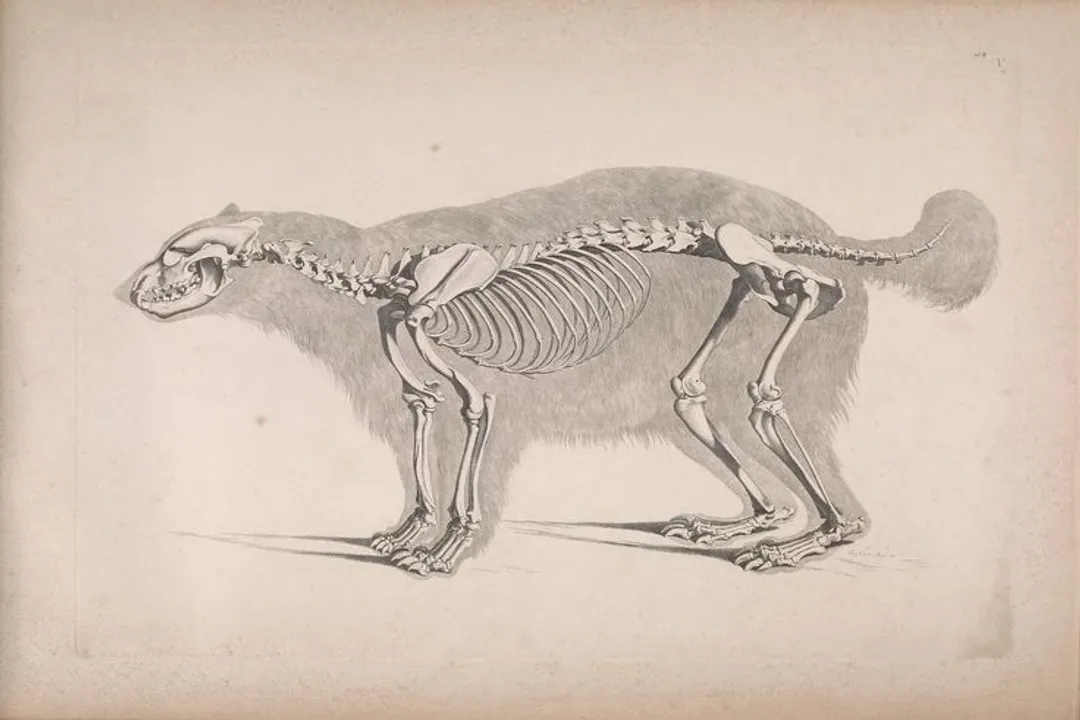
When a civet does feel its safety is compromised, it possesses a remarkable array of defensive tools that go beyond mere teeth and claws. Although they have sharp claws and teeth that are certainly capable of inflicting harm, the most notable deterrent is olfactory. Civets secrete a pungent fluid from their anal glands. This secretion, known historically as civetone, is incredibly strong in its concentrated form, described as quite offensive to humans.
When threatened, the African Civet will engage in a physical display before resorting to biting or spraying. This display involves standing broadside to the perceived enemy, hunching its back, erecting its mane, and vocalizing with growls and cough-like sounds. The musk spray can be a jet of concentrated odor designed to repel an aggressor. An interesting aspect of this defense is that the strong odor can linger for up to three months, suggesting a long-lasting message of deterrence to potential future threats. This reliance on scent as a primary deterrent suggests that direct physical engagement is often a last resort, which is a common strategy among mid-sized, non-apex carnivores.

# Species Contrast
It is critical to remember that "civets" encompass various species across different continents, and their temperaments are not uniform. While the African Civet may be deemed generally docile, the Malabar Large-spotted Civet presents a different picture. This species, found in the Western Ghats of India, is specifically noted for being very aggressive, even with other civets. This inherent aggression, combined with their preference for solitude, implies a much lower tolerance for intrusion or competition compared to the more adaptable African species.
The size difference among species also plays a role in how their defensive behaviors are perceived. The African Civet is relatively robust, with males potentially weighing up to 20 kg and measuring up to 1.4m in length. In contrast, the Banded Palm Civet is considerably smaller, weighing only 2 to 4 kilograms. A smaller animal’s defensive bite or scratch, while painful, might be less inherently threatening to a human than a larger animal’s, although any wild animal with sharp implements should be respected.
# Contextual Encounters
Aggression often manifests contextually, especially when civets interact with human environments or domestic animals. African Civets, despite their general shyness, sometimes display bolder behavior when foraging in areas frequented by humans. Their omnivorous diet is quite broad, including small mammals, birds, reptiles, and fruit, and they have been known to prey on small domestic animals like poultry and even domestic cats.
Anecdotal reports from regions like Sri Lanka and Malaysia suggest that Golden Palm Civets (Hothambuwa) can pose a genuine threat to pets. There are accounts of these civets attacking and even killing cats, sometimes leaving only small bite marks. One resident in Malaysia reported their cats being attacked, with one sustaining a severe leg fracture, leading the observer to become certain that civets were responsible for the incidents. This pattern suggests that when civet prey options are limited, or when the civet is habituated to finding food around homes, their predatory instincts can override their usual avoidance of humans or human-associated animals.
It is important for residents living near civet habitats to note their feeding patterns. If civets are frequently sighted foraging boldly, it may signal a level of habituation that could potentially lead to closer proximity than is safe, reinforcing the need to secure smaller pets, especially at night. Furthermore, while the African Civet is not typically hunted for sport or food, it is sometimes trapped for its musk, and individuals might also be killed by humans who perceive them as pests. This human pressure further exacerbates the potential for defensive reactions should an encounter occur.
# Behavior Differences
Beyond aggression, the social structure of civets dictates how they interact. African Civets are generally solitary animals, only gathering in groups of up to fifteen individuals during the mating season. They are highly territorial, relying heavily on scent marking from their perineal glands to communicate boundaries and reproductive status. This territoriality can lead to conflicts between individuals of the same species, particularly over resources or mating partners, which may involve vocalization, biting, and scratching.
When considering managing proximity to civets, understanding their primary sense is helpful. They rely heavily on their exceptional sense of smell for hunting, communication, and navigating their environment. If an area becomes a communal latrine, known as a 'civetrie,' the strong, persistent scent left deliberately unburied serves as a long-term territorial marker. Understanding that these are intelligent animals using complex olfactory signals might influence how property managers approach deterrents versus simple removal. While they are known to use nests in underground burrows or hollow tree trunks for raising young, they are not strong climbers, typically staying on the ground or in dense cover. This ground-based reliance increases the likelihood of terrestrial encounters.
# Species Size and Vulnerability
The physical attributes of civets, though they possess tools for defense, also highlight their position in the food chain. Despite being classified as carnivorous mammals, the Banded Palm Civet, for example, often has a diet that is primarily frugivorous (fruit-eating). Their small size remains their biggest weakness in confrontations with larger carnivores like leopards, eagles, owls, or pythons. This vulnerability reinforces the idea that their aggression is almost exclusively reactive rather than proactive. An animal constantly concerned with being prey is less likely to pick fights than one that is secure in its dominance.
The African Civet, while larger, still faces significant predators, including large predatory cats, lions, leopards, snakes, and crocodiles. Knowing that they share habitat with apex predators like lions and leopards puts their "docile" nature into perspective: they must be highly cautious to survive, suggesting they reserve intense displays of aggression only for situations where escape is impossible.
Ultimately, the answer to whether civets are aggressive is that they are defensive. They are wild animals equipped to protect themselves using strong scents and physical capabilities when necessary, but their daily routine prioritizes solitude and secrecy. Any indication of genuine aggression should be treated as a clear warning sign that the animal perceives an immediate, unavoidable threat to its existence or its immediate surroundings. Recognizing their defensive posture—the mane erected, the spitting, the growling—is key to de-escalating any rare encounter, as yielding space usually allows the elusive creature to retreat back into the cover of the night.
#Videos
Are Civets Dangerous to Human? Did you know The Poop Coffee?
Related Questions
#Citations
Does a golden palm civet ( hothambuwa) attack and kills almost full ...
Civet - Zander Bierman Safaris
Are Civets Dangerous to Human? Did you know The Poop Coffee?
African Civet - Facts, Habitat, Diet, Musk, Life Cycle, Pictures
Malabar Large-spotted Civet Facts - Earth's Endangered Creatures
Civet - African Wanderlust - Weebly
Banded Palm Civet: Predator-Prey Interactions, Fights, and ...
African Civet | DeWetsWild
Hunting African Civet in South Africa | TDK Safaris