Are Catalan Sheepdogs rare?
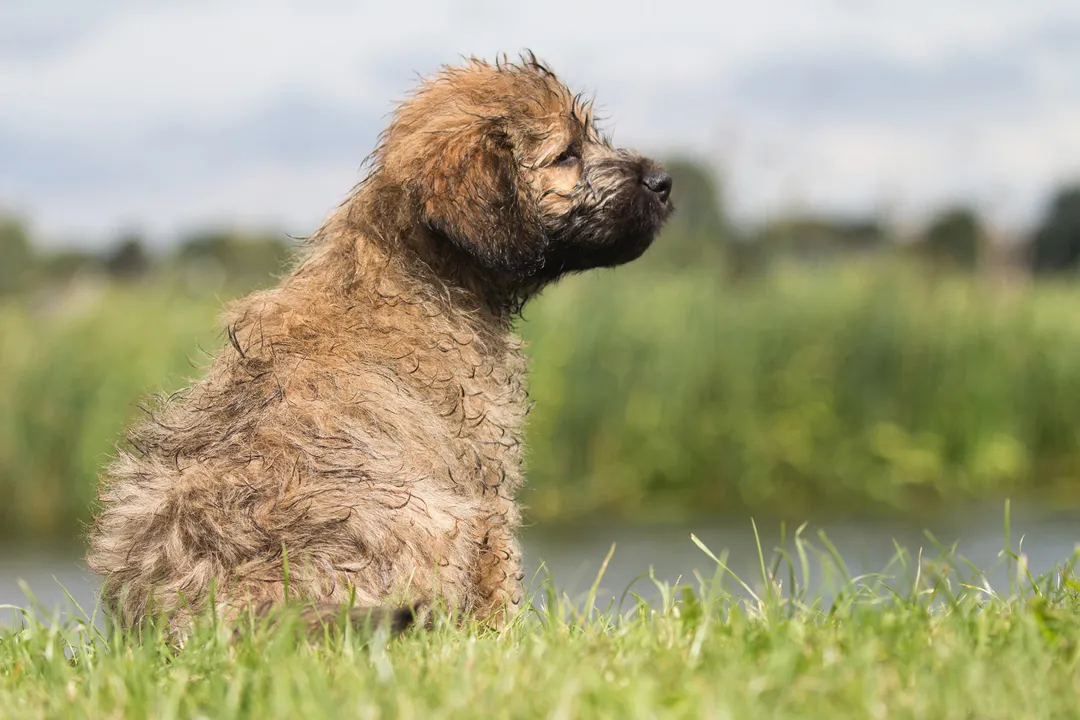
The status of the Catalan Sheepdog as a canine breed is one that immediately sparks curiosity, especially among those who appreciate heritage working dogs with striking appearances. While they are deeply ingrained in the pastoral history of their native region, many prospective owners outside of those areas find it difficult to locate information, leading to the immediate question of whether these shaggy companions are truly rare. The evidence suggests that, particularly when viewed through the lens of international kennel club recognition and broad availability, the answer leans toward yes—they are not a common sight in many parts of the world. [8]
# Breed Status
The context of a breed's rarity often rests on its official standing with major international organizations. In the United States, for example, the Catalan Sheepdog has not achieved full recognition by the American Kennel Club (AKC). [1][5] Instead, they are currently placed in the Foundation Stock Service (FSS). [1] This FSS classification is typically reserved for breeds working toward full AKC membership, indicating that the population numbers and established breeding programs have not yet reached the required threshold for full recognition status. [1]
Internationally, the breed is acknowledged by the FCI (Fédération Cynologique Internationale), as it originates in Catalonia, Spain. [7] However, even with international recognition, the overall population size remains small, contributing to their label as a relatively rare breed on a global scale. [6][8] A breed's journey to widespread recognition is often slow, requiring dedicated efforts from breed clubs to maintain meticulous records and consistent breeding standards over many generations. The FSS listing in the US points to an active but perhaps still niche community working toward that goal. [1]
# Working History
Understanding the Catalan Sheepdog's background helps explain their current scarcity outside their homeland. This breed was developed to work in the rugged terrain of the Pyrenees mountains, serving the farmers and shepherds of Catalonia. [2][3][7][8] Their primary job was to herd both sheep and cattle. [2][8]
These dogs evolved to be versatile and hardy workers, traits that are naturally less common in breeds developed more recently for companionship or highly specialized show rings. [5] Because their existence was historically tied directly to a specific agricultural need in a defined geographic region, their numbers naturally remained limited compared to globally distributed or more popular farm dogs. [2][3] When a breed's purpose wanes, or when their numbers are tightly concentrated geographically, their rarity inevitably increases once they are introduced to countries where they lack a deep, established working tradition. [8]

# Physical Traits
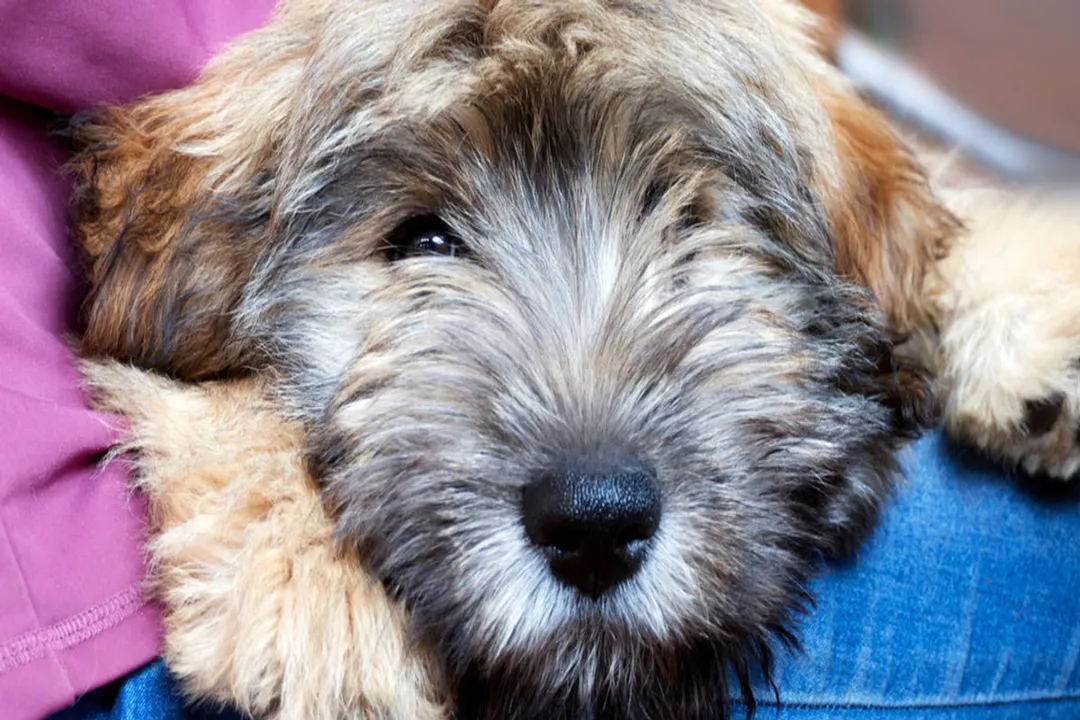
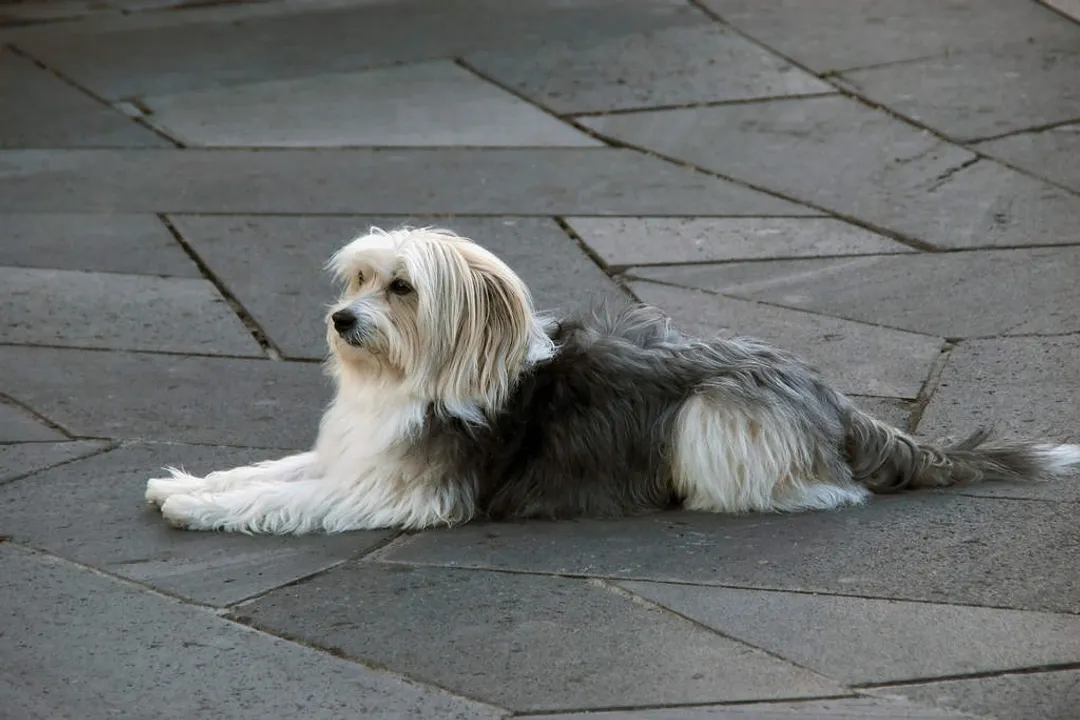
The distinct look of the Catalan Sheepdog is another factor in their recognition and appeal. They are medium-sized dogs with a shaggy, profuse double coat that often appears long and somewhat wavy or coarse. [2][3][5][8] The most common colors are black or slate. [2][3][8] Males typically stand between 19 to 23 inches tall at the shoulder, with females generally being slightly smaller. [2][8]
This striking coat, while beautiful, demands a commitment from owners. Given their historical role in the mountains, this heavy coat served a protective function, but for modern pet owners, it translates into significant grooming requirements. [3] A responsible owner must dedicate time to regular brushing to prevent matting, which is a crucial aspect of their care that differs significantly from many short-haired breeds. [3]
Their energy level is characteristically high, reflecting their demanding past roles. [2][8] They are known to be intelligent, intensely loyal, and devoted to their families. [1][5] However, this devotion often comes with a degree of reservation or wariness toward strangers, a common trait in guardian and herding dogs bred to be discerning about their surroundings. [5][8]
# Finding a Companion
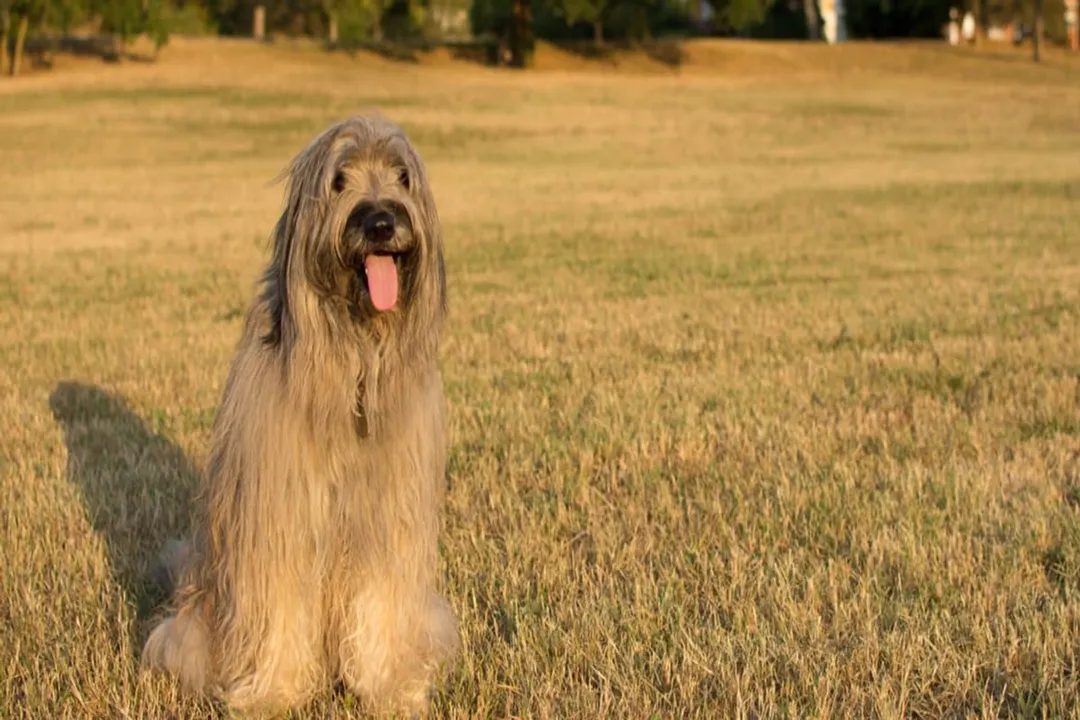
The scarcity associated with the Catalan Sheepdog is most apparent when someone seeks to acquire one. The limited population base means that the number of available puppies from responsible breeders is inherently low. [6] If a prospective owner is looking within a country where the breed is still establishing its presence, such as the US market where full recognition is pending, they might face significantly longer wait times than for more established breeds. [1]
When a breed is rare, it is imperative to exercise caution regarding sourcing. Since demand can outstrip supply or be driven by novelty, the risk of supporting unethical breeding practices increases. An owner interested in this breed should prioritize breeders who are actively involved in breed clubs, who test for common health issues, and who can clearly demonstrate the working lineage and health testing of their stock. [1] A breeder focused on the FSS or official breed standards is more likely adhering to the established temperament and health profile of the dog, which is vital when dealing with a less common bloodline.
One practical consideration for anyone pursuing a rare breed like the Catalan Sheepdog is the geographical radius they must be willing to search. For breeds with fewer than a hundred registered litters annually in a country, it is often necessary to look well outside local metropolitan areas, sometimes requiring travel or arranging secure transport across state or even national lines to find a reputable source. [1] This necessity for wide-ranging searching adds another layer to the experience of acquiring one of these dogs.

# Temperament Versus Reality
For a breed described as intelligent and active, understanding the nuances of their temperament is key to owner satisfaction. They are described as having a high energy requirement. [2][8] This is not merely the need for a long walk; this is a dog bred to cover vast distances over challenging terrain, making decisions independently while being keenly aware of their flock.
This leads to an important point for prospective owners: a Catalan Sheepdog requires substantial mental engagement alongside physical exercise. Simply owning one of these dogs is not the same as owning a popular, universally recognized family pet whose energy levels are often more easily satisfied by casual park visits. This breed thrives when given a "job." For those without a flock of sheep, this means serious engagement in canine sports, advanced obedience, or puzzle-solving activities that tap into their inherent problem-solving skills. If the mental stimulation is neglected, the reserved nature toward strangers can easily morph into problematic behaviors born of boredom and under-engagement.
This inherent drive means that while they are devoted companions, they are not necessarily the easiest breed for a novice dog owner. A first-time owner might mistakenly believe that the dog's intelligence means training will be easy, failing to account for the breed's independent streak developed from years of working without constant human direction. Successfully integrating a Catalan Sheepdog into a modern home often requires an owner who is prepared to be a consistent, engaging leader who respects the dog's working heritage, rather than just a caretaker.
# Comparison Points
When considering the rarity of the Catalan Sheepdog, it is helpful to compare their situation to breeds that have achieved wider recognition. Breeds that gain popularity often do so because they meet one of two criteria: they are aesthetically pleasing to a broad audience, or they excel in an easily accessible, high-profile activity (like agility or obedience trials). [1]
The Catalan Sheepdog, with its specific grooming needs and reserved nature, doesn't immediately tick the boxes for mass appeal in the way that some other herding breeds have. While many herding breeds were granted full AKC recognition decades ago—allowing for more standardized breeding, marketing, and registration—the Catalan Sheepdog is still in a more formative stage in regions like the US. [1] This difference in recognition timeline directly impacts population growth; full recognition brings legitimacy and visibility that often leads to an increase in casual ownership, which in turn boosts numbers. The slower path to full status naturally keeps the breed's numbers lower and its profile niche for a longer duration. This slow build suggests that while they may never reach the numbers of a Golden Retriever or a German Shepherd, their established community is likely very dedicated to preserving the breed's working qualities, which is arguably more valuable than sheer numbers.
In summary, the Catalan Sheepdog is indeed rare outside its native Catalonia, especially where it lacks full national kennel club endorsement. This rarity stems from its concentrated history, specialized purpose, and the current stage of its international recognition process. Potential owners should view their search not as a simple transaction but as an opportunity to join a specific lineage dedicated to preserving a genuine piece of pastoral Spanish history.
Related Questions
#Citations
Catalan Sheepdog Facts - Wisdom Panel™ Dog Breeds
8 Facts About Catalan Sheepdogs - Greenfield Puppies
Catalan Sheepdog | Dog Breed Facts and Information - Wag!
Hello all. I found out recently that the 'mixed breed' dog I took on ...
Catalan sheep dog dog breed information | Noah's Dogs
Catalan Sheepdog Dog Breed Complete Guide - A-Z Animals
Catalan Sheepdog | Facts and Information - VioVet
Catalan Sheepdog | Dog Breeds - Omlet
Catalan Sheepdog: The Loyal Herding Companion - DogPack App