Are American Bulldogs picky eaters?
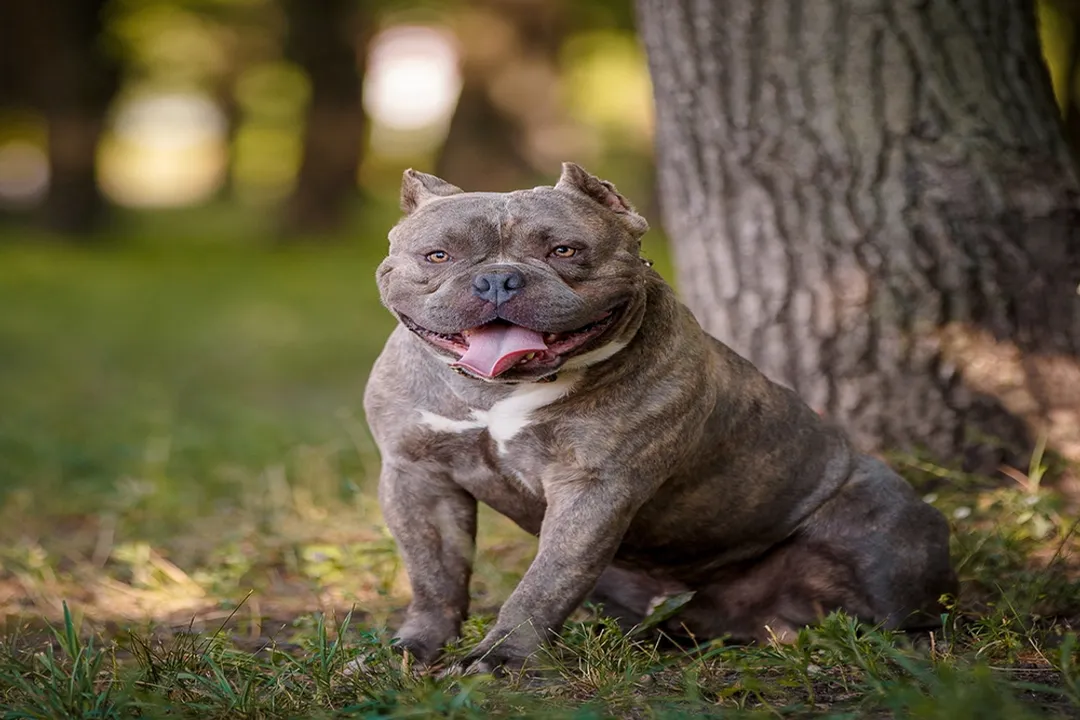
The question of whether American Bulldogs are inherently picky eaters surfaces frequently among their owners, often leading to genuine concern and sometimes frustration in the feeding routine. Anecdotal evidence shared by owners suggests that many American Bulldogs display selective eating habits, refusing certain commercial kibbles or showing a strong preference for specific textures or types of food. It’s not uncommon to hear stories of these powerful, muscular dogs—known for their strength—turning their noses up at a bowl of perfectly good dry food, only to eat enthusiastically when offered something else. This behavior creates a cycle where owners feel they must constantly rotate food brands or add toppers to entice them to finish a meal.
However, "picky eating" in a dog can mean different things. It might be a genuine behavioral preference, a learned habit, or, less frequently but importantly, a sign of an underlying health issue. Understanding which category your American Bulldog falls into is the first step in managing their diet effectively. For instance, some Bulldogs seem to hold out for human food or treats, suggesting they know holding out yields a better reward. This breed, known for its robust nature, often prompts owners to question what exactly constitutes a complete and balanced diet for such a large working type dog.
# Owner Concerns
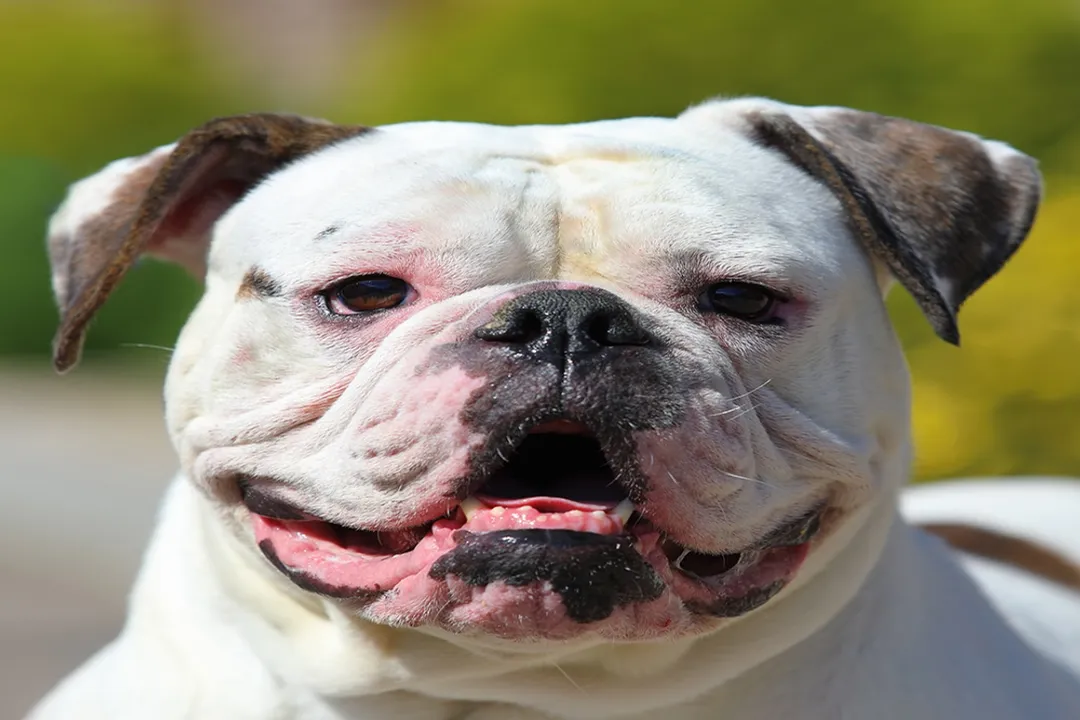
A significant driver behind perceived pickiness is owner apprehension about commercial dog food ingredients. Some owners express distrust about what goes into processed kibble, leading them to question the necessity of feeding it entirely. This concern sometimes leads to inquiries about creating homemade diets consisting solely of staples like rice, pasta, chicken, or tuna. While a dog will eat these things, relying on such a limited, non-formulated diet for a breed like the American Bulldog is nutritionally precarious and can lead to serious deficiencies over time.
This hesitancy creates a conflict: the owner wants to provide the best, most recognizable food, but the dog may resist the standard, shelf-stable option. In contrast, some owners look toward specialized feeding methods, such as raw feeding, seeking a more 'natural' way to meet their dog's needs, which can involve its own set of strict guidelines and ingredient sourcing complexities. Navigating this spectrum—from worrying about generic kibble to mastering raw preparation—is often where the feeding struggle begins for American Bulldog caretakers.
# Behavioral Drivers

When evaluating the situation, it is useful to compare the dog's refusal of standard food against its willingness to eat other things. If a dog consistently refuses their meal but happily accepts high-value treats, the issue is less about hunger and more about choice. Learned behavior plays a massive role here. If an owner has, even inadvertently, rewarded the dog for turning its nose up at kibble by immediately offering something tastier, the dog learns that waiting pays off.
Consider this common scenario: A dog might be fed dry kibble for dinner, refuse it for an hour, and then the owner gives a small piece of boiled chicken to encourage them to eat something. The dog has effectively trained the owner to provide variety on demand. Another factor, though less common in a generally healthy breed, involves the food's palatability or texture. Some dogs simply prefer softer food or find certain dry kibble textures unappealing. While the American Bulldog is a strong, active breed, their individual preferences still matter when establishing a long-term eating schedule.
Here is a simplified way to approach the behavior, moving beyond simply labeling the dog as "picky":
| Observed Behavior | Potential Underlying Reason | Owner Action Level |
|---|---|---|
| Refuses meal, eats treats later | Learned expectation/Preference | Moderate adjustment |
| Only eats if hand-fed or standing | Habit/Attention seeking | Firm consistency |
| Stops eating new food abruptly | Possible palatability or minor intolerance | Gradual rotation/Vet check |
| Refuses all food for a day or more | Potential Medical Concern | High concern/Immediate consultation |
It’s tempting for owners managing a very active American Bulldog, who requires consistent energy input, to simply add tasty extras to every meal. However, mixing too many additions can dilute the nutritional balance the core diet is designed to provide, potentially creating a dog that needs the additions to eat, rather than wants them. This constant adjustment requires significant owner investment in monitoring ingredients, which can become tiring.
# Feeding Adjustments
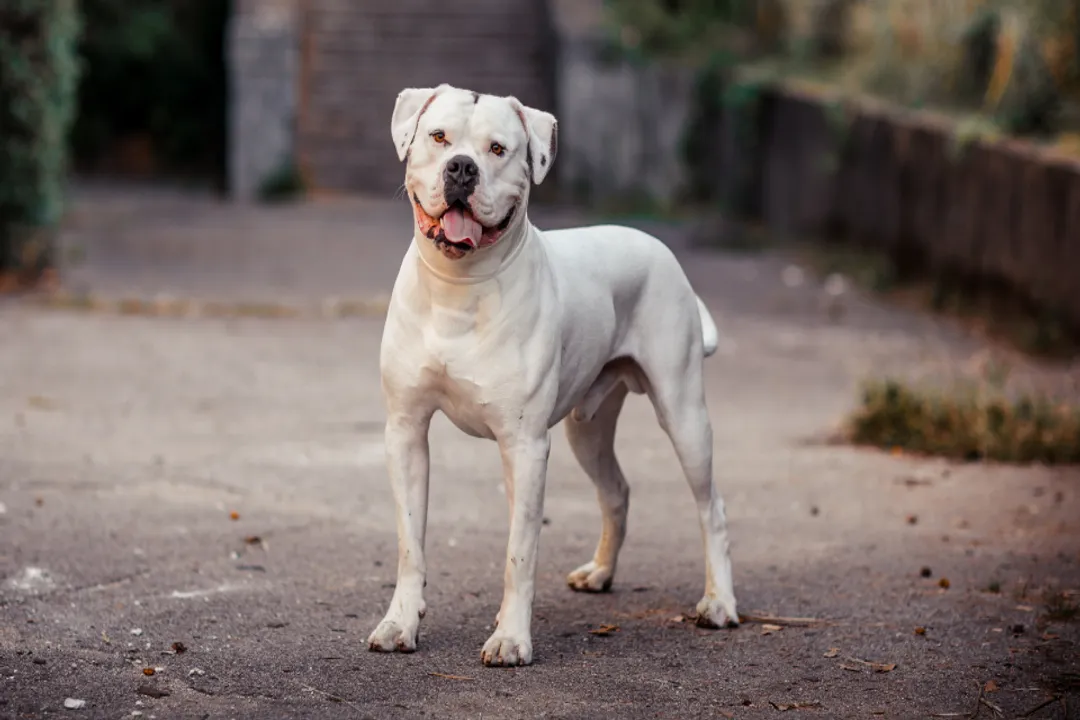
When an American Bulldog exhibits true pickiness, a systematic approach is generally recommended over constant food swapping. The goal is to re-establish the value of the primary food source. Many experienced dog owners suggest implementing a strict feeding time limit. For instance, present the food down for fifteen minutes. If the dog chooses not to eat it within that window, the bowl is removed until the next scheduled mealtime—no snacks or human food offered in the interim. This teaches the dog that food is available at specific times, reinforcing the schedule.
Another technique involves temperature and moisture. Sometimes, simply adding a small amount of warm water or low-sodium broth to dry kibble can significantly enhance the aroma and texture, making it more appealing to a reluctant eater. This is a low-effort change that can sometimes break the cycle of refusal without resorting to expensive toppers or fundamentally altering the dog's nutrition profile.
When switching foods, regardless of whether the motivation is pickiness or dietary philosophy (like moving to a raw diet), pacing is key. Sudden changes can cause digestive upset in dogs, which in turn can make them even more averse to eating. A standard transition involves mixing the old food with the new food over seven to ten days, gradually increasing the proportion of the new food. For instance, on days one and two, you might use 75% old food and 25% new food, slowly shifting the ratio. This methodical approach prevents digestive distress from compounding the behavioral issue.
# Nutrient Needs
The American Bulldog is a medium-to-large breed with significant muscle mass, requiring a diet formulated for their energy output and growth trajectory, especially during puppyhood. Regardless of whether an owner chooses high-quality commercial kibble, wet food, or a carefully balanced raw preparation, the food must meet the AAFCO standards for their life stage to ensure they receive the correct balance of protein, fats, carbohydrates, vitamins, and minerals.
For example, a high-quality raw diet for an American Bulldog, as outlined by some raw feeding advocates, emphasizes balancing bone, muscle meat, and secreting organs to mimic a natural intake, which requires diligent sourcing and formulation to prevent calcium/phosphorus imbalances common in DIY diets. This level of dietary management requires expertise, which is why many general care guides emphasize selecting a reputable commercial brand unless the owner has consulted a veterinary nutritionist for a home-prepared plan. A dog that seems picky might just be rejecting a formula that isn't meeting their high energy demands, or conversely, one that is too rich for their actual activity level, leading to early satiety. Paying close attention to the dog’s body condition—whether they are maintaining a healthy weight or becoming too lean—provides a factual measure of whether their current intake, picky or not, is actually sufficient.
Related Questions
#Citations
My American bulldog is a really picky eater and sometimes ... - Reddit
Picky american bulldog won't eat food? - Facebook
All about American Bulldog breed - Animalia
I have an American Bulldog and don't like feeding him dog food as I ...
Complete Care Guide for an American Bulldog: Health, Diet ...
What's the Best Dog Food for an American Bulldog? - ProDog Raw
Is Your Bulldog a Picky Eater? Try This Simple Hack. - Pinterest
American Bulldog Breed Guide: Characteristics, History & Care
Why Is My Dog a Picky Eater? - American Kennel Club