Are children's pythons good pets?
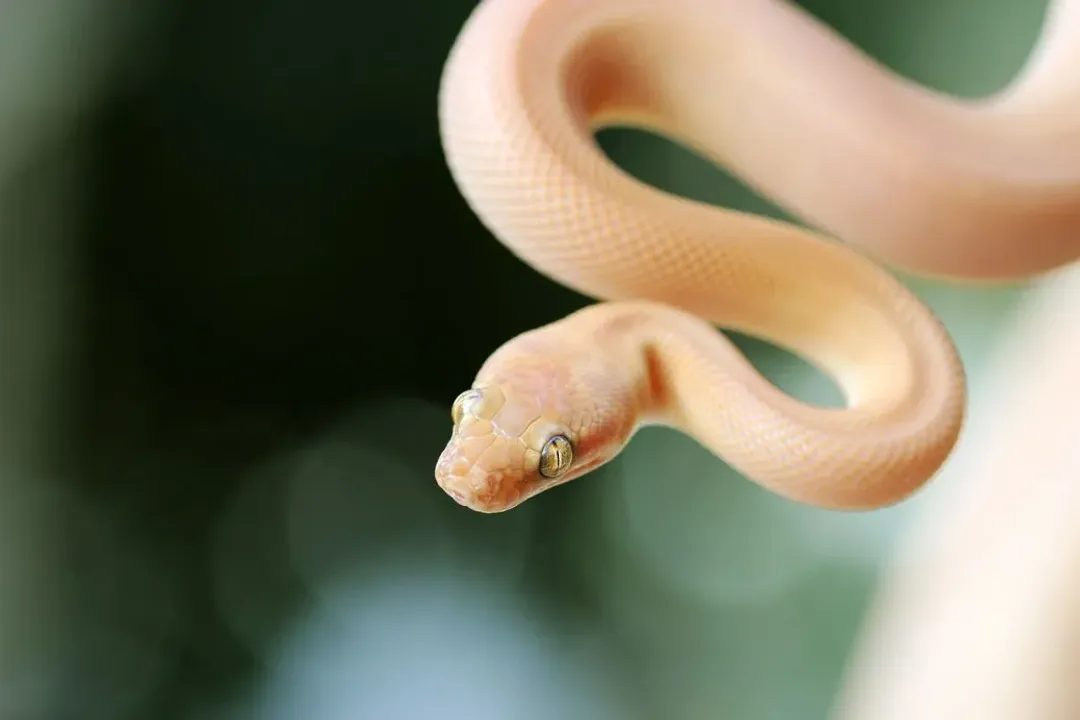
Children's Pythons often enter the conversation when reptile enthusiasts discuss manageable, attractive snakes suitable for a variety of living situations. They hail from Australia and represent one of the smaller python species available, which immediately addresses a primary concern for many potential keepers: space requirements. Determining if any animal is a "good pet" involves looking at temperament, ease of care, size, and longevity, and for the Antaresia childreni, the general consensus leans toward a positive assessment, particularly for those with some prior experience or a willingness to learn proper reptile husbandry. They are frequently suggested as an excellent choice for a first snake, an honor often shared with the Ball Python, though key differences exist that might sway a keeper one way or the other.
# Small Stature
The physical dimensions of the Children's Python are certainly one of its major selling points. These snakes remain relatively small throughout their lives. Typically, adults will reach lengths of approximately 3 feet (around 90 cm). While some individuals might push slightly beyond this mark, they do not develop the bulk or intimidating length of many larger python species. This manageable size directly impacts the necessary enclosure space. Where a larger constrictor might demand a dedicated room or large custom enclosure, a Children's Python can be comfortably housed in systems that fit neatly into a standard room setup.
It is important to remember that "small" in the snake world still requires appropriate spatial considerations for enrichment and movement, not just minimum survival space. While minimum requirements might allow for a smaller glass tank or plastic tub, considering the adult size and its natural need to explore and thermoregulate effectively, a tank size that offers good floor space becomes crucial for a happy animal. Their smaller size also means their prey items are proportionately smaller, which can simplify feeding logistics compared to keeping snakes that require large rodents early on.
# Temperament Profile
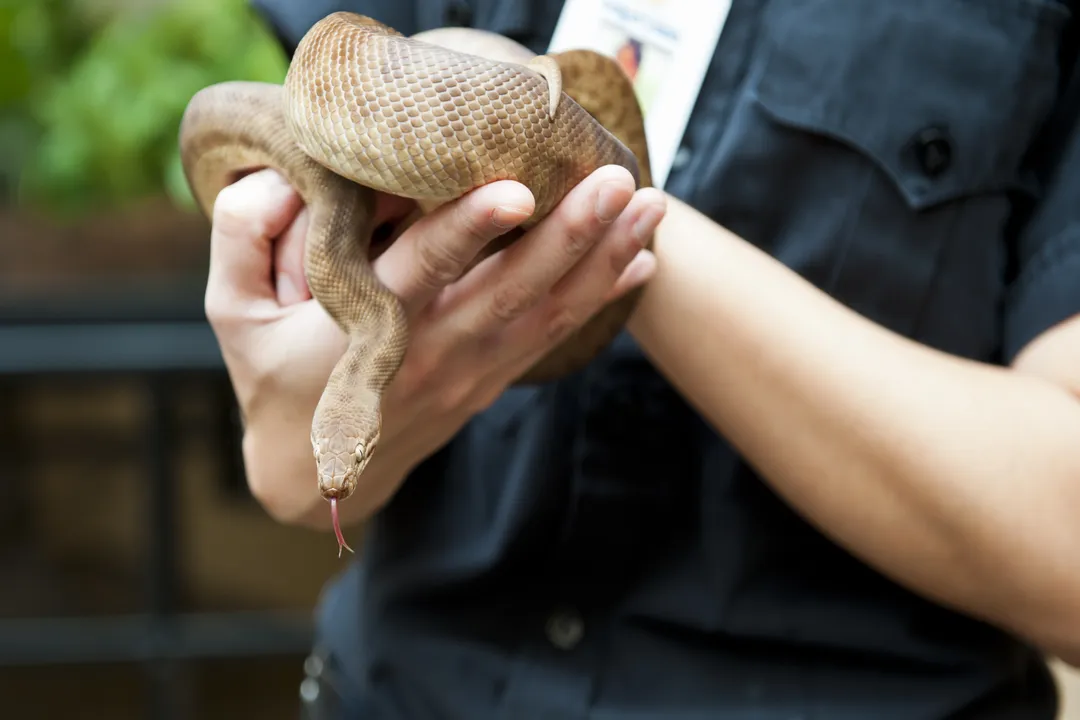
Temperament is where many potential owners form their lasting bond with a pet, and Children's Pythons generally present well in this regard. They are often described as docile, good-natured, and shy. This inherent shyness can sometimes translate into less overt interaction compared to a more inquisitive species, but it also means they are less likely to exhibit aggressive behaviors once settled.
However, like many young snakes, juveniles can sometimes be a bit feisty or nippy when first brought home. This behavior is usually a byproduct of nervousness or a misunderstanding of handling rather than true aggression. Consistent, gentle handling is key to acclimating them and encouraging the typically calm adult demeanor. They are not known for being overly defensive when startled, unlike some other species that default to defensive postures like coiling tightly into a ball when stressed. This ability to remain relatively composed when mildly stressed is a significant plus for keepers who might occasionally need to perform checks or move the snake for cleaning.
When considering the effort required to socialize a pet, the baseline temperament matters greatly. For keepers living in apartments or environments where noise or movement might occasionally startle a pet, a snake that settles quickly after being left alone is highly valued. The Children's Python seems to fit this niche well, as they seem generally content to utilize hides and cruise their enclosure during the evening hours, emerging for feeding or exploration.
# Basic Husbandry Needs
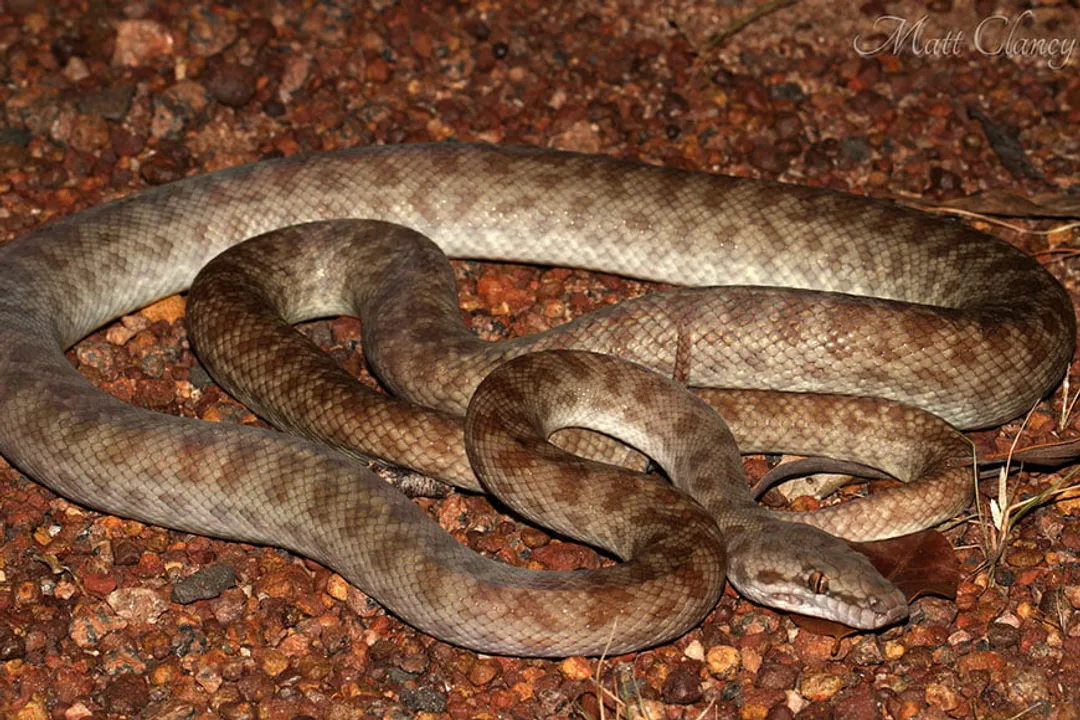
Reptiles require specific environmental conditions to thrive, and the Children's Python care requirements are often cited as being relatively straightforward, making them suitable for first-time owners who have done their homework. As Australian natives, they need warmth and specific humidity levels to ensure proper shedding and respiratory health.
The general humidity range recommended hovers around 50% to 70%. It is crucial for keepers to monitor this accurately using a reliable hygrometer, as levels too low can lead to stuck shed (dysecdysis), and levels consistently too high can increase the risk of scale rot or respiratory infections. Maintaining this balance often involves proper substrate choice—one that holds a little moisture without becoming swampy—and appropriate ventilation in the enclosure.
Temperature gradients are also vital. A warm side, usually achieved with a basking spot or overhead heating element, is necessary for digestion, while a cooler side allows the snake to regulate its body temperature downward. While the specific temperature parameters can vary slightly based on keeper preference and local climate, ensuring a clear difference between the hot spot and the ambient cool side is the operational standard for most reptile husbandry. Water should always be available in a heavy, non-tip dish large enough for the snake to soak in if it chooses, particularly before shedding.
A helpful point for new keepers to remember is that husbandry is a continuous process, not a set-it-and-forget-it system. Because Children's Pythons are often kept in smaller, self-contained enclosures, small fluctuations in ambient room temperature or a sudden blockage of airflow can drastically alter the internal climate. Therefore, the true ease of care often correlates directly with the quality of monitoring equipment used; an inexpensive digital thermometer/hygrometer set is non-negotiable for success [Original Insight 1].
# Long Term Commitment
While their small size makes their physical footprint manageable, the time commitment is significant. Children's Pythons have a respectable lifespan, often living for 20 to 30 years in captivity. This places them in the same long-term commitment bracket as many larger snakes and parrots, meaning that acquiring one is a decision that will impact the keeper’s life for decades.
This longevity necessitates planning for potential life changes, such as moving, career shifts, or starting a family. A snake kept for thirty years will likely outlast several moves and potentially several different housing situations. It is not a starter pet that can be easily rehomed after a couple of years when the novelty wears off; it is a genuine, long-term companion reptile requiring consistent care throughout its entire life cycle.

# Beginner Comparison
The constant comparison between the Children's Python and the Ball Python surfaces often because both are popular, relatively small pythons often marketed toward beginners. The comparison highlights where each species excels.
Ball Pythons are widely available and often lauded for their extreme docility, frequently resorting to defensive balling rather than striking. However, Ball Pythons are notoriously sensitive to husbandry fluctuations, especially concerning humidity, and can sometimes be notoriously picky eaters, leading to periods of fasting that worry new owners.
Children's Pythons, conversely, are often reported as being less fussy eaters and generally more robust regarding minor fluctuations in their environment, provided the basic temperature and humidity envelopes are respected. While they might be slightly more inclined to test a new keeper with a nip when young, their overall feeding response is generally considered reliable, which reduces a major source of anxiety for novice keepers.
| Feature | Children's Python | Ball Python |
|---|---|---|
| Max Size (Approx.) | ~3 feet | 3–5 feet |
| General Temperament | Docile, can be nippy as juvenile | Very docile, prone to balling |
| Feeding Response | Generally reliable | Can be notoriously fussy/fast |
| Husbandry Sensitivity | Robust, manageable range | More sensitive to humidity swings |
| Adult Footprint | Smaller | Larger |
| Availability in Some Regions | Dependent on local supply/laws | Very high, worldwide |
This comparison suggests that for a beginner prioritizing stable feeding and slightly less demanding humidity management, the Children's Python holds an edge, provided the keeper is prepared to gently work through initial juvenile shyness.
# Habitat Enrichment
While the minimum requirements for a Children's Python enclosure are small due to its size, a truly high-quality habitat encourages natural behaviors. Because they are semi-arboreal and enjoy climbing in their native habitat, providing vertical space and opportunities to climb is beneficial. This goes beyond just having substrate and a water bowl.
The small size can sometimes lead keepers to use enclosures that are vertically tall but lack sufficient floor area. A good rule of thumb, even when dealing with a snake under three feet, is to prioritize the longest dimension of the enclosure to match or exceed the snake’s length, even if it means opting for a rack system or a PVC enclosure that maximizes usable floor space over vertical height, unless specific climbing structures are heavily incorporated into the design [Original Insight 2]. Utilizing cork bark tubes, sturdy branches that span the enclosure, and appropriately sized hides that offer security at different levels will dramatically improve the snake's quality of life. Bioactive setups have also been successfully implemented for this species, allowing for a dynamic, self-sustaining environment that mimics natural conditions quite closely, requiring careful management of soil composition and microfauna.
# Acquisition and Health
When looking to acquire a Children's Python, whether from a breeder or a reputable reptile shop, confirming the snake's provenance and health history is essential for a successful start. A healthy snake will typically be alert, clear-eyed, and have smooth skin, particularly after a recent shed. Ensuring the animal has eaten reliably for the seller provides confidence that it has settled into captive life before you take ownership.
Veterinary awareness is also important. While generally hardy, exotic pets require veterinarians experienced with reptiles. A quick search of local practices to confirm that a reptile-savvy vet is accessible before purchasing the snake is a proactive step that falls under responsible pet ownership. This foresight can save considerable stress should an unexpected health issue, such as mites or a respiratory infection, arise.
# Conclusion
Children's Pythons emerge as strong candidates for reptile enthusiasts seeking a smaller, relatively easy-to-care-for snake. Their manageable size, combined with a generally tractable nature that matures well with consistent handling, offers a rewarding experience. While they demand the same commitment to temperature, humidity, and long-term care as any other python—often spanning two or three decades—they generally present fewer day-to-day challenges related to feeding anxiety compared to some of their more famous counterparts. For the keeper willing to provide a species-appropriate, enriched habitat and a decades-long commitment, the Children's Python offers a wonderful entry point into the world of python keeping.
#Videos
Children's Python, The Best Pet Snake? - YouTube
Related Questions
#Citations
Pros/Cons: Ball Python vs. Children's python : r/snakes - Reddit
Children's Python, The Best Pet Snake? - YouTube
Children's Pythons - FAQs - Real Aussie Reptiles
Children's Python Care Sheet and bioactive habitat maintenance
Is a Children's Python a good snake for a 10-year - Facebook
Is a children's python a good beginner snake? - Quora
Beginners Guide to owning - Childrens Python - Bio Supplies
Children's python vs ball python - MorphMarket Reptile Community
Children's python - Wikipedia
Exotic Animal Spotlight - Children's Pythons as Pets