Are Harris's hawks good pets?
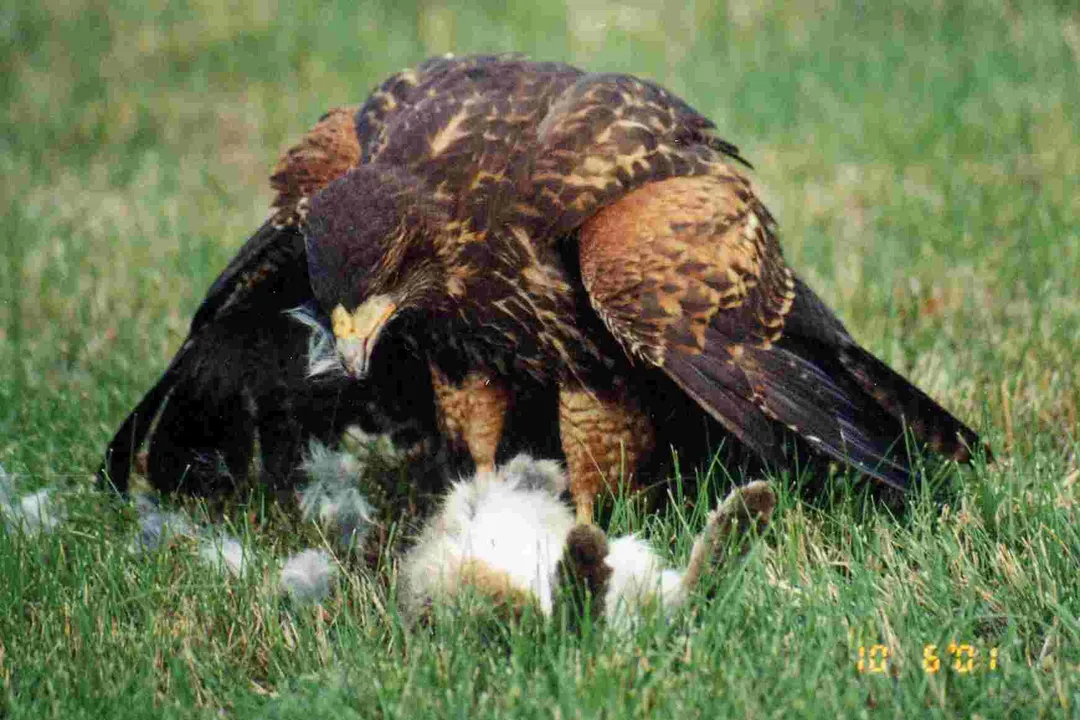
The Harris's hawk is a striking bird of prey, often regarded as intelligent and adaptable. When considering whether one of these raptors fits into a domestic setting, it is crucial to look past the general idea of a "pet" and examine the reality of keeping a highly specialized wild animal accustomed to unique social structures and hunting methods. These are not creatures you bring home to cuddle; they are partners in an ancient tradition or highly demanding, managed charges requiring expert husbandry.
# Raptor Temperament
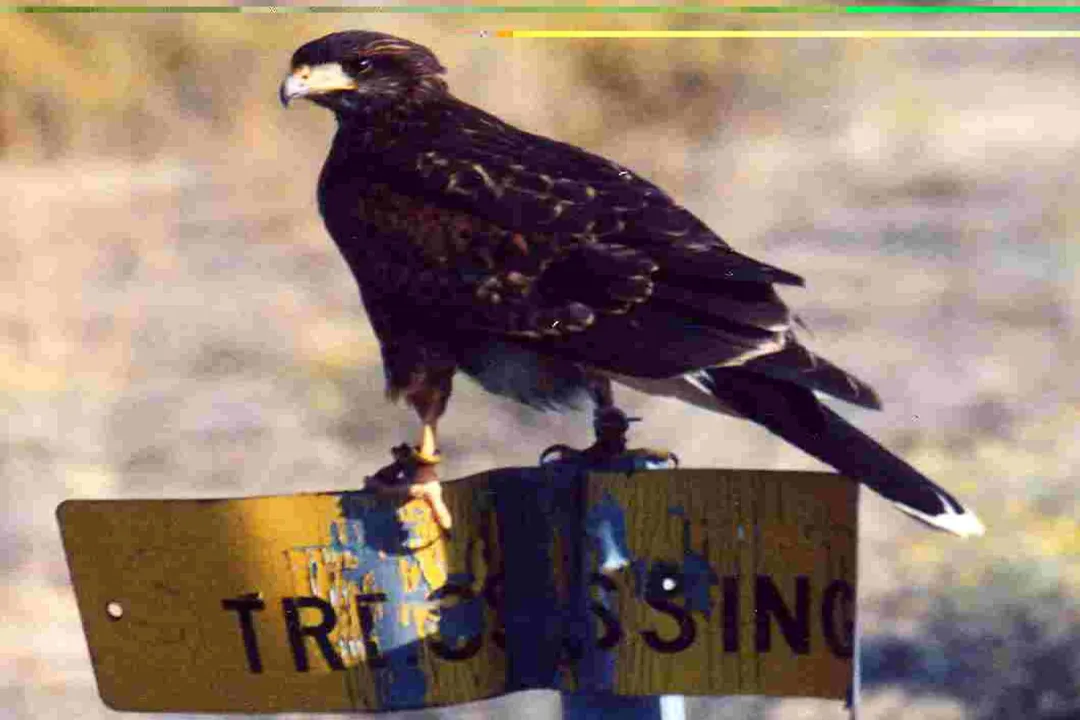
The initial allure often stems from their reputation for being somewhat less fiercely independent than some other birds of prey. Harris's hawks are known for their social inclinations, a trait that sets them apart from solitary raptors. In their native environment, they hunt cooperatively in family units, often called coteries, which influences their temperament when interacting with humans. This cooperative instinct is precisely what makes them popular in falconry, where the human handler effectively becomes part of the hawk's "coterie".
However, this association with humans is not the same as domestication. They remain wild animals that have been trained to cooperate with people, typically through rigorous conditioning based on food motivation. An inexperienced keeper might mistake the natural desire for social contact—or the focus on the handler during a training session—as simple affection, but the relationship is fundamentally transactional and driven by instinct.
# Social Needs
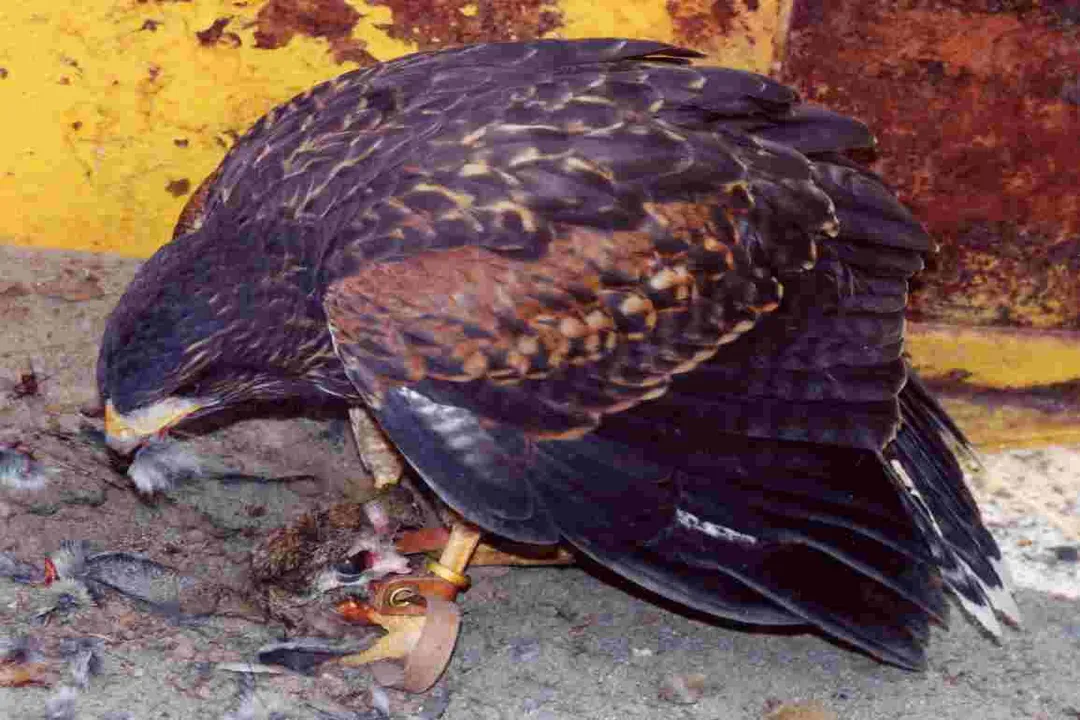
The deep social nature of the Harris's hawk presents a significant challenge for private ownership. Unlike a dog that seeks companionship from its pack, a hawk in the wild relies on its biological family group for survival, hunting, and social structure. When kept by a human, the bird may strongly bond with its primary handler. This bonding is evident, with some handlers reporting that their hawk seems attached to them.
This strong attachment, however, suggests that the bird is attempting to fulfill its biological need for social contact through the human surrogate. A serious consideration for any potential keeper is whether keeping a highly social, cooperative hunter entirely alone—even with daily interaction—is adequate, or if it merely substitutes one form of intense social dependency for another. When kept for falconry, the ability to fly them alongside other raptors is sometimes possible due to their cooperative nature, which is a unique advantage in that field.
# Specialized Husbandry
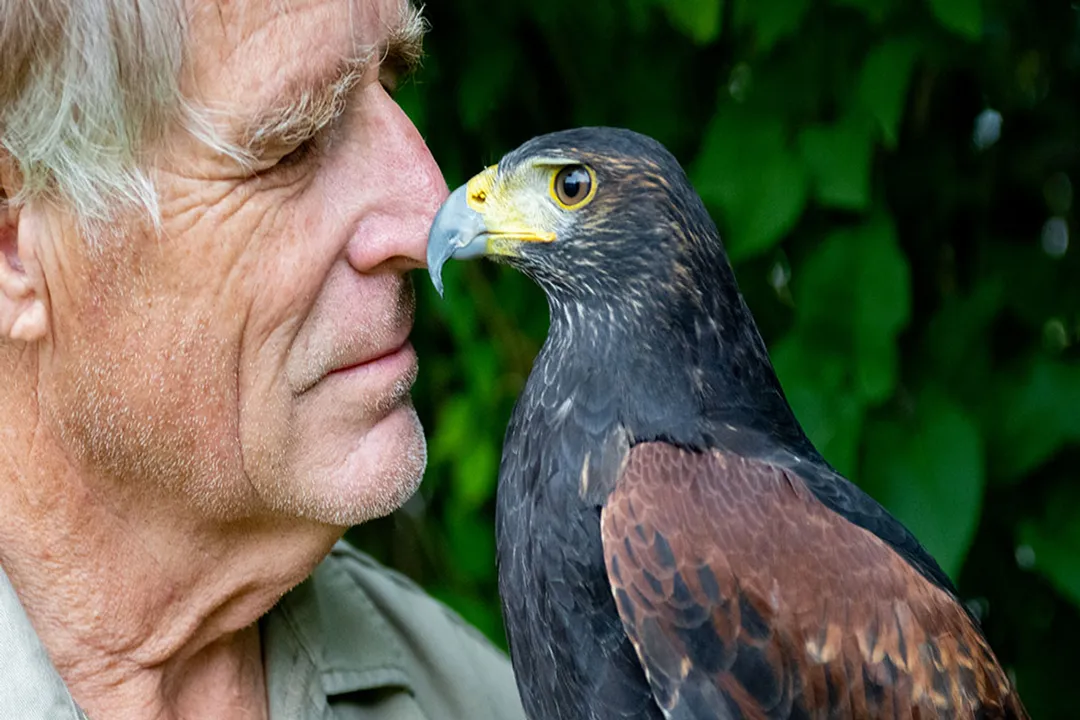
Keeping a Harris's hawk requires an entirely different set of considerations than owning a common pet. These requirements are non-negotiable for the bird's health and welfare.
First, housing is paramount. Hawks cannot simply be kept in a large cage; they require specialized structures known as mews. These must be appropriately sized, secure against escape, and designed to meet the bird's physical and psychological needs, often including perching areas and protection from the elements.
Second, diet must precisely mimic what they would consume in the wild, meaning a specialized menu of whole prey items, not processed bird food. In a world where people might look for a simple feed solution, substituting appropriate food sources is dangerous and can lead to severe health issues.
Third, training is an ongoing commitment centered on establishing trust through consistent, positive reinforcement. Training often involves rewarding the bird with food when it willingly comes to the falconer's glove. This is not a passive process; it demands daily attention and adherence to established techniques to maintain the working relationship.
A good rule of thumb for a prospective keeper, before even acquiring a bird, involves securing a mentor who is an experienced falconer or raptor rehabilitator. Given the intensity of the commitment and the legal frameworks often surrounding bird-of-prey ownership, having established guidance is more critical than any single piece of equipment or book. It helps translate the general guidelines about housing and diet into practical, legally compliant, and humane application in your specific location.
# The Falconry Context
It is impossible to discuss keeping Harris's hawks without addressing their role in falconry. This is where the species truly excels as a managed bird. Their intelligence, social nature, and versatility have cemented their place among raptor enthusiasts.
In the field, the process involves training the hawk to hunt cooperatively with the falconer. This teamwork means the hawk is highly motivated to remain near the person controlling the hunting dynamic. A common training technique observed involves encouraging the hawk to wait on—or perch high up—while waiting for the falconer to flush game or progress across the hunting terrain.
For those interested in the practical demonstration of these birds, watching them work shows a level of engagement that is often misconstrued as simple pet behavior. For example, a video demonstration might show a hawk readily flying from one handler to another, or returning quickly to the glove after a short flight, which speaks to the success of long-term, trust-based conditioning rather than inherent tameness.
# Legal and Ethical Frameworks
The desire for an unusual bird must always be weighed against the legal and ethical responsibilities involved. Because they are wild birds of prey, ownership is usually heavily regulated, often falling under wildlife or avian protection laws that differ significantly from those governing common companion animals. Simply purchasing a hawk, even from a breeder advertising them for sale, does not negate the need for proper permits or licenses, which often require demonstrating proficiency in raptor care.
Thinking about this commitment over a long span reveals another area of difficulty. A Harris's hawk can live for decades, sometimes exceeding twenty years in captivity. This longevity means a prospective owner must plan for a commitment that will likely outlast many other phases of their life. Where will the hawk go if the owner moves, changes employment, or becomes unable to care for it? Unlike a cat or dog, finding a suitable new home for a trained raptor is exceptionally difficult; they often end up needing placement with specialized rescue organizations or rehabilitation centers if the original arrangement fails.
If you consider the sheer physical and mental energy required daily—the dedicated time for flying, training, and mews maintenance—it becomes clear that this is less of a pet and more of a specialized vocation. The bird relies on the keeper for everything, from the right temperature in the mews to the exact type of meat it eats, making casual ownership virtually impossible to sustain ethically.
# Distinguishing the Bond
The affection displayed by a Harris's hawk is powerful, but it exists within a narrow context. It is a bond forged in mutual dependence for survival and fulfillment of instinctual drives. When someone asks if they make good pets, the answer hinges entirely on defining the word "pet."
If "pet" means a cuddly companion that lives happily in a living room, the Harris's hawk is a profound failure.
If "pet" is redefined to mean a living creature with which one engages in an intensely focused, high-commitment partnership governed by the laws of nature and specialized training, then they are unmatched in their suitability for that specific role. The bird's ability to be versatile and intelligent allows for this specialized partnership, but it also means the human's preparation must be equally specialized. It is the difference between owning a machine designed for a specific task—like a race car—and expecting it to perform well as an everyday commuter vehicle. The hawk thrives when its inherent nature is respected and accommodated, not suppressed by conventional pet expectations.
#Videos
5 Reasons Why YOU SHOULD Get a HARRIS' HAWK ... - YouTube
Related Questions
#Citations
Do Harris hawks bond? : r/birdsofprey - Reddit
Belle the Harris Hawk - Enoch Wildlife Rescue
Tips on acquiring and training captive-bred Harris' hawks
Harris hawks are a super cool (and underrated) bird - Facebook
Harris's Hawk | The Peregrine Fund
5 Reasons Why YOU SHOULD Get a HARRIS' HAWK ... - YouTube
The Harris's Hawk and Falconry - BlackErmine - Weebly
Harris Hawks anyone have any idea - Pet Forums
Harris Hawk's for sale - Mike's Falconry Supplies