Do Otterhounds make good pets?

The Otterhound is a dog that stops conversations. When you first encounter one, you might see a large, shaggy, bearded fellow with long, pendulous ears, perhaps mistaking him for a mix or another rustic hound breed. What you are truly meeting, however, is one of the most unique and endangered members of the canine world—a powerful, water-loving scent hound wrapped in a lovable, often clumsy, package. Deciding if this "clown of the hound group" is the right companion requires looking past the endearing appearance and into the realities of their history, their intense instincts, and their specialized care needs.
# Scarcity and History
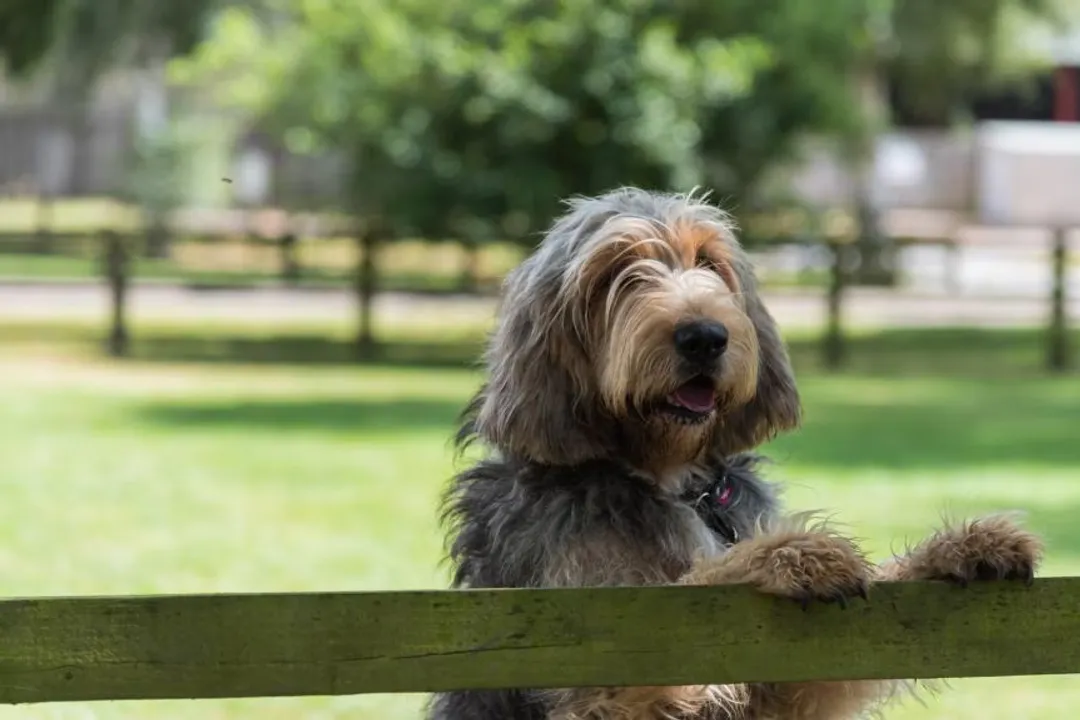
To even consider bringing an Otterhound into your life means accepting that you are committing to one of the rarest breeds globally. Estimates suggest there are fewer than 1,000 worldwide, making them rarer than both the white rhino and the giant panda. This extreme scarcity stems directly from their original purpose. Developed in medieval England, these dogs were specifically bred in packs to hunt river otters, protecting fish stocks that were vital food sources for monasteries and noble houses. King John of England famously kept a pack, and Elizabeth I served as the first Lady Master of Otterhounds.
When otter hunting was outlawed in England around the 1960s or 1970s, the need for the breed vanished, causing their numbers to plummet as packs were disbanded. Today, the breed survives largely due to the dedicated efforts of current owners and responsible breeders, who understand the gravity of preserving their gene pool. This rarity impacts acquisition; you won't typically find an Otterhound in a local shelter. Prospective owners must seek out national breed clubs or registered breeders, often expecting to join a waiting list. The investment reflects this scarcity, with puppy prices often ranging from approximately 3,000, and sometimes climbing as high as $5,000 depending on pedigree.
# Temperament Traits
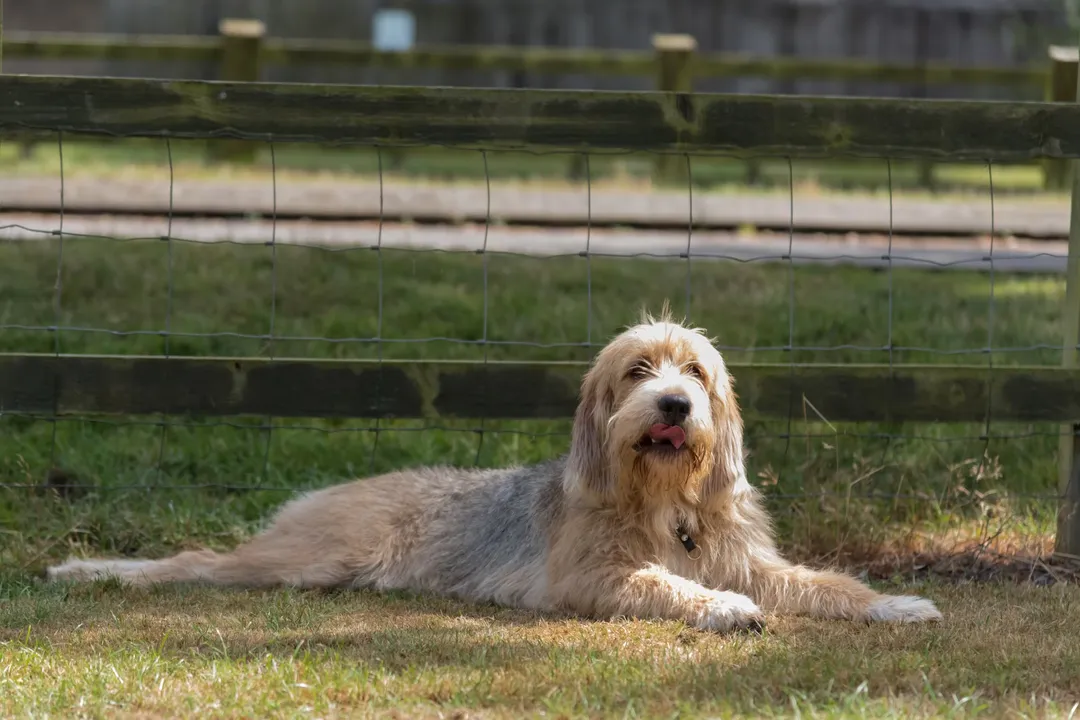
The historical function of running in large, cohesive packs meant that Otterhounds were selectively bred to possess an even temperament. This translates well into modern family life, as they are generally amiable and not aggressive. They are known to be affectionate, happy-go-lucky, and fiercely loyal companions, often enjoying cuddling to the point of attempting to wiggle onto a lap despite their large frame. They usually coexist well with children, strangers, and other dogs. However, their boisterous nature, especially as puppies, demands supervision around very small children, as an enthusiastic greeting could easily knock a toddler over.
Owners should be prepared for a dog with significant personality. While they are loving, they are not bred primarily to please humans; they were bred to complete a job. This breeds a dog that is smart but can be independent or strong-willed. If left alone too long, they can suffer from separation anxiety, which often manifests in vocal protest through their loud "baying" hound voice. They are not ideal for quiet, close-quarters living due to this tendency to be vocal when bored or lonely.
# The Hound's Drive
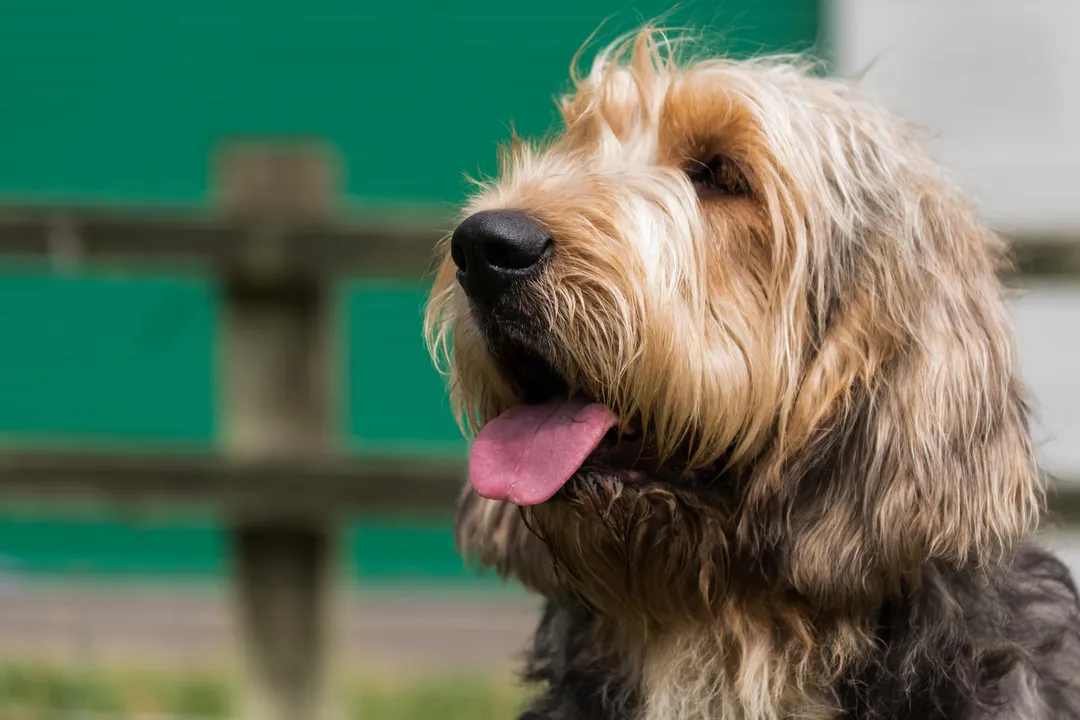
As scent hounds descended partially from Bloodhounds, their noses are their primary source of information about the world. This instinct is so strong that when an intriguing scent trail presents itself, the dog's brain and ears effectively switch off, rendering recall training useless in that moment. This overriding instinct is why the breed is almost universally advised to never be trusted off-leash outside a securely enclosed area. Owners often reinforce the need for tall fencing, as their powerful drive means a 4-foot barrier might be easily cleared if a compelling smell lies just beyond it.
This same powerful nose that once tracked otters can now be channeled for positive outlets, making them excellent candidates for tracking sports or even finding things like truffles. One specific characteristic tied to this tracking heritage relates to their appearance. While the dense, shaggy facial hair might look purely cosmetic to a first-time owner, it serves a critical, functional purpose: keeping debris and irritants out of their eyes while their nose is glued to the ground following a trail. Owners who have tried trimming this hair report that the dog subsequently becomes miserable, suggesting that for this breed, the functional "bangs" are indeed a necessity, not an option for aesthetic trimming.
# Daily Commitment
The Otterhound is physically equipped for work, possessing a broad chest and powerful shoulders ideal for long-distance swimming, aided by webbed feet and a waterproof coat. This means that as companion animals, they require a commensurate level of daily activity to remain well-behaved companions. A baseline of one to two hours of vigorous exercise daily is necessary, though puppies need less to protect their developing joints. This level of need effectively rules out apartment living for most prospective owners; they require space to move and explore.
The perfect environment often includes a large, securely fenced yard, although even with acreage, some hounds prefer to relax rather than self-exercise, meaning direct owner involvement in their activity remains essential. When exercise is not met, the dog is likely to invent its own activities, which usually involves chewing or loud vocalization.
# Grooming Realities
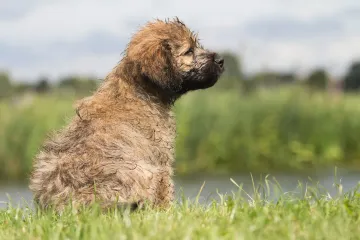
The Otterhound’s coat is described as a dense, rough, coarse topcoat over a short, wooly, slightly oily undercoat. While they do not require professional trimming to maintain their look, their coat demands consistent attention. Weekly, thorough brushing is required to prevent matting and remove embedded debris like leaves or twigs picked up during outdoor adventures.
When it comes to odor, opinions among owners diverge, which suggests variability in the individual dog or owner commitment. Some owners claim they "do not smell" if properly groomed and washed regularly. Conversely, others acknowledge that the natural oiliness of their waterproof coat can result in a distinct dog smell, and the beard often collects food and water, requiring diligent cleaning to prevent odor. If you choose this breed, you should plan for dedicated coat maintenance, especially managing the beard and wiping down those large, hairy paws that track mud indoors.
# Health Focus
For a large breed, the Otterhound is generally considered quite healthy, with a typical lifespan around 10 to 13 years. However, due to the small, vulnerable gene pool, responsible breeding programs focus intensely on screening for specific hereditary issues.
Prospective owners should prioritize breeders who test for the following conditions:
- Hip Dysplasia: A malformation of the hip joint common in larger dogs. Since this can lead to painful arthritis, monitoring weight is paramount, as obesity exacerbates the condition years sooner. Early evaluation via PennHIP is possible for puppies.
- Gastric Dilatation-Volvulus (Bloat/GDV): A fast-moving, life-threatening stomach condition common to deep-chested dogs. Preventative surgery, like a gastropexy, is sometimes discussed with a vet.
- Glanzmann’s Thrombasthenia (GT): A rare, inherited bleeding disorder that prevents proper blood clotting, making even minor injuries or necessary surgeries dangerous. DNA testing exists for this condition.
Beyond these primary concerns, Otterhounds can also be prone to Primary Epilepsy, where seizures occur without an identifiable underlying cause. Furthermore, their allergy profile (atopy) often targets the skin, frequently manifesting as itchy ears, which, combined with their swimming habits and floppy structure, makes frequent ear cleaning and vigilance against infection critical. A proactive approach to health, including routine testing recommended by the national breed club, can greatly aid in managing these predispositions. When considering an Otterhound, it is essential to see the health screening paperwork for the parents, ensuring the future companion has the best possible start free from easily preventable genetic burdens.
# Companion Profile
The decision to own an Otterhound is one made by accepting a specific set of characteristics. They are not low-maintenance dogs; they require dedicated time for exercise, consistent training from puppyhood, and meticulous management of their grooming and scent-driven wandering tendencies. If you are looking for a canine that will flawlessly obey commands or live happily without much attention, the independent, powerful scent hound is probably not the right fit.
Conversely, if you desire a dog that is intensely affectionate, possesses a wonderful, goofy sense of humor, and is happy to accompany you on long outdoor adventures—whether hiking a trail or swimming in a lake—the Otterhound is truly an unparalleled companion. They thrive with active families who view training as a partnership built on positive motivation rather than strict dominance, understanding that the reward—a happy, silly, devoted friend—is well worth the commitment to their unique needs.
Related Questions
#Citations
Otterhound Dog Breed Health and Care - PetMD
Otterhound: Dog Breed Characteristics & Care - The Spruce Pets
Otterhound Dog Breed Information - American Kennel Club
Otterhound - Breed Info | Riverstone Animal Hospital | Waterloo, Illinois
This is Pearl. She's an Otterhound, and with less than 1000 ... - Reddit
Lovable otterhound is an extremely rare breed - The Daily World
Anyone have any experience with Otterhounds? - Breedia Dog Forum
An Overview of Otterhounds – Lolahemp