Zorse Diet
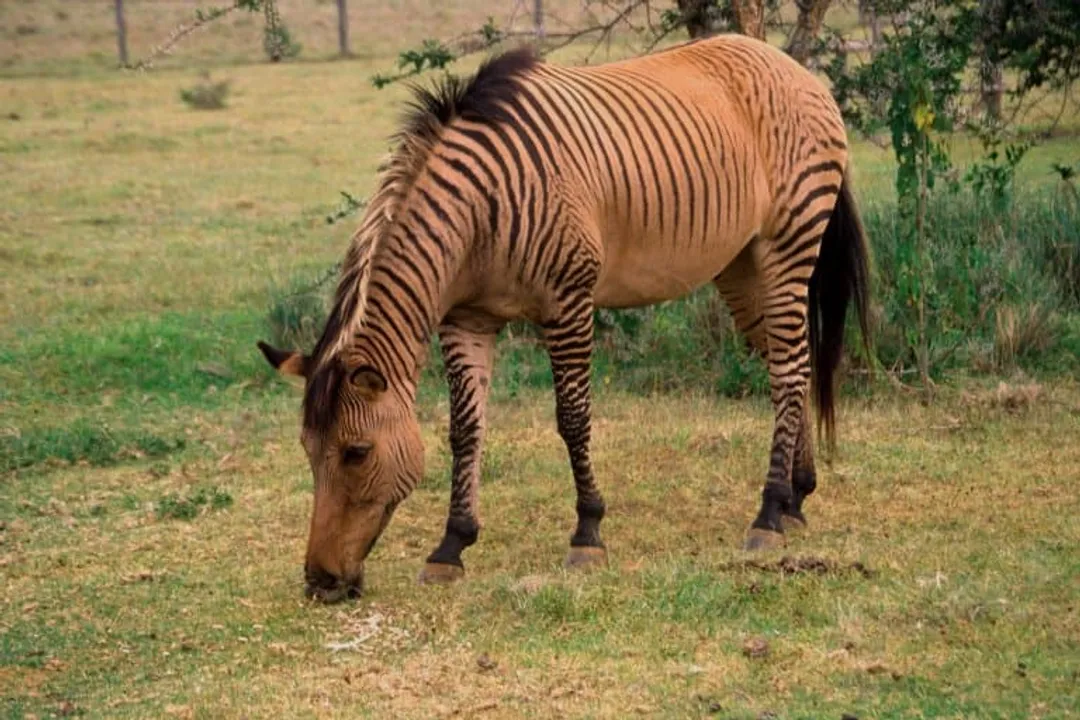
The zorse, a captivating hybrid resulting from the cross between a zebra stallion and a domestic horse mare, carries the combined traits of its parents, which logically extends to its nutritional requirements. Understanding what this unique equine eats means looking closely at the foundational diets of both the zebra and the horse, as the zorse is firmly categorized as a herbivore. These animals are built for continuous grazing, sharing a digestive system designed to process forage almost constantly throughout the day.
# Herbivore Nature
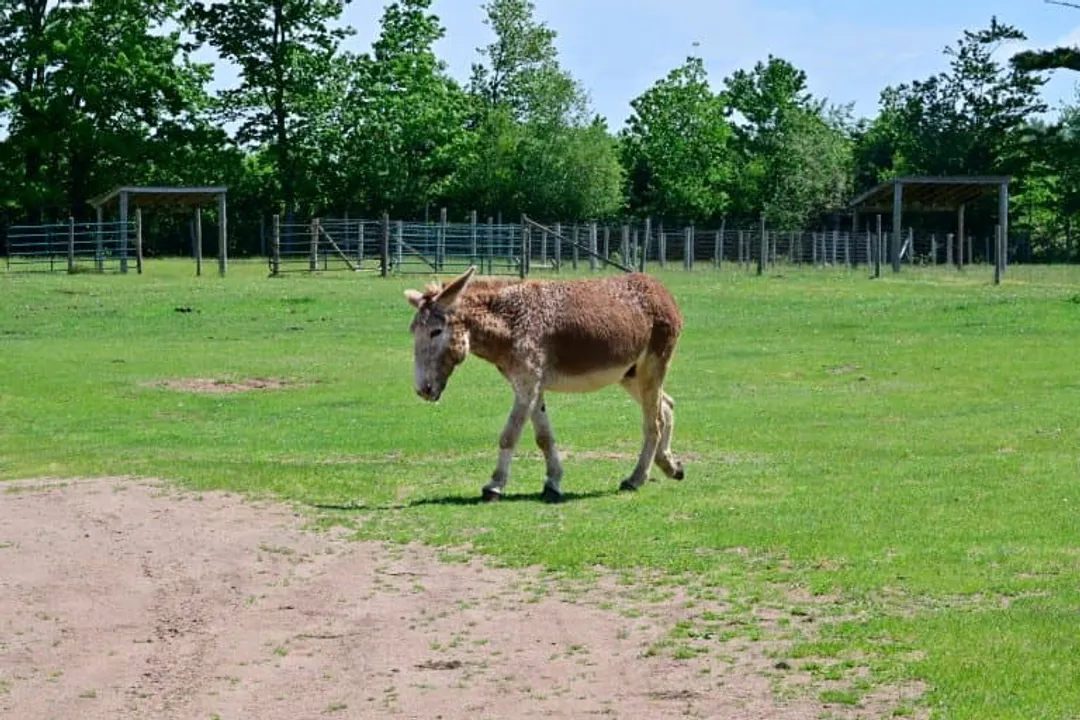
Fundamentally, the zorse adheres to the herbivorous diet established by both Equus zebra and Equus caballus. This means their sustenance comes entirely from plant matter, relying on grasses, hay, and various greens for their necessary nutrients. While they share this classification with their progenitors, the specific balance required can be a management consideration. Since the zorse inherits its shape, size, and temperament largely from its horse mother, its digestive capacity might lean toward that of a domestic horse, yet the zebra influence may bring hardiness against certain pests and diseases, which could subtly affect how efficiently it processes certain types of forage.
# Core Forages
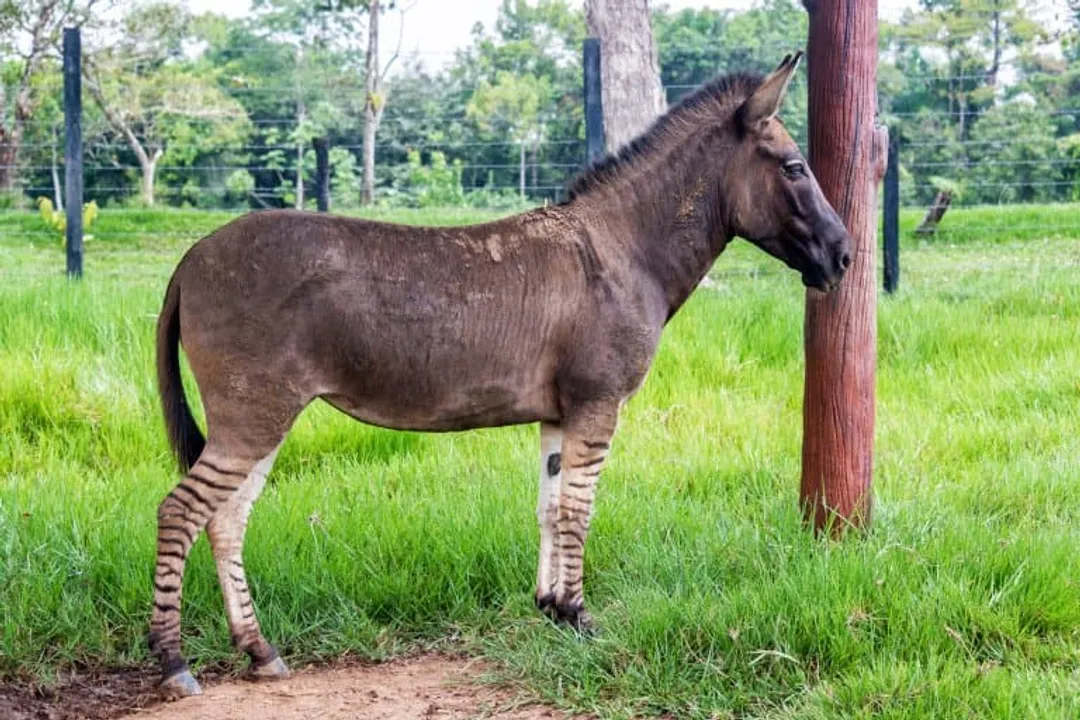
The bulk of any zorse’s diet, much like its parents, centers around grass. Whether in a pasture setting or when provided as bulk feed, forage must be the primary component of the meal plan. When fresh grass isn't available, high-quality hay serves as the essential replacement, mimicking the natural grazing pattern.
In addition to these staple forages, zorses are known to consume other vegetation. This can include grains, which are often provided as supplemental energy, especially for working animals. They also enjoy fruits and vegetables. A fascinating aspect observed in these equines is a keen sense of taste, comparable to that of a domestic horse. This refined palate allows them to sift through available vegetation—even in a stack of plants—to select their most favored types of grass, and importantly, they tend to recognize and actively avoid plants they perceive as poisonous.
A good management baseline, derived from observing the parent species, suggests that diet composition should heavily favor the lower-energy, higher-fiber roughage. For example, if you are managing a zorse whose horse dam was a breed known for easy weight gain (like a draft type), you might intentionally limit the grain portion more strictly than you would for a zorse out of a leaner breed, like a hot-blooded type, even if their activity levels are identical. The zebra component suggests they might be more adaptable to poorer forage than some domestic breeds, but management practice must remain centered on providing ample, clean, fibrous material above all else.
# Feeding Management
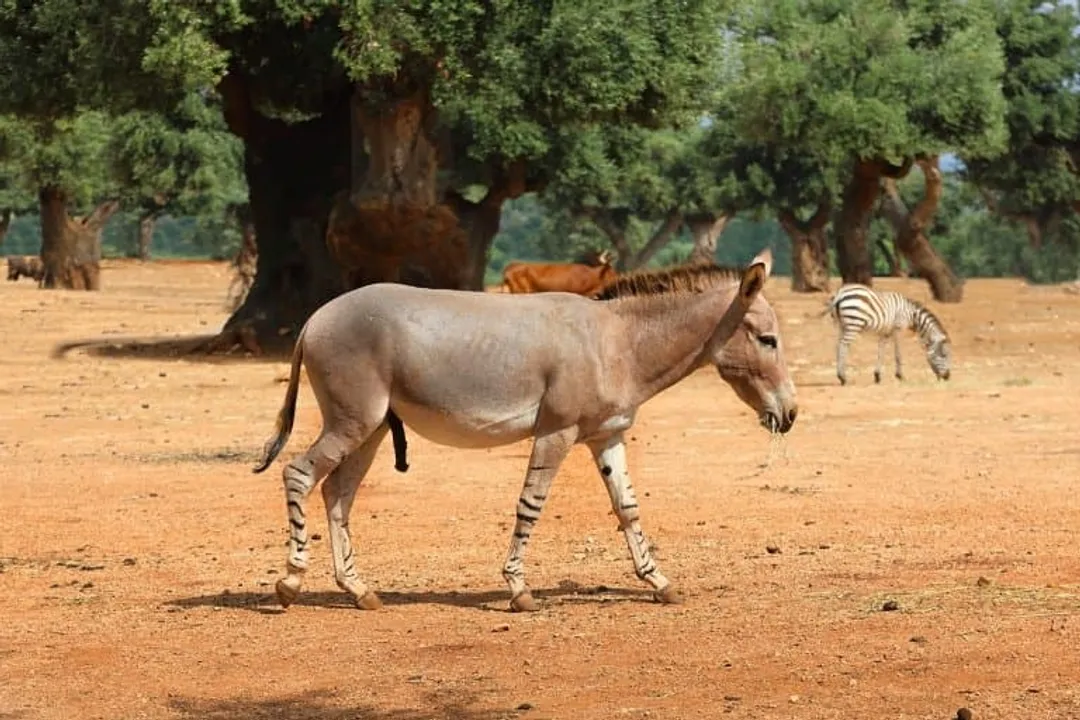
The continuous nature of their digestive tract means a zorse thrives best when food is accessible for most of the day. This implies that rather than large, infrequent meals, a routine that mimics natural, near-constant grazing is ideal for maintaining hindgut health and preventing issues associated with an empty stomach.
A notable point of difference, though not strictly about what they eat, concerns temperament and training, which directly impacts feeding routine. Sources note that the zebra side often contributes to a heightened flight response and can make them generally more spirited than a standard horse. When introducing any concentrated feed or supplements, careful, gradual methods used for flighty equines are necessary to avoid creating negative associations with the handler or the feed bucket.
Here is a simple comparison of the primary components of a zorse’s intake:
| Diet Component | Role in Diet | Notes |
|---|---|---|
| Grass/Hay | Foundation/Bulk Fiber | Must be available nearly constantly to support digestion. |
| Grains | Supplemental Energy | Used based on workload; requires careful portion control. |
| Fruits/Vegetables | Treats/Variety | Consumed occasionally; use sparingly depending on sugar content. |
# Hydration and Health
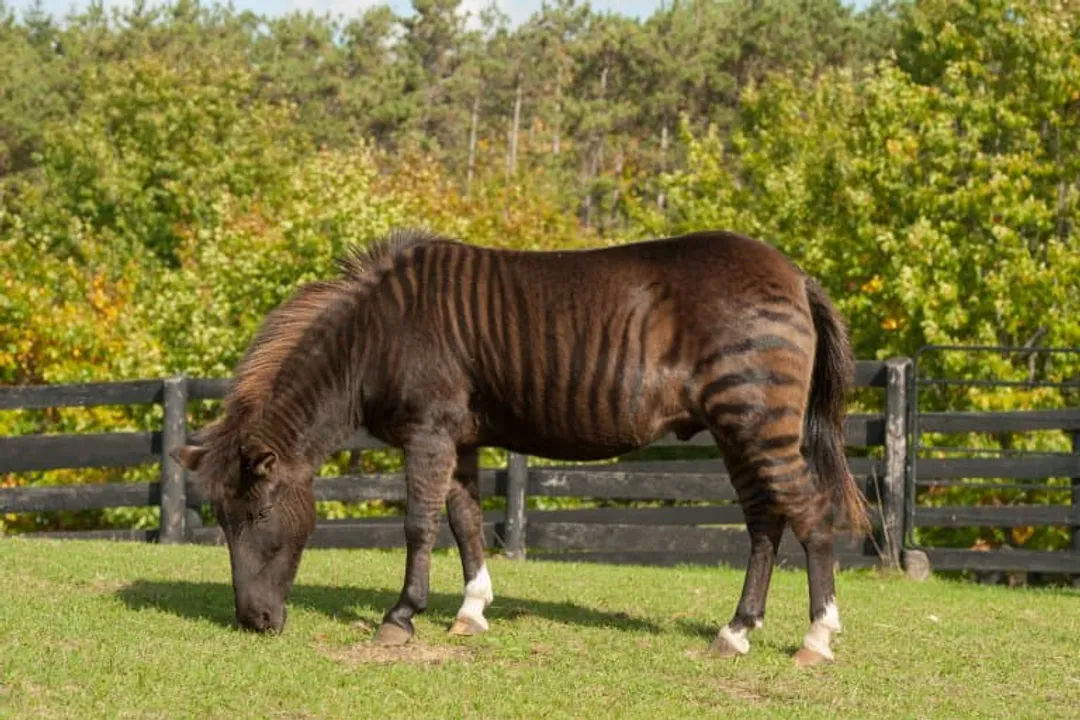
Beyond solid feed, constant access to fresh, clean water is non-negotiable for any equine, including the zorse. Water is vital for digestion, especially given their system is designed for continuous throughput of fibrous material. While the provided information focuses on solid foods, owners managing these hybrids should treat water consumption with the same seriousness applied to their horse counterparts, ensuring troughs are cleaned regularly and accessible day and night.
One of the primary historical reasons for breeding zorses was to gain the zebra’s natural resistance to certain African diseases, like those transmitted by the tsetse fly, which horses and donkeys are susceptible to. While this resistance is inherent, diet still plays a role in overall immune support. Maintaining the high-fiber diet promotes a healthy gut microbiome, which in turn supports a strong general immune response against environmental challenges, a crucial factor for a hardy hybrid. Owners should always monitor manure quality, as changes here often signal a need to adjust the forage-to-concentrate ratio before any systemic health issues arise.
Related Questions
#Citations
Zorse Animal Facts - Equus zebra x Equus caballus - A-Z Animals
Zorse Facts - Softschools.com
9 Zany Zorse (Zebroid) Facts - Fact Animal
If a zebra and a normal horse were raised under the same ... - Reddit
Predator and diet - Zorse
Is the Zorse a Real Animal? - World Atlas
Learn and Earn contest Entry: Z= Zorse - Steemit