Zonkey Diet
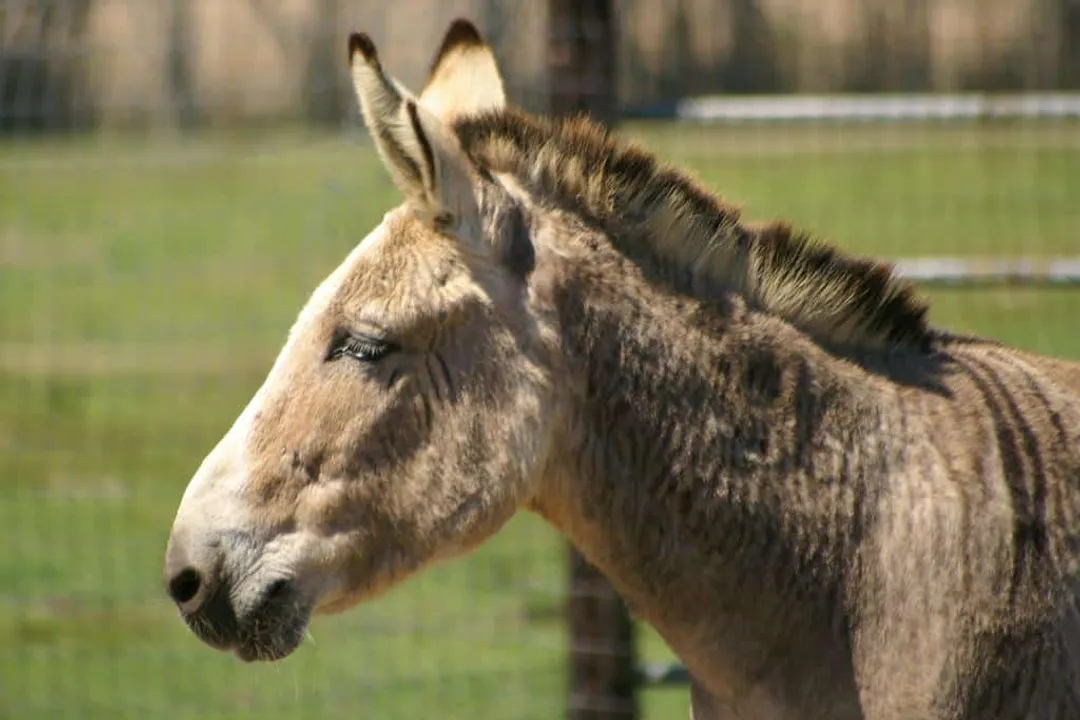
The zonkey represents one of the more visually striking results of combining two distinct members of the equine family. This hybrid animal is produced by crossing a zebra stallion with a female donkey, or sometimes the reverse pairing, though the former is more commonly cited. [1][7] Scientifically, these animals belong to the genus Equus, sharing ancestry with horses, donkeys, and zebras, which explains the fascinating blend of characteristics they display. [4][7]
The immediate question most people have upon seeing one is what to call it, as nomenclature varies widely across regions and enthusiasts. While "zonkey" is perhaps the most recognized term, you might also hear it referred to as a "zedonk" or a "zebra donkey". [5][7] This naming convention follows a pattern seen in other equine crosses, much like a zorse results from crossing a zebra with a horse. [2] Seeing a zonkey in person confirms its hybrid status immediately; it is not merely a donkey with unusual markings, nor a zebra with a slightly different coat pattern, but a true interspecies blend. [1][4]
# Appearance Traits
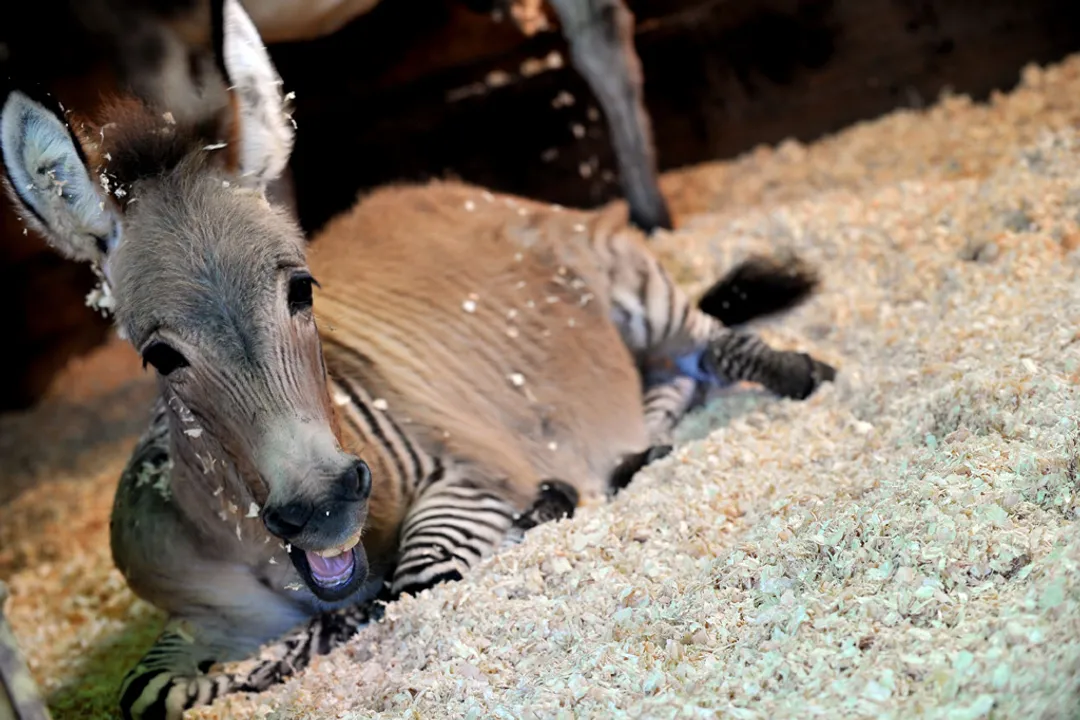
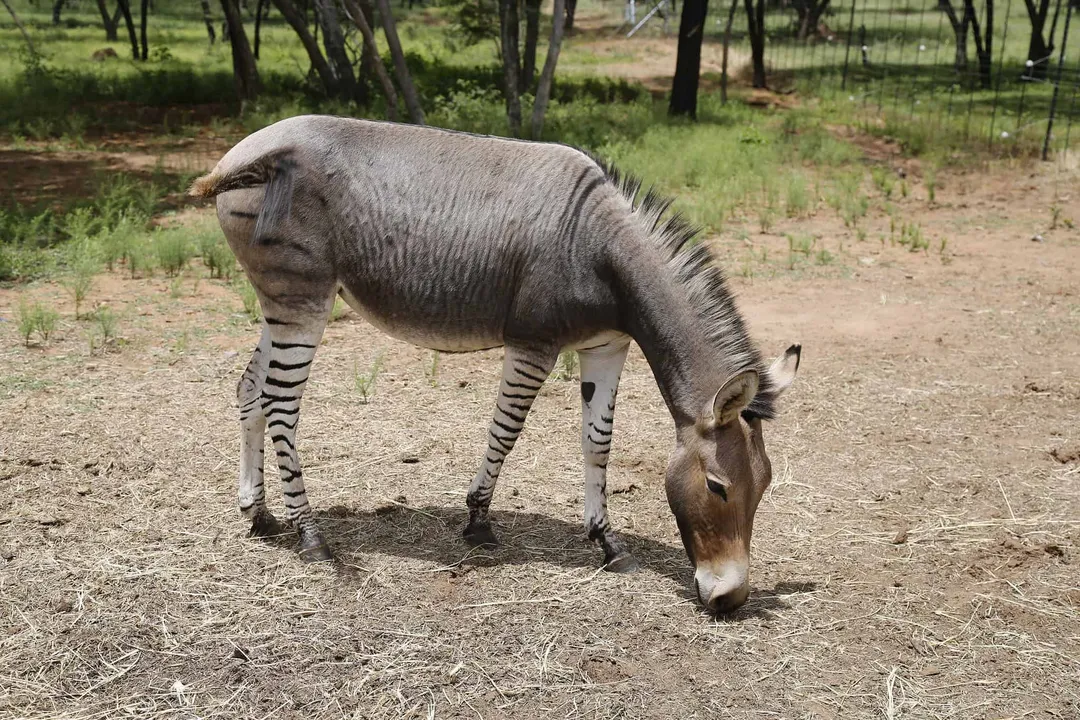
The appearance of any given zonkey is a direct reflection of its parentage, which can result in a surprisingly varied look depending on which parent's dominant genes surface. [1][4][7] Generally, the overall body shape tends to lean toward that of the donkey, often displaying a medium size. [4] However, the most distinctive feature inherited is, without a doubt, the striping pattern borrowed from the zebra. [1][7]
It is rare for a zonkey to be completely covered in stripes like a purebred zebra. [4] Instead, the stripes usually manifest most strongly on the legs, creating a bold contrast against a body coat that is often a solid color, such as gray or dun, similar to a donkey. [1][4] Some individuals may exhibit faint striping across the neck, shoulders, or hindquarters, but the leg striping is the most consistent marker of their zebra heritage. [7] Observers note that the temperament often favors the donkey parent as well, frequently described as being calm and exhibiting traits that suggest trainability. [4][7][9]
# Genetic Reality
Understanding how a zonkey comes to be requires looking at the numbers game of genetics. Zebras typically possess around 46 chromosomes, while domestic donkeys usually carry 62. [4][7] This significant difference in chromosome count is the primary reason why most zonkeys, like many other first-generation hybrids in the Equus genus, are sterile. [4][7] The disparate number of chromosomes makes the successful pairing required for reproduction highly improbable, meaning that zonkeys generally cannot reproduce themselves, reinforcing their status as a rare novelty hybrid. [7]
While the pairing can technically be a zebra stallion with a donkey mare, or vice versa, the resulting animal is invariably sterile due to this chromosomal mismatch. [4][7] This biological barrier underscores the fundamental distinction between hybridizing very closely related species (like different horse breeds) and crossing species with a greater genetic separation, even within the same genus. [7]
# Maintenance Needs
Since zonkeys are fundamentally equids, their general maintenance and dietary requirements align closely with those of donkeys and zebras, even if a specific, codified "zonkey diet plan" is not often published by veterinary bodies. [7] Like all grazing herbivores in the Equus family, their digestive system is designed to process high-fiber forage. This means the cornerstone of their sustenance must be high-quality hay or pasture grass. [7]
Considering their genetics, it is important to recognize the potential for inherited predispositions. For instance, donkeys are historically desert animals and are highly efficient at extracting nutrients from sparse forage, making them prone to obesity and laminitis if fed rich, high-sugar grasses common in temperate zones. [4] A zonkey, likely inheriting this hardiness from the donkey side, would probably require careful monitoring of caloric intake and sugar content in their feed to prevent serious hoof issues. [4] If the zebra parent contributed genes for a higher metabolic rate suited to more varied savanna grasses, managing weight could become a delicate balancing act between ensuring adequate calories and preventing the overconsumption that leads to metabolic diseases common in overfed equids. [4] A cautious approach would mandate feeding a constant supply of low-sugar grass hay, supplementing only with necessary vitamins and minerals, rather than free-feeding grains or rich alfalfa, unless specific work demands it.
# Establishing Living Conditions
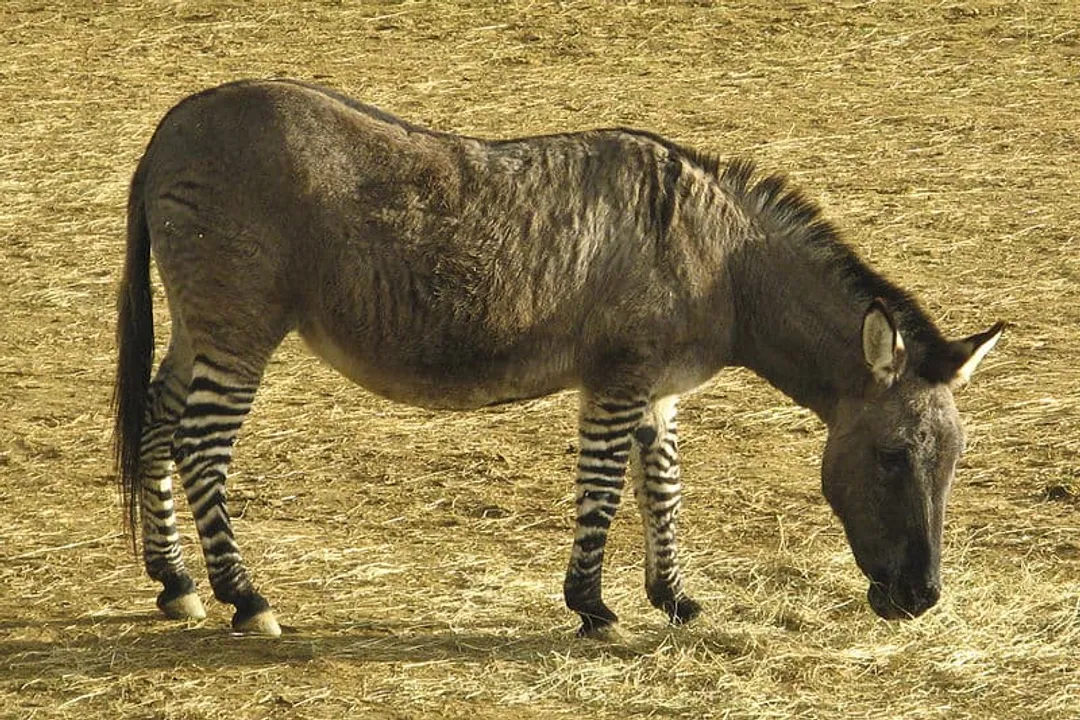
When considering the care for an animal like Zane, a known Zedonk hybrid residing at a sanctuary, the management strategy blends best practices for both parent species. [5] Zonkeys, being hybrids, often lack the instincts or ingrained herd dynamics of purebred animals, which can sometimes lead to unique behavioral management requirements. [7] They are generally viewed as having a calmer disposition inherited from the donkey, suggesting they might integrate into a mixed herd more readily than a more spirited hybrid like a zorse, but this is not guaranteed. [4][7]
Effective husbandry necessitates secure fencing, as they possess the jumping ability and curiosity of both parents. [4] Shelter must also be provided, as they need protection from extreme weather, just as any donkey or zebra would require. Their need for dental care and regular hoof trimming remains a constant, non-negotiable aspect of their routine, much like any other equine companion. [9]
For someone encountering a zonkey for the first time outside of a specialized facility, the key takeaway regarding management is the importance of consulting equine veterinarians familiar with atypical breeds. General equine knowledge is a good baseline, but practitioners experienced with donkeys—who have different sensitivities to certain dewormers and nutritional profiles compared to horses—will be better equipped to handle the hybrid’s specific needs. [4] This necessity for specialized knowledge underlines why ownership of such a unique hybrid carries a higher responsibility than owning a standard horse or donkey.
# Rarity and Presence
While they are sometimes intentionally bred, the appearance of a zonkey is often the result of accidental pairing on farms or ranches where zebras and donkeys are kept in proximity. [7] Because of their rarity and the specialized knowledge required to care for them, they are most frequently encountered in zoos, wildlife parks, or specialized rescue sanctuaries. [5] The existence of named individuals, such as Zane at the Sharkarosa facility, shows that these animals can thrive with dedicated care. [5] Their overall scarcity means that observations about their behavior or long-term health are often anecdotal, based on a small population pool rather than extensive scientific study. [7] The visual appeal of their mixed ancestry ensures they remain subjects of significant public interest whenever they appear. [1][9]
Related Questions
#Citations
Zonkey – @issaashleyblog on Tumblr
Zonkey (and similarly, a Zorse) - The Daily Herald
The Zonkey Has a Donkey Mom and Zebra Dad | HowStuffWorks
Zonkey Facts - Softschools.com
Meet Zane, one of our Zedonk! A zebra-donkey hybrid, commonly ...
Zonkey - Description, Habitat, Image, Diet, and Interesting Facts
Here's everything you wanted to know about zonkeys, the great ...
Zonkey Animal Facts - Equus zebra x Equus asinus - A-Z Animals
ZONKEY by Marc Scullion on Prezi