Xiongguanlong Diet
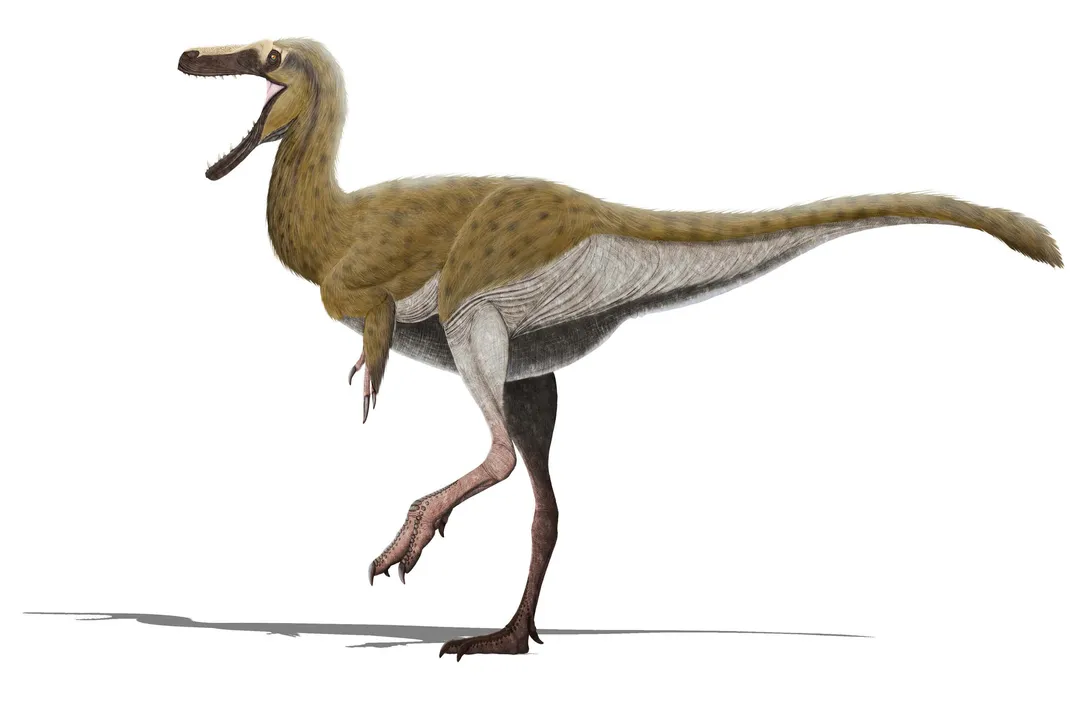
The eating habits of Xiongguanlong baimoensis, an intriguing dinosaur from the Early Cretaceous period, provide a fascinating glimpse into the predatory dynamics long before the massive apex predators of the Late Cretaceous became famous. While the fossil record often speaks loudest through bone structure, establishing the precise menu of a specific prehistoric animal requires piecing together clues from taxonomy, size estimates, and comparisons with related species. For this particular creature, the consensus paints a clear picture of an active hunter that was not yet the giant of its lineage.
# Carnivore Classification
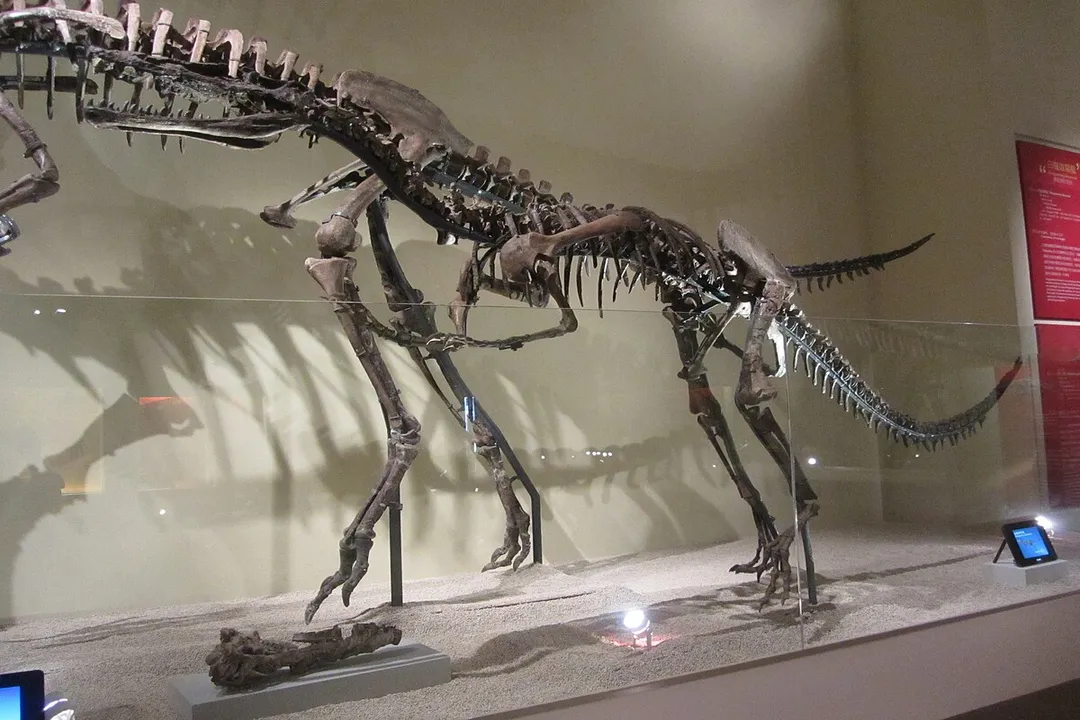
Xiongguanlong is definitively classified as a carnivore. This places it squarely in the predatory guild of its time, meaning its diet was based on consuming flesh rather than vegetation. Within the broader dinosaur family tree, it belongs to the tyrannosauroids, but importantly, it represents a much earlier, more primitive branch of this group, often described as a basal tyrannosauroid. This distinction is essential because it frames its predatory role not against contemporaries like T. rex, but against the smaller, faster predators that preceded the giant phase of the family. Its status as a flesh-eater aligns with the overall trend seen in its immediate evolutionary relatives during that epoch.
# Size Context
Understanding Xiongguanlong's role as a predator must start with its physical dimensions. Available data suggests this dinosaur measured approximately 4.3 meters in length. When considering that later, famous tyrannosaurs measured upwards of 12 meters or more, this animal was decidedly medium-sized for a carnivore. This relative scale is perhaps the most significant determinant of its diet. An animal of this stature would not be capable of taking down the largest herbivorous dinosaurs of the environment, nor would it need to compete for the resources consumed by truly gigantic theropods, as those giants had not yet fully evolved or dispersed into its region.
The available sources specify that Xiongguanlong targeted smaller dinosaurs and other small animals. This prey spectrum is perfectly commensurate with a predator of its stature. Imagine a modern analogy: a coyote hunts rabbits and rodents, not full-grown elk, which are reserved for larger canids or felines. For Xiongguanlong, "small animals" in the Early Cretaceous likely included early ornithopods, smaller ornithischians, or perhaps even juvenile members of larger species navigating the undergrowth of their ancient habitats.
| Characteristic | Measurement/Description | Source Implication |
|---|---|---|
| Dietary Category | Carnivorous | Consistent across multiple references |
| Estimated Length | About 4.3 meters | Provides context for hunting capacity |
| Group Position | Basal Tyrannosauroid | Indicates an earlier, less specialized predatory form |
| Observed Prey Size | Smaller dinosaurs; small animals | Defines its niche relative to the ecosystem's giants |
# Early Niche Hunting
As a medium-sized carnivore, Xiongguanlong occupied a niche distinct from both the very small, agile hunters and the looming mega-predators of later geological times. Its medium build likely favored a strategy relying on opportunistic hunting, bursts of speed, and efficiency over overwhelming brute force. While specific details about its bone microstructure or tooth wear patterns that might confirm repeated kills of specific prey types are not universally highlighted in general overviews, its known anatomy as an early tyrannosauroid suggests adaptations for gripping and tearing flesh.
If we consider the environment it inhabited, the types of animals available would have dictated its routine. The Early Cretaceous saw the flourishing of various smaller ornithischians and early forms of sauropods or their young. A predator around 4 meters long would need to be quick and effective. It's plausible that Xiongguanlong excelled at ambushing prey or perhaps engaging in short, high-speed pursuits, unlike the later tyrannosaurs whose bulk suggested they could afford to wear down larger, slower targets through sheer stamina and bone-crushing power.
The fact that it is listed among the basal members of the group means its diet represents an important stage in the evolution of the tyrannosaur feeding strategy. The shift towards apex predation seen in later members, characterized by incredibly thick, robust teeth designed for bone penetration, may not have been fully developed in Xiongguanlong. Its feeding apparatus was likely better suited for slicing and shearing softer tissues found in smaller or juvenile animals, acting as an effective mid-level controller in the food web. This ecological placement ensured that resources lower down the size scale were managed, preventing an overabundance of smaller fauna which could otherwise disrupt plant life or compete excessively with other mid-sized predators.
# Evolutionary Path Implications
When analyzing the diet of an early relative, we gain insight into how the entire family line developed its hunting prowess. The survival of Xiongguanlong depended on successfully securing food within its ecological band. Contrast this with the well-documented feeding mechanism of later giants which relied on a massive bite force to shatter bone—a trait perhaps unnecessary or underdeveloped in this earlier form.
The structure of the skull and jaw in basal tyrannosauroids often shows adaptations for less extreme bite forces compared to their descendants. This anatomical constraint strongly reinforces the conclusion drawn from its size: its hunting was specialized for smaller targets. If Xiongguanlong had attempted to prey upon the largest herbivores of its time, it likely would have faced significant risk of injury or failure, given the protective armor or sheer mass those larger dinosaurs possessed. Therefore, its diet was inherently conservative in risk assessment, focusing on reliable sources of nutrition found among smaller fauna.
This evolutionary context suggests that the capacity for massive prey specialization was a trait that developed later in the lineage, rather than one that was present from the start. Xiongguanlong showcases the early specialization for medium-to-small carnivory that laid the groundwork for the later, more famous, hyper-carnivorous giants. It shows the foundational role of the middle ground in dinosaurian predator-prey relationships.
# Analyzing Resource Availability
For any predator, success hinges not just on ability but on opportunity. During the Early Cretaceous in the region where Xiongguanlong lived, the availability of appropriate prey would have been the driving force behind its evolutionary success. If the ecosystem was dominated by very large, well-defended herbivores, the pressure on smaller, easier-to-catch prey would intensify. This scenario would naturally favor a predator like Xiongguanlong that was specialized for that abundant, lower-tier resource.
We can hypothesize a scenario where the ecosystem supported a large herbivore base, but perhaps the juveniles were vulnerable, or a distinct community of smaller, fast-moving dinosaurs existed that specialized herbivores couldn't efficiently target. Xiongguanlong would thrive in this gap. Its medium size means it needed substantially less caloric intake per day than a 10-meter-long predator, allowing it to survive periods of leaner hunting, provided the smaller prey base remained stable. This contrasts sharply with the high metabolic demands likely placed upon later, massive carnivores, which required large, regularly available meals to sustain their bulk. The diet of Xiongguanlong was thus characterized by frequency and size accessibility rather than sheer destructive power applied to single, massive kills.
The data points, though sparse on specific species names, consistently direct us toward an understanding of Xiongguanlong as an efficient, mid-range predator whose diet was dictated by its more modest physical scale relative to its later evolutionary cousins. It was a crucial link in the chain, demonstrating that the tyrannosaur family's success was built on a foundation of effective, smaller-scale predation long before the reign of the kings began.
Related Questions
#Citations
Xiongguanlong
Dinosaur - Xiongguanlong baimoensis
Xiongguanlong Animal Facts
A longirostrine tyrannosauroid from the Early Cretaceous of ...
PBDB Taxon - Xiongguanlong
WED | April 17, 2024 Xiongguanlong SIZE: ...
Xiongguanlong
Xiongguanlong baimoensis : DinoChecker Dinosaur Gallery
Xiongguanlong
PNSO | WED | April 17, 2024 Xiongguanlong SIZE: About ...