Whippet Diet
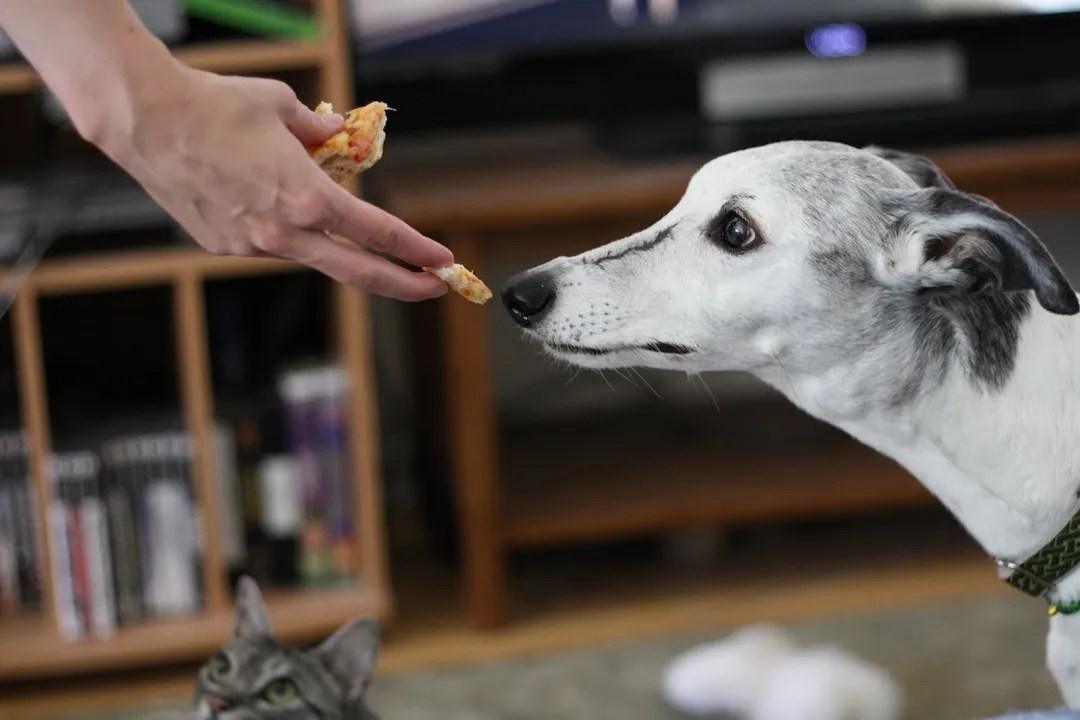
Whippets, those graceful, aerodynamic athletes of the dog world, possess a unique physiology that makes their dietary management distinct from many other breeds. Their naturally lean build and high energy output mean that owners must be particularly attentive to the quality and quantity of food they consume to keep them in peak condition without adding excess weight. [5][7] It is crucial to feed a diet that supports their speed and muscle tone while respecting their often sensitive digestive systems. [6][7]
# Metabolic Rate

The energy requirements for a Whippet are highly variable, largely dependent on their lifestyle. A dog used for regular racing or intense daily exercise will naturally require significantly more calories than a companion dog whose main activity is short bursts in the yard followed by long naps on the sofa. [4] Because they are so lean, it can be deceiving; an owner might assume their dog is fine because they look thin, but an inability to feel the ribs easily suggests weight gain is already occurring. [5] Unlike some heavier breeds where owners might monitor weight monthly, keeping a Whippet in proper shape often requires a more immediate feedback loop based on physical condition. [5]
When calculating intake, remember that metabolism can change rapidly, especially during adolescence or after an injury that forces a reduction in activity. An adult Whippet typically thrives on being fed once or twice a day. [1][4] However, if you notice your dog losing muscle mass or seeming lethargic, increasing feeding frequency to three smaller meals might help maintain a more consistent energy supply, allowing for better absorption and utilization of nutrients throughout the day. [1]
# Diet Types

There is no single, universally perfect diet for every Whippet, as preferences and health needs differ between individuals. [3] The choices generally fall into three main categories: commercial dry kibble, commercially prepared wet food, or home-prepared raw or cooked diets. [1][9]
For many owners, high-quality commercial kibble remains the staple choice due to its convenience and guaranteed nutritional balance according to established feeding standards. [4] When selecting kibble, the focus must be on the protein source. Look for clear identification of an animal protein—like chicken, lamb, or fish—as the first ingredient listed. [1][4] Conversely, foods relying heavily on fillers such as wheat, maize, or soya should generally be avoided, as these offer less usable energy for a high-performance breed and may trigger sensitivities. [4]
The raw feeding approach, often termed BARF (Biologically Appropriate Raw Food), has gained traction among sighthound owners. [1][9] Proponents suggest that the highly digestible nature of raw meat, bone, and organs provides ideal fuel for dogs with rapid metabolisms. [9] However, feeding raw requires meticulous attention to detail regarding bacterial safety, nutrient balance (especially calcium and phosphorus ratios), and sourcing to ensure the diet is complete and not deficient in essential vitamins or minerals. [1] Achieving the perfect balance in a raw diet takes significant research and commitment to avoid nutritional shortfalls, which can be particularly damaging during growth. [1]
If you lean towards home preparation with cooked meals, similar balancing acts are required, often necessitating supplements to replace nutrients lost or altered during the cooking process. [4] Furthermore, if a Whippet shows signs of skin irritation or digestive upset—which they are prone to—a calculated elimination diet using novel proteins (like venison or duck) in a carefully controlled kibble or home-cooked setting can help pinpoint the offending ingredient. [6][7]

# Young Growth

The juvenile years are critical for a Whippet’s development. Puppy feeding must prioritize slow, steady growth rather than rapid weight gain, as fast growth can compromise the development of their delicate joints and growing plates. [1] Puppy formulas are designed to meet these higher energy and nutrient demands, particularly concerning specific calcium and phosphorus ratios necessary for proper skeletal formation. [1]
It is generally recommended that puppies be fed a high-quality puppy-specific food for at least the first 12 months, though some smaller/medium breeds benefit from staying on a quality puppy ration for closer to 14 to 18 months, depending on their expected adult size and growth rate. [1] A common error is switching to adult food too soon once the puppy looks sleek. If you switch prematurely, you risk insufficient energy intake for their continued muscle development and brain maturation. An active owner might find themselves instinctively reducing meal size thinking the pup is gaining weight too fast, when in reality, the puppy's internal developmental needs haven't been fully met. Observing muscle tone and activity levels, rather than just the number on the scale, guides this transition better than a strict calendar date. [1]
# Meal Timing
How often you feed is almost as important as what you feed. For very young puppies, feeding three to four small meals daily helps manage their blood sugar levels and prevents digestive upset. [1] As they mature, this reduces to two main meals per day for adults. [4]
One useful approach for maintaining the deep chest and tucked-up waist characteristic of the breed is to split the daily allowance into two feedings rather than one large one. This strategy aids digestion and helps prevent the sudden energy spikes and subsequent crashes that can accompany gorging on a single large meal. For instance, if your veterinarian or feeding guide suggests 200 grams of food per day, provide 100 grams in the morning and 100 grams in the evening. This steady input supports their relentless energy system more effectively than a single large caloric hit. [4]
# Food Composition
Beyond just choosing between raw or kibble, scrutinizing the macronutrient profile is essential for a breed built for speed. Whippets do not generally need the extremely high carbohydrate content often found in foods designed for working or endurance dogs that run for hours on end. Their energy tends to be anaerobic—short, explosive bursts. [9]
A good diet should reflect this profile:
- Protein: High quality, easily digestible animal protein should dominate the ingredient list. [1][4] This builds and maintains the lean muscle mass that defines the breed.
- Fat: Healthy fats are necessary for skin and coat condition, which for a short-coated dog like a Whippet, is a clear outward indicator of internal health. [5] Look for sources that include Omega-3 fatty acids.
- Carbohydrates: While not inherently bad, carbohydrates should be present in moderation, ideally coming from highly digestible sources like sweet potato or peas, rather than heavy grains that may contribute to unnecessary body fat accumulation. [4]
# Weight Check
Monitoring your Whippet’s body condition score (BCS) is the ultimate test of your feeding plan. You should always be able to easily feel their ribs without pressing hard, and when viewed from above, they should exhibit a noticeable waist or tuck behind the rib cage. [5] Their underside should also angle sharply upwards towards the hindquarters when viewed from the side.
If you notice the ribs becoming difficult to find, immediately cut back the daily food allowance by about 10% and monitor for a week before making further adjustments. Conversely, if the ribs are prominent and you can see hip bones clearly, a slight increase in portion size is warranted. [5] Because their frame is so fine-boned, even a small percentage change in daily food intake can result in a visible shift in condition within seven to ten days, making frequent, gentle physical inspection an indispensable part of their care routine. This constant physical assessment, rather than relying solely on the scoop measurements, is the secret to maintaining that signature elegant silhouette year-round. [5]
Related Questions
#Citations
Whippet Feeding Guide - ProDog Raw
What do you feed your whippet? - Reddit
Feeding a Whippet 101 - TheWhippet.net
Feeding Your Whippet - Nautilus Whippets
Whippet - PDSA
Whippet | Breed Guide - Scrumbles
Whippet | Dog Breed | Royal Canin UK
What shall I feed my whippet? - Redhound For Dogs
WHICH DIET FOR YOUR SIGHTHOUND? – The Trendy Whippet Blog