Where are Kangal dogs found?
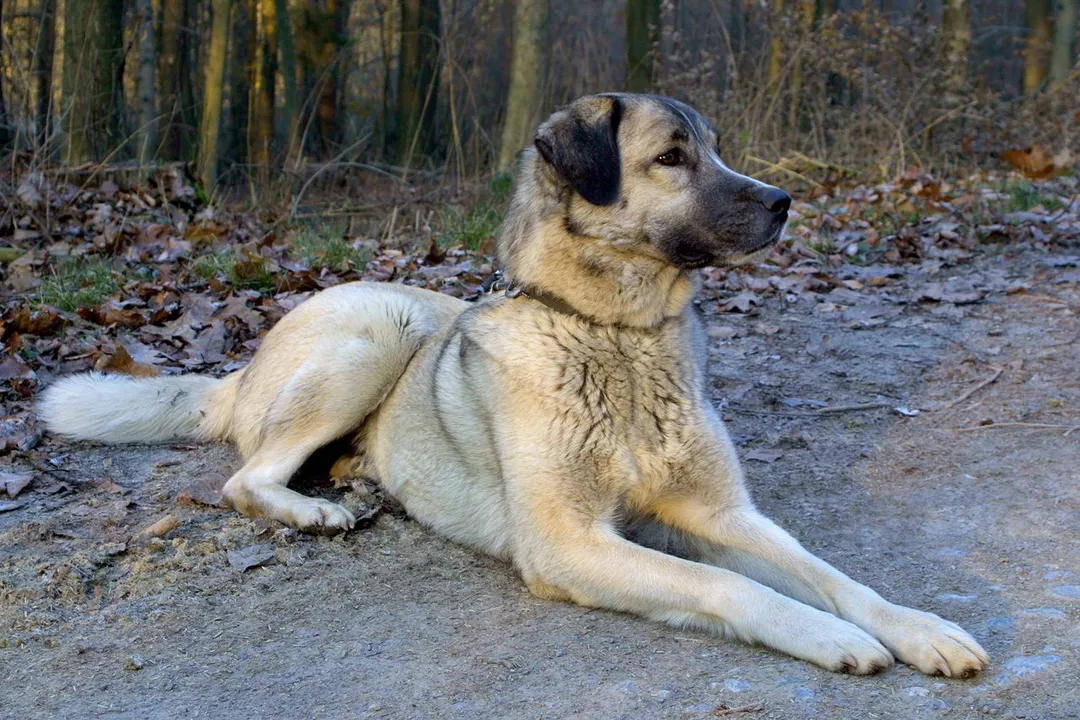
The Kangal Shepherd Dog is an ancient and imposing breed intrinsically tied to the harsh, sweeping landscapes of its homeland. To ask where these magnificent animals are found is to trace a line from the steppes of Central Anatolia outwards to devoted guardians across the globe. They are, first and foremost, creatures of the Turkish plateau, specifically associated with the region around Sivas, where they have historically served as formidable protectors of flocks against predators like wolves and bears for centuries. [1][2] This geography is not incidental; it forged the dog’s temperament and physical capabilities, creating a guardian naturally suited to vast, open terrain and extreme climates. [2]
# Turkish Origin
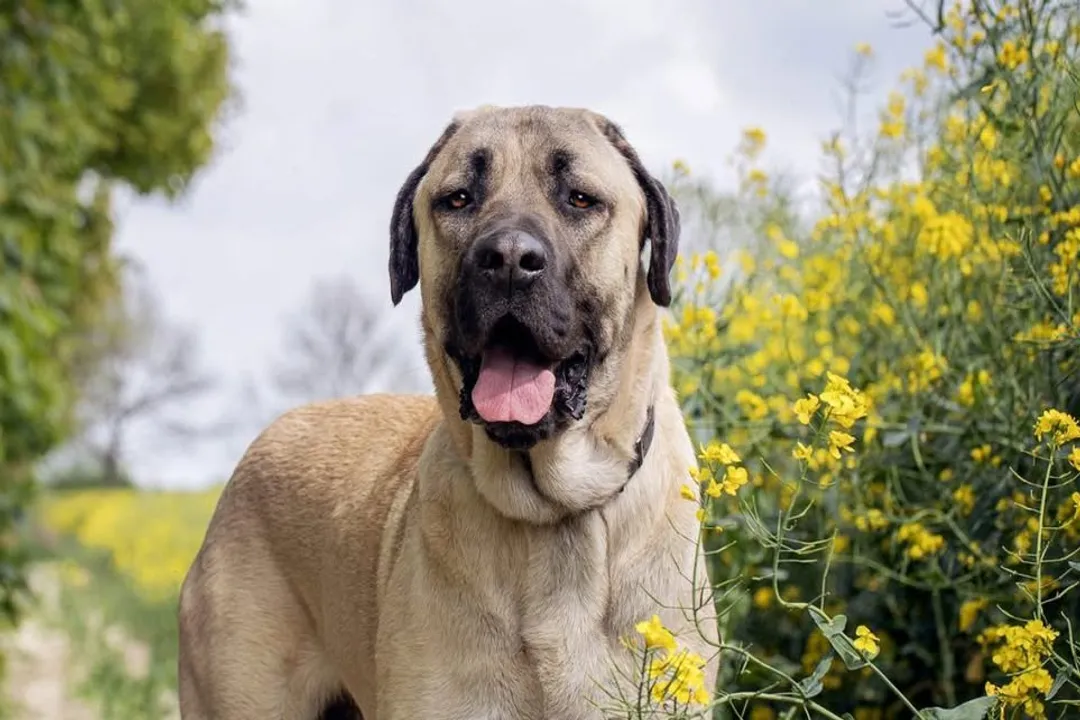
The undisputed epicenter of the Kangal dog’s existence is Turkey, particularly the Sivas region in Central Anatolia. [1] In their native environment, these dogs are often simply referred to as the Kangal or Kangal Çoban Köpeği (Kangal Shepherd Dog). [1] They represent a type of livestock guardian that developed through natural selection over millennia, rather than deliberate selective breeding for specific show traits. [2] This has resulted in a dog renowned for its instinctual protective nature and immense physical presence, honed by the necessity of defending sheep and goats across rugged territory. [3]
Interestingly, there is a complex relationship between the Kangal and the Anatolian Shepherd Dog in terms of international recognition. Some kennel clubs acknowledge the Kangal as a distinct breed, while others group it under the broader Anatolian Shepherd umbrella. [1] However, within Turkey, the pure lineage is fiercely protected. The Turkish government has taken measures to ensure the preservation of the native type, controlling the export of purebred examples to maintain the integrity of the national heritage. [1] This governmental focus underscores the cultural and historical importance the dog holds within the country, treating them as a national treasure rather than merely a commodity. [2]
# International Presence
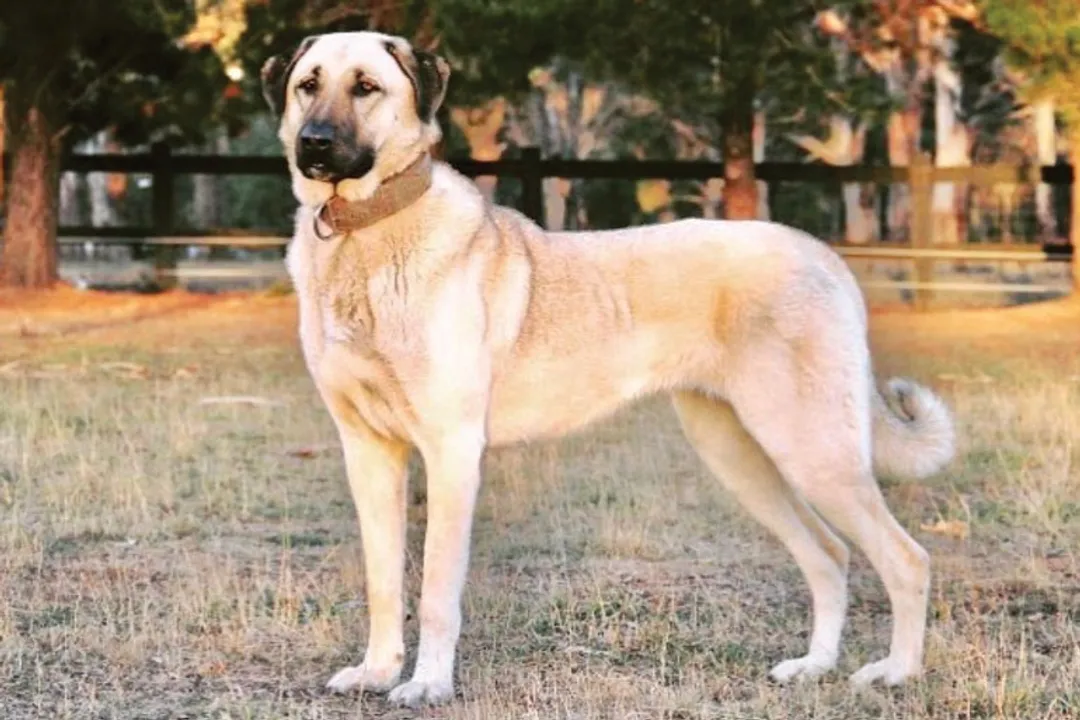
While their roots are firmly planted in Turkey, the need for reliable livestock guardians has seen the Kangal Shepherd Dog spread internationally over the past few decades. [3] They are not confined to the Anatolian plateau anymore, appearing in numerous countries where similar predator pressures or simply a desire for a supremely capable guard dog exists. [5][7]
In countries like Australia, for instance, the breed is recognized by the Dogs NSW, indicating an established, albeit perhaps smaller, population being actively managed by local breeders and owners. [7] Similarly, in the United States, the breed has gained significant traction. The United Kennel Club (UKC) recognizes the Kangal Dog as a distinct breed. [5] This recognition often signals a formal structure for registration, showing, and health screening within that particular nation’s dog community. [5]
If you look at dog registries globally, you see this dispersion. For a dog that was once exclusively a fixture of the high steppe, seeing them registered in places as varied as the US, Australia, and parts of Europe confirms their reputation has traveled far. [3][5] This global dispersal does present a minor challenge for purists, as maintaining the original working standard outside the highly controlled environment of Sivas requires dedicated effort from breeders everywhere. [1]
When considering a Kangal acquired outside of Turkey, it is always wise to investigate the breeder's focus. Are they selecting for the inherent protective instincts typical of the Sivas lineage, or are they prioritizing traits that might be favored in a companion or show setting, which can sometimes dilute the working characteristics?

# Strength Claims
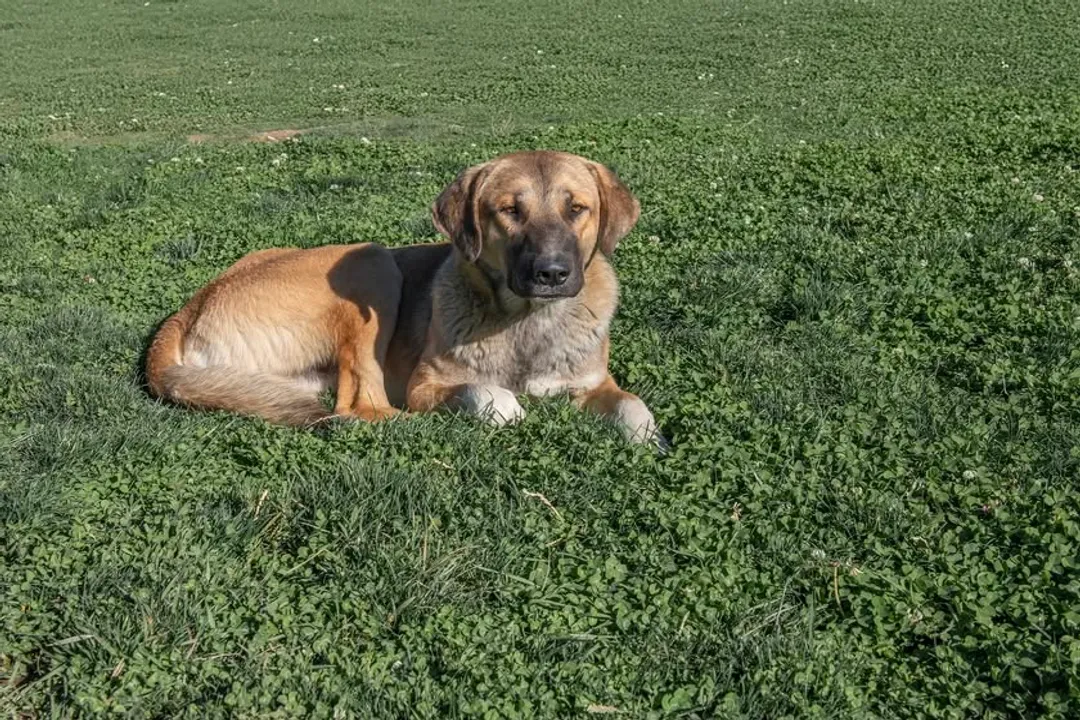
A frequent topic of discussion surrounding the Kangal Dog involves its sheer physical capability. Online discussions often circulate claims suggesting that nothing else on Earth can match their strength and power. [6] While these statements are certainly expressions of deep admiration for the breed’s imposing build and historical role, they blend fact with folklore. [6]
It is true that the Kangal is a very large and powerful dog, built to physically confront predators like wolves without yielding. [2][6] Their average weight and height certainly place them among the largest and most capable working breeds globally. [1] However, to claim they are uniquely unmatched in all facets of strength across the entire animal kingdom risks turning a genuine guardian into an exaggerated myth. [6] Their strength is best understood in the context of their job: sustained defense of livestock against large predators native to their specific region. [2] They are built for endurance, intimidation, and decisive action when necessary, not necessarily for brief, explosive power competitions against every other large breed that exists. [6]
# Geographical Importance for Breed Purity
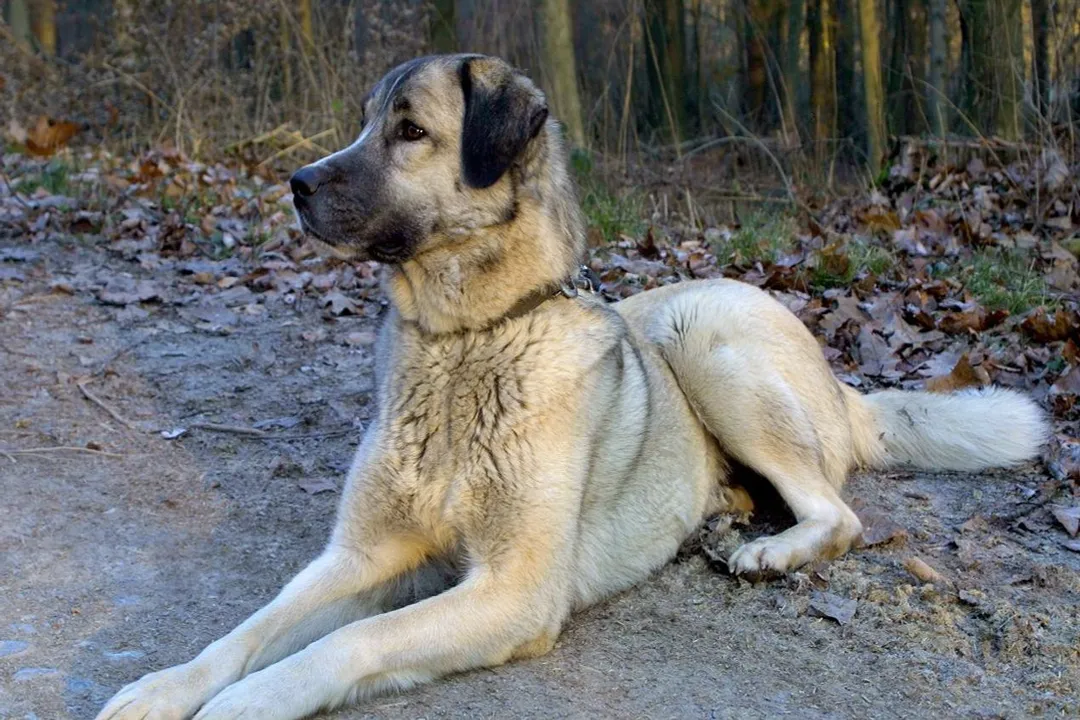
The specific location where a Kangal dog is found strongly influences what we can infer about its genetic makeup and temperament. The environment dictates the traits that are selected for, either naturally or by breeders. [2]
In the core region of Sivas, the dogs are subject to intense, real-world selection pressure. A dog that is too timid or too aggressive, or one that lacks the stamina to patrol large areas, will not survive long as a working guardian; they are either ineffective or too dangerous to the flock they protect. [2][3] This consistent, harsh selection process over centuries is what defines the authentic Kangal temperament: fiercely loyal to its charges, highly independent in decision-making, and possessing a reserved demeanor toward strangers. [3]
Outside of this traditional geographic area, the pressures change. A Kangal living on a small farm in New South Wales, Australia, or a suburban home in the United States, operates under different selection criteria. [5][7] While responsible owners strive to maintain the working standard, the constant need to drive off a pack of local coyotes or wolves is replaced by guarding a known property perimeter. This shift in environment and pressure means that international lines, while still possessing the breed's essential character, may diverge slightly from the pure, traditional Sivas type over generations. [1] Recognizing this geographical distinction helps owners appreciate the legacy of the dog they own—whether it is a direct product of the Anatolian steppe or a carefully maintained descendant abroad.
# Registration and Distinction
For those interested in the official 'location' of the breed within organized dog communities, the registration status is key, and it varies globally, which is important for understanding where purebred lines are being tracked. [1][5] The status in Turkey is paramount, but internationally, the difference between the Kangal Dog and the Anatolian Shepherd Dog (ASD) often comes down to official preference. [1]
For example, the United Kennel Club (UKC) recognizes the Kangal Dog separately, focusing on traits associated with the specific Turkish dogs from the Sivas region. [5] In contrast, the American Kennel Club (AKC) currently recognizes the breed under the name Anatolian Shepherd Dog. [1] This institutional split means that a dog considered a pure Kangal by one major registry might fall under a broader category in another, affecting where its lineage is officially "found" in paperwork. [1] This difference in classification is a direct result of the historical difficulty in distinguishing the two types when the breed was first introduced to the West. [1]
For a potential owner looking for the authentic protector, understanding these registration differences is as important as knowing the dog’s physical location. It signals the depth of the breeder's commitment to the specific Turkish lineage versus the more generalized Anatolian type. [5]
# The Contemporary Geographic Range
Today, the Kangal dog's range is a worldwide network supported by enthusiasts and specialized breeders. [3] While the vast majority of the breed still resides in Turkey, enthusiasts seeking these animals often look to established lines developed in regions with strong preservation efforts. [3][7]
The global distribution map shows pockets where these dogs are thriving as working animals:
| Region | Primary Status / Role | Reference Point |
|---|---|---|
| Central Anatolia, Turkey | Native home; National treasure | Preservation focus [1][2] |
| United States | Recognized by UKC as distinct breed | Active breeding programs [5] |
| Australia | Recognized by state/national bodies | Established populations [7] |
| Western Europe | Growing enthusiast presence | Varied recognition status |
This global reach confirms that the need for a true, large-scale guardian is universal, even if the original environment that perfected the breed remains singular. [2][3] A dog found in Australia, for instance, is a testament to the successful exportation and continued dedication to this powerful guarding tradition far from the Turkish steppes. [7]
Related Questions
#Citations
Kangal Shepherd Dog - Wikipedia
Kangal: Soldier of the Steppe | Blog | Nature - PBS
Kangal Dogs - Hobby Farms
Kangal dogs at Muradiye waterfalls in Turkey - Facebook
Breed Standards : Kangal Dog | United Kennel Club (UKC)
Can Kangal Dogs only live in Turkey? Is it true that there is ... - Quora
Kangal Shepherd Dog Breeds - Dogs NSW