What's the best environment for a Dutch rabbit?
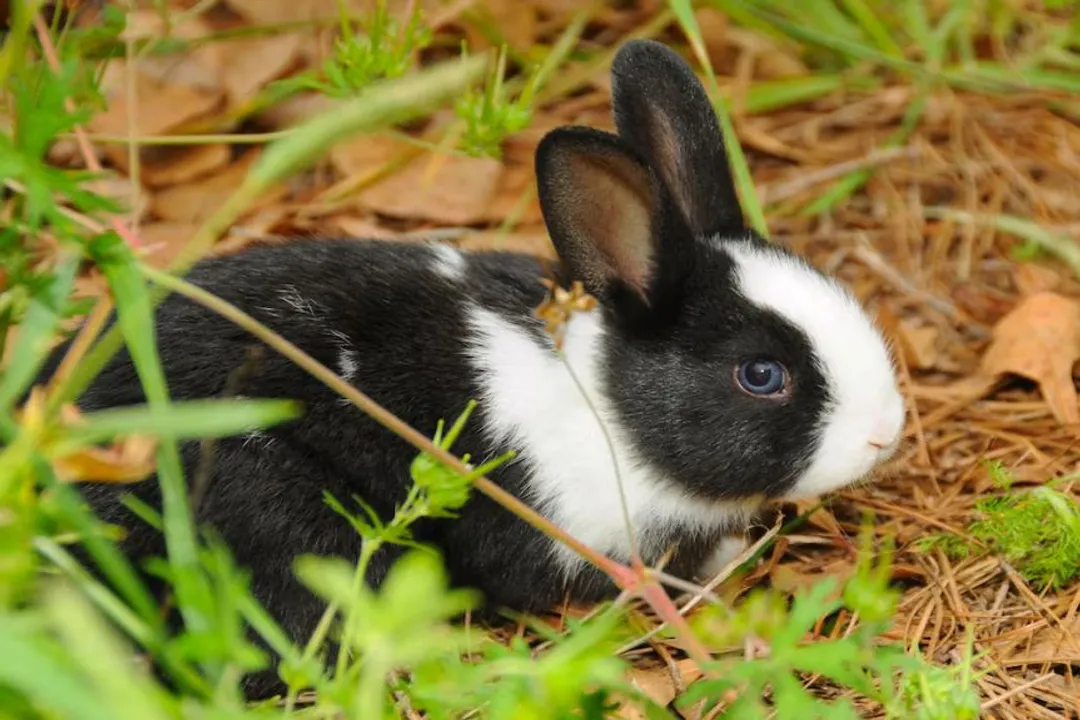
The best environment for a Dutch rabbit involves careful consideration of space, social structure, safety from the elements, and psychological enrichment. While the Dutch rabbit is often celebrated for its calm and intelligent nature, making it suitable for many households, its environment must cater to its instinctual needs as a prey animal and an active creature [4][^1 new]. It is vital to move beyond the perception of rabbits as simple caged pets; their home needs to be a secure habitat that supports running, resting, and socialization [^1 from first batch]. [3]
# Companionship First
Before addressing physical structures, the most fundamental environmental requirement for a Dutch rabbit is companionship. Rabbits are highly social animals, and keeping one in isolation is detrimental to its welfare [3][^1 new]. They are happiest when housed in compatible pairs, such as a neutered male and a neutered female [^1 new]. It is important to note that even if an owner chooses to keep only a single rabbit, the minimum space recommendations for housing must still meet the requirement for two animals, as the need for space is based on species requirements, not just the current number of inhabitants. [3]
# Housing Space Discrepancies
Determining the "best" space involves navigating slightly different guidelines offered by various animal welfare organizations. These recommendations often focus on different aspects of rabbit life—some on a minimum resting area, others on the total accessible footprint required for healthy behavior.
For the resting quarters alone, one organization suggests a minimum floor space of 3.0 square feet for a Dutch rabbit weighing between 4.4 and 8.8 pounds, with an interior height of 14 inches. [2] This measurement provides enough room for the rabbit to lie out but might not accommodate more active behaviors fully. [2] Another general guideline suggests the resting area should be large enough for the rabbit to stretch out completely and stand up on its hind legs without its ears touching the top, often equating to a length that allows for three consecutive hops—around 150 to 180 cm long and 60 cm high [^1 from first batch].
When considering the total environment—the resting area combined with the exercise area—the requirements expand significantly. The Rabbit Welfare Association and Fund (RWAF) recommends a minimum living footprint of 3m x 2m (roughly 6.5 square meters) with a height of 1m (3.3 feet). [3] This large, continuous floor space is crucial because it allows the rabbit to run, not just hop, facilitating positive behaviors. [3] It is essential to remember that any raised platforms, tunnels, or upper stories do not count toward this essential ground footprint. [3] If an owner is relying on a standard, store-bought hutch, it should be understood that the hutch itself is merely the secure sleeping quarter and must be permanently attached to a much larger run to meet the animal's exercise needs [^1 from first batch].
When you look at these figures side-by-side, it becomes clear that the best environment prioritizes behavior over minimal enclosure size. While the 3.0 sq ft resting area is technically a minimum for shelter, the 3m x 2m total footprint is necessary for daily physical and mental health, preventing muscle weakness that can result from insufficient activity. [2][3] For a Dutch rabbit kept indoors, an enclosure built from large dog exercise pens often provides a more realistic way to achieve the required total space than attempting to find a commercially produced cage that meets the running dimension requirements. [4]
# Temperature Control Indoors and Out
Dutch rabbits, with their short coats, are relatively low-maintenance in terms of grooming, but they are highly sensitive to temperature extremes [^1 new]. [4] The generally accepted ideal temperature range for rabbits is between 55˚F and 70˚F. [2]
Temperatures exceeding 85°F (around 29°C) pose a serious risk of heatstroke, which can be fatal quickly [^1 from first batch][^4 new]. This heat sensitivity is why many experts now advocate for keeping rabbits indoors, where environmental conditions can be better controlled, away from central heating systems, direct sun, and draughts [^1 from first batch][^2 new][^4 new]. If a rabbit must be housed outside, a small shed or garage with good ventilation, connected to a secure run, is preferred over a standard hutch, especially during winter months [^1 from first batch].
Temperature regulation is aided by their large ears, which act as radiators to dissipate heat when the rabbit is warm [^4 new]. However, this cooling mechanism may be less efficient in breeds with very small ears. In hot weather, providing shade, good airflow (such as with a fan not pointed directly at the rabbit constantly), or placing frozen water bottles in the enclosure can help them cope [^1 from first batch][^4 new]. Crucially, if rabbits are kept outdoors, never bring them home outside during late autumn or winter, as they won't have developed the necessary winter coat to survive the cold [^1 from first batch].
# Sanctuary and Security
As prey animals, security and the ability to retreat are paramount to a Dutch rabbit’s psychological well-being. Their environment must be designed to protect them from perceived dangers, whether that is a neighbor's cat outdoors or a sudden loud noise indoors [^1 from first batch].
Every enclosure, whether indoor or outdoor, must feature multiple hiding places [^1 from first batch]. These shelters should be large enough for the rabbit to fully enter and ideally possess more than one entrance [^1 from first batch]. This detail about dual entrances is a key factor in avoiding conflict within a bonded pair. If you house your Dutch rabbits in the recommended pairs, you must ensure there are at least two separate hiding spots [3][^1 from first batch]. This allows each rabbit the autonomy to retreat and feel secure without being cornered, which is essential for maintaining peace between companions. [3] Cardboard boxes, wooden hideaways, or sections of wide-bore drain pipes make excellent, chew-safe options, provided they have no sharp edges [^1 from first batch].
# Substrate and Sanitation
A suitable environment is also a clean and hygienic one, as damp, poorly ventilated, or dirty conditions can lead to illness [^1 from first batch].
For litter training, a designated area using newspaper, shredded paper, or a tray filled with hay or unscented, dust-free cat litter is recommended [^1 from first batch]. [4] When selecting bedding for the resting area—for insulation or comfort—avoid wood shavings made from pine or cedar, as the oils they release can cause respiratory distress [^1 from first batch]. [4] Safer alternatives include Aspen shavings, hay, straw (for added cold insulation), or recycled paper products [4][^1 from first batch]. Bedding must be kept dry and changed frequently; daily spot-cleaning for soiled areas is necessary, with a thorough, weekly disinfection of the entire living area using a pet-safe disinfectant [^1 from first batch].
# Enrichment for Activity
Dutch rabbits are naturally curious and active, requiring daily opportunities to exercise, chew, and forage to maintain muscle mass and keep their digestive tracts moving—a lack of mobility can lead to serious gastrointestinal stasis [4][^1 new].
Enrichment should be varied:
- Chewing: Since their teeth grow continuously, providing objects to chew is not just for fun but for health. Untreated wood blocks, wicker balls, and certain apple sticks are good choices [^1 new].
- Exploration: Tunnels, sturdy platforms for jumping, and safe, supervised access to a grassy area are beneficial [^1 from first batch][^1 new]. If the run is outdoors, it should be moved regularly to prevent overgrazing and potential escape attempts via burrowing [^1 from first batch].
- Mental Stimulation: Items like large rocks or terracotta pots can be placed in the run to prevent boredom [^1 from first batch].
Creating a dynamic environment where a Dutch rabbit can express its full range of behaviors—digging, running, stretching, and playing—is the single most important factor after ensuring good companionship and temperature control. This active environment directly supports the breed’s gentle but spirited personality [^1 new].
Related Questions
#Citations
How to Care for a Pet Dutch Rabbit - The Spruce Pets
Dutch Rabbit - PetMD
The Vet's Guide to Dutch Rabbits: Facts, Care, and Training Tips
[PDF] ARBA Recommendations for the Care of Rabbits and Cavies.
Suitable environment for rabbits | nidirect
Dutch - PDSA
Space Recommendations - Rabbit Welfare Association
Are some bunny breeds better with summer heat than others? - Reddit